An Abdominal CT Scan is one of the most accurate imaging tests used to detect problems within your abdomen, including your liver, kidneys, pancreas, intestines, and other internal organs. If your doctor recommends a CT scan, it’s natural to have questions about when it’s needed and what to expect during the procedure.
Doctors usually recommend an abdominal CT scan when they need detailed images to diagnose or monitor certain conditions. You may be advised to get this scan if you experience:
Persistent abdominal pain or swelling
Injury or trauma to the abdomen
Kidney stones or urinary tract blockages
Liver diseases such as fatty liver or cirrhosis
Tumors or cysts in the abdominal organs
Digestive system issues, including bowel obstruction or appendicitis
A CT scan can help your doctor detect the cause quickly, ensuring timely treatment and better health outcomes.
What to Expect During the Procedure
At SimpleeKare Diagnostic Centers, we make sure your CT scan experience is smooth and stress-free. Here’s what typically happens during the test:
Preparation: Depending on your scan type, you may be asked to fast for a few hours before the procedure. If contrast dye is used, our staff will guide you carefully about any precautions.
During the Scan: You’ll lie comfortably on a scanning table that moves slowly into the CT machine. The scan usually takes 10–20 minutes and is completely painless. You just need to remain still for clear images.
After the Scan: You can resume normal activities immediately after the test unless your doctor advises otherwise. The scan results are analyzed by radiologists and shared with your doctor for further evaluation.
Why Choose SimpleeKare for Your CT Scan?
At SimpleeKare, we combine advanced diagnostic technology with expert care to provide accurate and fast results. Our centers are equipped with modern CT scan machines, handled by experienced radiologists and technicians.
Here’s what makes SimpleeKare your trusted choice:
Latest imaging technology for clear and detailed reports
Experienced radiologists for accurate diagnosis
Quick report turnaround time
Affordable pricing with transparent billing
Comfortable environment and patient-friendly staff
Book Your Abdominal CT Scan Today!
If you’ve been prescribed an abdominal CT scan, choose SimpleeKare Hospital for a safe, convenient, and reliable experience. Schedule your appointment online or visit your nearest SimpleeKare center in Bhubaneswar, Cuttack, or Vizag.
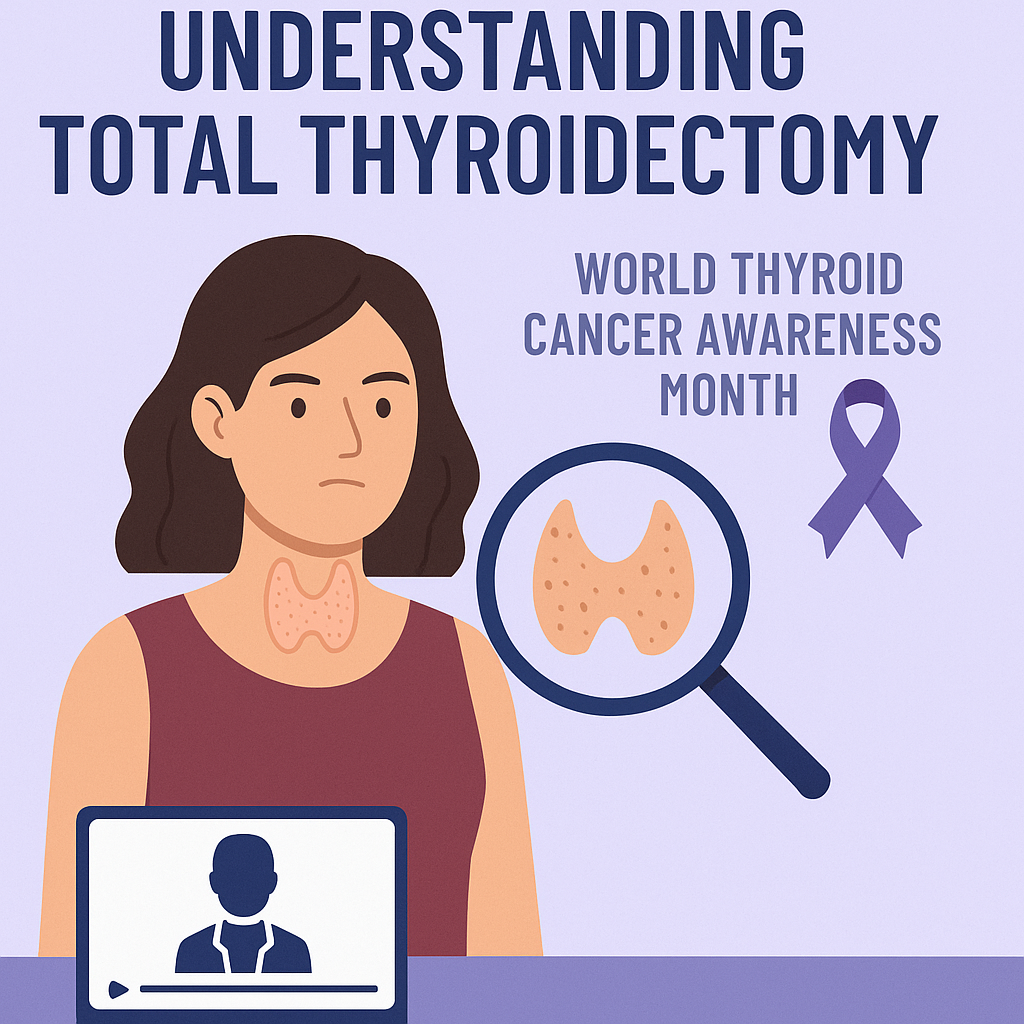
Every September, the world observes Thyroid Cancer Awareness Month to remind us about the tiny gland in our neck that plays a huge role in our health. When the thyroid functions well, we hardly notice it. But when something goes wrong, the impact on daily life can be profound.
Millions of people worldwide suffer from thyroid problems — unexplained fatigue, sudden weight changes, visible neck swelling, or in severe cases, thyroid cancer. While many conditions can be managed with medication, surgery often becomes the definitive, life-saving solution.
Understanding Total Thyroidectomy
A total thyroidectomy is the surgical removal of the thyroid gland. It is recommended in conditions such as:
Thyroid cancer – complete removal eliminates cancerous tissue.
Hyperthyroidism not responding to medication.
Suspicious thyroid nodules with cancer risk.
Large multinodular goitres causing difficulty in breathing or swallowing.
Though the idea of losing the thyroid gland can be daunting, modern surgery combined with lifelong thyroid hormone supplements enables patients to live full, healthy lives.
The Human Side of Surgery
Behind every thyroidectomy is a human story:
A young woman regaining normal breathing after her goitre was removed.
A middle-aged man diagnosed with thyroid cancer at the right time and treated successfully.
An elderly patient who found his voice and confidence again after years of discomfort.
Each thyroidectomy surgery is not just about removing a gland — it’s about restoring health and hope. That’s why choosing the right surgical team is so important. At SimpleeKare Health – Bhubaneswar, we emphasize safety, precision, and compassionate care.
Expert Insights: Thyroid Cancer Awareness 🎥
Understanding thyroid health starts with knowing the signs, diagnosis, and treatment options.
When surgery, like total thyroidectomy, is recommended
This video helps viewers identify early warning signs of thyroid and understand the clinical pathway, reinforcing the importance of timely thyroid checkups.
Expert Insights: In-Depth Look at Neck Swellings 🎥
Neck lumps can arise from the thyroid, parotid, or submandibular glands, and understanding the differences is crucial.
In this detailed video, Dr. Sanjeev Mohanty walks viewers through:
How to differentiate between thyroid, parotid, and submandibular swellings
Common causes and warning signs
When to seek medical evaluation
This longer session provides a comprehensive guide, helping viewers gain a deeper understanding of neck swellings and the importance of timely medical attention.
Why Expertise Matters
Total thyroidectomy is among the most technically challenging surgeries. Outcomes depend heavily on the surgeon’s experience. With the right expertise, patients achieve excellent results with minimal complications.
At SimpleeKare, we bring together trusted experts like Prof. Dr. Sanjeev Mohanty, who has years of specialized experience in thyroid surgeries, ensuring that patients receive the highest standard of care.
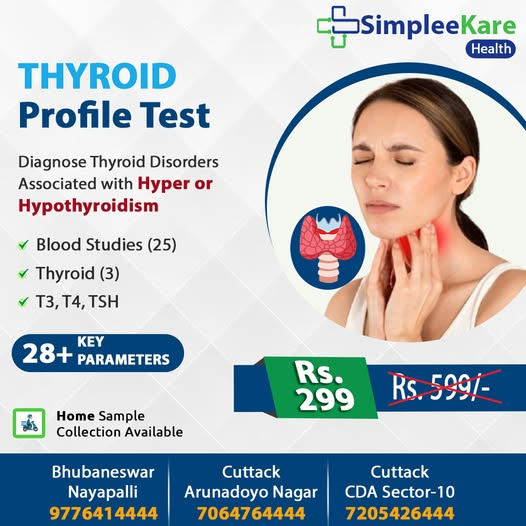
To complement expert care, we also offer a comprehensive Thyroid Profile Test at just Rs. 299 (originally Rs. 599). This package helps diagnose thyroid disorders associated with hyperthyroidism or hypothyroidism, covering:
25 Complete blood test parameters
3 thyroid-specific tests
T3, T4, and TSH levels
A Call to Action: Knowledge Saves Lives
Early detection is the key to better outcomes in thyroid cancer. During Thyroid Cancer Awareness Month, here’s what you can do:
Don’t ignore persistent fatigue, weight changes, or mood shifts.
Check for any lump/swelling in your neck.
Track your family history of thyroid disorders.
Get regular medical checkups and thyroid evaluations.
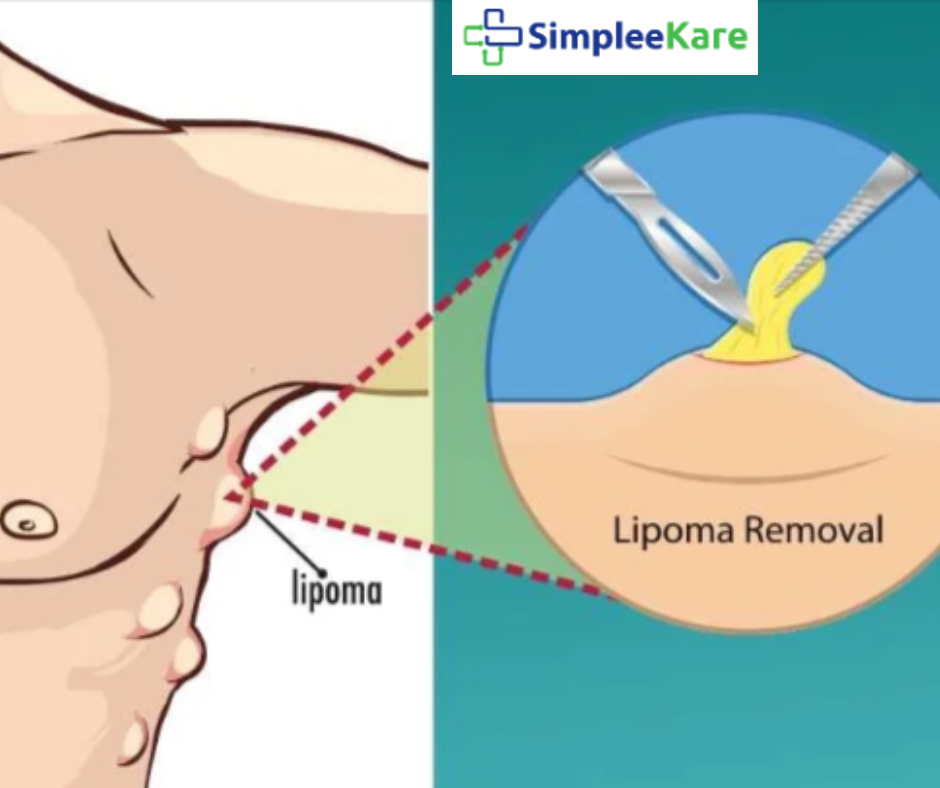
Q: What is a lipoma? A lipoma is a soft, fatty lump that grows under the skin. It feels rubbery, is usually painless, and commonly appears on the arms, neck, shoulders, back, or thighs. Though harmless, lipomas can cause discomfort, cosmetic concerns, or mobility issues if they grow bigger.
Q: Why should I consider removing a lipoma?
✅ Cosmetic reasons – Improve appearance with smoother skin
✅ Pain or discomfort – When lipomas press on muscles or nerves
✅ Mobility issues – Lipomas near joints may restrict movement
Q: What is lipoma excision surgery at SimpleeKare? At SimpleeKare, surgeons use advanced surgical techniques to remove lipomas safely and effectively.
🔹 Minimal scarring – Small, neat incision 🔹 Quick recovery – Return to daily activities in a few days 🔹 Safe & effective – Done under local or general anesthesia 🔹 Permanent solution – Lump is completely removed with low recurrence
Q: What makes SimpleeKare the best choice?
🏥 Expert surgeons with years of experience
🔬 Advanced, minimally invasive techniques
💰 Affordable & transparent pricing
⏱️ Day-care procedure, no long hospital stays
🌟 Personalized pre & post-surgery care
Q: What should I expect during treatment?
Consultation & Diagnosis – Doctor examines the lump, ultrasound may be advised.
Surgery Planning – Local anesthesia for small lipomas; short hospitalization for larger ones.
Procedure – Lipoma is excised through a small incision.
Recovery – Stitches out in 7 days, normal life resumes quickly.
Q: Why choose SimpleeKare for lipoma removal in Bhubaneswar? Because SimpleeKare ensures a safe, painless, and stress-free surgery experience. From your first consultation to complete recovery, our team supports you every step of the way.
When it comes to your health, choosing the right general surgeon is one of the most important decisions you can make. Whether you need surgery for appendicitis, gallbladder issues, hernia repair, thyroid disorders, or any other general surgical problem, the expertise and care of the surgeon play a key role in your recovery. If you are searching for the best surgery hospital in odisha, SimpleeKare is here to help you connect with highly qualified and experienced specialists.
Who is a General Surgeon?
A general surgeon is a medical specialist who performs a wide range of surgical procedures on different parts of the body. They are trained to diagnose, operate, and manage patients before, during, and after surgery. Unlike specialists who focus on one part of the body, general surgeons are skilled in treating various conditions such as:
Their versatile training and expertise make them essential for both emergency and planned surgeries.
Why Choose General Surgeons in Bhubaneswar?
Bhubaneswar is home to some of the most reputed general surgeons in Odisha who combine years of experience with modern surgical techniques. Many surgeons here are trained in minimally invasive procedures (laparoscopy), which ensure smaller cuts, less pain, and quicker recovery. Patients from nearby towns and cities also travel to Bhubaneswar because of the advanced facilities, affordable treatment costs, and availability of 24×7 surgical care.
General Surgery Services at SimpleeKare
At SimpleeKare, we work with some of the best general surgeons in Bhubaneswar to provide comprehensive care under one roof. Our services include:
Laparoscopic Surgery – Keyhole surgeries for gallbladder stones, appendix, and hernia.
Hernia Surgery – Safe and effective treatment for all types of hernias.
Appendix Removal (Appendectomy) – Quick surgical care for emergency appendicitis cases.
Gallbladder Surgery – Removal of gallstones and treatment for gallbladder infections.
Thyroid & Breast Surgery – Specialized procedures for thyroid nodules, goiters, and breast lumps.
Minor Surgeries – Excision of cysts, lipomas, or small skin lumps.
We focus on patient comfort, safety, and speedy recovery with the help of modern equipment and dedicated surgical teams.
Advantages of Choosing SimpleeKare for General Surgery
Expert Surgeons – Access to some of the top general surgeons in Bhubaneswar.
Advanced Facilities – State-of-the-art operation theatres with modern technology.
Minimally Invasive Options – Faster recovery with laparoscopic surgeries.
Affordable Packages – Transparent pricing and budget-friendly surgery packages.
Personalized Care – Pre-surgery counseling, post-surgery follow-up, and complete support.
24×7 Assistance – Emergency and planned surgeries are available around the clock.
How to Find the Best General Surgeon Near You
When looking for a surgeon, it is important to consider the following factors:
Experience & Specialization – Check if the surgeon has expertise in the type of surgery you need.
Hospital Facilities – Ensure the hospital is equipped with modern infrastructure.
Patient Reviews – Feedback from other patients helps in building trust.
Communication Skills – A good surgeon will clearly explain your condition and treatment plan.
Post-operative Care – Recovery support is as important as the surgery itself.
At SimpleeKare, we simplify this process by connecting you directly with the best surgeons based on your medical needs.
Book an Appointment with the Best Surgeons in Bhubaneswar
If you are experiencing symptoms that require surgical attention, don’t delay your treatment. The sooner you consult a qualified general surgeon, the better your chances of a quick recovery. At SimpleeKare, you can:
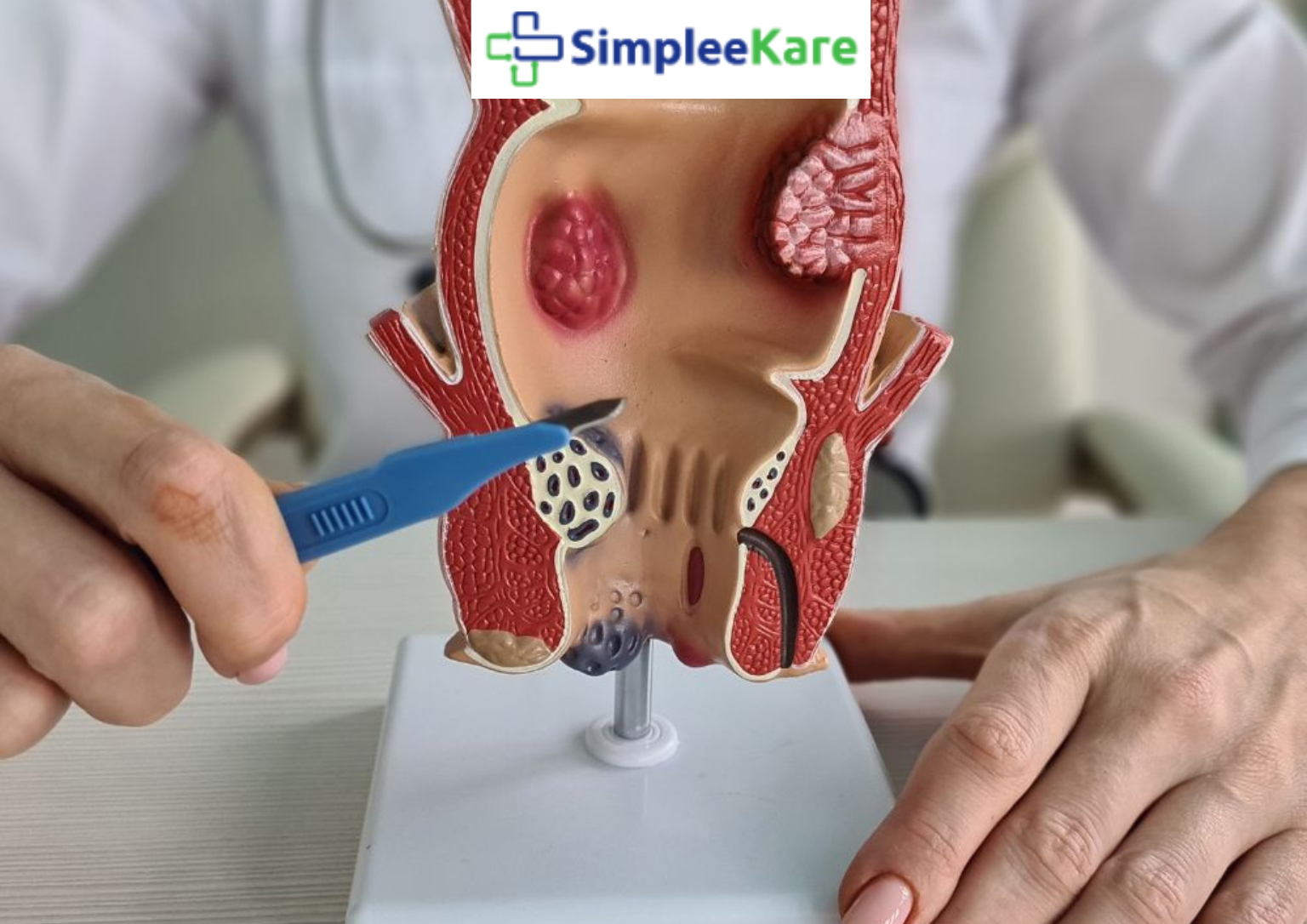
Q1. What are piles and why do they occur? Piles, also known as hemorrhoids, are swollen veins in the rectum or anus that cause pain, itching, bleeding, and discomfort. They usually occur due to chronic constipation, prolonged sitting, straining during bowel movements, lack of fiber in diet, or sometimes due to pregnancy.
Q2. When should someone consider piles surgery? In the early stages, piles can be treated with lifestyle changes, medicines, or non-surgical procedures. However, if symptoms become severe, such as constant bleeding, unbearable pain, prolapsed piles (hanging outside the anus), or when medical treatment fails, surgery becomes the best option.
Q3. What are the surgical treatments available for piles? There are several modern and effective surgical options for piles:
Laser Piles Surgery – A minimally invasive treatment where laser beams shrink the piles. It is quick, painless, and has a faster recovery time.
Stapler Surgery (Stapled Hemorrhoidectomy) – Effective for prolapsed piles, reduces pain, and offers quick healing.
Conventional Surgery (Hemorrhoidectomy) – Surgical removal of piles, usually for severe cases.
Sclerotherapy & Band Ligation – Non-surgical methods but recommended for smaller piles.
Q4. Why is laser piles surgery considered the best? Laser piles surgery is currently one of the most preferred treatments because:
It involves minimal cuts and no stitches.
The procedure is quick (20–30 minutes).
Patients experience less pain compared to traditional surgery.
Very little bleeding.
Quick recovery – most patients can resume normal work within 2–3 days.
Lower risk of recurrence.
Q5. Is piles surgery safe? Yes, piles surgeries like laser and stapler methods are very safe when performed by experienced surgeons. With advanced technology, the risk of complications is very low, and most patients get long-lasting relief.
Q6. How to prepare for piles surgery? Before surgery, the doctor may recommend blood tests, stop certain medicines, and suggest dietary changes. On the day of surgery, patients are usually advised to come on an empty stomach. Post-surgery, a high-fiber diet, plenty of water, and regular exercise are important to prevent recurrence.
Q7. What is the recovery time after piles surgery? Recovery depends on the type of surgery. In laser piles surgery, most patients recover in just a few days. For stapler surgery, recovery takes about a week, while conventional surgery may take 2–3 weeks. Following the doctor’s advice ensures faster healing.
Q8. Where can I find the best piles surgery treatment? For the best results, it is important to consult an experienced colorectal or general surgeon. Multispeciality hospitals and advanced clinics now offer modern treatments like laser surgery, ensuring safe and painless recovery.
✅ Conclusion If you are struggling with severe piles, surgery might be the most effective solution for long-term relief. Among all methods, Best laser piles surgery stands out as the safest, fastest, and least painful option. Always consult a qualified specialist to decide the best treatment based on your condition.
Are you looking for safe, painless, and effective piles surgery treatment? At SimpleeKare, we provide advanced solutions like Laser Piles Surgery and Stapler Surgery with expert doctors, modern facilities, and faster recovery.
📞 Call Us Today: 9776414444 🌐 Website:www.simpleekare.com 🏥 Visit Our Clinic: SimpleeKare Health [Add Local Address – Bhubaneswar / Vizag / Cuttack branches]
💬 Book Appointment Online: Get expert consultation from the comfort of your home and schedule your surgery at your convenience.
👉 At SimpleeKare, your health and comfort are our priority. Contact us today for the best piles surgery treatment and take the first step towards a pain-free life.
When it comes to your health, accurate and timely medical test results are essential for the right diagnosis and treatment. In Bhubaneswar, people are increasingly looking for trusted laboratory testing services that offer precision, convenience, and affordability.
At SimpleeKare, we ensure that every test is conducted using advanced technology and delivered with the highest level of care.
Why Choose SimpleeKare for Laboratory Testing in Bhubaneswar?
SimpleeKare is a trusted name in diagnostic and pathology services in Bhubaneswar. Our laboratory follows strict quality protocols to ensure accurate and reliable test results for every patient. Whether you need a routine health checkup, specialized testing, or urgent blood work, we make the process seamless.
Key reasons to choose us:
Wide Range of Tests – From complete blood count (CBC) to advanced health profiles.
State-of-the-Art Technology – Modern lab equipment for quick and precise results.
One of the most convenient features of SimpleeKare is our home sample collection service. Our trained phlebotomists visit your home, collect samples safely, and deliver results online or at your doorstep. This is especially helpful for elderly patients, working professionals, and those with mobility issues.
Benefits of Choosing SimpleeKare Laboratory Services
Quick Turnaround Time – Most results available within 24 hours.
Easy Online Booking – Schedule tests through our website or call.
Trusted by Thousands – A growing base of satisfied patients in Bhubaneswar.
Confidential & Secure – Your health data is kept private.
Book Your Lab Test in Bhubaneswar Today
Don’t wait until symptoms get worse. Early detection can save lives, and with SimpleeKare’s top laboratory testing services in Bhubaneswar, you can get the clarity you need for better health decisions.
Varicose veins are more than just a cosmetic concern. These twisted, enlarged veins — most commonly found in the legs — can lead to pain, discomfort, swelling, and serious complications if left untreated. With modern advancements in vascular care, treating varicose veins has become safer, quicker, and more effective than ever before.
This blog will walk you through the causes, symptoms, treatment options, and effective management techniques for varicose veins, with a focus on surgical solutions that provide lasting relief.
What Are Varicose Veins?
Varicose veins are swollen and enlarged veins that develop when faulty valves in the veins allow blood to flow in the wrong direction or to pool. They usually appear dark purple or blue and may bulge from the surface of the skin.
They are most commonly seen in the legs due to the pressure exerted while standing or walking. While they may not always cause discomfort initially, they can lead to aching pain, heaviness, and skin changes over time.
Common Symptoms of Varicose Veins
Aching, burning, or throbbing sensation in the legs
Swollen ankles and feet
Cramping at night
Itching around the veins
Skin discoloration or ulcers in severe cases
Visible bulging, twisted veins
If you experience these symptoms, it is important to seek medical advice from a vascular specialist.
Causes and Risk Factors
Several factors can increase the risk of developing varicose veins, including:
Genetics: A family history of varicose veins
Age: Risk increases with age
Gender: Women are more prone due to hormonal changes
Pregnancy: Increased blood volume and hormonal shifts
Obesity: Puts extra pressure on veins
Prolonged Standing or Sitting: Affects normal blood flow
Diagnosis
A doctor may diagnose varicose veins through a physical exam and medical history. An ultrasound test is often recommended to check how well the valves in the veins are working and to look for any blood clots.
Varicose Vein Treatment Options
1. Lifestyle Management
Mild cases of varicose veins can be managed with:
Regular walking and leg exercises
Avoiding prolonged standing or sitting
Elevating legs when resting
Wearing compression stockings to improve blood flow
However, when symptoms persist or worsen, surgical or minimally invasive treatments are necessary.
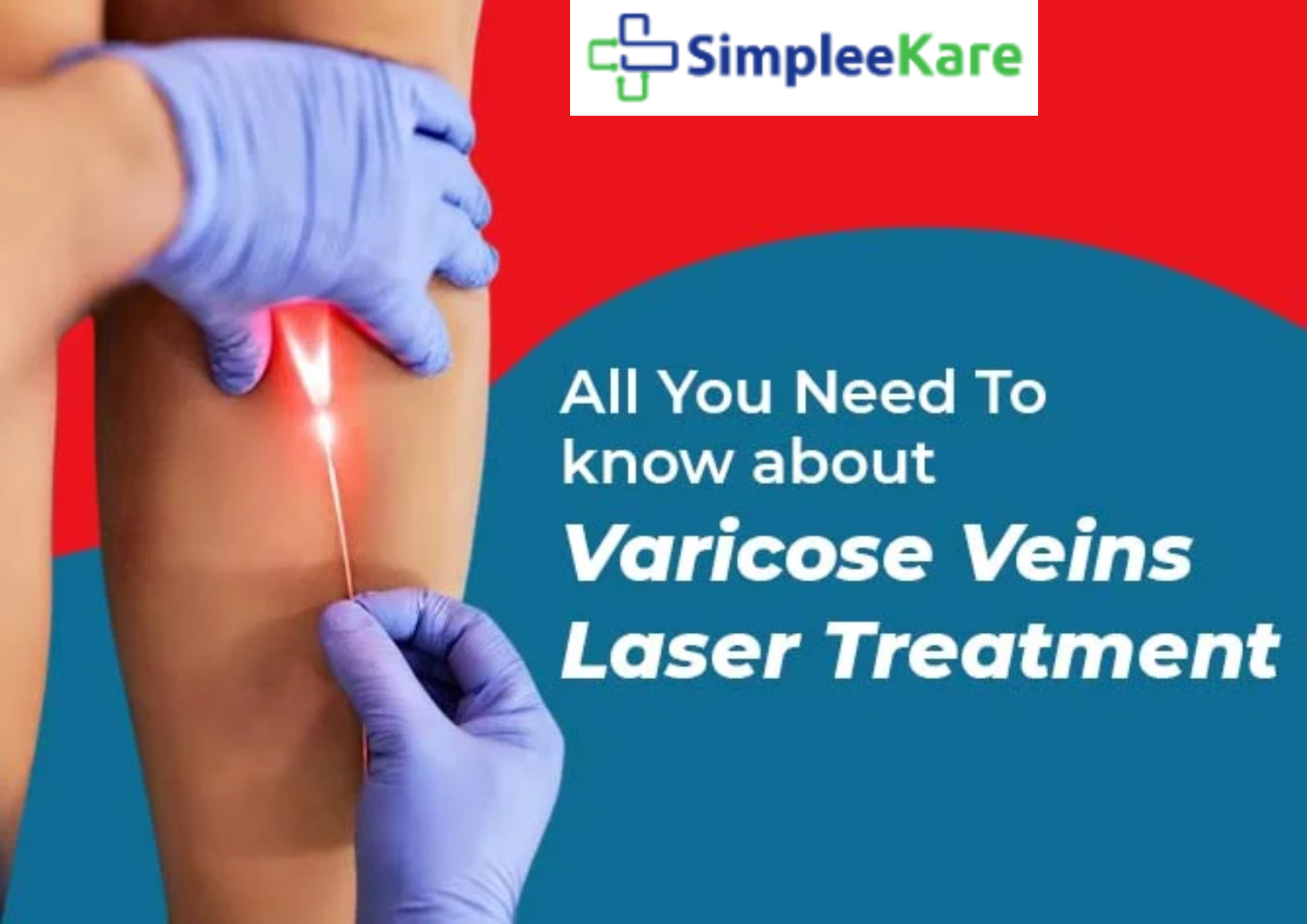
A minimally invasive procedure using laser energy to close off the affected vein. It’s a preferred method due to quick recovery and less post-operative pain.
Radiofrequency Ablation (RFA):
Similar to EVLT, RFA uses radiofrequency waves to seal the vein. It’s done under local anesthesia and allows patients to return to normal activities quickly.
Sclerotherapy:
Used for smaller varicose or spider veins, this involves injecting a solution into the vein to close it.
Ambulatory Phlebectomy:
The surgeon removes the smaller varicose veins through tiny skin punctures. It’s often done along with other treatments.
Vein Stripping and Ligation:
This is an older method where the affected vein is tied off and removed. It is now rarely used due to the success of minimally invasive options.
Post-Surgical Care & Management
Recovery after minimally invasive surgery is usually quick. Most patients can walk immediately and return to routine activities within a few days. To ensure optimal results:
Wear compression stockings as advised
Keep the legs elevated
Avoid heavy lifting for a short period
Follow up with your surgeon regularly
Why Choose a Specialized Varicose Vein Center?
Selecting an experienced vascular specialist and a well-equipped center ensures accurate diagnosis, advanced treatment, and comprehensive follow-up. The best centers offer personalized care plans tailored to your condition, ensuring faster relief and long-term results.
Conclusion
Varicose veins can severely affect your quality of life if not treated timely. Fortunately, with modern, minimally invasive surgical techniques, treatment is no longer a daunting process. Whether you’re experiencing pain, swelling, or just visible veins, consulting a varicose vein specialist can set you on the path to permanent relief and healthier legs.
✅ Don’t Suffer in Silence – Treat Your Varicose Veins Today!
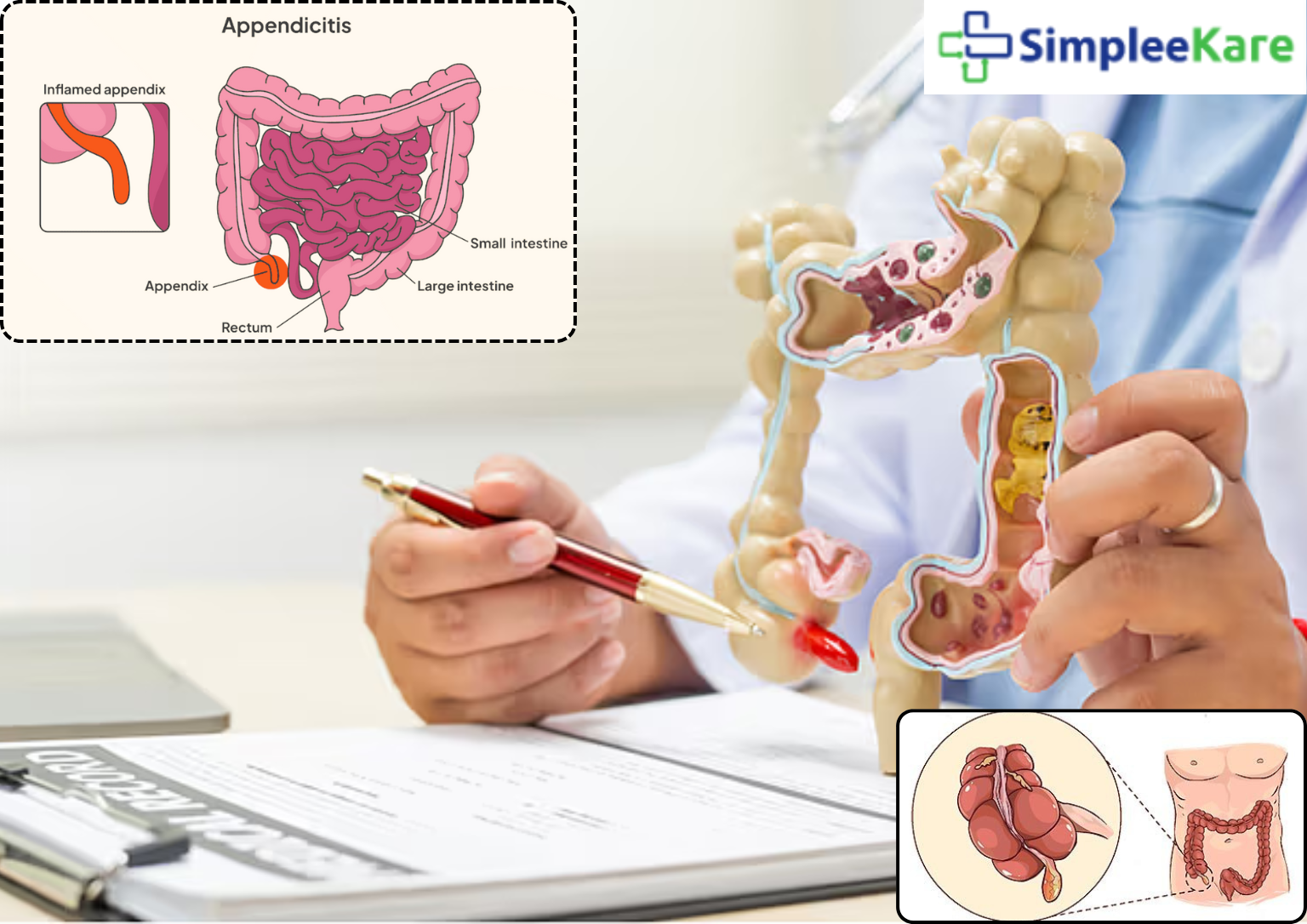
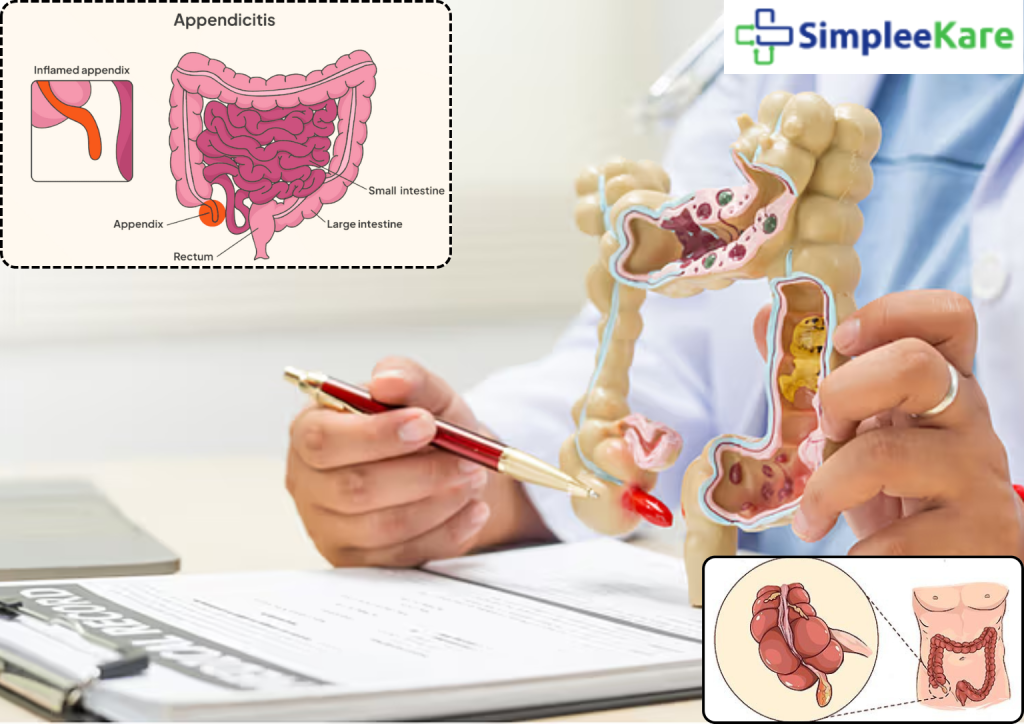
Appendicitis is a medical emergency that occurs when the appendix—a small, tube-like organ attached to the large intestine—becomes inflamed. It is one of the most common causes of sudden abdominal pain that requires surgery. If left untreated, an inflamed appendix can rupture, leading to serious infections and complications. Fortunately, with modern surgical techniques available across India, appendicitis is highly treatable.
What is Appendicitis?
Appendicitis is the inflammation of the appendix, typically caused by a blockage. It can affect people of all ages but is most common in individuals between 10 and 30 years of age. The inflammation can worsen quickly, which is why prompt diagnosis and treatment are essential.
Common Symptoms of Appendicitis
Recognizing the symptoms of appendicitis is crucial for timely treatment. Key signs include:
Sudden pain starting around the belly button and shifting to the lower right abdomen
Loss of appetite
Nausea and vomiting
Fever and chills
Abdominal bloating or swelling
Pain worsening with movement, coughing, or deep breaths
If you or someone you know experiences these symptoms, seek immediate medical attention to avoid complications.
Causes of Appendicitis
Appendicitis usually results from a blockage in the appendix. Common causes include:
Hardened stool (fecalith)
Enlarged lymphoid follicles
Parasitic or bacterial infections
Trauma or foreign bodies
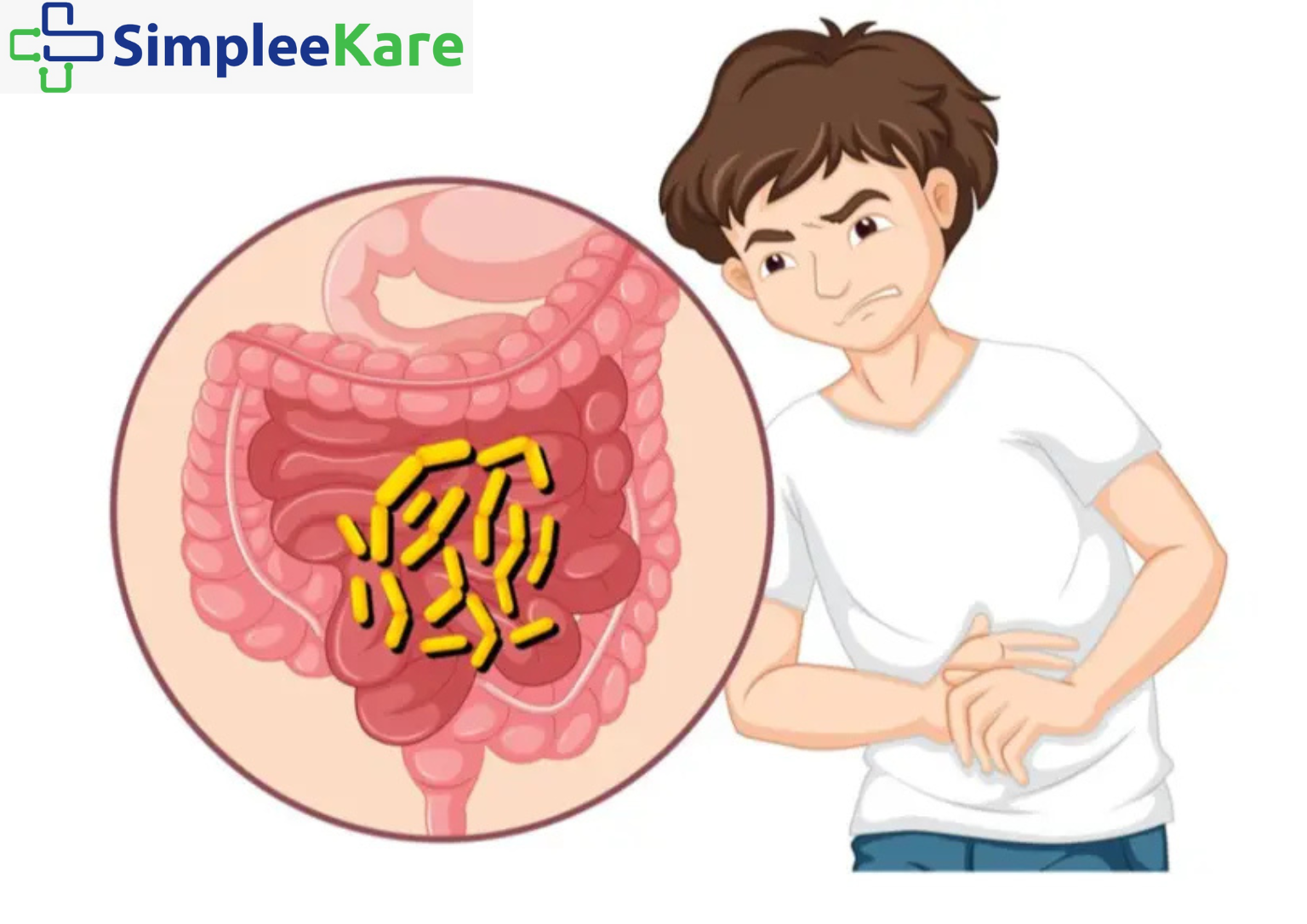
This blockage can cause bacterial overgrowth, leading to inflammation, infection, and potential rupture.
Diagnosis and Evaluation
Doctors diagnose appendicitis based on physical examination, symptoms, and diagnostic tests like:
Quick diagnosis ensures timely surgery and minimizes the risk of complications.
Appendicitis Surgery in India
The most effective treatment for appendicitis is appendectomy—the surgical removal of the appendix. In India, two main surgical options are available:
Laparoscopic Appendectomy This is a minimally invasive surgery performed through small incisions using a camera and special instruments. It offers faster recovery, less pain, and minimal scarring. Patients can usually go home within 24–48 hours.
Open Appendectomy In cases where the appendix has ruptured or if laparoscopy is not possible, open surgery is performed. This involves a larger incision and may require a longer hospital stay.
Recovery After Surgery
Most patients recover within 1–3 weeks after laparoscopic surgery. Post-surgery care includes:
Taking prescribed antibiotics and pain relievers
Avoiding strenuous activities for a few weeks
Maintaining a light diet initially
Attending follow-up appointments
Cost of Appendicitis Surgery in India
The cost of appendicitis surgery in India is affordable compared to many other countries. On average,Costs may vary depending on the hospital, city, and complexity of the case.
Conclusion
Appendicitis requires immediate medical attention. With advancements in surgical care, appendicitis surgery in India is both safe and affordable. If you or a loved one experiences symptoms of appendicitis, consult a healthcare provider immediately. Early diagnosis and timely surgery can prevent serious health risks and ensure a smooth recovery.
Don’t ignore signs of appendicitis. Early consultation with a specialist can save you from complications. Book your appointment today for appendicitis and take the first step towards safe and effective treatment
What is Cholera? A Doctor’s Guide to Staying Safe in 2025
Cholera is a potentially fatal bacterial disease affecting 1 to 4 million people annually, causing up to 143,000 deaths worldwide. Odisha has recently faced a severe cholera outbreak, with 24 deaths and over 2,500 people affected across nine districts.
Caused by the bacterium Vibrio cholerae, cholera spreads through contaminated food and water, particularly in areas with poor sanitation. While many infected people remain asymptomatic, the disease can lead to severe dehydration and death without timely treatment.
In this guide, we’ll cover the causes, symptoms, prevention strategies, and treatment options to help you and your community stay safe—especially during monsoon season when the risk in Odisha rises sharply.
How Cholera Spreads
Cholera is caused by the Vibrio cholerae bacterium, which infects the small intestine and produces toxins that trigger massive water loss from the body.
Infection Process
After ingestion, the bacteria attach to the intestinal lining, releasing toxins that block normal fluid absorption. This leads to rapid dehydration and loss of vital electrolytes. Symptoms can appear within 12 hours to 5 days of exposure.
Common Sources of Contamination
Contaminated water – especially from public sources, wells, or floodwater
Raw or undercooked seafood – especially shellfish from polluted areas
Raw fruits/vegetables – grown or washed with contaminated water
Street food – particularly if hygiene standards are poor
Cooked grains like rice – left at room temperature for too long
The risk of cholera outbreaks increases in Odisha during monsoons, when flooding contaminates water sources.
Is Cholera Bacterial or Viral?
Cholera is a bacterial infection caused by toxigenic Vibrio cholerae strains, particularly serogroups O1 and O139. It does not spread through coughing or touching but requires ingestion of contaminated food or water.
Recognizing Symptoms
Early detection of cholera can save lives. Most cases are mild or asymptomatic, but about 1 in 10 people develop severe illness.
Common Symptoms
Sudden onset of watery diarrhea (“rice-water” appearance)
Severe dehydration can cause death in under 12 hours without treatment.
Cholera Symptoms in Children
Children often have the same symptoms as adults but are more vulnerable to complications:
Faster heart rate
Lethargy or sleepiness
Sunken eyes or absence of tears
Risk of hypoglycemia (low blood sugar), which may lead to unconsciousness
Parents in Odisha should be especially vigilant during monsoon months.
Prevention: Stay Protected in 2025
Safe Water Practices
Boil water for at least 1 minute before drinking
Use chlorine tablets or approved purification solutions
Use filters with 0.3-micron pores or smaller
Store water in clean, covered containers
Food Hygiene Tips
Follow: “Boil it, peel it, or leave it”
Cook food thoroughly, especially seafood
Peel fruits and avoid eating raw unpeeled items
Reheat leftovers fully before eating
Handwashing Matters
Wash hands with soap and water before eating or preparing food
Wash after using toilets, cleaning children, or caring for the sick
Use 60%+ alcohol sanitizers if soap isn’t available
Community Sanitation
Use toilets or dig temporary latrines away from water sources
Don’t bathe or wash near drinking water points
Support local drives to chlorinate water tanks and promote hygiene
Cholera Vaccination in Bhubaneswar : Who Needs It?
Oral cholera vaccines like Dukoral®, Euvichol-Plus®, and Vaxchora® offer short-term protection and are recommended for:
Residents of outbreak-prone areas
People in humanitarian crisis zones
Travelers to endemic regions
However, vaccines are not a substitute for clean water and hygiene.
Cholera Treatment & Emergency Actions
Oral Rehydration Solution (ORS)
ORS is the first line of treatment. It replaces lost fluids and electrolytes and can be made at home:
Mix 6 tsp sugar + ½ tsp salt in 1 liter of boiled water
Children aged 6 months to 5 years should also receive zinc supplements for faster recovery.
Antibiotics
Used in moderate to severe cases, antibiotics like:
Doxycycline
Azithromycin
Ciprofloxacin
These reduce fluid loss and shorten illness duration.
Intravenous (IV) Fluids
For those who lose over 10% of body weight in fluids, IV rehydration is necessary. Ringer’s lactate is typically used to restore electrolytes and prevent shock.
What to Do if Symptoms Appear ?
Start ORS immediately, even en route to a clinic
Avoid sugary drinks – they worsen diarrhea
Continue breastfeeding for infants
Get medical help as soon as possible
Precautions During an Outbreak
Share verified information via radio, texts, or social media
Healthcare workers should use gloves, masks, and follow hand hygiene
Monitor symptoms closely in children and elderly
Travel Tips to High-Risk Areas
Carry ORS packets, chlorine tablets, and bottled water
Avoid raw food or unsealed water
Remember: “Boil it, cook it, peel it, or forget it“
Conclusion: Simple Steps Can Save Lives
Cholera continues to be a serious threat during Odisha’s monsoon season. But with basic preventive steps—like boiling water, practicing hygiene, and seeking early treatment—it can be controlled.
Piles, also known as hemorrhoids, are swollen blood vessels in the rectal area that can cause pain, discomfort, itching, and bleeding. They can result from factors like chronic constipation, prolonged sitting, pregnancy, and straining during bowel movements. When conservative treatments such as dietary changes, medications, and lifestyle modifications do not provide relief, surgical intervention becomes necessary.
Among the most effective surgical treatments for piles are laser surgery and open surgery. Understanding the differences between these procedures can help patients make an informed decision about the best treatment for their condition.
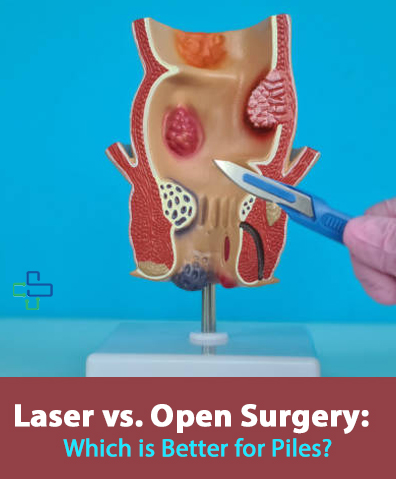
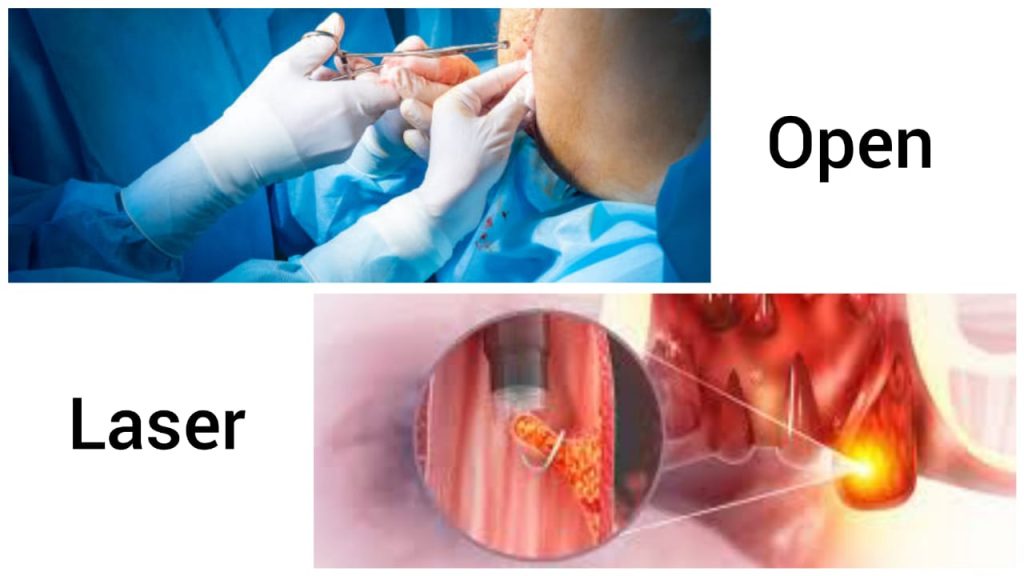
Open vs laser piles surgery
What is Laser Surgery for Piles?
Laser piles surgery is a minimally invasive procedure that uses a focused laser beam to shrink and seal hemorrhoidal tissue. This technique is becoming increasingly popular due to its precision, faster recovery time, and reduced post-operative discomfort.
Benefits of Laser Surgery:
Minimally Invasive: No major incisions or stitches, leading to a quicker and more comfortable healing process.
Less Pain and Discomfort: Patients experience significantly less post-surgical pain compared to traditional methods.
Faster Recovery: Most individuals can resume their daily activities within a few days.
Minimal Bleeding: The laser cauterizes blood vessels, reducing the risk of excessive bleeding.
Lower Risk of Infection: Since there are no large open wounds, the risk of post-surgical infections is minimal.
Higher Precision: The laser specifically targets the affected tissue, preserving surrounding healthy tissue.
Limitations of Laser Surgery:
Higher Cost:Piles Laser surgery is more expensive than traditional open surgery due to advanced technology and equipment.
Limited Suitability: Not recommended for very large or prolapsed hemorrhoids; severe cases may require additional interventions.
What is Open Surgery for Piles?
Open surgery, or hemorrhoidectomy, is the traditional method for treating severe piles. This procedure involves surgically removing the hemorrhoidal tissue using a scalpel or electrocautery, followed by suturing or leaving the wound open to heal naturally.
Benefits of Open Surgery:
Highly Effective for Severe Cases: Open surgery is preferred for large, prolapsed, or complicated hemorrhoids.
Lower Recurrence Rate: Since the affected tissue is completely removed, the chances of recurrence are significantly reduced.
Proven Long-Term Results: A well-established method with a high success rate.
Limitations of Open Surgery:
Longer Recovery Time: Healing can take several weeks, and patients may need to limit strenuous activities during this period.
More Post-Surgical Pain: The presence of incisions and sutures often leads to discomfort, requiring pain management.
Higher Risk of Infection: Open wounds take longer to heal and require careful hygiene to prevent complications.
Increased Bleeding: Compared to laser surgery, there is a higher likelihood of bleeding post-surgery.
Laser vs. Open Surgery: A Comparative Overview
Choosing between laser and open surgery depends on factors such as the severity of piles, patient preference, cost, and medical recommendation. Here’s a side-by-side comparison:
Feature
Laser Surgery
Open Surgery
Procedure Type
Minimally invasive
Traditional surgical removal
Pain Level
Minimal
Higher
Recovery Time
2-5 days
2-4 weeks
Bleeding Risk
Low
Higher
Infection Risk
Low
Higher
Suitability
Mild to moderate piles
Severe piles
Cost
Higher
More affordable
Which Procedure is Right for You?
Selecting the right piles treatment requires careful consideration of several factors:
Severity of Condition: Mild to moderate hemorrhoids are often better managed with laser surgery, whereas severe or prolapsed hemorrhoids may require open surgery.
Pain Tolerance & Recovery Time: Patients seeking a quicker, less painful recovery may prefer laser surgery, while those prioritizing a permanent solution for severe cases may opt for open surgery.
Cost Considerations: Laser piles surgery tends to be more expensive, whereas open surgery is a more affordable option.
Medical Advice: A consultation with a piles specialist in bhubaneswar or a colorectal surgeon is essential to assess individual needs and determine the most suitable procedure.
SimpleeKare’s Expertise in Laser Piles Surgery
At SimpleeKare Health, we specialize in laser piles surgery inBhubaneswar, offering a minimally invasive and highly effective treatment for hemorrhoids. Our expert proctologists use advanced laser technology to ensure:
Precise and targeted treatment for faster healing
Minimal discomfort and reduced pain post-surgery
Shorter hospital stays and faster recovery times
Lower risk of complications such as bleeding or infection
With state-of-the-art facilities and patient-centered care, SimpleeKare is a trusted choice for those seeking safe, reliable, and advanced piles laser treatment in Bhubaneswar.
Final Thoughts
Both laser and open surgery offer effective solutions for treating piles, each with its unique advantages. Laser piles surgery is ideal for those seeking a minimally invasive, low-pain, and quick-recovery option, while open piles surgery remains a trusted choice for severe cases requiring complete tissue removal.
At SimpleeKare Health, our expert doctors provide personalized consultations to help you choose the best piles treatment in Bhubaneswar for your condition. If you’re experiencing symptoms of piles and need professional guidance, schedule an appointment with us today.
Take control of your health— Call us at +91 9776414444 or +91 6371966229 and explore the best treatment options for lasting relief!