Category: Health

  • Cholera: Causes, Symptoms, Treatment & Prevention

    Cholera: Causes, Symptoms, Treatment & Prevention

    What is Cholera? A Doctor’s Guide to Staying Safe in 2025  

    Cholera is a potentially fatal bacterial disease affecting 1 to 4 million people annually, causing up to 143,000 deaths worldwide. Odisha has recently faced a severe cholera outbreak, with 24 deaths and over 2,500 people affected across nine districts.

    Caused by the bacterium Vibrio cholerae, cholera spreads through contaminated food and water, particularly in areas with poor sanitation. While many infected people remain asymptomatic, the disease can lead to severe dehydration and death without timely treatment.

    In this guide, we’ll cover the causes, symptoms, prevention strategies, and treatment options to help you and your community stay safe—especially during monsoon season when the risk in Odisha rises sharply.

    How Cholera Spreads  

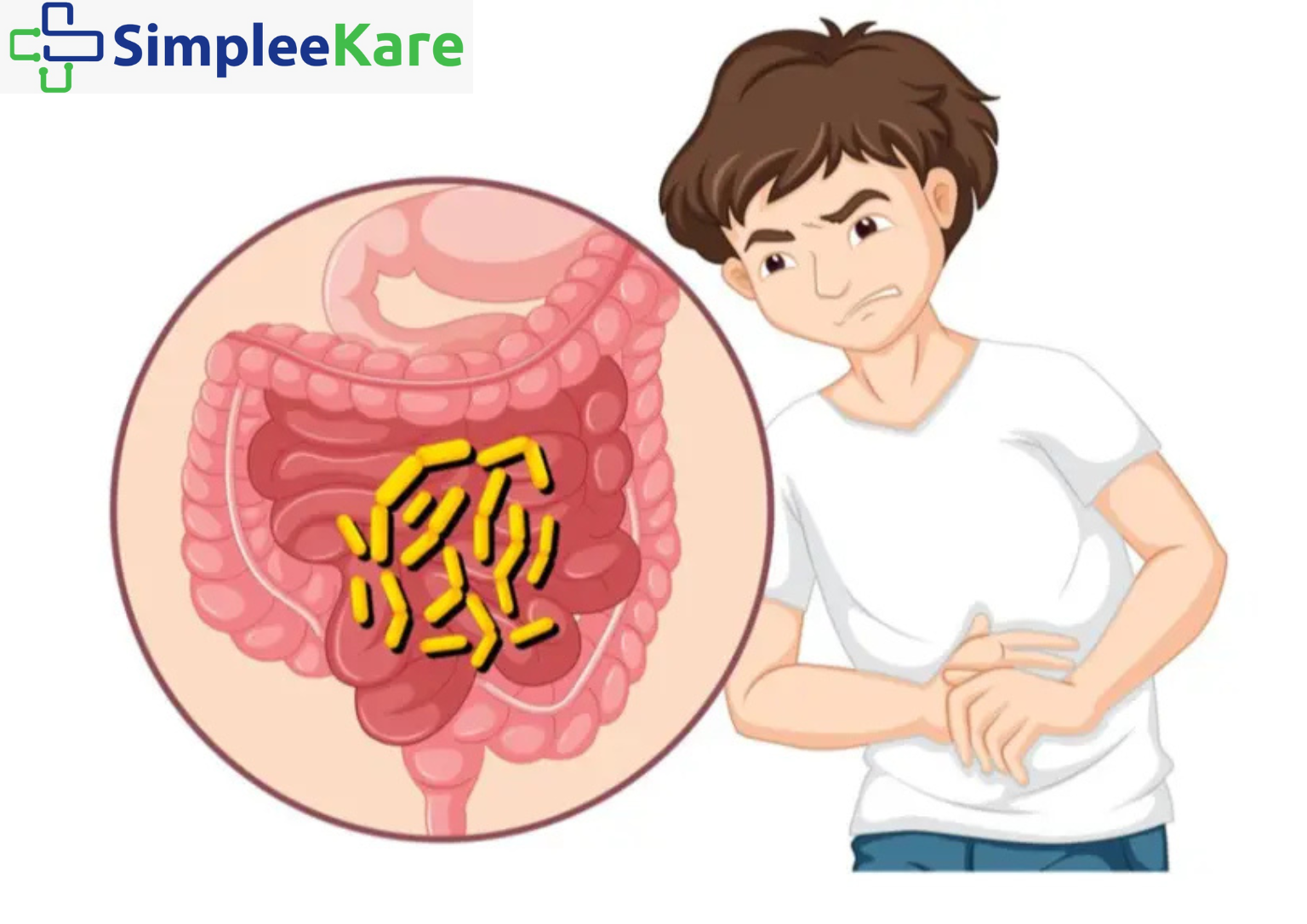
    Cholera is caused by the Vibrio cholerae bacterium, which infects the small intestine and produces toxins that trigger massive water loss from the body.

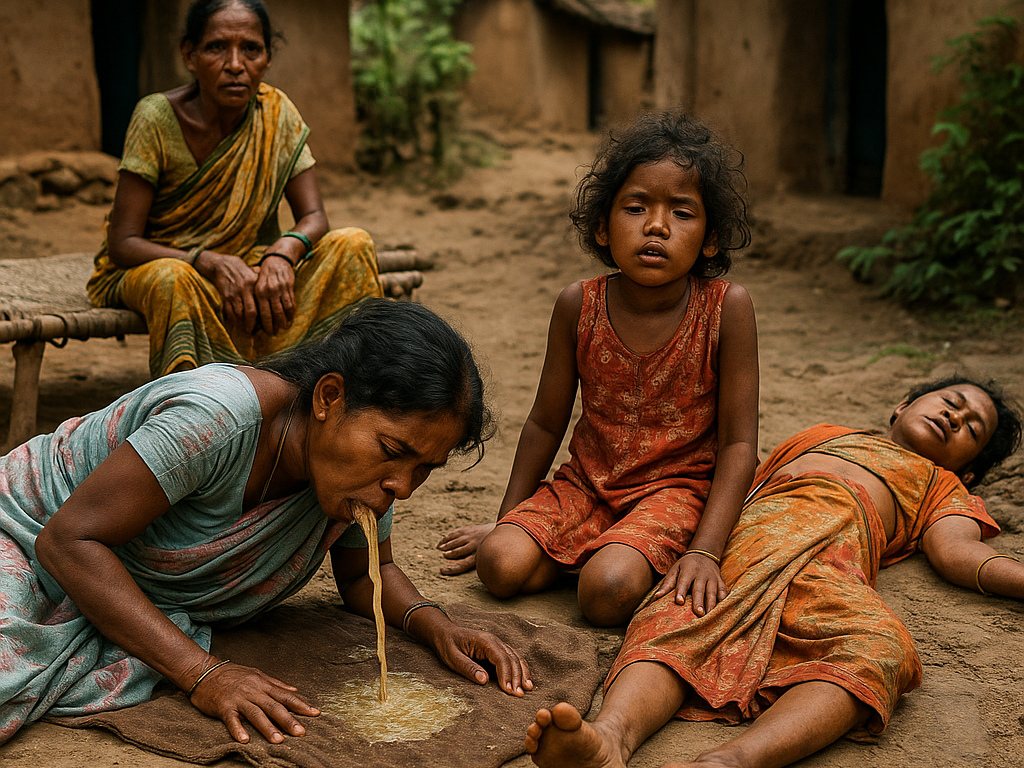
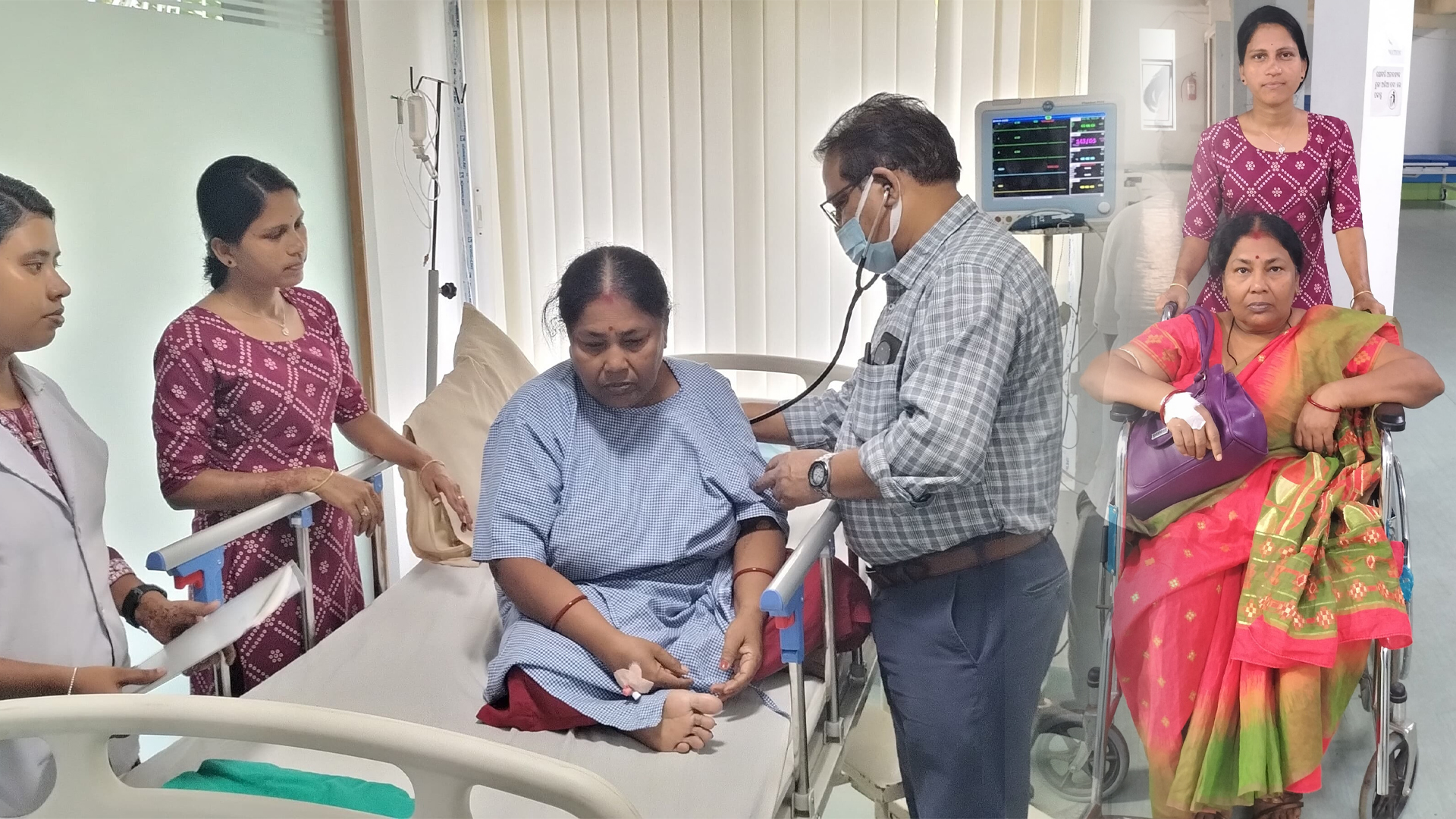
    cholera outbreak in odisha 2025
    Infection Process  

    After ingestion, the bacteria attach to the intestinal lining, releasing toxins that block normal fluid absorption. This leads to rapid dehydration and loss of vital electrolytes. Symptoms can appear within 12 hours to 5 days of exposure.

    Common Sources of Contamination  
    • Contaminated water – especially from public sources, wells, or floodwater
    • Raw or undercooked seafood – especially shellfish from polluted areas
    • Raw fruits/vegetables – grown or washed with contaminated water
    • Street food – particularly if hygiene standards are poor
    • Cooked grains like rice – left at room temperature for too long

    The risk of cholera outbreaks increases in Odisha during monsoons, when flooding contaminates water sources.

    Is Cholera Bacterial or Viral?  

    Cholera is a bacterial infection caused by toxigenic Vibrio cholerae strains, particularly serogroups O1 and O139. It does not spread through coughing or touching but requires ingestion of contaminated food or water.

    Recognizing Symptoms

    Early detection of cholera can save lives. Most cases are mild or asymptomatic, but about 1 in 10 people develop severe illness.

    Common Symptoms  
    • Sudden onset of watery diarrhea (“rice-water” appearance)
    • Vomiting, especially early in the infection
    • Leg cramps and muscle weakness
    • Irritability, restlessness, and rapid heart rate
    • Dehydration signs – dry mouth, sunken eyes, low skin elasticity

    What Are Rice-Water Stools?  

    This term refers to pale, milky diarrhea with a fishy odor and mucus streaks – a hallmark sign of cholera.

    When to Seek Help  

    Get immediate medical attention if you or someone shows:

    • 3+ loose stools in a day during an outbreak
    • Signs of dehydration (dry mouth, extreme thirst)
    • Rapid weight or fluid loss

    Severe dehydration can cause death in under 12 hours without treatment.

    Cholera Symptoms in Children  

    Children often have the same symptoms as adults but are more vulnerable to complications:

    • Faster heart rate
    • Lethargy or sleepiness
    • Sunken eyes or absence of tears
    • Risk of hypoglycemia (low blood sugar), which may lead to unconsciousness

    Parents in Odisha should be especially vigilant during monsoon months.

    Prevention: Stay Protected in 2025  

    Safe Water Practices  
    • Boil water for at least 1 minute before drinking
    • Use chlorine tablets or approved purification solutions
    • Use filters with 0.3-micron pores or smaller
    • Store water in clean, covered containers
    Food Hygiene Tips  
    • Follow: “Boil it, peel it, or leave it
    • Cook food thoroughly, especially seafood
    • Peel fruits and avoid eating raw unpeeled items
    • Reheat leftovers fully before eating
    Handwashing Matters  
    • Wash hands with soap and water before eating or preparing food
    • Wash after using toilets, cleaning children, or caring for the sick
    • Use 60%+ alcohol sanitizers if soap isn’t available
    Community Sanitation  
    • Use toilets or dig temporary latrines away from water sources
    • Don’t bathe or wash near drinking water points
    • Support local drives to chlorinate water tanks and promote hygiene

    Cholera Vaccination in Bhubaneswar : Who Needs It?  

    Oral cholera vaccines like Dukoral®, Euvichol-Plus®, and Vaxchora® offer short-term protection and are recommended for:

    • Residents of outbreak-prone areas
    • People in humanitarian crisis zones
    • Travelers to endemic regions

    However, vaccines are not a substitute for clean water and hygiene.

    Cholera Treatment & Emergency Actions  

    Oral Rehydration Solution (ORS)  

    ORS is the first line of treatment. It replaces lost fluids and electrolytes and can be made at home:

    • Mix 6 tsp sugar + ½ tsp salt in 1 liter of boiled water

    Children aged 6 months to 5 years should also receive zinc supplements for faster recovery.

    Antibiotics  

    Used in moderate to severe cases, antibiotics like:

    • Doxycycline
    • Azithromycin
    • Ciprofloxacin

    These reduce fluid loss and shorten illness duration.

    Intravenous (IV) Fluids  

    For those who lose over 10% of body weight in fluids, IV rehydration is necessary.
    Ringer’s lactate is typically used to restore electrolytes and prevent shock.

    What to Do if Symptoms Appear ?

    1. Start ORS immediately, even en route to a clinic
    2. Avoid sugary drinks – they worsen diarrhea
    3. Continue breastfeeding for infants
    4. Get medical help as soon as possible
    Precautions During an Outbreak  
    • Share verified information via radio, texts, or social media
    • Healthcare workers should use gloves, masks, and follow hand hygiene
    • Monitor symptoms closely in children and elderly
    Travel Tips to High-Risk Areas  
    • Carry ORS packets, chlorine tablets, and bottled water
    • Avoid raw food or unsealed water
    • Remember: “Boil it, cook it, peel it, or forget it

    Conclusion: Simple Steps Can Save Lives  

    Cholera continues to be a serious threat during Odisha’s monsoon season. But with basic preventive steps—like boiling water, practicing hygiene, and seeking early treatment—it can be controlled.

    SimpleeKare Health urges residents of Bhubaneswar and nearby areas to stay informed and take proactive steps. If you or a loved one experiences cholera symptoms, visit the nearest healthcare center or book an online consultation at SimpleeKare for immediate help.

  • Laser vs. Open Surgery: Which is Better for Piles?

    Laser vs. Open Surgery: Which is Better for Piles?

    Piles, also known as hemorrhoids, are swollen blood vessels in the rectal area that can cause pain, discomfort, itching, and bleeding. They can result from factors like chronic constipation, prolonged sitting, pregnancy, and straining during bowel movements. When conservative treatments such as dietary changes, medications, and lifestyle modifications do not provide relief, surgical intervention becomes necessary.

    Among the most effective surgical treatments for piles are laser surgery and open surgery. Understanding the differences between these procedures can help patients make an informed decision about the best treatment for their condition.

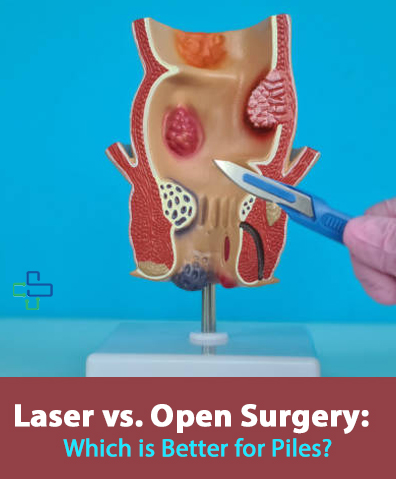
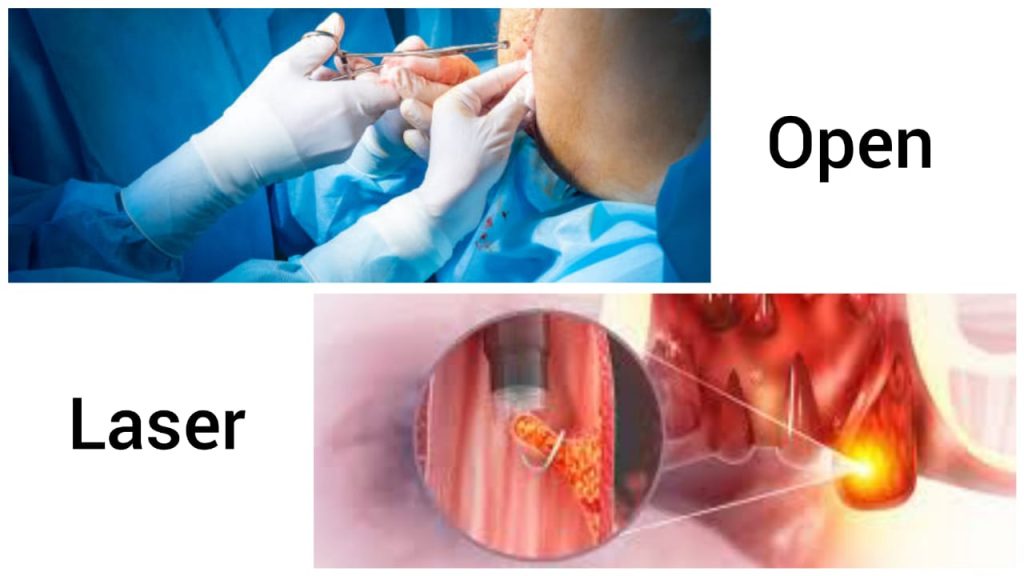
    Open vs laser piles surgery

    What is Laser Surgery for Piles?

    Laser piles surgery is a minimally invasive procedure that uses a focused laser beam to shrink and seal hemorrhoidal tissue. This technique is becoming increasingly popular due to its precision, faster recovery time, and reduced post-operative discomfort.

    Benefits of Laser Surgery:

    • Minimally Invasive: No major incisions or stitches, leading to a quicker and more comfortable healing process.
    • Less Pain and Discomfort: Patients experience significantly less post-surgical pain compared to traditional methods.
    • Faster Recovery: Most individuals can resume their daily activities within a few days.
    • Minimal Bleeding: The laser cauterizes blood vessels, reducing the risk of excessive bleeding.
    • Lower Risk of Infection: Since there are no large open wounds, the risk of post-surgical infections is minimal.
    • Higher Precision: The laser specifically targets the affected tissue, preserving surrounding healthy tissue.

    Limitations of Laser Surgery:

    • Higher Cost: Piles Laser surgery is more expensive than traditional open surgery due to advanced technology and equipment.
    • Limited Suitability: Not recommended for very large or prolapsed hemorrhoids; severe cases may require additional interventions.

    What is Open Surgery for Piles?

    Open surgery, or hemorrhoidectomy, is the traditional method for treating severe piles. This procedure involves surgically removing the hemorrhoidal tissue using a scalpel or electrocautery, followed by suturing or leaving the wound open to heal naturally.

    Benefits of Open Surgery:

    • Highly Effective for Severe Cases: Open surgery is preferred for large, prolapsed, or complicated hemorrhoids.
    • Lower Recurrence Rate: Since the affected tissue is completely removed, the chances of recurrence are significantly reduced.
    • Proven Long-Term Results: A well-established method with a high success rate.

    Limitations of Open Surgery:

    • Longer Recovery Time: Healing can take several weeks, and patients may need to limit strenuous activities during this period.
    • More Post-Surgical Pain: The presence of incisions and sutures often leads to discomfort, requiring pain management.
    • Higher Risk of Infection: Open wounds take longer to heal and require careful hygiene to prevent complications.
    • Increased Bleeding: Compared to laser surgery, there is a higher likelihood of bleeding post-surgery.

    Laser vs. Open Surgery: A Comparative Overview

    Choosing between laser and open surgery depends on factors such as the severity of piles, patient preference, cost, and medical recommendation. Here’s a side-by-side comparison:

    FeatureLaser SurgeryOpen Surgery
    Procedure TypeMinimally invasiveTraditional surgical removal
    Pain LevelMinimalHigher
    Recovery Time2-5 days2-4 weeks
    Bleeding RiskLowHigher
    Infection RiskLowHigher
    SuitabilityMild to moderate pilesSevere piles
    CostHigherMore affordable

    Which Procedure is Right for You?

    Selecting the right piles treatment requires careful consideration of several factors:

    • Severity of Condition: Mild to moderate hemorrhoids are often better managed with laser surgery, whereas severe or prolapsed hemorrhoids may require open surgery.
    • Pain Tolerance & Recovery Time: Patients seeking a quicker, less painful recovery may prefer laser surgery, while those prioritizing a permanent solution for severe cases may opt for open surgery.
    • Cost Considerations: Laser piles surgery tends to be more expensive, whereas open surgery is a more affordable option.
    • Medical Advice: A consultation with a piles specialist in bhubaneswar or a colorectal surgeon is essential to assess individual needs and determine the most suitable procedure.

    SimpleeKare’s Expertise in Laser Piles Surgery

    At SimpleeKare Health, we specialize in laser piles surgery in Bhubaneswar, offering a minimally invasive and highly effective treatment for hemorrhoids. Our expert proctologists use advanced laser technology to ensure:
    • Precise and targeted treatment for faster healing
    • Minimal discomfort and reduced pain post-surgery
    • Shorter hospital stays and faster recovery times
    • Lower risk of complications such as bleeding or infection

    With state-of-the-art facilities and patient-centered care, SimpleeKare is a trusted choice for those seeking safe, reliable, and advanced piles laser treatment in Bhubaneswar.

    Final Thoughts

    Both laser and open surgery offer effective solutions for treating piles, each with its unique advantages. Laser piles surgery is ideal for those seeking a minimally invasive, low-pain, and quick-recovery option, while open piles surgery remains a trusted choice for severe cases requiring complete tissue removal.

    At SimpleeKare Health, our expert doctors provide personalized consultations to help you choose the best piles treatment in Bhubaneswar for your condition. If you’re experiencing symptoms of piles and need professional guidance, schedule an appointment with us today.

    Take control of your health— Call us at +91 9776414444 or +91 6371966229 and explore the best treatment options for lasting relief!

  • Understanding Guillain-Barré Syndrome (GBS): Causes, Symptoms, Diagnosis, and Advanced Treatment at SimpleeKare Hospital

    Understanding Guillain-Barré Syndrome (GBS): Causes, Symptoms, Diagnosis, and Advanced Treatment at SimpleeKare Hospital

    Guillain-Barré Syndrome (GBS) is a rare but serious autoimmune condition affecting the peripheral nervous system. Named after French neurologists Georges Guillain and Jean Alexandre Barré, who first identified it in 1916, GBS occurs when the immune system mistakenly attacks the nerves. This leads to muscle weakness, tingling sensations, and, in severe cases, paralysis. Though uncommon, affecting about 1 to 2 people per 100,000 annually, GBS can be life-altering.

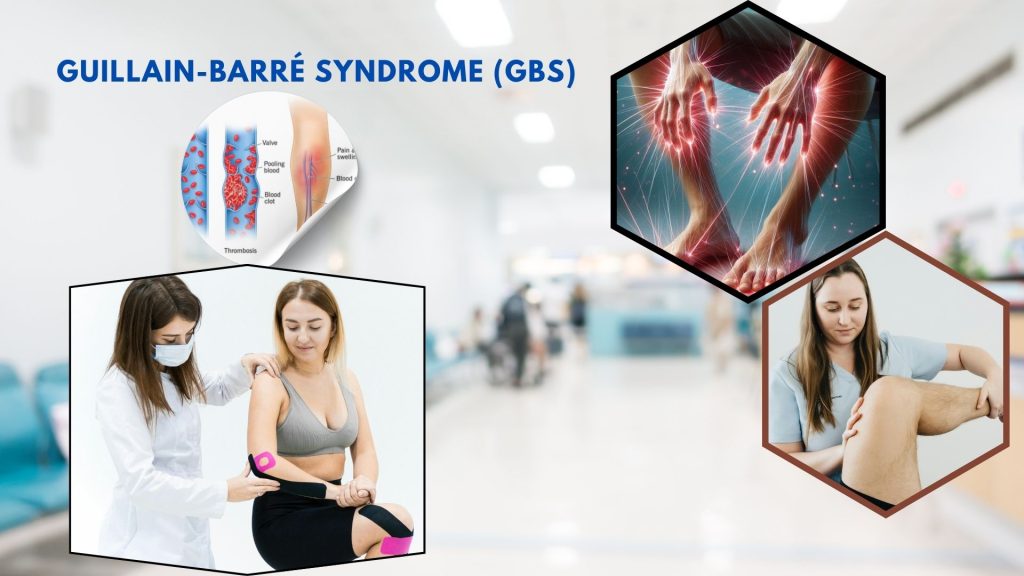
    Guillain-Barré Syndrome (GBS) Symptoms and Patient Experience

    This blog explores the causes, symptoms, diagnosis, and advanced treatment options for Guillain-Barré Syndrome(GBS), emphasizing the exceptional care available at SimpleeKare Hospital, a leading healthcare provider in Bhubaneswar.

    What Causes Guillain-Barré Syndrome?

    The exact cause of GBS is not fully understood, but it is often triggered by infections. Researchers believe that the immune system, which normally fights infections, mistakenly attacks the protective covering of nerves (myelin sheath) or the nerves themselves. This disrupts nerve signals, leading to Guillain-Barré Syndrome(GBS) symptoms.

    Common triggers include:

    In rare cases, GBS may also be linked to:

    • Recent surgery or trauma
    • Vaccinations (though the risk is extremely low)

    Risk Factors for Guillain-Barré Syndrome(GBS)

    While GBS can affect anyone, some factors increase the risk:

    Risk FactorDescription
    AgeMore common in adults, especially 50+
    GenderMen are slightly more affected than women
    Recent InfectionsRespiratory or gastrointestinal infections increase risk
    Surgery or TraumaIn rare cases, linked to medical procedures or injuries

    Symptoms of Guillain-Barré Syndrome

    GBS symptoms typically begin with weakness and tingling in the legs, spreading to the arms and upper body. Symptoms often peak within weeks.

    SymptomDescription
    Tingling & Numbness“Pins and needles” sensation in fingers, toes, ankles, or wrists
    Muscle WeaknessStarts in the legs, can spread to the arms and face
    Difficulty WalkingTrouble with balance and movement
    Severe PainAching, cramping, especially in back and legs
    Breathing IssuesCan occur in severe cases, requiring medical attention
    Facial WeaknessDifficulty speaking, chewing, or swallowing

    Diagnosis of Guillain-Barré Syndrome

    Diagnosing GBS requires detailed assessment by a neurologist. The process includes:

    Diagnostic TestPurpose
    Clinical ExamChecks muscle strength, reflexes, and coordination
    Lumbar PunctureAnalyzes cerebrospinal fluid for elevated protein levels
    Electromyography (EMG)Measures nerve activity for damage assessment
    Nerve Conduction StudiesEvaluates how well electrical signals travel through nerves

    At SimpleeKare Hospital, we use advanced diagnostic tools for accurate and timely diagnosis. As the Best Diagnostic Centre in Bhubaneswar, we offer comprehensive testing, including pathology and imaging, ensuring precision in every diagnosis.

    Advanced Treatment Options at SimpleeKare Hospital

    While Guillain-Barré Syndrome(GBS) has no cure, early treatment can improve recovery and reduce complications. The most effective treatments include:

    TreatmentDescription
    Intravenous Immunoglobulin (IVIG)Injects healthy antibodies to block harmful immune response
    Plasma Exchange (Plasmapheresis)Removes harmful antibodies from the blood
    Mechanical VentilationSupports breathing in severe cases
    Physical TherapyPersonalized rehab programs to regain strength and mobility
    Pain ManagementAdvanced medications to alleviate nerve pain
    Psychological SupportCounseling and support groups for emotional well-being

    Recovery and Prognosis

    Recovery from Guillain-Barré Syndrome(GBS) varies among patients. While some improve within weeks, full recovery may take months or years.

    Recovery PhaseDescription
    Initial RecoverySome improvement seen within weeks
    Long-Term Recovery80% of patients walk independently within six months
    Residual EffectsSome may experience lasting weakness or fatigue

    At SimpleeKare Hospital, our multidisciplinary team ensures comprehensive support throughout the recovery process, helping patients regain mobility and independence.

    Why Choose SimpleeKare Hospital for Guillain-Barré Syndrome(GBS) Treatment?

    We are committed to providing world-class care for Guillain-Barré Syndrome(GBS) patients through:

    ServiceDescription
    Expert NeurologistsLeading specialists for accurate diagnosis and treatment
    Convenient Online AppointmentsEasy booking for consultations and follow-ups
    Top Diagnostic ServicesAdvanced pathology and imaging for precise results
    Home Sample CollectionHassle-free blood test services at your doorstep

    Conclusion

    GBS is a rare but serious condition requiring prompt medical attention. While recovery can be challenging, early intervention, advanced treatments, and rehabilitation can lead to positive outcomes. If you or a loved one experiences Guillain-Barré Syndrome(GBS) symptoms, seek medical help immediately.

    At SimpleeKare Hospital, we are dedicated to raising awareness and providing exceptional care for Guillain-Barré Syndrome(GBS) patients. Contact our experts today for consultation and diagnosis.

    📞 Book an Appointment: +91 9776414444 | +91 6371966229

    Disclaimer

    This blog is for educational purposes only and should not replace professional medical advice. Consult a qualified healthcare provider for personalized guidance.

  • Safe & Advanced Circumcision Surgery at SimpleeKare Hospital in Bhubaneswar

    Safe & Advanced Circumcision Surgery at SimpleeKare Hospital in Bhubaneswar

    In today’s world, modern surgical techniques ensure safer and more comfortable medical procedures. phimosis surgery hospital near me is one such procedure that can be necessary for medical, personal, or religious reasons. At SimpleeKare Hospital, we offer advanced circumcision solutions, including the latest ZSR circumcision in Bhubaneswar, ensuring a painless and efficient experience. Whether you need circumcision for phimosis treatment or other medical concerns, our expert doctors provide safe and reliable care.

    Why Choose SimpleeKare for Circumcision Surgery in Bhubaneswar?

    Here’s why patients in Bhubaneswar trust SimpleeKare for circumcision and phimosis treatment:

    • Advanced phimosis surgery bhubaneswar: We offer the latest ZSR stapler circumcision, a minimally invasive, bloodless, and painless procedure ensuring quick recovery.
    • Expert Surgeons: Our experienced urologists and surgeons provide safe and effective phimosis clinic near me – Simpleekare health
    • Painless & Stitchless Procedure: With advanced technology, our circumcision treatments ensure minimal discomfort and faster healing.
    • Same-Day Discharge: Get treated and return home on the same day with our daycare circumcision surgery.
    • Affordable & Transparent Pricing: SimpleeKare offers cost-effective phimosis treatment and circumcision surgery without compromising quality.
    • Comprehensive Post-Surgery Care: We provide detailed aftercare guidance and follow-up consultations to ensure a smooth recovery.

    Understanding Phimosis and Its Treatment

    Phimosis is a condition where the foreskin is too tight to be pulled back over the glans of the penis. If left untreated, it can cause discomfort, infections, and urinary problems. At SimpleeKare, we offer effective phimosis treatment in Bhubaneswar, including both medical and surgical options such as:

    • Medication & Stretching Exercises: For mild cases, topical creams and foreskin stretching techniques can help.
    • Preputioplasty: A surgical alternative that preserves the foreskin while resolving tightness.
    • tight foreskin home solution: The most effective solution for recurrent phimosis, balanitis, or other complications.
    • phimosis surgery bhubaneswar : A modern, painless, and bloodless circumcision technique with faster recovery and excellent cosmetic results.

    Benefits of ZSR Circumcision in Bhubaneswar

    ZSR circumcision is a revolutionary stapler-based technique that offers numerous advantages over traditional circumcision:

    • Painless & Bloodless Procedure: Uses a specialized stapler to remove the foreskin with minimal bleeding.
    • Quick Healing: Faster recovery compared to conventional methods, with most patients resuming normal activities within a few days.
    • Better Aesthetic Results: Provides a clean and even incision with superior cosmetic outcomes.
    • Minimal Risk of Infection: The stapler method reduces post-surgical complications and infections.
    • Outpatient Surgery: The procedure is completed in just 15–30 minutes, and patients can return home the same day.

    Why Consider Circumcision?

    Circumcision is recommended for various reasons, including:

    • Medical Needs: Treatment for phimosis, balanitis, recurrent infections, or paraphimosis.
    • Hygiene Benefits: Easier genital hygiene, reducing the risk of infections and STDs.
    • Religious or Cultural Reasons: Circumcision is practiced in many cultures and religions worldwide.
    • Improved Sexual Health: Studies suggest circumcision may lower the risk of certain infections and improve comfort.
    stapler / zsr circumcision surgery

    How to Book Your Circumcision Surgery in Bhubaneswar

    Booking your circumcision procedure at SimpleeKare is easy and convenient:

    Still have questions? Watch our doctor explain everything about phimosis and ZSR circumcision:

    If you’re looking for safe, advanced, and affordable circumcision surgery in Bhubaneswar, SimpleeKare Health is your trusted partner. Our expert team ensures a seamless experience with the latest techniques like ZSR circumcision. Don’t let phimosis or related conditions affect your quality of life—schedule your consultation today and take the first step toward better health!

    Looking for a Circumcision Hospital Near Me? Visit SimpleeKare for Expert Phimosis Care

  • How to Detect Early Signs of Uterine Problems: A Guide to Preventing Hysterectomy

    How to Detect Early Signs of Uterine Problems: A Guide to Preventing Hysterectomy

    The uterus plays a crucial role in a woman’s reproductive system, and any problems with it can significantly impact her overall health. While a hysterectomy, the surgical removal of the uterus, is sometimes necessary for severe uterine conditions, it is often considered a last resort. Detecting early signs of uterine issues can help avoid unnecessary surgery and preserve a woman’s health. This guide discusses how to detect early symptoms, when a hysterectomy may be required, and ways to prevent unnecessary procedures, with a focus on best hysterectomy surgeons in India and treatment options.

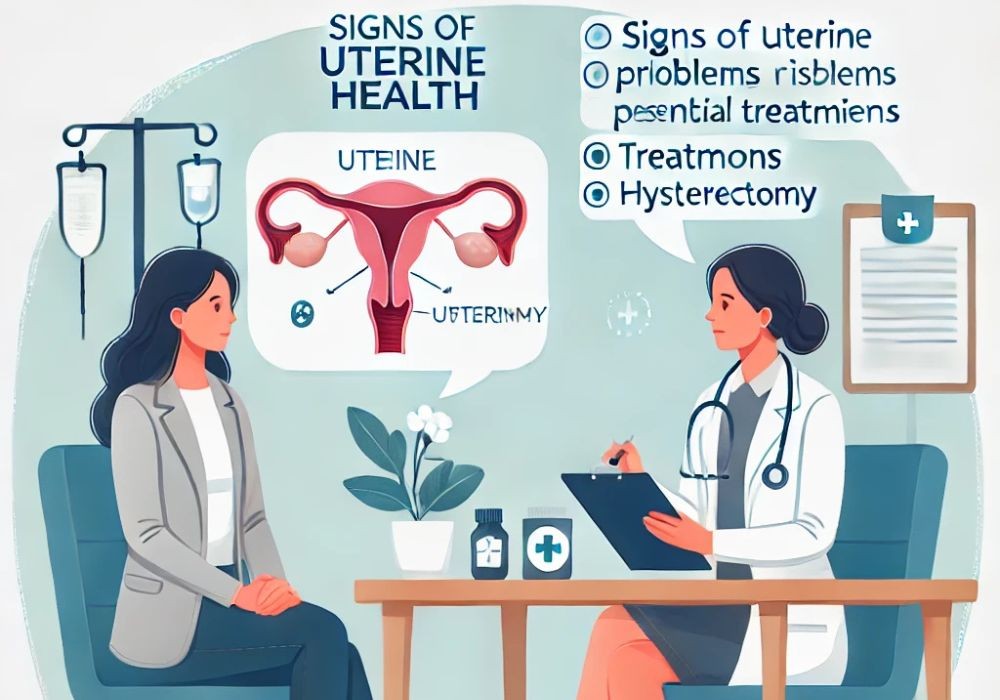
    Doctor and patient discussing uterine health

    1. Symptoms Before Hysterectomy Surgery

    Early recognition of uterine problems can help prevent a hysterectomy. Some common symptoms that may indicate the need for this surgery include:

    1.1. Chronic Pelvic Pain

    Persistent pelvic pain that doesn’t improve with treatment could signal uterine problems such as fibroids, endometriosis, or uterine prolapse. If the pain becomes severe and non-surgical treatments don’t help, hysterectomy surgery for fibroids may be necessary.

    1.2. Abnormal Bleeding

    Heavy, prolonged, or irregular menstrual bleeding is a major sign that a woman might need hysterectomy surgery for heavy bleeding. Conditions like fibroids, endometrial hyperplasia, or uterine cancer can cause this. If other treatments fail to stop the bleeding, a hysterectomy may be the best option.

    1.3. Uterine Prolapse

    Uterine prolapse occurs when the uterus descends into the vaginal canal, causing pressure, urinary problems, and bowel issues. In severe cases, hysterectomy surgery may be required.

    1.4. Uterine Cancer

    For uterine cancer, a hysterectomy is often the primary treatment. If detected early, this surgery can be highly effective in treating the condition.

    1.5. Fibroids Not Responding to Treatment

    Fibroids are non-cancerous growths in the uterus that can cause pain, bleeding, and bloating. If these fibroids become large and other treatments don’t work, a hysterectomy surgery for fibroids may be necessary.

    best hysterectomy lady surgeon in Bhubaneswar

    2. Best Hysterectomy Surgeons in India

    Choosing the right surgeon is critical when undergoing a hysterectomy. Best hysterectomy surgeons in India have the necessary experience, skill, and a patient-first approach. At SimpleeKare Hospital, we are proud to offer some of the most skilled surgeons in the field, known for their expertise in performing laparoscopic and open hysterectomies.

    3. Best Hospitals for Hysterectomy Surgery

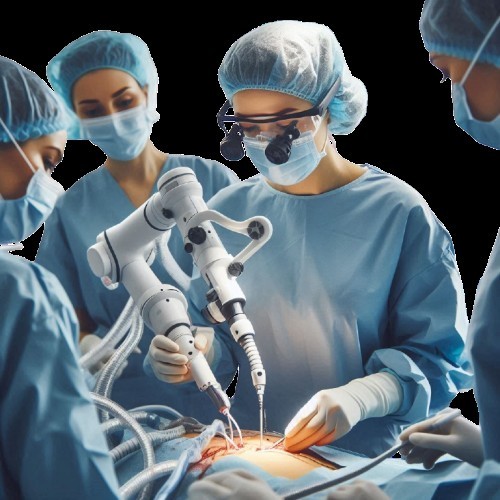
    Selecting the right hospital is essential. SimpleeKare Hospital, located in Bhubaneswar, is one of the best hospitals for hysterectomy surgery in India. Our state-of-the-art facilities, experienced surgeons, and patient-centric care ensure high-quality treatment for uterine issues. We specialize in complex surgeries, including laparoscopic and robotic hysterectomies, offering personalized care at every stage.

    4. Hysterectomy Surgery and Menopause Symptoms

    One major side effect of hysterectomy, especially when the ovaries are removed, is the onset of menopause. Women may experience symptoms like hot flashes, mood swings, vaginal dryness, and night sweats. Consulting with your doctor about these symptoms is essential. Hormone replacement therapy (HRT) can help manage these changes for many women.

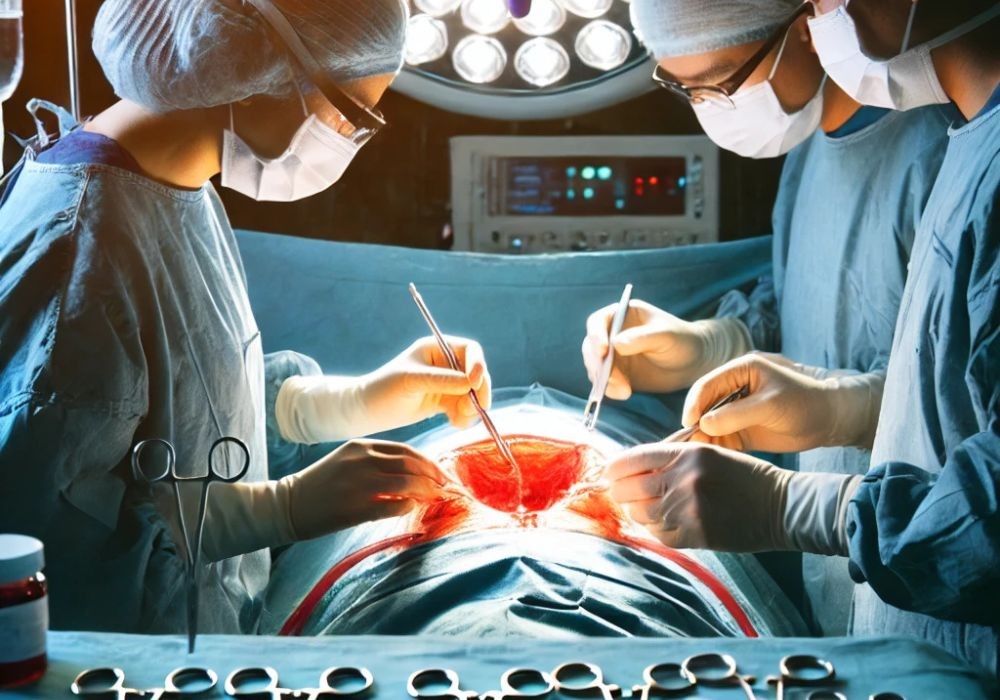
    Hysterectomy surgery in progress in an operating room

    5. Risks of Uterus Removal Surgery

    Like any major surgery, uterus removal surgery carries risks. These include:

    • Infection: Infection can occur at the incision site or inside the pelvic region.
    • Blood Clots: Post-surgery blood clots can lead to conditions like deep vein thrombosis (DVT).
    • Damage to Nearby Organs: Accidental damage to organs like the bladder, bowel, or ureters can happen during the procedure.
    • Hormonal Changes: Removal of the ovaries leads to a rapid drop in hormones, potentially causing early menopause.

    To minimize these risks, choose an experienced surgeon and hospital, like SimpleeKare Hospital, where infection control protocols and personalized care are top priorities.

    6. Hysterectomy Surgery Success Rates

    The success rate for hysterectomy surgery is generally high. Most women experience relief from symptoms such as heavy bleeding and pelvic pain after the procedure. Factors like the type of surgery (laparoscopic or open), the woman’s health, and the surgeon’s experience affect success rates. SimpleeKare Hospital has a high success rate for hysterectomies, thanks to our skilled team and advanced medical technology.

    7. Affordable Hysterectomy Surgery Options

    The cost of uterus removal surgery can vary. Many women seek affordable options that don’t compromise on quality. At SimpleeKare Hospital, we offer affordable hysterectomy surgery options with transparent pricing. The cost of hysterectomy surgery in Bhubaneswar is competitive, and we strive to make the procedure as affordable as possible for our patients.

    Laparoscopic Hysterectomy Surgery Cost in India

    Laparoscopic hysterectomy, a minimally invasive procedure, is typically more expensive than traditional surgery due to the technology involved. However, it offers benefits like shorter recovery time, less pain, and smaller incisions. If you’re considering this option, SimpleeKare Hospital offers this service with highly affordable pricing.

    8. Hysterectomy Recovery Tips and Guidelines

    Recovery after a hysterectomy can vary, but there are general guidelines to ensure a smooth recovery:

    • Follow Medical Instructions: Adhere to your doctor’s advice, take prescribed medications, and attend follow-up appointments.
    • Rest and Stay Hydrated: Proper rest and hydration are essential for healing.
    • Avoid Physical Strain: For the first few weeks, refrain from strenuous activities and heavy lifting.
    • Seek Emotional Support: Emotional shifts are common after a hysterectomy, especially if the ovaries are removed. Support from family, friends, or a counselor can be beneficial.

    9. Post-Operative Care After Hysterectomy

    Proper post-operative care is essential for a successful recovery. At SimpleeKare Hospital, we provide comprehensive aftercare to ensure that patients recover quickly and safely following a hysterectomy.

    10. Life After Hysterectomy: What to Expect

    After a hysterectomy, many women experience an improved quality of life as symptoms like heavy bleeding and chronic pelvic pain are alleviated. However, it’s important to be aware of potential changes, such as the onset of menopause and emotional shifts. With proper care and consultation with your healthcare provider, you can manage these changes and continue to lead an active life.

    Hysterectomy surgery can be life-changing for women suffering from severe uterine problems. Early detection of uterine issues and exploring less invasive treatments can help prevent unnecessary hysterectomies. If surgery is required, selecting the best hysterectomy surgeon in Bhubaneswar and a trusted hospital like SimpleeKare Hospital ensures a successful outcome. From affordable pricing to expert care, SimpleeKare is committed to providing the best possible treatment for women.

    For more information on uterus removal surgery cost in Bhubaneswar, best hysterectomy surgeons near me, or to book a consultation, visit SimpleeKare Hospital‘s website www.simpleekare.com today.

  • Ingrown Toenails: Causes, Pain Relief, and When to See a Specialist

    Ingrown Toenails: Causes, Pain Relief, and When to See a Specialist

    An ingrown toenail can be a frustrating and painful condition that affects people of all ages. Whether it’s a mild annoyance or a more severe issue, understanding the causes, effective pain relief methods, and when to seek help from an ingrown toenail specialist is essential. In this blog, we’ll cover everything you need to know about ingrown toenails and how to manage them.

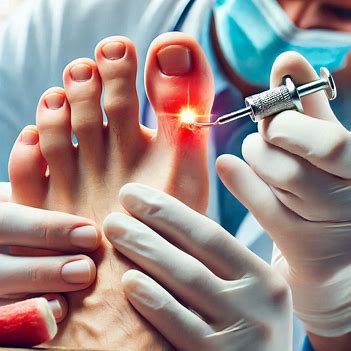
    Ingrown toenail removal surgery

    What is an Ingrown Toenail?

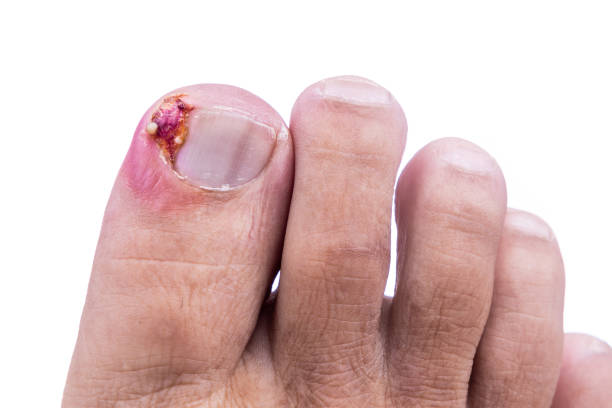
    An ingrown toenail occurs when the edge of a toenail grows into the surrounding skin, leading to redness, swelling, and discomfort. The big toe is most commonly affected, but this condition can occur on any toe.


    Ingrown Toenail Causes

    Several factors can contribute to the development of an ingrown toenail, including:

    1. Improper Nail Trimming
      Cutting nails too short or rounding the edges can encourage the nail to grow into the skin.
    2. Ill-Fitting Footwear
      Shoes that are too tight or narrow put excessive pressure on the toes, increasing the likelihood of an ingrown toenail.
    3. Genetics
      Some people are predisposed to ingrown toenails due to the natural shape or curvature of their nails.
    4. Trauma
      Stubbing your toe or injuring it can cause the nail to grow abnormally, leading to ingrowth.
    5. Poor Foot Hygiene
      Not keeping feet clean and dry can create a breeding ground for bacteria and make the condition worse.

    Ingrown Toenail Pain Relief

    If you’re dealing with discomfort, there are several steps you can take at home to alleviate pain:

    1. Warm Soaks
      Soak your foot in warm, soapy water or a saline solution for 15-20 minutes, 2-3 times a day. This softens the skin and reduces inflammation.
    2. Proper Footwear
      Avoid tight shoes and opt for open-toed or loose-fitting footwear to reduce pressure on the affected toe.
    3. Over-the-Counter Pain Relievers
      Non-prescription pain medications like ibuprofen or acetaminophen can help manage pain and reduce swelling.
    4. Topical Antibiotics
      Applying an antibiotic cream can prevent infection and promote healing.
    5. Elevate the Nail
      Gently place a small piece of cotton or dental floss under the edge of the nail to encourage it to grow above the skin.

    Ingrown Toenail Treatment

    While mild cases of ingrown toenails can often be treated at home, more severe cases may require medical intervention. Treatment options include:

    1. Partial Nail Removal
      A podiatrist may remove the part of the nail causing the problem. This is often done under local anaesthesia.
    2. Nail Matrixectomy
      For recurring ingrown toenails, the nail bed may be partially or fully removed to prevent regrowth.
    3. Drainage of Infection
      If the area is infected, the foot and ankle specialist may drain pus and prescribe antibiotics.
    4. Orthotic Devices
      In some cases, custom orthotics can help distribute pressure evenly and prevent future issues.

    When to See an Ingrown Toenail Specialist

    It’s important to seek professional care if:

    • Home Remedies Aren’t Helping: Persistent pain or swelling may require expert treatment.
    • Signs of Infection Are Present: Redness, pus, or warmth around the nail could indicate an infection that needs medical attention.
    • You Have a Chronic Condition: People with diabetes, peripheral vascular disease, or compromised immune systems should consult a foot and ankle specialist promptly to avoid complications.

    Prevention Tips

    To minimize the risk of ingrown toenails:

    • Trim your nails straight across and avoid cutting them too short.
    • Wear shoes that provide ample room for your toes.
    • Practice good foot hygiene and regularly inspect your feet.

    Conclusion

    Ingrown toenails can be painful, but with the right approach, they’re highly manageable. Understanding the causes and knowing how to provide effective pain relief at home can make a big difference. However, if the condition worsens or becomes recurrent, consulting an ingrown toenail specialist ensures you receive the proper treatment. Don’t let an ingrown toenail hold you back—take steps to care for your feet today!

  • Endometriosis: Symptoms, Causes and Treatment Options

    Endometriosis: Symptoms, Causes and Treatment Options

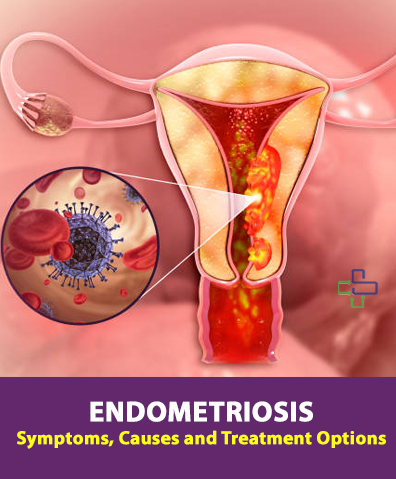
    Endometriosis is a chronic, often painful disorder where tissue similar to the lining inside the uterus grows outside the uterus, causing inflammation, scar tissue, and, in some cases, infertility. Affecting more than 176 million women worldwide, it’s estimated that over 1 in 10 women may have this condition, but the actual number could be significantly higher due to underreporting, misdiagnosis, and a lack of accessible diagnostic methods. The condition is now recognized as one of the largest women’s health crises of our time. Here, we break down endometriosis symptoms, causes, effects, and treatment options to help increase understanding and support for those affected.

    Endometriosis treatment in bhubameswar

    Common Symptoms of Endometriosis

    Endometriosis symptoms vary, but common signs include:

    • Severe menstrual cramps and pelvic pain
    • Pain during intercourse
    • Painful bowel movements or urination, especially during menstruation
    • Heavy menstrual bleeding or spotting between periods
    • Infertility (Endometriosis affects 30-50% of women facing infertility)
    • Chronic fatigue and digestive issues like bloating and nausea

    These symptoms can range from mild to severe and often worsen over time, making early diagnosis crucial.

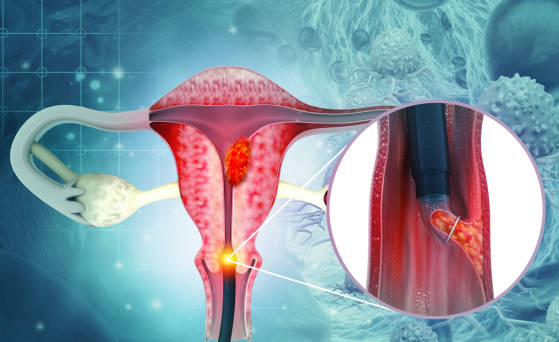
    Endometriosis surgery in Bhubaneswar

    Why Endometriosis Goes Undiagnosed for So Long

    On average, it takes 7–10 years for endometriosis to be accurately diagnosed. This extended wait time can be attributed to factors like a lack of non-surgical diagnostic tools and a tendency in society to downplay or dismiss women’s pain. This delay can severely impact quality of life and fertility outcomes, as the condition often worsens without proper treatment.

    What Causes Endometriosis?

    The exact cause of endometriosis remains unclear, but several factors may contribute to its development:

    1. Retrograde Menstruation: Menstrual blood flows back through the fallopian tubes into the pelvic cavity instead of leaving the body, allowing endometrial cells to grow outside the uterus.
    2. Genetics: Women with a family history of endometriosis are at higher risk, suggesting a genetic link.
    3. Immune System Disorders: A weakened immune system may fail to identify and destroy endometrial tissue growing outside the uterus.
    4. Hormonal Imbalance: Higher levels of estrogen can promote the growth of endometrial tissue.
    5. Environmental Factors: Exposure to certain toxins, like dioxins, may also increase the risk of endometriosis.

    Understanding these causes can aid in prevention and help women recognize potential symptoms sooner.

    Risk Factors: Family History & Genetic Links

    Women who have a close relative with endometriosis are 2–3 times more likely to develop it themselves, highlighting a genetic component to the disorder. While researchers are working to better understand these genetic links, the heritable aspect means that women with family members affected by this should be especially vigilant about symptoms.

    Effects of Endometriosis on Health and Lifestyle

    The effects of endometriosis extend beyond physical pain, impacting various aspects of a woman’s life:

    1. Chronic Pain: Severe pain from endometriosis often limits daily activities, affecting productivity and overall well-being.
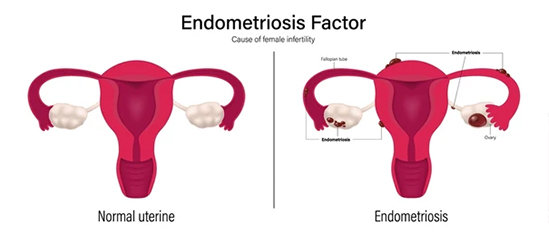
    2. Infertility: The condition can lead to blocked fallopian tubes, preventing egg and sperm from meeting. Up to half of the women with endometriosis face fertility challenges.
    3. Mental Health: Chronic pain and infertility struggles can lead to depression, anxiety, and stress.
    4. Reduced Quality of Life: Endometriosis can make it difficult to maintain a normal work-life balance, leading to missed days at work or school.
    5. Financial Strain: Treatment, pain management, and potential surgeries can impose a significant financial burden on women and their families.

    Addressing these effects with timely treatment and support can help women manage the condition more effectively.

    Endometriosis surgery -causes of infertiliy

    Economic and Productivity Impact

    It isn’t just a physical and emotional burden; it also carries a significant economic impact. Studies estimate that women with endometriosis lose approximately 10 hours of productivity per week due to the condition. This has far-reaching implications, not only for the women affected but also for employers and healthcare systems globally.

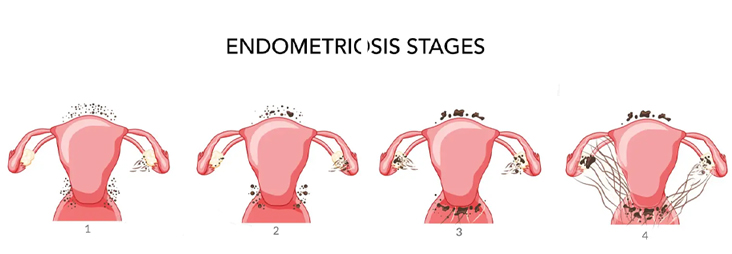
    Stages of Endometriosis

    The severity of endometriosis is classified into four stages by the American Society for Reproductive Medicine:

    1. Stage I (Minimal): Few, superficial implants with no scar tissue.
    2. Stage II (Mild): More extensive implants but limited scarring.
    3. Stage III (Moderate): Many deep implants and small cysts on ovaries.
    4. Stage IV (Severe): Large cysts, extensive scarring, and possible organ involvement.

    The staging helps doctors create a tailored treatment plan to manage symptoms effectively.

    Endometriosis surgery in bhubaneswar

    Treatment Options for Endometriosis

    While there’s no cure for endometriosis, treatments are available to alleviate symptoms and improve quality of life:

    • Hormonal Therapy: Birth control pills or hormonal IUDs help manage symptoms by reducing or stopping menstrual flow.
    • Pain Relief: NSAIDs, such as ibuprofen, are commonly used for pain management.
    • Surgery: In severe cases, laparoscopy is performed to remove endometrial tissue and cysts.
    • Fertility Treatment: Assisted reproductive technologies like IVF can help women with endometriosis conceive.

    Women should work closely with healthcare providers to determine the best treatment approach, which may combine medical, hormonal, and lifestyle modifications.

    Myths and Facts:

    Misconceptions surrounding endometriosis contribute to delayed diagnosis and treatment. Here are a few common myths debunked:

    • Myth: Endometriosis pain is just “bad cramps.”
      • Fact: Endometriosis pain is more intense and persistent than typical cramps.
    • Myth: Pregnancy cures endometriosis.
      • Fact: While pregnancy may relieve symptoms temporarily, it is not a cure.
    • Myth: Endometriosis is rare.
      • Fact: Endometriosis is widespread but underdiagnosed due to lack of awareness and accessible diagnostics.

    Addressing Social Stigma and Raising Awareness

    Endometriosis often goes undiscussed, leaving women feeling isolated and without support. Increased awareness, education, and resources can help reduce stigma, ensuring women receive the medical attention and community support they need.

    Conclusion: Prioritizing Women’s Health with SimpleeKare Health

    Endometriosis is more than just a “women’s health issue”; it’s a global crisis impacting millions. With increased awareness, proper diagnosis, and accessible treatment options, women can regain control over their health and lives.

    At SimpleeKare Health, we understand the unique challenges of endometriosis and are dedicated to providing compassionate care. Our team of skilled gynecologists is here to support you on your health journey with personalized treatment plans and resources to help you manage this condition effectively.

    Take control of your health—reach out to SimpleeKare Health to consult with our best gynecologists and discover treatment options that work for you.

  • A Remarkable Case of Laser Treatment for Anal Fissure at SimpleeKare Hospital, Bhubaneswar

    A Remarkable Case of Laser Treatment for Anal Fissure at SimpleeKare Hospital, Bhubaneswar

    At SimpleeKare Hospital, we recently treated an anal fissure patient Mrs. Asha Manjari Nayak, a 60-year-old woman from Bhubaneswar, who had been enduring severe pain and bleeding. After weeks of struggling with this condition and finding no relief through conventional treatments, she turned to us for a more advanced solution. Under the skilled care of Dr. Purna Chandra Sahoo, she underwent laser surgery, which successfully removed the fissure and allowed her to recover quickly. This case highlights how combining modern medical technology with personalized patient care can bring lasting relief and improve lives.

    Patient: Mrs. Asha Manjari Nayak
    Age: 60
    Weight: 70 kg
    Date of Surgery: 21st October 2024
    Surgeon: Dr. Purna Chandra Sahoo, Senior Surgeon

    Successful Anal Fissure Surgery, Bhubaneswar

    Anal Fissure Patient’s Background:

    Mrs. Asha Manjari Nayak, a 60-year-old resident of Bhubaneswar, was facing considerable distress due to the symptoms of an anal fissure, a small tear in the lining of the anal canal. Weighing 70 kg and experiencing excruciating pain during bowel movements, accompanied by bleeding, Mrs. Nayak’s quality of life had significantly deteriorated. This led her to seek specialized care at SimpleeKare Hospital, Bhubaneswar.

    Diagnosis and Consultation:

    Upon her visit, Mrs. Nayak was evaluated by senior surgeon Dr. Purna Chandra Sahoo, who diagnosed her with an acute anal fissure. The condition had caused a tear in the skin, leading to constant pain and bleeding. Given her ongoing symptoms and the failure of conservative treatments, Dr. Sahoo recommended surgical intervention, specifically laser surgery, to provide effective and lasting relief.

    Why Laser Surgery?

    Laser surgery was chosen for its precision, minimal invasiveness, and faster recovery time. Unlike traditional surgery, laser treatment offers several advantages, such as reduced pain, minimal scarring, and a quicker return to daily activities. For a patient like Mrs. Nayak, who was suffering from persistent symptoms and discomfort, laser surgery for this anal fissure presented the best option for a swift and efficient solution.

    The Surgical Procedure:

    On 21st October 2024, Mrs. Nayak underwent the laser procedure at SimpleeKare Hospital, Bhubaneswar. The surgery lasted just 30 minutes, during which Dr. Sahoo used laser technology to carefully remove the fissure, ensuring no damage to the surrounding tissues. This precise method of treatment helped control bleeding, alleviate pain, and promote healing in a much shorter period than conventional surgery.

    Anal Fissure Operation

    Post-Operative Recovery:

    Mrs. Nayak’s post-surgery recovery was smooth and uncomplicated. She was discharged within a day, a testament to the efficiency of the laser treatment. Upon discharge, she reported a significant reduction in pain and discomfort, with no further bleeding. Dr. PC Sahoo advised her to maintain a balanced, fiber-rich diet and stay hydrated to ensure proper healing and prevent future fissures.

    The focus on nutrition is vital in preventing constipation, which is often a contributing factor to anal fissures. Mrs. Nayak was also advised to follow simple lifestyle changes, such as avoiding straining during bowel movements, which could aid in her long-term recovery and reduce the risk of recurrence.

    Anal Fissure Post-operative carre

    Patient’s Progress and Follow-Up:

    Mrs. Nayak’s recovery has been swift and promising. Her pain has significantly diminished, and she is no longer experiencing bleeding that plagued her before the surgery. Regular follow-ups have shown that the treated area is healing well, and there are no signs of complications. Her adherence to post-operative care and nutritional advice has been key in ensuring her rapid recovery.

    The success of her case highlights the role of modern laser technology for anal fissure in treating common yet debilitating conditions like anal fissures, ensuring patients can return to their daily lives quickly and comfortably.

    Conclusion:

    This case demonstrates the high standard of care and cutting-edge treatment options available at SimpleeKare Hospital, Bhubaneswar. The success of Mrs. Asha Manjari Nayak’s laser surgery for anal fissure is a prime example of how innovative medical procedures, combined with expert surgical skill, can lead to positive outcomes even for complex conditions. SimpleeKare’s commitment to personalized care and the use of modern technologies like laser surgery enables patients to recover faster and with minimal discomfort.

    If you or someone you know is suffering from similar symptoms, it’s crucial to seek timely medical attention. SimpleeKare Hospital offers advanced treatments, including laser surgery, for a wide range of conditions to help patients lead healthier, pain-free lives.

    Successful Anal Fissure Laser Treatment at SimpleeKare Hospital, Bhubaneswar

    Key Takeaways:

    • Laser treatment for anal fissures offers a minimally invasive solution with quicker recovery.
    • Holistic care, including nutrition and lifestyle adjustments, is crucial to long-term recovery.
    • SimpleeKare Hospital continues to provide cutting-edge medical treatments, ensuring patients receive world-class healthcare.

    For consultations, expert care, and more information on advanced treatments & compassionate care, Contact SimpleeKare Hospital today.

  • 7 Crucial Tips for Planning COVID, Influenza, and RSV Vaccines: Start Now!

    7 Crucial Tips for Planning COVID, Influenza, and RSV Vaccines: Start Now!

    As the colder months approach, the risk of infectious diseases like COVID-19, seasonal influenza, and Respiratory Syncytial Virus (RSV) increases significantly. Protecting yourself and your loved ones with timely vaccinations is essential to reduce the chances of severe illness, hospitalizations, and complications. While these vaccines play a critical role in safeguarding public health, timing your shots is just as important.

    In this guide, we’ll discuss when and why you should plan your COVID, RSV and influenza vaccines to ensure maximum protection throughout the year. With expert recommendations and actionable insights, now is the time to plan your vaccine strategy for optimal immunity.

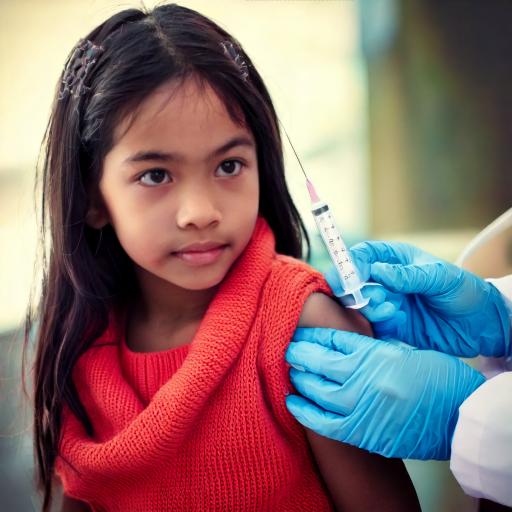
    Kid getting influenza vaccine

    1. The Importance of Vaccines: COVID, Influenza, and RSV

    Each year, millions of people are affected by COVID-19, influenza, and RSV, all of which can cause severe complications, especially in vulnerable populations like older adults, young children, and individuals with pre-existing health conditions. These viruses often have overlapping symptoms but require separate vaccinations for adequate protection.

    While influenza and RSV tend to peak in the fall and winter months, COVID-19 remains a year-round concern, with potential seasonal surges. Vaccines not only help prevent severe illness but also reduce the overall transmission of these viruses, protecting both you and the community.


    2. When to Get Your Influenza Vaccine

    The influenza vaccine is best administered before flu season begins, ideally in late September or October. This ensures that your body has enough time to develop immunity before the virus starts spreading widely. According to the CDC, influenza season typically peaks between December and February, so getting vaccinated early is crucial to ensure protection throughout the season.

    However, if you miss the early window, it’s still beneficial to get vaccinated later in the season. The vaccine takes about two weeks to become fully effective, so aim to get your flu shot as soon as possible if you haven’t already.


    3. Planning Your COVID-19 Vaccine and Boosters

    As COVID-19 continues to evolve with new variants, staying up to date with your vaccines and boosters is essential. The COVID-19 booster is typically recommended during the fall, aligning with influenza season. Experts suggest getting your COVID-19 shot in early fall, around September or October, to ensure your immunity is at its peak during the colder months when indoor gatherings increase transmission risks.

    For those who are at high risk, including older adults and individuals with chronic health conditions, getting the latest booster shot can provide an extra layer of protection against severe illness.


    4. RSV Vaccine: Who Needs It and When?

    In recent years, RSV (Respiratory Syncytial Virus) has gained more attention due to its severe impact on infants, the elderly, and those with compromised immune systems. In 2023, the first RSV vaccine was approved for adults aged 60 and older, offering protection against a virus that can cause serious respiratory issues.

    RSV typically circulates during the fall and winter months, making early fall (September or October) the ideal time to get vaccinated, especially for older adults and those in long-term care settings.


    5. Can You Get COVID, Influenza, and RSV Vaccines Together?

    The good news is that it’s safe to receive the COVID-19, influenza, and RSV vaccines during the same visit. This approach is convenient for people looking to minimize doctor visits while ensuring full protection. However, it’s important to consult with your healthcare provider to determine the best vaccination schedule based on your age, health status, and risk factors.

    While side effects like fatigue, soreness, or mild fever may be experienced, these typically resolve within a few days, and the protection offered far outweighs the temporary discomfort.


    6. Special Considerations for High-Risk Groups

    Certain groups, including pregnant women, older adults, young children, and individuals with chronic illnesses, are more vulnerable to severe complications from COVID-19, influenza, and RSV. These individuals should prioritize vaccinations early in the season and follow specific guidelines provided by healthcare professionals.

    • Pregnant women: The influenza and COVID vaccines are highly recommended during pregnancy as they protect both the mother and the baby. The flu vaccine can be administered at any point during pregnancy, while COVID-19 boosters are recommended in the second or third trimester.
    • Children: Infants and toddlers are particularly susceptible to RSV, and ensuring timely vaccination or preventive measures is crucial during the fall and winter months.
    pregnant women getting vaccination

    7. How to Maximize Vaccine Effectiveness

    While vaccines are your first line of defense against COVID, influenza, and RSV, there are additional steps you can take to maximize your immunity:

    • Stay Hydrated: Drinking plenty of water helps your body respond better to vaccinations.
    • Eat a Balanced Diet: A diet rich in fruits, vegetables, and lean proteins can help strengthen your immune system.
    • Rest: Ensure you get enough sleep before and after getting vaccinated to help your body recover and build immunity.
    • Monitor Side Effects: Mild side effects are common after vaccination, but if you experience anything more severe, contact your healthcare provider.

    Conclusion: Protect Yourself This Season, Start Now!

    In preparation for the upcoming fall and winter, now is the perfect time to plan your COVID, influenza, and RSV vaccines. Each vaccine plays a crucial role in protecting you from serious respiratory infections, and the sooner you get vaccinated, the better prepared you’ll be. Whether you’re in a high-risk group or simply want to stay healthy, taking proactive steps to schedule your vaccinations will ensure you’re protected as we head into colder months.

    At SimpleeKare Health, we’re here to help you stay on top of your vaccinations. Contact us today to schedule an appointment for your COVID, influenza, or RSV vaccine and take control of your health this season.

  • A Full Guide to Kidney Stone Removal: Why Laser Treatment is Effective

    A Full Guide to Kidney Stone Removal: Why Laser Treatment is Effective

    Kidney stone removal treatment in India

    Kidney stones are a common and painful condition affecting many individuals. They can cause severe discomfort and lead to serious health issues if not treated properly. One of the most effective treatments available today is laser treatment. In this guide, we will explore what kidney stones are, the symptoms, why laser treatment is required, why it is preferred, and the procedures involved.

    Understanding Kidney Stones

    Kidney stones are hard deposits of minerals and salts that form inside your kidneys. They can vary in size and may cause significant pain as they pass through the urinary tract. Common symptoms include:

    • Severe pain in the back or side
    • Pain during urination
    • Blood in the urine
    • Nausea and vomiting
    • Frequent urination

    These are some of the signs that you should see a urologist. If you experience any of these symptoms, it’s crucial to seek medical attention promptly.

    Why Laser Treatment is Required for Kidney Stones

    Laser treatment, also known as laser lithotripsy, is an advanced procedure used for kidney stone removal. However, it’s not always the first line of treatment. Here’s when and why laser treatment might be required:

    1. Size and Location of the Stones

    Laser treatment is often recommended for kidney stones that are too large to pass naturally or are located in a position that makes natural passage difficult or impossible. Stones larger than 5 mm typically require medical intervention.

    2. Failure of Other Treatments

    In cases where other treatments, such as medication or shock wave lithotripsy, have failed to break down the stones, laser lithotripsy is considered an effective alternative. It’s particularly useful for stones that are resistant to these less invasive treatments.

    3. Severe Symptoms

    If kidney stones cause severe symptoms such as intense pain, frequent urinary tract infections, or obstructive uropathy (blockage in the urinary tract), immediate removal through laser treatment may be necessary to prevent further complications.

    4. Recurrence of Kidney Stones

    Patients with recurrent kidney stones might benefit from laser treatment as it allows for precise and complete removal of stones, reducing the risk of future stone formation.

    5. Specific Composition of Stones

    Certain types of kidney stones, such as those composed of cystine or calcium oxalate monohydrate, can be particularly hard and difficult to break with other methods. Laser lithotripsy is effective in breaking these tough stones into smaller fragments.

    6. Patient Health and Preferences

    Laser treatment may be chosen based on a patient’s overall health, preferences, and specific circumstances. It’s minimally invasive, reduces recovery time, and minimizes the risk of complications, making it a preferred choice for many.

    Why Laser Treatment is Preferred

    Laser treatment for kidney stones is preferred over other methods for several reasons:

    1. Minimally Invasive

    Laser lithotripsy is a minimally invasive procedure, which means it involves smaller incisions, less pain, and quicker recovery times compared to traditional surgery.

    2. Precision

    The laser used in lithotripsy can precisely target and fragment kidney stones without damaging surrounding tissues. This accuracy leads to better outcomes and fewer complications.

    3. Effectiveness

    Laser treatment is highly effective at breaking down even the hardest kidney stones, including those that do not respond well to other treatments. It reduces the stone into tiny fragments that can be easily passed through the urinary tract.

    4. Shorter Recovery Time

    Patients undergoing laser lithotripsy often experience shorter recovery times and can return to their normal activities more quickly than those who undergo more invasive procedures.

    5. Reduced Need for Repeat Procedures

    Because laser treatment is so effective at completely breaking down stones, there is a reduced need for repeat procedures, making it a cost-effective option in the long run.

    Procedures Involved in Laser Treatment for Kidney Stones

    Laser lithotripsy typically involves the following steps:

    1. Preparation

    Before the procedure, you may be asked to fast for several hours. You will be given anaesthesia to ensure you are comfortable and pain-free during the treatment.

    2. Insertion of the Ureteroscope

    A thin, flexible tube called a ureteroscope is inserted through the urethra and bladder into the ureter or kidney. The ureteroscope allows the kidney stone surgeon to view the stones directly.

    3. Laser Fragmentation

    Once the stone is located, a laser fiber is used to deliver high-energy laser pulses to the stone. The laser breaks the stone into small fragments that can be easily passed out of the body in the urine.

    4. Removal of Fragments

    In some cases, the fragments are too large to pass on their own. The surgeon may use special tools to remove the fragments through the ureteroscope.

    5. Post-Procedure Care

    After the procedure, you may experience mild discomfort or blood in the urine, which should resolve within a few days. Drinking plenty of water helps flush out any remaining fragments.

    Is Laser Treatment Always Required for Kidney Stones?

    Laser treatment is not always required for kidney stones. In many cases, kidney stones can be managed with conservative treatments such as increased fluid intake, dietary changes, and medication to help pass the stones naturally. Here are some scenarios where laser treatment might not be necessary:

    Small Stones

    Stones smaller than 5 mm often pass naturally without the need for surgical intervention. Adequate hydration and pain management are usually sufficient for these smaller stones.

    Lack of Symptoms

    Asymptomatic stones, or stones that do not cause any symptoms, may not require immediate treatment. Monitoring the stones with regular imaging and managing them conservatively can be an effective approach.

    Successful Non-Invasive Treatments

    For some patients, non-invasive treatments like medication to dissolve the stones or shock wave lithotripsy to break them up can be effective, eliminating the need for laser treatment.

    Conclusion

    Laser treatment for kidney stones offers a highly effective, minimally invasive solution for those suffering from this painful condition. However, it is not always necessary for every patient. The decision to use laser lithotripsy depends on the size, location, and composition of the stones, as well as the patient’s symptoms and overall health.

    A Note from SimpleeKare

    At SimpleeKare Health Hospital, we prioritize your health and well-being. Our team of experienced urologists, including some of the best in Bhubaneswar and across India, are dedicated to providing advanced and compassionate care. We utilize state-of-the-art facilities and the latest techniques to ensure the best outcomes for our patients. If you or a loved one is dealing with kidney stones, contact us today to schedule a consultation and learn more about the benefits of laser treatment.

    Contact Information:

    Take control of your health and choose the best urology hospital in India for your kidney stone treatment needs. Your comfort and recovery are our top priorities.