Blog

  • Mpox (Monkeypox): What You Need to Know

    Mpox (Monkeypox): What You Need to Know

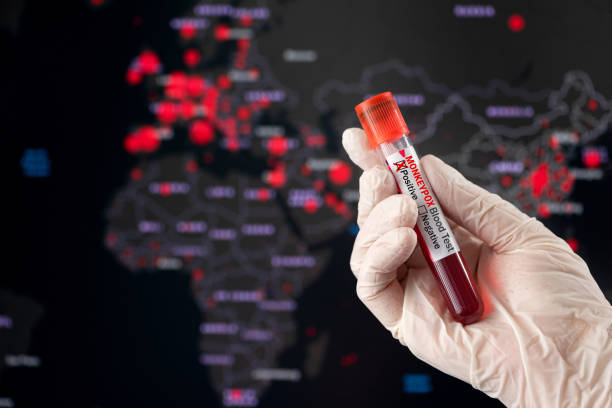
    The recent outbreak of Mpox, commonly known as Monkeypox, has escalated concerns worldwide. World Health Organization (WHO) Director-General Dr. Tedros Adhanom Ghebreyesus has declared that the upsurge of Mpox cases in the Democratic Republic of the Congo (DRC) and other countries in Africa constitutes a Public Health Emergency of International Concern (PHEIC) under the International Health Regulations (2005). This declaration underscores the severity of the situation and the potential for the virus to spread further across Africa and possibly beyond the continent.

    While the global situation is concerning, a Health Ministry official in India has reassured that the risk of a large outbreak of mpox is low in India for now. This assessment suggests that while vigilance is necessary, widespread transmission within India is not expected at this time. As the virus continues to spread in many countries, it is crucial to be informed about the symptoms, modes of transmission, and how to protect yourself and others from this disease.

    Understanding Mpox

    Monkeypox is a viral zoonotic disease, transmitted from animals to humans. The virus responsible for Mpox is related to the variola virus, which causes smallpox. Although Mpox is generally less severe, it is preventable. The recent outbreak has been particularly concerning due to its spread outside regions where the virus is typically endemic. The WHO’s declaration highlights the need for global vigilance and coordinated efforts to contain the virus.

    Symptoms of Monkeypox

    Monkeypox symptoms usually appear within 7 to 14 days after exposure, but the incubation period can range from 5 to 21 days. Key symptoms include:

    • Fever
    • Headache
    • Muscle aches
    • Backache
    • Swollen lymph nodes
    • Chills
    • Exhaustion
    • Painful or Difficult Urination
    • A rash that often begins on the face and spreads to other parts of the body, including the palms, soles, and genital areas. The rash typically progresses from flat lesions to raised bumps, blisters, and finally, scabs.

    How Monkeypox Spreads

    Monkeypox spreads through close contact with an infected person or animal, as well as through contact with contaminated materials. The WHO has highlighted the potential for the virus to spread across countries, making it essential to be aware of how transmission occurs. This includes:

    • Direct contact with the rash, sores, or scabs of an infected person.
    • Respiratory droplets from prolonged face-to-face contact.
    • Bodily fluids from an infected individual.
    • Contaminated objects, such as bedding or clothing.
    • Sexual contact, where close physical interaction can lead to transmission.

    It’s important to note that most cases in this outbreak have been reported among men who have sex with men. This does not mean that Monkeypox is limited to this group, but it does indicate that certain populations may be at higher risk and should take extra precautions.

    Monkeypox Transmission Through Sexual Contact:

    1. Risk with Multiple or New Partners: Engaging in sexual activity with multiple or new partners increases the risk of contracting monkeypox. Close physical contact, including sex, is a primary way the virus spreads.
    2. Regular Symptom Checks: Regularly check for symptoms of monkeypox and encourage your sexual partners to do the same. Early detection can prevent further spread.
    3. Reduce Number of Sexual Partners: If monkeypox is impacting your community, consider reducing the number of sexual partners. Waiting for a while before engaging in sex with a new partner or taking a break from sexual activity can lower your risk.
    4. Open Communication: Maintain open and non-judgmental communication with your partners. Swap contact information, so you can stay in touch and monitor each other’s symptoms. This transparency can help in managing potential exposures.
    5. Condom Use: While condoms are effective at preventing STIs and may reduce the risk of exposure to monkeypox, they do not fully prevent infection. Monkeypox can spread through any close physical contact, so other preventive measures should also be taken.

    This comprehensive approach can help reduce the risk of monkeypox transmission while maintaining sexual health.

    Protecting Yourself from Monkeypox

    Given the WHO’s declaration of Mpox as a public health emergency, it is more important than ever to take preventive measures:

    • Avoid close contact with anyone exhibiting symptoms.
    • Practice good hygiene, including frequent handwashing.
    • Avoid sharing personal items with those who are sick.
    • Be cautious during intimate contact, particularly sexual activity, to prevent transmission.
    • Know the symptoms & check regularly.
    • Get vaccinated, if it is available to you.

    What to Do If You Think You Have Monkeypox

    If you suspect you have contracted Monkeypox, it is critical to act quickly to prevent further spread:

    1. Seek advice from a health worker immediately
    2. Get Tested
    3. Isolate yourself from others to minimize contact, if recommended by the health worker
    4. Inform close contacts to allow them to take precautionary measures.
    5. Take good care of your rahs, physical & mental health.
    6. Avoid contact with your pets.
    7. Adhere to treatment protocols as prescribed by your healthcare provider.

    A Note from SimpleeKare

    At SimpleeKare, we understand the growing concerns around Monkeypox, particularly in light of the recent WHO declaration. Our team is committed to keeping you informed and protected. If you have any concerns or need guidance, our healthcare professionals are here to help. Stay informed, stay safe, and let’s work together to prevent the spread of Monkeypox.

  • A Guide to Monsoon Diseases: Staying Healthy and Preventing Illness

    A Guide to Monsoon Diseases: Staying Healthy and Preventing Illness

    The monsoon season brings relief from the scorching summer heat, but it also ushers in a host of health challenges with serious diseases. The damp and humid conditions create the perfect breeding ground for various bacteria, viruses, and parasites, leading to a spike in monsoon-related illnesses. This guide will help you understand the common monsoon diseases, how to prevent them, and tips to stay healthy during the rainy season.

    Understanding Common Monsoon Diseases

    During the monsoon, the risk of contracting infectious diseases increases due to the favorable conditions for the growth and spread of pathogens. Here are some of the most common monsoon diseases:

    1. Dengue Fever

    Dengue fever is a mosquito-borne viral infection transmitted by the Aedes mosquito. It causes high fever, severe headache, joint and muscle pain, and skin rash. In severe cases, dengue can lead to hemorrhagic fever, which can be life-threatening.

    2. Malaria

    Malaria is another mosquito-borne disease transmitted by the Anopheles mosquito. It presents with fever, chills, sweating, and flu-like symptoms. Malaria can become severe if not treated promptly, leading to complications like anemia and organ damage.

    3. Leptospirosis

    Leptospirosis is a bacterial infection that spreads through water contaminated with the urine of infected animals. It can cause symptoms ranging from mild flu-like symptoms to severe complications like kidney failure, meningitis, and liver damage.

    4. Typhoid

    Typhoid fever is caused by the bacteria Salmonella typhi, typically spread through contaminated food and water. Symptoms include high fever, weakness, stomach pain, headache, and loss of appetite. If left untreated, typhoid can lead to severe complications.

    5. Cholera

    Cholera is an acute diarrheal illness caused by the bacterium Vibrio cholerae. It spreads through contaminated water and food, leading to severe dehydration and, in extreme cases, can be fatal if not treated promptly.

    6. Viral Infections

    The monsoon season often sees a rise in viral infections like the common cold, flu, and viral fever. These infections spread easily through contaminated surfaces, water, and air, causing symptoms like fever, body aches, and respiratory issues.

    7. Fungal Infections

    The humidity during the monsoon makes the skin more susceptible to fungal infections, especially in areas like the feet, groin, and underarms. Athlete’s foot, ringworm, and candidiasis are common fungal infections seen during this season.

    8. Common ENT Issues During the Monsoon Season

    The rainy season in Odisha brings high humidity, stagnant water, and airborne allergens, all of which can lead to ENT problems. Moist conditions increase the risk of ear infections, while poor air quality and mold can trigger nasal congestion, sinusitis, and throat infections.To stay healthy during monsoon, it’s important to keep ears dry, avoid allergens, and consult an ENT specialist when symptoms arise. Taking preventive steps is especially crucial for children and the elderly.

    Why Prevention is Key During Monsoon

    Preventing monsoon diseases is crucial because once contracted, these illnesses can lead to severe complications and even become life-threatening. Early prevention not only protects you but also helps control the spread of infections in your community. By adopting preventive measures, you can significantly reduce your risk of falling ill during the monsoon.

    Ignoring early ENT symptoms during monsoon can lead to chronic sinusitis, ear damage, or sleep apnea. Mild allergies may worsen quickly without care. A preventive ENT consultation in Bhubaneswar ensures early detection and faster recovery.

    Meet Dr. Sanjeev Mohanty, a highly esteemed ENT surgeon in India, leads the ENT Department at MGM Healthcare, Chennai, He is renowned for his expertise in cochlear implants, robotic ENT surgeries, and complex airway reconstruction procedures.

    Dr. Mohanty offers advanced diagnostics like endoscopy and robotic tools to treat seasonal ENT issues. From throat pain to sinus infections, his expert care brings ENT surgery options to Odisha residents—no need to travel to metro cities for quality treatment.

    How to Stay Healthy and Prevent Monsoon Diseases

    Preventing monsoon-related illnesses involves maintaining good hygiene, eating a balanced diet, and staying alert to seasonal health risks. Enhance your protection with our specially designed monsoon health packages to help you stay fit and illness-free this rainy season.

    Monsoon diseases

    1. Mosquito Control

    • Use Mosquito Repellents: Apply mosquito repellent creams or use sprays to keep mosquitoes at bay.
    • Install Screens: Use window screens or mosquito nets while sleeping to prevent mosquito bites.
    • Eliminate Stagnant Water: Ensure there is no stagnant water around your home, as it serves as a breeding ground for mosquitoes.

    2. Drink Safe Water

    • Boil Water: Always boil water before drinking or use a reliable water purifier to remove contaminants.
    • Avoid Street Food: Avoid consuming water or ice from street vendors, as it may be contaminated.

    3. Maintain Good Hygiene

    • Wash Hands Regularly: Wash your hands with soap and water before eating, after using the restroom, and when returning home.
    • Keep Your Surroundings Clean: Regularly clean and disinfect your home to prevent the spread of bacteria and viruses.

    4. Eat Fresh and Hygienic Food

    • Consume Freshly Cooked Meals: Eat well-cooked food and avoid raw or undercooked items, especially during the monsoon.
    • Store Food Properly: Ensure that food is stored in airtight containers to prevent contamination by pests.

    5. Wear Protective Clothing

    • Stay Dry: Wear waterproof shoes and clothing to keep yourself dry and avoid getting wet in the rain.
    • Use Antifungal Powder: Apply antifungal powder to areas prone to sweating to prevent fungal infections.

    6. Boost Your Immunity

    • Eat a Balanced Diet: Include immune-boosting foods like citrus fruits, green leafy vegetables, and yogurt in your diet.
    • Stay Hydrated: Drink plenty of fluids to stay hydrated and flush out toxins from your body.

    7. Seek Medical Attention Promptly

    • Signs That You Should See a Doctor: If you experience symptoms like high fever, persistent headache, severe body aches, or any unusual symptoms, consult a doctor immediately.
    • Regular Health Check-ups: Schedule regular health check-ups to monitor your health and catch any potential issues early.

    Conclusion

    The monsoon season brings its own set of health challenges, but with the right precautions, you can protect yourself and your loved ones from common monsoon diseases. By following the preventive measures outlined in this guide, you can enjoy the rains without worrying about your health.

    A Note from SimpleeKare

    At SimpleeKare, your health and well-being are our top priority. Our team of healthcare professionals is here to support you throughout the monsoon season with expert advice, preventive care, and prompt treatment for any health issues. If you or a loved one experiences any symptoms of monsoon diseases, don’t hesitate to reach out to us. Stay safe, stay healthy, and enjoy the monsoon with peace of mind.

    Contact Information:

    Let SimpleeKare be your partner in health this monsoon season, ensuring you and your family stay healthy and safe.

    Monsoon Health Alert: How Expert ENT Care in Bhubaneswar Can Help You Stay Safe This Rainy Season

    Explore the SimpleeKare Health Membership Plan – your affordable, convenient, and all-in-one solution for quality healthcare!

  • Diploma in Medical Laboratory Technology(DMLT) Course at SimpleeKare Institute, Bhubaneswar

    Diploma in Medical Laboratory Technology(DMLT) Course at SimpleeKare Institute, Bhubaneswar

    Admission Open for DMLT Course for the Academic Session 2024-25

    We are excited to announce that admissions are now open for the Diploma in Medical Laboratory Technology (DMLT) course at SimpleeKare Institute for the academic session 2024-25. This intensive, hands-on program is designed to equip you with the skills and knowledge to excel in a rewarding career within the growing field of paramedical technology.

    Diploma in Medical Laboratory Technology in Bhubaneswar

    Course Details:

    • Course: 2-year Diploma in Medical Laboratory Technology (DMLT)
    • Recognition: Recognized by the Directorate of Medical Education & Training, Odisha, Bhubaneswar, Government of Odisha.
    • Eligibility: Class 12th passed with Physics, Chemistry, and Biology as core subjects and a minimum marks requirement of (45%).
    • Application Process: Applicants can apply online through our website SimpleeKare Institute’s website or by visiting SimpleeKare Institute at Nayapalli, Bhubaneswar. Spot admissions are ongoing – No entrance exam required!

    Develop in-demand skills for a fulfilling career:

    Our comprehensive DMLT course in Bhubaneswar provides a strong foundation in theoretical knowledge and practical laboratory techniques. You’ll gain expertise in various areas, including:

    • Microbiology
    • Biochemistry
    • Haematology
    • Immunology
    • Blood Banking

    Become a valuable asset in healthcare:

    Upon successful completion of the DMLT course, you’ll be qualified for diverse employment opportunities in:

    • Hospitals
    • Diagnostic Centres
    • Research Laboratories
    • Blood Banks

    Take your career a step further:

    The DMLT program serves as a stepping stone for higher education. You can pursue advanced degrees like:

    Additionally, various certification programs allow you to specialize in specific areas of laboratory technology.

    Start your journey today!

    Contact the SimpleeKare Institute administrative office at 9986874640 or visit our website SimpleeKare Institute’s website to learn more and secure your seat in this program.

    Advantages of Pursuing DMLT at SimpleeKare Institute, Bhubaneswar

    Why Choose SimpleeKare for Your DMLT Education?

    Having secured your seat in the DMLT program at SimpleeKare Institute, you’ve made an excellent choice for launching your career in medical diagnostics! Here’s what sets SimpleeKare apart:

    • Comprehensive Curriculum with Practical Focus: Our DMLT course in Bhubaneswar goes beyond textbook knowledge. You’ll gain a strong foundation in theoretical concepts like hematology, microbiology, biochemistry, and immunology. But more importantly, you’ll refine these skills through extensive hands-on training in our state-of-the-art laboratories equipped with the latest technology.
    • Expert Faculty and Mentorship: SimpleeKare boasts a team of experienced and dedicated faculty who are passionate about guiding students towards success. They’ll provide personalized mentorship throughout your academic journey, ensuring you not only grasp the concepts but also develop the confidence to excel in a real-world laboratory setting.
    • Strong Industry Connections and Placements: SimpleeKare has established strong relationships with leading healthcare organizations across the region. Our dedicated placement cell leverages these connections to secure you the best job opportunities upon graduation. This focus on career readiness ensures a smooth transition from academics to a fulfilling professional journey.

    By choosing SimpleeKare Institute for your DMLT education, you’ll gain the knowledge, practical skills, and with expert faculties needed to thrive in the ever-evolving field of medical laboratory technology. Don’t miss this exciting opportunity to enter the rewarding field of Medical Laboratory Technology!

  • A Full Guide to Kidney Stone Removal: Why Laser Treatment is Effective

    A Full Guide to Kidney Stone Removal: Why Laser Treatment is Effective

    Kidney stone removal treatment in India

    Kidney stones are a common and painful condition affecting many individuals. They can cause severe discomfort and lead to serious health issues if not treated properly. One of the most effective treatments available today is laser treatment. In this guide, we will explore what kidney stones are, the symptoms, why laser treatment is required, why it is preferred, and the procedures involved.

    Understanding Kidney Stones

    Kidney stones are hard deposits of minerals and salts that form inside your kidneys. They can vary in size and may cause significant pain as they pass through the urinary tract. Common symptoms include:

    • Severe pain in the back or side
    • Pain during urination
    • Blood in the urine
    • Nausea and vomiting
    • Frequent urination

    These are some of the signs that you should see a urologist. If you experience any of these symptoms, it’s crucial to seek medical attention promptly.

    Why Laser Treatment is Required for Kidney Stones

    Laser treatment, also known as laser lithotripsy, is an advanced procedure used for kidney stone removal. However, it’s not always the first line of treatment. Here’s when and why laser treatment might be required:

    1. Size and Location of the Stones

    Laser treatment is often recommended for kidney stones that are too large to pass naturally or are located in a position that makes natural passage difficult or impossible. Stones larger than 5 mm typically require medical intervention.

    2. Failure of Other Treatments

    In cases where other treatments, such as medication or shock wave lithotripsy, have failed to break down the stones, laser lithotripsy is considered an effective alternative. It’s particularly useful for stones that are resistant to these less invasive treatments.

    3. Severe Symptoms

    If kidney stones cause severe symptoms such as intense pain, frequent urinary tract infections, or obstructive uropathy (blockage in the urinary tract), immediate removal through laser treatment may be necessary to prevent further complications.

    4. Recurrence of Kidney Stones

    Patients with recurrent kidney stones might benefit from laser treatment as it allows for precise and complete removal of stones, reducing the risk of future stone formation.

    5. Specific Composition of Stones

    Certain types of kidney stones, such as those composed of cystine or calcium oxalate monohydrate, can be particularly hard and difficult to break with other methods. Laser lithotripsy is effective in breaking these tough stones into smaller fragments.

    6. Patient Health and Preferences

    Laser treatment may be chosen based on a patient’s overall health, preferences, and specific circumstances. It’s minimally invasive, reduces recovery time, and minimizes the risk of complications, making it a preferred choice for many.

    Why Laser Treatment is Preferred

    Laser treatment for kidney stones is preferred over other methods for several reasons:

    1. Minimally Invasive

    Laser lithotripsy is a minimally invasive procedure, which means it involves smaller incisions, less pain, and quicker recovery times compared to traditional surgery.

    2. Precision

    The laser used in lithotripsy can precisely target and fragment kidney stones without damaging surrounding tissues. This accuracy leads to better outcomes and fewer complications.

    3. Effectiveness

    Laser treatment is highly effective at breaking down even the hardest kidney stones, including those that do not respond well to other treatments. It reduces the stone into tiny fragments that can be easily passed through the urinary tract.

    4. Shorter Recovery Time

    Patients undergoing laser lithotripsy often experience shorter recovery times and can return to their normal activities more quickly than those who undergo more invasive procedures.

    5. Reduced Need for Repeat Procedures

    Because laser treatment is so effective at completely breaking down stones, there is a reduced need for repeat procedures, making it a cost-effective option in the long run.

    Procedures Involved in Laser Treatment for Kidney Stones

    Laser lithotripsy typically involves the following steps:

    1. Preparation

    Before the procedure, you may be asked to fast for several hours. You will be given anaesthesia to ensure you are comfortable and pain-free during the treatment.

    2. Insertion of the Ureteroscope

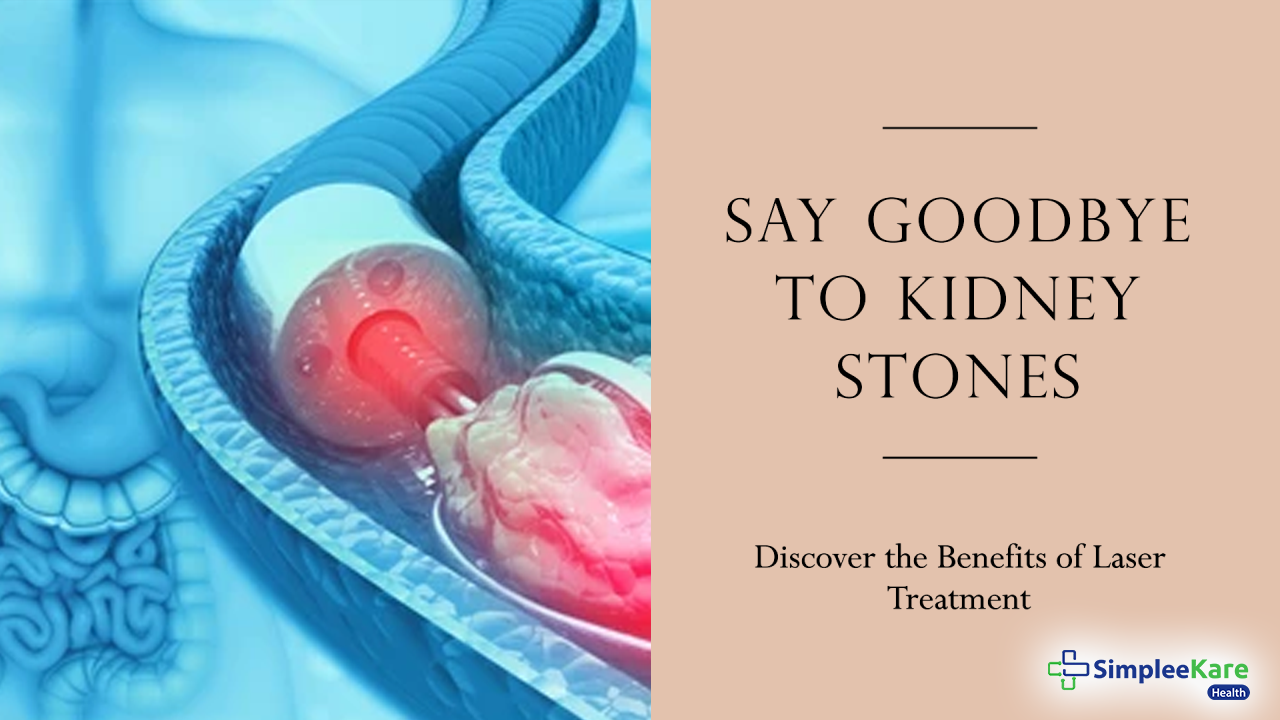
    A thin, flexible tube called a ureteroscope is inserted through the urethra and bladder into the ureter or kidney. The ureteroscope allows the kidney stone surgeon to view the stones directly.

    3. Laser Fragmentation

    Once the stone is located, a laser fiber is used to deliver high-energy laser pulses to the stone. The laser breaks the stone into small fragments that can be easily passed out of the body in the urine.

    4. Removal of Fragments

    In some cases, the fragments are too large to pass on their own. The surgeon may use special tools to remove the fragments through the ureteroscope.

    5. Post-Procedure Care

    After the procedure, you may experience mild discomfort or blood in the urine, which should resolve within a few days. Drinking plenty of water helps flush out any remaining fragments.

    Is Laser Treatment Always Required for Kidney Stones?

    Laser treatment is not always required for kidney stones. In many cases, kidney stones can be managed with conservative treatments such as increased fluid intake, dietary changes, and medication to help pass the stones naturally. Here are some scenarios where laser treatment might not be necessary:

    Small Stones

    Stones smaller than 5 mm often pass naturally without the need for surgical intervention. Adequate hydration and pain management are usually sufficient for these smaller stones.

    Lack of Symptoms

    Asymptomatic stones, or stones that do not cause any symptoms, may not require immediate treatment. Monitoring the stones with regular imaging and managing them conservatively can be an effective approach.

    Successful Non-Invasive Treatments

    For some patients, non-invasive treatments like medication to dissolve the stones or shock wave lithotripsy to break them up can be effective, eliminating the need for laser treatment.

    Conclusion

    Laser treatment for kidney stones offers a highly effective, minimally invasive solution for those suffering from this painful condition. However, it is not always necessary for every patient. The decision to use laser lithotripsy depends on the size, location, and composition of the stones, as well as the patient’s symptoms and overall health.

    A Note from SimpleeKare

    At SimpleeKare Health Hospital, we prioritize your health and well-being. Our team of experienced urologists, including some of the best in Bhubaneswar and across India, are dedicated to providing advanced and compassionate care. We utilize state-of-the-art facilities and the latest techniques to ensure the best outcomes for our patients. If you or a loved one is dealing with kidney stones, contact us today to schedule a consultation and learn more about the benefits of laser treatment.

    Contact Information:

    Take control of your health and choose the best urology hospital in India for your kidney stone treatment needs. Your comfort and recovery are our top priorities.

  • Diabetic Foot Ulcer Prevention Free Camp at SimpleeKare Hospital, Bhubaneswar

    Diabetic Foot Ulcer Prevention Free Camp at SimpleeKare Hospital, Bhubaneswar

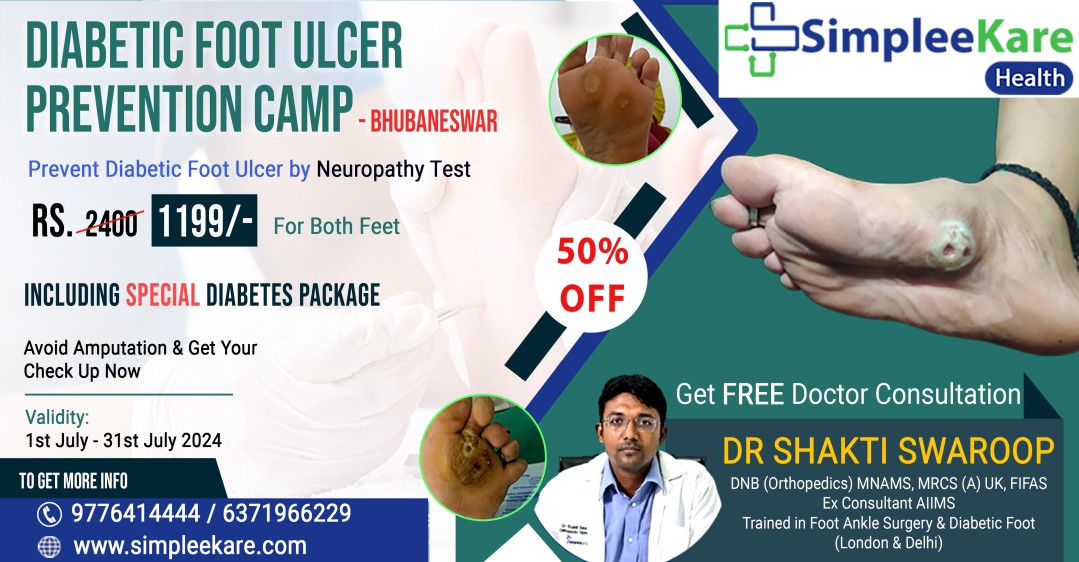
    Are you or a loved one living with diabetes? Taking steps to protect your feet is crucial in managing diabetes and preventing severe complications like foot ulcers. SimpleeKare Hospital, Bhubaneswar is proud to host a comprehensive Diabetic Foot Ulcer Prevention Free Camp led by the esteemed Dr. Shakti Swaroop, a specialist in Foot Ankle Surgery and Diabetic Foot Care. SimpleeKare Hospital is renowned for its commitment to providing high-quality healthcare services, focusing on patient-centered care and advanced medical treatments. With state-of-the-art facilities and a team of experienced healthcare professionals, SimpleeKare ensures that patients receive the best possible care.

    By attending this camp, you will have the opportunity to benefit from a Free Doctor Consultation with Dr. Shakti Swaroop, who will provide personalized advice and guidance on managing diabetic foot health. This camp is designed to empower patients with the knowledge and tools they need to prevent foot ulcers and maintain optimal foot health.

    Event Details:

    Date: 1st July – 31st July 2024

    SimpleeKare Hospital in Google Map Location: https://maps.app.goo.gl/5LJNb2zigX5DNqEU8 

    Location: N2/19, IRC Village, Nayapalli, Bhubaneswar-751015, Odisha, India

     Why Attend?

    Join us to take a crucial step towards ensuring the health of your feet. Our camp includes a specialized Neuropathy Test at an exclusive price of Rs. 1199/- for both feet. This test is designed to detect nerve damage, which is a common issue for those with diabetes. Early detection can help prevent severe complications.

     What’s Included:

    • Neuropathy Test for Both Feet: This test is essential for detecting nerve damage early and preventing complications.
    • Special Diabetes Package: Enjoy a comprehensive package tailored to meet your diabetes care needs.
    • Free Doctor Consultation: Benefit from a free consultation with Dr. Shakti Swaroop, where you can discuss your concerns and receive expert advice on foot care.

    Avoid the Risk of Amputation:

    Foot ulcers can lead to severe complications, including amputation. By attending this camp, you can take proactive steps to ensure your feet remain in the best possible health.

    About Dr. Shakti Swaroop

    Dr. Shakti Swaroop is a highly regarded orthopedic surgeon specializing in foot and ankle issues. His dedication to his field is evident in his extensive training at prestigious institutions worldwide:

    1. Max Super-specialty Hospital (Delhi) – Joint Replacement Surgery
    2. Homerton University Hospital (London) – Joint Replacement Surgery
    3. Fortis Hospital (Jaipur) – Robotic & Navigation Knee Replacement Surgery
    4. Kings College Hospital London (UK) – Advanced Surgical Training (Foot & Ankle)

    Dr. Swaroop is known as Bhubaneswar, Odisha’s premier foot and ankle specialist, offering unique expertise in the region. Previously, he served as a Consultant at AIIMS Bhubaneswar, driven by a desire to give back to his community.

    His impressive experience includes:

    • Performing numerous successful joint replacements, revisions, and foot & ankle surgeries
    • Achieving a high success rate in treating diverse orthopedic conditions
    • Striving for optimal outcomes to ensure long-term patient satisfaction

    Why Choose Dr. Swaroop?

    • Unmatched Expertise: Trained in high-volume centers, Dr. Swaroop offers advanced techniques for foot and ankle procedures.
    • Commitment to Excellence: He prioritizes acquiring the latest knowledge and surgical methods to serve his patients better.
    • Focus on Patient Care: Dr. Swaroop prioritizes achieving positive patient experiences and lasting improvements.

    Contact for Appointments and Consultations:

    Phone: 9776414444, 6371966229

    Website: https://www.simpleekare.com

    Join us at SimpleeKare Hospital this July and take the first step towards protecting your feet and managing your diabetes effectively. Don’t miss this opportunity to benefit from the expertise of Dr. Shakti Swaroop and receive comprehensive diabetic foot care.

    Discover the SimpleeKare Health Membership Plan – your all-in-one solution for affordable, accessible, and comprehensive healthcare services. Join now for smarter, hassle-free care!

  • SimpleeKare in Bhubaneswar: Your Gateway to Holistic Healthcare at Home

    SimpleeKare in Bhubaneswar: Your Gateway to Holistic Healthcare at Home

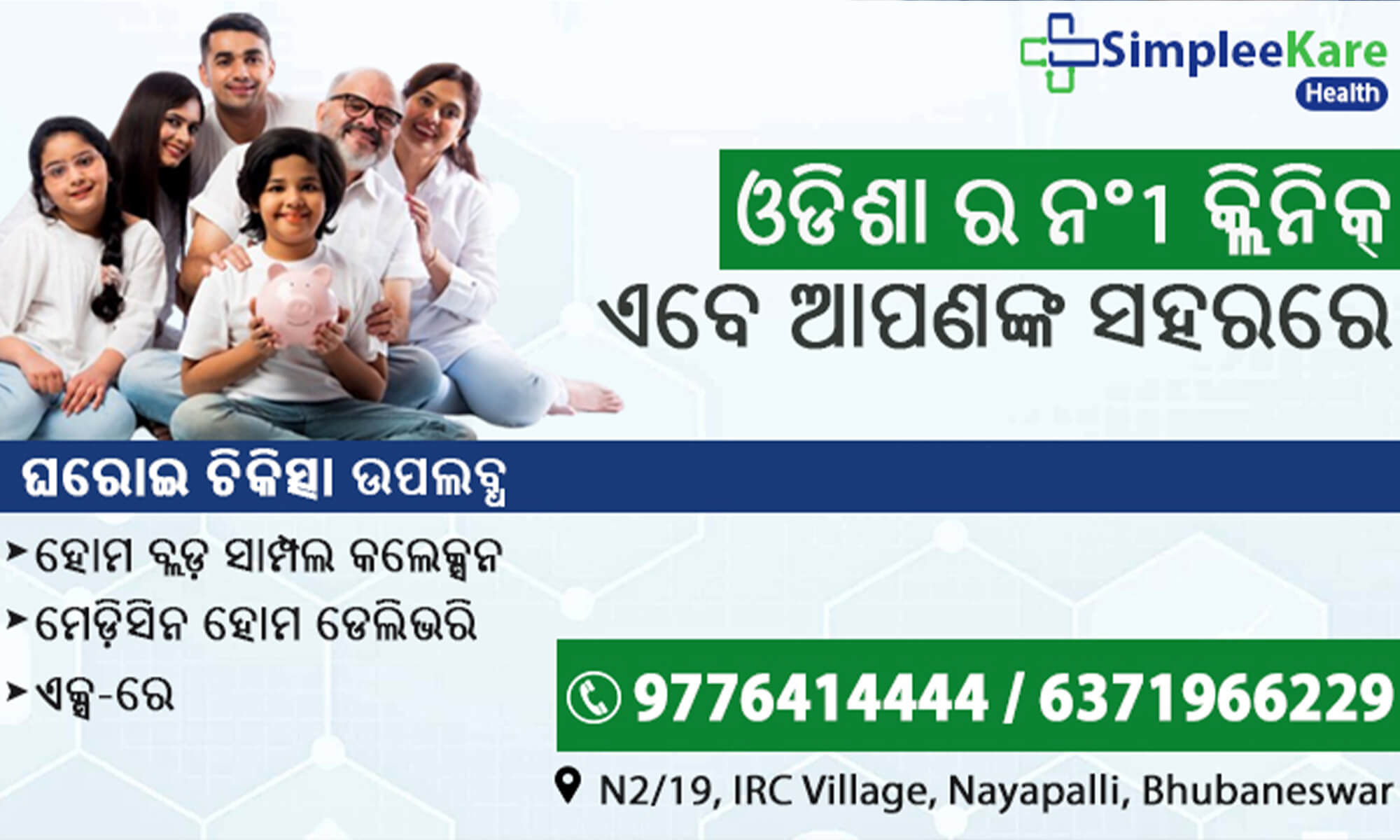
    In the vibrant state of Odisha, SimpleeKare has emerged as the go-to healthcare destination, earning the esteemed title of Odisha’s No.1 clinic. Nestled in the heart of Bhubaneswar, SimpleeKare stands out for its commitment to providing comprehensive healthcare solutions, and now, it goes a step further by bringing healthcare to your doorstep through a range of homecare services.

    SimpleeKare Home Sample Collection Bhubaneswar

    Home Sample Collection

    Convenience at Your Fingertips

    SimpleeKare’s Home Sample Collection service is a game-changer in the realm of healthcare accessibility. With just a phone call to SimpleeKare, residents of Bhubaneswar can schedule a home visit for blood tests. Skilled phlebotomists ensure a seamless and stress-free experience, collecting samples in the comfort of your home, eliminating the need to visit the clinic.

    Doorstep Medicine Delivery.

    Medicines Delivered to Your Door

    SimpleeKare understands that managing medications can be a challenge, especially for those with mobility issues or busy schedules. The Doorstep Medicine Delivery service, available by calling our customer support or by booking medicines online, ensures that prescribed medications reach your doorstep promptly. This service not only saves time but also promotes adherence to prescribed treatment plans.

    Home X-ray Services

    Cutting-edge Diagnostic Care at Home

    SimpleeKare’s commitment to comprehensive healthcare extends to diagnostic services with Home X-ray services. Residents of Bhubaneswar can contact our support team, and schedule a home visit for X-ray services, allowing for prompt and accurate diagnostics in the comfort of their homes. This is particularly beneficial for patients with limited mobility or those requiring immediate diagnostic attention.

    Comprehensive Healthcare in the Comfort of Your Home

    At SimpleeKare, the vision is to make healthcare a seamless part of your life. By combining Home Sample Collection, Doorstep Medicine Delivery, and Home X-ray services, SimpleeKare ensures that individuals in Bhubaneswar receive comprehensive care without the need to step out of their homes.

    How to Avail Homecare Services at SimpleeKare in Bhubaneswar

    1. Home Sample Collection: Call 9776414444 / 6371966229 to schedule a convenient time for blood sample collection at your home.
    2. Doorstep Medicine Delivery: Dial 9776414444 / 6371966229 to have prescribed medicines delivered to your doorstep.
    3. Home X-ray Services: Schedule a home visit for X-ray services by calling 9776414444 / 6371966229.

    Conclusion

    SimpleeKare in Bhubaneswar has rightfully earned its status as Odisha’s No.1 clinic by seamlessly integrating healthcare into the daily lives of its residents. The Home Sample Collection, Doorstep Medicine Delivery, and Home X-ray services reflect SimpleeKare’s commitment to providing holistic healthcare with a patient-centric approach. Experience the convenience of comprehensive healthcare at home with SimpleeKare – where your well-being is the top priority.

  • 5 Signs That You Should Consult a Urologist Soon

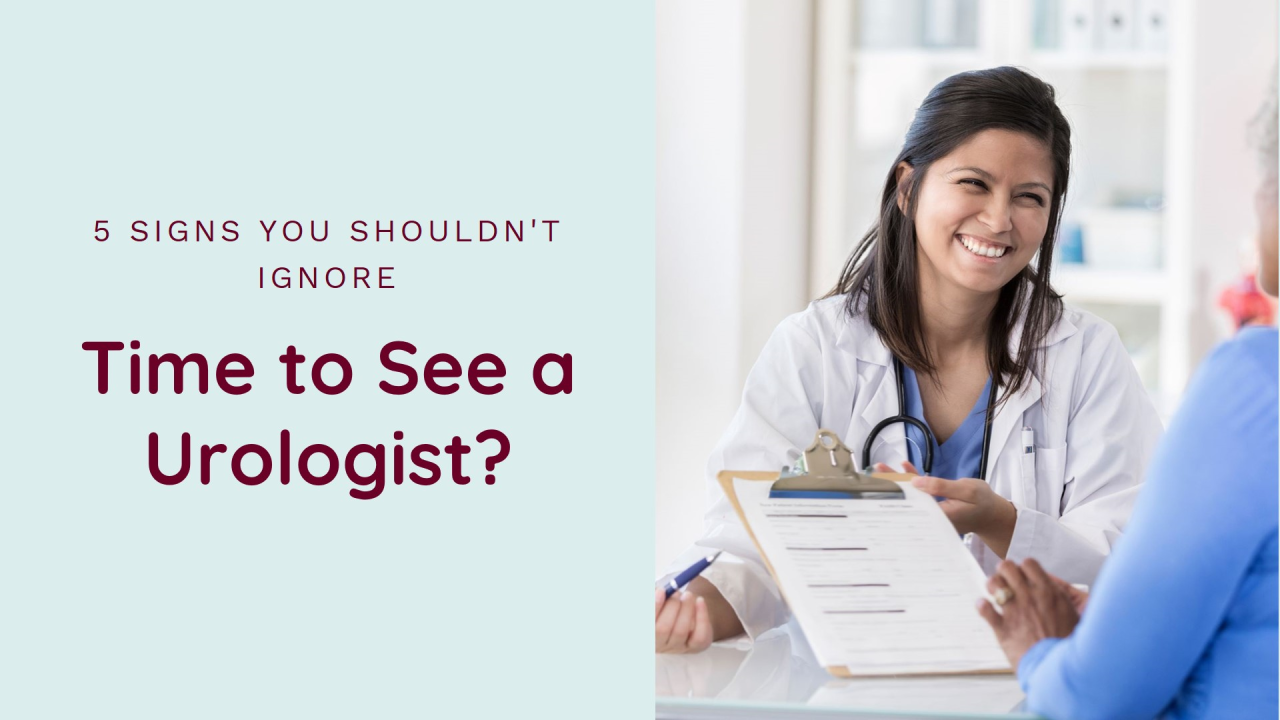
    5 Signs That You Should Consult a Urologist Soon

    Urologists are medical specialists who focus on the urinary tract and the male reproductive system. While some urinary issues may seem minor, they can be indicative of more serious health conditions.

    Here are five signs that you should consult a urologist soon.

    1. Persistent Urinary Tract Infections (UTIs)

    UTIs are common, especially among women, but recurrent or persistent infections may signal an underlying issue. If you experience frequent UTIs, it’s essential to see a urologist. They can perform tests to determine the cause, such as kidney stones or structural abnormalities in the urinary tract. Ignoring recurrent UTIs can lead to more severe kidney infections and other complications, so timely diagnosis and treatment are crucial.

    2. Blood in Urine

    Finding blood in your urine, known as hematuria, is a concerning symptom that should never be ignored. Blood in urine can be a sign of various conditions, including urinary tract infections, kidney stones, or more serious issues like bladder or kidney cancer. A urologist can conduct necessary tests, such as urinalysis, imaging, and cystoscopy, to identify the cause and develop an appropriate treatment plan for Kidney stone surgery

    3. Difficulty Urinating

    Difficulty urinating can manifest as a weak urine stream, straining to urinate, or feeling like you can’t completely empty your bladder. These symptoms can be caused by an enlarged prostate in men, urinary tract infections, or bladder dysfunction. Seeing a urologist is essential to determine the cause and receive proper treatment, which may include medications or surgical interventions to alleviate symptoms and prevent complications.

    4. Pain in the Lower Abdomen or Groin

    Persistent pain in the lower abdomen, groin, or pelvic area can indicate several urological issues, including kidney stones, urinary tract infections, or bladder problems. This type of pain, especially if accompanied by other symptoms like fever or nausea, warrants a consult with a urologist. Early diagnosis and treatment can prevent further complications and alleviate discomfort.

    5. Incontinence or Frequent Urination

    Experiencing incontinence or an urgent and frequent need to urinate can significantly impact your quality of life. These symptoms can be due to various conditions, such as overactive bladder, urinary tract infections, or neurological disorders affecting bladder control. A urologist can provide a comprehensive evaluation and recommend treatments to manage these symptoms effectively, which may include medications, lifestyle changes, or surgical options.

    Conclusion

    Recognizing these signs and seeking timely medical advice from a urologist can lead to early diagnosis and effective treatment of underlying urological conditions. If you experience any of these symptoms, don’t hesitate to schedule an appointment with a top urologist. For those seeking the best urologist in Bhubaneswar or anywhere else in India, SimpleeKare connects you with the best urology hospitals and top specialists to ensure you receive the highest quality care.

    A Note from SimpleeKare

    At SimpleeKare, we understand the importance of specialized care for your urological health. Our network includes the best urology hospitals in India and top urologists in Bhubaneswar, dedicated to providing personalized and comprehensive care. If you have any concerns about your urinary health, contact us to schedule an appointment with one of our experienced urologists. Your health and well-being are our top priorities.

    Call us for Urology specialist doctor – 9776414444

  • 7 Essential Things You Should Always Discuss with Your Gynecologist

    7 Essential Things You Should Always Discuss with Your Gynecologist

    Visiting a gynecologist is crucial for maintaining your overall health and well-being. To make the most of your appointments, it’s important to discuss specific topics that can help your gynecologist provide the best care possible. Here are seven essential things you should always bring up during your visit.

    Best Gynecologist in Bhubaneswar

    1. Menstrual Cycle and Irregularities

    Discussing your menstrual cycle with your gynecologist can provide insights into your reproductive health. Share details about the regularity, duration, and intensity of your periods. If you experience any irregularities, such as missed periods, heavy bleeding, or severe cramps, make sure to mention them. These could be indicators of underlying health conditions such as polycystic ovary syndrome (PCOS), thyroid issues, or uterine fibroids. Understanding your menstrual health can help your gynecologist tailor treatments and provide recommendations to manage symptoms effectively. Click to watch for More information on managing common menstrual problems.

    2. Contraception and Family Planning

    Whether you’re looking to start a family or avoid pregnancy, talking about contraception and family planning is essential. Your gynecologist can help you choose the best birth control method based on your health, lifestyle, and preferences. Options range from oral contraceptives and intrauterine devices (IUDs) to implants and permanent solutions like tubal ligation. They can also guide you through preconception planning, offering advice on nutrition, supplements, and lifestyle changes to ensure a healthy pregnancy when you’re ready.

    3. Sexual Health and Libido

    Your sexual health is an important aspect of your overall well-being. Discuss any concerns you may have about your libido, sexual activity, or any discomfort during intercourse. Your gynecologist can offer solutions and treatments for common issues like vaginal dryness, pain, or infections. They can also provide guidance on safe sex practices, prevention of sexually transmitted infections (STIs), and address any psychological factors affecting your sexual health. Open communication can help you maintain a healthy and satisfying sexual life.

    4. Screenings and Vaccinations

    Regular screenings and vaccinations are vital for preventing serious health conditions. Make sure to ask your gynecologist about Pap smears, HPV tests, and mammograms. These screenings can detect cervical cancer, breast cancer, and other potential issues early, significantly improving treatment outcomes. Additionally, discuss vaccinations such as the HPV vaccine, which can protect against certain types of cancers, and the flu shot, which is important for overall health, especially during pregnancy.

    5. Pelvic Pain and Discomfort

    If you experience any pelvic pain or discomfort, it’s important to bring it up with your gynecologist. Pelvic pain can be caused by various conditions, including endometriosis, fibroids, or infections. By discussing your symptoms, your gynecologist can perform necessary examinations and tests, such as ultrasounds or laparoscopy, to determine the cause and provide appropriate treatment. Early intervention can prevent complications and improve your quality of life.

    6. Hormonal Changes and Menopause

    Hormonal changes can have a significant impact on your health, particularly during menopause. Discuss any symptoms you may be experiencing, such as hot flashes, mood swings, sleep disturbances, or changes in menstrual patterns. Your gynecologist can offer advice on managing these symptoms, which may include lifestyle changes, hormone replacement therapy (HRT), or other medications. Understanding the changes your body is going through can help you navigate this transition more comfortably and maintain your overall health.

    7. Family History and Genetic Concerns

    Your family’s medical history can provide valuable information about your own health risks. Share any history of conditions like breast cancer, ovarian cancer, endometriosis, or other gynecological issues with your gynecologist. This information can help them recommend appropriate screenings, such as genetic testing for BRCA mutations, and preventive measures to keep you healthy. Being proactive about your health by understanding your genetic risks can lead to early detection and better management of potential issues.

    Conclusion

    Having open and honest conversations with your gynecologist is essential for maintaining your reproductive and overall health. By discussing these seven important topics, you can ensure that you receive comprehensive and personalized care. At SimpleeKare, we are dedicated to providing access to the best gynecology doctors and hospitals in Bhubaneswar, ensuring that you receive the highest quality of care. Don’t hesitate to book an appointment with the best gynecologist in Bhubaneswar and take charge of your health today.

    We understand the importance of a gynecologist and a comfortable and trusting patient-doctor relationship, and our goal is to make every visit informative and reassuring. If you have any questions or need to schedule an appointment, please reach out to us. Your health is our top priority.

  • World Hypertension Day: Understanding and Managing High Blood Pressure

    World Hypertension Day: Understanding and Managing High Blood Pressure

    Hypertension, or high blood pressure, is a silent killer that affects millions worldwide. World Hypertension Day, observed on May 17th every year, aims to raise awareness about the importance of preventing, detecting, and controlling hypertension.

    This year, the theme focuses on “Measure Your Blood Pressure Accurately, Control It, Live Longer.”

    Understanding Hypertension

    Hypertension is a common but serious health condition where the force of the blood against the walls of the arteries is consistently too high. It is a major risk factor for heart disease, stroke, and other health problems. Yet, it often goes unnoticed because it has no symptoms in its early stages. That’s why regular blood pressure checks are crucial, especially for those at higher risk, such as older adults, people with a family history of blood pressure, and individuals with unhealthy lifestyle habits.

    Prevention of Hypertension

    Preventing hypertension involves adopting a healthy lifestyle. This includes:

    1. Eating a Healthy Diet: A diet rich in fruits, vegetables, whole grains, and low-fat dairy products can help lower blood pressure. It’s important to reduce sodium intake and limit the consumption of processed and high-sodium foods.
    2. Maintaining a Healthy Weight: Being overweight or obese increases the risk of hypertension. Losing weight through a combination of healthy eating and regular physical activity can help lower blood pressure.
    3. Regular Physical Activity: Engaging in regular physical activity, such as brisk walking, jogging, or cycling, can help lower blood pressure and improve overall health.
    4. Limiting Alcohol Consumption: Drinking too much alcohol can raise blood pressure. It’s important to limit alcohol intake to reduce the risk of it.
    5. Avoiding Tobacco Use: Smoking and tobacco use can raise blood pressure and damage blood vessels. Quitting smoking is essential for reducing the risk of hypertension and other health problems.
    6. Increase Potassium Intake: Potassium helps balance sodium levels in the body, which is important for maintaining healthy blood pressure. Foods rich in potassium include bananas, oranges, potatoes, and spinach.
    7. Stay Active: Regular physical activity can help lower blood pressure. Aim for at least 150 minutes of moderate-intensity exercise per week, such as brisk walking or cycling.
    8. Seek Support: Managing it can be challenging, so don’t hesitate to seek support from friends, family, or a support group.

    Detection: Regular blood pressure checks are vital for early detection of hypertension. SimpleeKare Health provides easy access to blood pressure monitoring through their platform. By measuring your blood pressure accurately and regularly, you can detect it early and take steps to control it.

    Control: Controlling it requires a multi-faceted approach. Lifestyle changes play a significant role, but medication may also be necessary in some cases. It’s important to follow your healthcare provider’s advice and take prescribed blood pressure medicines as directed. SimpleeKare Health offers consultations with healthcare professionals who can provide personalized guidance on managing hypertension.

    SimpleeKare Health’s Role:

    SimpleeKare Health is committed to promoting hypertension awareness and control. Through their platform, they offer resources and support for individuals looking to manage their blood pressure effectively. Whether it’s through educational materials, health packages, online consultations with healthcare providers, or access to blood pressure monitoring devices, SimpleeKare Health strives to empower individuals to take control of their hypertension.

    Hypertension is a serious health condition that requires proactive management and lifestyle changes. By adopting a healthy lifestyle, monitoring your blood pressure regularly, and seeking appropriate medical care, you can reduce your risk of developing complications associated with it. On this World Hypertension Day, let’s pledge to prioritize our heart health. Take the first step towards better heart health by measuring your blood pressure and making positive changes for a healthier tomorrow. Remember, small changes can lead to significant improvements in your overall health and well-being.

  • Enhance Your Lab’s Capabilities with Advanced Histopathology Solutions

    Upgrade your laboratory’s diagnostic precision with cutting-edge histopathology equipment and expert support. Ensure faster, more accurate tissue analysis for improved patient outcomes.

    Enhance your diagnostic lab’s accuracy and reliability with our advanced histopathology solutions. From tissue analysis to pathology reporting, get comprehensive support for better outcomes. Ensure faster diagnosis and improved patient care. Our solutions are tailored to meet the needs of modern labs.

    For More Information click to view : https://www.simpleekare.com/

    Book your online lab test now and experience precision like never before—click here to schedule your test today!