Blog

  • Diploma in Medical Laboratory Technology(DMLT) Course at SimpleeKare Institute, Bhubaneswar

    Diploma in Medical Laboratory Technology(DMLT) Course at SimpleeKare Institute, Bhubaneswar

    Admission Open for DMLT Course for the Academic Session 2024-25

    We are excited to announce that admissions are now open for the Diploma in Medical Laboratory Technology (DMLT) course at SimpleeKare Institute for the academic session 2024-25. This intensive, hands-on program is designed to equip you with the skills and knowledge to excel in a rewarding career within the growing field of paramedical technology.

    Diploma in Medical Laboratory Technology in Bhubaneswar

    Course Details:

    • Course: 2-year Diploma in Medical Laboratory Technology (DMLT)
    • Recognition: Recognized by the Directorate of Medical Education & Training, Odisha, Bhubaneswar, Government of Odisha.
    • Eligibility: Class 12th passed with Physics, Chemistry, and Biology as core subjects and a minimum marks requirement of (45%).
    • Application Process: Applicants can apply online through our website SimpleeKare Institute’s website or by visiting SimpleeKare Institute at Nayapalli, Bhubaneswar. Spot admissions are ongoing – No entrance exam required!

    Develop in-demand skills for a fulfilling career:

    Our comprehensive DMLT course in Bhubaneswar provides a strong foundation in theoretical knowledge and practical laboratory techniques. You’ll gain expertise in various areas, including:

    • Microbiology
    • Biochemistry
    • Haematology
    • Immunology
    • Blood Banking

    Become a valuable asset in healthcare:

    Upon successful completion of the DMLT course, you’ll be qualified for diverse employment opportunities in:

    • Hospitals
    • Diagnostic Centres
    • Research Laboratories
    • Blood Banks

    Take your career a step further:

    The DMLT program serves as a stepping stone for higher education. You can pursue advanced degrees like:

    Additionally, various certification programs allow you to specialize in specific areas of laboratory technology.

    Start your journey today!

    Contact the SimpleeKare Institute administrative office at 9986874640 or visit our website SimpleeKare Institute’s website to learn more and secure your seat in this program.

    Advantages of Pursuing DMLT at SimpleeKare Institute, Bhubaneswar

    Why Choose SimpleeKare for Your DMLT Education?

    Having secured your seat in the DMLT program at SimpleeKare Institute, you’ve made an excellent choice for launching your career in medical diagnostics! Here’s what sets SimpleeKare apart:

    • Comprehensive Curriculum with Practical Focus: Our DMLT course in Bhubaneswar goes beyond textbook knowledge. You’ll gain a strong foundation in theoretical concepts like hematology, microbiology, biochemistry, and immunology. But more importantly, you’ll refine these skills through extensive hands-on training in our state-of-the-art laboratories equipped with the latest technology.
    • Expert Faculty and Mentorship: SimpleeKare boasts a team of experienced and dedicated faculty who are passionate about guiding students towards success. They’ll provide personalized mentorship throughout your academic journey, ensuring you not only grasp the concepts but also develop the confidence to excel in a real-world laboratory setting.
    • Strong Industry Connections and Placements: SimpleeKare has established strong relationships with leading healthcare organizations across the region. Our dedicated placement cell leverages these connections to secure you the best job opportunities upon graduation. This focus on career readiness ensures a smooth transition from academics to a fulfilling professional journey.

    By choosing SimpleeKare Institute for your DMLT education, you’ll gain the knowledge, practical skills, and with expert faculties needed to thrive in the ever-evolving field of medical laboratory technology. Don’t miss this exciting opportunity to enter the rewarding field of Medical Laboratory Technology!

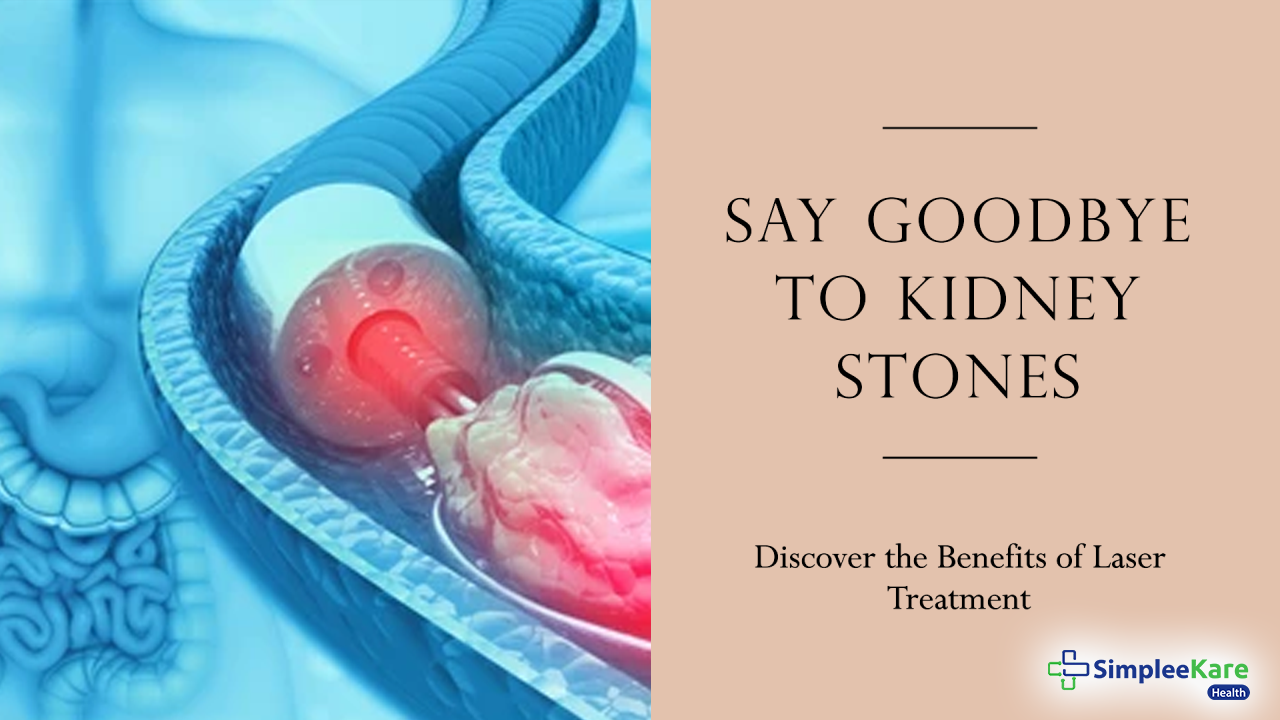
  • A Full Guide to Kidney Stone Removal: Why Laser Treatment is Effective

    A Full Guide to Kidney Stone Removal: Why Laser Treatment is Effective

    Kidney stone removal treatment in India

    Kidney stones are a common and painful condition affecting many individuals. They can cause severe discomfort and lead to serious health issues if not treated properly. One of the most effective treatments available today is laser treatment. In this guide, we will explore what kidney stones are, the symptoms, why laser treatment is required, why it is preferred, and the procedures involved.

    Understanding Kidney Stones

    Kidney stones are hard deposits of minerals and salts that form inside your kidneys. They can vary in size and may cause significant pain as they pass through the urinary tract. Common symptoms include:

    • Severe pain in the back or side
    • Pain during urination
    • Blood in the urine
    • Nausea and vomiting
    • Frequent urination

    These are some of the signs that you should see a urologist. If you experience any of these symptoms, it’s crucial to seek medical attention promptly.

    Why Laser Treatment is Required for Kidney Stones

    Laser treatment, also known as laser lithotripsy, is an advanced procedure used for kidney stone removal. However, it’s not always the first line of treatment. Here’s when and why laser treatment might be required:

    1. Size and Location of the Stones

    Laser treatment is often recommended for kidney stones that are too large to pass naturally or are located in a position that makes natural passage difficult or impossible. Stones larger than 5 mm typically require medical intervention.

    2. Failure of Other Treatments

    In cases where other treatments, such as medication or shock wave lithotripsy, have failed to break down the stones, laser lithotripsy is considered an effective alternative. It’s particularly useful for stones that are resistant to these less invasive treatments.

    3. Severe Symptoms

    If kidney stones cause severe symptoms such as intense pain, frequent urinary tract infections, or obstructive uropathy (blockage in the urinary tract), immediate removal through laser treatment may be necessary to prevent further complications.

    4. Recurrence of Kidney Stones

    Patients with recurrent kidney stones might benefit from laser treatment as it allows for precise and complete removal of stones, reducing the risk of future stone formation.

    5. Specific Composition of Stones

    Certain types of kidney stones, such as those composed of cystine or calcium oxalate monohydrate, can be particularly hard and difficult to break with other methods. Laser lithotripsy is effective in breaking these tough stones into smaller fragments.

    6. Patient Health and Preferences

    Laser treatment may be chosen based on a patient’s overall health, preferences, and specific circumstances. It’s minimally invasive, reduces recovery time, and minimizes the risk of complications, making it a preferred choice for many.

    Why Laser Treatment is Preferred

    Laser treatment for kidney stones is preferred over other methods for several reasons:

    1. Minimally Invasive

    Laser lithotripsy is a minimally invasive procedure, which means it involves smaller incisions, less pain, and quicker recovery times compared to traditional surgery.

    2. Precision

    The laser used in lithotripsy can precisely target and fragment kidney stones without damaging surrounding tissues. This accuracy leads to better outcomes and fewer complications.

    3. Effectiveness

    Laser treatment is highly effective at breaking down even the hardest kidney stones, including those that do not respond well to other treatments. It reduces the stone into tiny fragments that can be easily passed through the urinary tract.

    4. Shorter Recovery Time

    Patients undergoing laser lithotripsy often experience shorter recovery times and can return to their normal activities more quickly than those who undergo more invasive procedures.

    5. Reduced Need for Repeat Procedures

    Because laser treatment is so effective at completely breaking down stones, there is a reduced need for repeat procedures, making it a cost-effective option in the long run.

    Procedures Involved in Laser Treatment for Kidney Stones

    Laser lithotripsy typically involves the following steps:

    1. Preparation

    Before the procedure, you may be asked to fast for several hours. You will be given anaesthesia to ensure you are comfortable and pain-free during the treatment.

    2. Insertion of the Ureteroscope

    A thin, flexible tube called a ureteroscope is inserted through the urethra and bladder into the ureter or kidney. The ureteroscope allows the kidney stone surgeon to view the stones directly.

    3. Laser Fragmentation

    Once the stone is located, a laser fiber is used to deliver high-energy laser pulses to the stone. The laser breaks the stone into small fragments that can be easily passed out of the body in the urine.

    4. Removal of Fragments

    In some cases, the fragments are too large to pass on their own. The surgeon may use special tools to remove the fragments through the ureteroscope.

    5. Post-Procedure Care

    After the procedure, you may experience mild discomfort or blood in the urine, which should resolve within a few days. Drinking plenty of water helps flush out any remaining fragments.

    Is Laser Treatment Always Required for Kidney Stones?

    Laser treatment is not always required for kidney stones. In many cases, kidney stones can be managed with conservative treatments such as increased fluid intake, dietary changes, and medication to help pass the stones naturally. Here are some scenarios where laser treatment might not be necessary:

    Small Stones

    Stones smaller than 5 mm often pass naturally without the need for surgical intervention. Adequate hydration and pain management are usually sufficient for these smaller stones.

    Lack of Symptoms

    Asymptomatic stones, or stones that do not cause any symptoms, may not require immediate treatment. Monitoring the stones with regular imaging and managing them conservatively can be an effective approach.

    Successful Non-Invasive Treatments

    For some patients, non-invasive treatments like medication to dissolve the stones or shock wave lithotripsy to break them up can be effective, eliminating the need for laser treatment.

    Conclusion

    Laser treatment for kidney stones offers a highly effective, minimally invasive solution for those suffering from this painful condition. However, it is not always necessary for every patient. The decision to use laser lithotripsy depends on the size, location, and composition of the stones, as well as the patient’s symptoms and overall health.

    A Note from SimpleeKare

    At SimpleeKare Health Hospital, we prioritize your health and well-being. Our team of experienced urologists, including some of the best in Bhubaneswar and across India, are dedicated to providing advanced and compassionate care. We utilize state-of-the-art facilities and the latest techniques to ensure the best outcomes for our patients. If you or a loved one is dealing with kidney stones, contact us today to schedule a consultation and learn more about the benefits of laser treatment.

    Contact Information:

    Take control of your health and choose the best urology hospital in India for your kidney stone treatment needs. Your comfort and recovery are our top priorities.

  • Diabetic Foot Ulcer Prevention Free Camp at SimpleeKare Hospital, Bhubaneswar

    Diabetic Foot Ulcer Prevention Free Camp at SimpleeKare Hospital, Bhubaneswar

    Are you or a loved one living with diabetes? Taking steps to protect your feet is crucial in managing diabetes and preventing severe complications like foot ulcers. SimpleeKare Hospital, Bhubaneswar is proud to host a comprehensive Diabetic Foot Ulcer Prevention Free Camp led by the esteemed Dr. Shakti Swaroop, a specialist in Foot Ankle Surgery and Diabetic Foot Care. SimpleeKare Hospital is renowned for its commitment to providing high-quality healthcare services, focusing on patient-centered care and advanced medical treatments. With state-of-the-art facilities and a team of experienced healthcare professionals, SimpleeKare ensures that patients receive the best possible care.

    By attending this camp, you will have the opportunity to benefit from a Free Doctor Consultation with Dr. Shakti Swaroop, who will provide personalized advice and guidance on managing diabetic foot health. This camp is designed to empower patients with the knowledge and tools they need to prevent foot ulcers and maintain optimal foot health.

    Event Details:

    Date: 1st July – 31st July 2024

    SimpleeKare Hospital in Google Map Location: https://maps.app.goo.gl/5LJNb2zigX5DNqEU8 

    Location: N2/19, IRC Village, Nayapalli, Bhubaneswar-751015, Odisha, India

     Why Attend?

    Join us to take a crucial step towards ensuring the health of your feet. Our camp includes a specialized Neuropathy Test at an exclusive price of Rs. 1199/- for both feet. This test is designed to detect nerve damage, which is a common issue for those with diabetes. Early detection can help prevent severe complications.

     What’s Included:

    • Neuropathy Test for Both Feet: This test is essential for detecting nerve damage early and preventing complications.
    • Special Diabetes Package: Enjoy a comprehensive package tailored to meet your diabetes care needs.
    • Free Doctor Consultation: Benefit from a free consultation with Dr. Shakti Swaroop, where you can discuss your concerns and receive expert advice on foot care.

    Avoid the Risk of Amputation:

    Foot ulcers can lead to severe complications, including amputation. By attending this camp, you can take proactive steps to ensure your feet remain in the best possible health.

    About Dr. Shakti Swaroop

    Dr. Shakti Swaroop is a highly regarded orthopedic surgeon specializing in foot and ankle issues. His dedication to his field is evident in his extensive training at prestigious institutions worldwide:

    1. Max Super-specialty Hospital (Delhi) – Joint Replacement Surgery
    2. Homerton University Hospital (London) – Joint Replacement Surgery
    3. Fortis Hospital (Jaipur) – Robotic & Navigation Knee Replacement Surgery
    4. Kings College Hospital London (UK) – Advanced Surgical Training (Foot & Ankle)

    Dr. Swaroop is known as Bhubaneswar, Odisha’s premier foot and ankle specialist, offering unique expertise in the region. Previously, he served as a Consultant at AIIMS Bhubaneswar, driven by a desire to give back to his community.

    His impressive experience includes:

    • Performing numerous successful joint replacements, revisions, and foot & ankle surgeries
    • Achieving a high success rate in treating diverse orthopedic conditions
    • Striving for optimal outcomes to ensure long-term patient satisfaction

    Why Choose Dr. Swaroop?

    • Unmatched Expertise: Trained in high-volume centers, Dr. Swaroop offers advanced techniques for foot and ankle procedures.
    • Commitment to Excellence: He prioritizes acquiring the latest knowledge and surgical methods to serve his patients better.
    • Focus on Patient Care: Dr. Swaroop prioritizes achieving positive patient experiences and lasting improvements.

    Contact for Appointments and Consultations:

    Phone: 9776414444, 6371966229

    Website: https://www.simpleekare.com

    Join us at SimpleeKare Hospital this July and take the first step towards protecting your feet and managing your diabetes effectively. Don’t miss this opportunity to benefit from the expertise of Dr. Shakti Swaroop and receive comprehensive diabetic foot care.

    Discover the SimpleeKare Health Membership Plan – your all-in-one solution for affordable, accessible, and comprehensive healthcare services. Join now for smarter, hassle-free care!

  • SimpleeKare in Bhubaneswar: Your Gateway to Holistic Healthcare at Home

    SimpleeKare in Bhubaneswar: Your Gateway to Holistic Healthcare at Home

    In the vibrant state of Odisha, SimpleeKare has emerged as the go-to healthcare destination, earning the esteemed title of Odisha’s No.1 clinic. Nestled in the heart of Bhubaneswar, SimpleeKare stands out for its commitment to providing comprehensive healthcare solutions, and now, it goes a step further by bringing healthcare to your doorstep through a range of homecare services.

    SimpleeKare Home Sample Collection Bhubaneswar

    Home Sample Collection

    Convenience at Your Fingertips

    SimpleeKare’s Home Sample Collection service is a game-changer in the realm of healthcare accessibility. With just a phone call to SimpleeKare, residents of Bhubaneswar can schedule a home visit for blood tests. Skilled phlebotomists ensure a seamless and stress-free experience, collecting samples in the comfort of your home, eliminating the need to visit the clinic.

    Doorstep Medicine Delivery.

    Medicines Delivered to Your Door

    SimpleeKare understands that managing medications can be a challenge, especially for those with mobility issues or busy schedules. The Doorstep Medicine Delivery service, available by calling our customer support or by booking medicines online, ensures that prescribed medications reach your doorstep promptly. This service not only saves time but also promotes adherence to prescribed treatment plans.

    Home X-ray Services

    Cutting-edge Diagnostic Care at Home

    SimpleeKare’s commitment to comprehensive healthcare extends to diagnostic services with Home X-ray services. Residents of Bhubaneswar can contact our support team, and schedule a home visit for X-ray services, allowing for prompt and accurate diagnostics in the comfort of their homes. This is particularly beneficial for patients with limited mobility or those requiring immediate diagnostic attention.

    Comprehensive Healthcare in the Comfort of Your Home

    At SimpleeKare, the vision is to make healthcare a seamless part of your life. By combining Home Sample Collection, Doorstep Medicine Delivery, and Home X-ray services, SimpleeKare ensures that individuals in Bhubaneswar receive comprehensive care without the need to step out of their homes.

    How to Avail Homecare Services at SimpleeKare in Bhubaneswar

    1. Home Sample Collection: Call 9776414444 / 6371966229 to schedule a convenient time for blood sample collection at your home.
    2. Doorstep Medicine Delivery: Dial 9776414444 / 6371966229 to have prescribed medicines delivered to your doorstep.
    3. Home X-ray Services: Schedule a home visit for X-ray services by calling 9776414444 / 6371966229.

    Conclusion

    SimpleeKare in Bhubaneswar has rightfully earned its status as Odisha’s No.1 clinic by seamlessly integrating healthcare into the daily lives of its residents. The Home Sample Collection, Doorstep Medicine Delivery, and Home X-ray services reflect SimpleeKare’s commitment to providing holistic healthcare with a patient-centric approach. Experience the convenience of comprehensive healthcare at home with SimpleeKare – where your well-being is the top priority.

  • 5 Signs That You Should Consult a Urologist Soon

    5 Signs That You Should Consult a Urologist Soon

    Urologists are medical specialists who focus on the urinary tract and the male reproductive system. While some urinary issues may seem minor, they can be indicative of more serious health conditions.

    Here are five signs that you should consult a urologist soon.

    1. Persistent Urinary Tract Infections (UTIs)

    UTIs are common, especially among women, but recurrent or persistent infections may signal an underlying issue. If you experience frequent UTIs, it’s essential to see a urologist. They can perform tests to determine the cause, such as kidney stones or structural abnormalities in the urinary tract. Ignoring recurrent UTIs can lead to more severe kidney infections and other complications, so timely diagnosis and treatment are crucial.

    2. Blood in Urine

    Finding blood in your urine, known as hematuria, is a concerning symptom that should never be ignored. Blood in urine can be a sign of various conditions, including urinary tract infections, kidney stones, or more serious issues like bladder or kidney cancer. A urologist can conduct necessary tests, such as urinalysis, imaging, and cystoscopy, to identify the cause and develop an appropriate treatment plan for Kidney stone surgery

    3. Difficulty Urinating

    Difficulty urinating can manifest as a weak urine stream, straining to urinate, or feeling like you can’t completely empty your bladder. These symptoms can be caused by an enlarged prostate in men, urinary tract infections, or bladder dysfunction. Seeing a urologist is essential to determine the cause and receive proper treatment, which may include medications or surgical interventions to alleviate symptoms and prevent complications.

    4. Pain in the Lower Abdomen or Groin

    Persistent pain in the lower abdomen, groin, or pelvic area can indicate several urological issues, including kidney stones, urinary tract infections, or bladder problems. This type of pain, especially if accompanied by other symptoms like fever or nausea, warrants a consult with a urologist. Early diagnosis and treatment can prevent further complications and alleviate discomfort.

    5. Incontinence or Frequent Urination

    Experiencing incontinence or an urgent and frequent need to urinate can significantly impact your quality of life. These symptoms can be due to various conditions, such as overactive bladder, urinary tract infections, or neurological disorders affecting bladder control. A urologist can provide a comprehensive evaluation and recommend treatments to manage these symptoms effectively, which may include medications, lifestyle changes, or surgical options.

    Conclusion

    Recognizing these signs and seeking timely medical advice from a urologist can lead to early diagnosis and effective treatment of underlying urological conditions. If you experience any of these symptoms, don’t hesitate to schedule an appointment with a top urologist. For those seeking the best urologist in Bhubaneswar or anywhere else in India, SimpleeKare connects you with the best urology hospitals and top specialists to ensure you receive the highest quality care.

    A Note from SimpleeKare

    At SimpleeKare, we understand the importance of specialized care for your urological health. Our network includes the best urology hospitals in India and top urologists in Bhubaneswar, dedicated to providing personalized and comprehensive care. If you have any concerns about your urinary health, contact us to schedule an appointment with one of our experienced urologists. Your health and well-being are our top priorities.

    Call us for Urology specialist doctor – 9776414444

  • 7 Essential Things You Should Always Discuss with Your Gynecologist

    7 Essential Things You Should Always Discuss with Your Gynecologist

    Visiting a gynecologist is crucial for maintaining your overall health and well-being. To make the most of your appointments, it’s important to discuss specific topics that can help your gynecologist provide the best care possible. Here are seven essential things you should always bring up during your visit.

    Best Gynecologist in Bhubaneswar

    1. Menstrual Cycle and Irregularities

    Discussing your menstrual cycle with your gynecologist can provide insights into your reproductive health. Share details about the regularity, duration, and intensity of your periods. If you experience any irregularities, such as missed periods, heavy bleeding, or severe cramps, make sure to mention them. These could be indicators of underlying health conditions such as polycystic ovary syndrome (PCOS), thyroid issues, or uterine fibroids. Understanding your menstrual health can help your gynecologist tailor treatments and provide recommendations to manage symptoms effectively. Click to watch for More information on managing common menstrual problems.

    2. Contraception and Family Planning

    Whether you’re looking to start a family or avoid pregnancy, talking about contraception and family planning is essential. Your gynecologist can help you choose the best birth control method based on your health, lifestyle, and preferences. Options range from oral contraceptives and intrauterine devices (IUDs) to implants and permanent solutions like tubal ligation. They can also guide you through preconception planning, offering advice on nutrition, supplements, and lifestyle changes to ensure a healthy pregnancy when you’re ready.

    3. Sexual Health and Libido

    Your sexual health is an important aspect of your overall well-being. Discuss any concerns you may have about your libido, sexual activity, or any discomfort during intercourse. Your gynecologist can offer solutions and treatments for common issues like vaginal dryness, pain, or infections. They can also provide guidance on safe sex practices, prevention of sexually transmitted infections (STIs), and address any psychological factors affecting your sexual health. Open communication can help you maintain a healthy and satisfying sexual life.

    4. Screenings and Vaccinations

    Regular screenings and vaccinations are vital for preventing serious health conditions. Make sure to ask your gynecologist about Pap smears, HPV tests, and mammograms. These screenings can detect cervical cancer, breast cancer, and other potential issues early, significantly improving treatment outcomes. Additionally, discuss vaccinations such as the HPV vaccine, which can protect against certain types of cancers, and the flu shot, which is important for overall health, especially during pregnancy.

    5. Pelvic Pain and Discomfort

    If you experience any pelvic pain or discomfort, it’s important to bring it up with your gynecologist. Pelvic pain can be caused by various conditions, including endometriosis, fibroids, or infections. By discussing your symptoms, your gynecologist can perform necessary examinations and tests, such as ultrasounds or laparoscopy, to determine the cause and provide appropriate treatment. Early intervention can prevent complications and improve your quality of life.

    6. Hormonal Changes and Menopause

    Hormonal changes can have a significant impact on your health, particularly during menopause. Discuss any symptoms you may be experiencing, such as hot flashes, mood swings, sleep disturbances, or changes in menstrual patterns. Your gynecologist can offer advice on managing these symptoms, which may include lifestyle changes, hormone replacement therapy (HRT), or other medications. Understanding the changes your body is going through can help you navigate this transition more comfortably and maintain your overall health.

    7. Family History and Genetic Concerns

    Your family’s medical history can provide valuable information about your own health risks. Share any history of conditions like breast cancer, ovarian cancer, endometriosis, or other gynecological issues with your gynecologist. This information can help them recommend appropriate screenings, such as genetic testing for BRCA mutations, and preventive measures to keep you healthy. Being proactive about your health by understanding your genetic risks can lead to early detection and better management of potential issues.

    Conclusion

    Having open and honest conversations with your gynecologist is essential for maintaining your reproductive and overall health. By discussing these seven important topics, you can ensure that you receive comprehensive and personalized care. At SimpleeKare, we are dedicated to providing access to the best gynecology doctors and hospitals in Bhubaneswar, ensuring that you receive the highest quality of care. Don’t hesitate to book an appointment with the best gynecologist in Bhubaneswar and take charge of your health today.

    We understand the importance of a gynecologist and a comfortable and trusting patient-doctor relationship, and our goal is to make every visit informative and reassuring. If you have any questions or need to schedule an appointment, please reach out to us. Your health is our top priority.

  • World Hypertension Day: Understanding and Managing High Blood Pressure

    World Hypertension Day: Understanding and Managing High Blood Pressure

    Hypertension, or high blood pressure, is a silent killer that affects millions worldwide. World Hypertension Day, observed on May 17th every year, aims to raise awareness about the importance of preventing, detecting, and controlling hypertension.

    This year, the theme focuses on “Measure Your Blood Pressure Accurately, Control It, Live Longer.”

    Understanding Hypertension

    Hypertension is a common but serious health condition where the force of the blood against the walls of the arteries is consistently too high. It is a major risk factor for heart disease, stroke, and other health problems. Yet, it often goes unnoticed because it has no symptoms in its early stages. That’s why regular blood pressure checks are crucial, especially for those at higher risk, such as older adults, people with a family history of blood pressure, and individuals with unhealthy lifestyle habits.

    Prevention of Hypertension

    Preventing hypertension involves adopting a healthy lifestyle. This includes:

    1. Eating a Healthy Diet: A diet rich in fruits, vegetables, whole grains, and low-fat dairy products can help lower blood pressure. It’s important to reduce sodium intake and limit the consumption of processed and high-sodium foods.
    2. Maintaining a Healthy Weight: Being overweight or obese increases the risk of hypertension. Losing weight through a combination of healthy eating and regular physical activity can help lower blood pressure.
    3. Regular Physical Activity: Engaging in regular physical activity, such as brisk walking, jogging, or cycling, can help lower blood pressure and improve overall health.
    4. Limiting Alcohol Consumption: Drinking too much alcohol can raise blood pressure. It’s important to limit alcohol intake to reduce the risk of it.
    5. Avoiding Tobacco Use: Smoking and tobacco use can raise blood pressure and damage blood vessels. Quitting smoking is essential for reducing the risk of hypertension and other health problems.
    6. Increase Potassium Intake: Potassium helps balance sodium levels in the body, which is important for maintaining healthy blood pressure. Foods rich in potassium include bananas, oranges, potatoes, and spinach.
    7. Stay Active: Regular physical activity can help lower blood pressure. Aim for at least 150 minutes of moderate-intensity exercise per week, such as brisk walking or cycling.
    8. Seek Support: Managing it can be challenging, so don’t hesitate to seek support from friends, family, or a support group.

    Detection: Regular blood pressure checks are vital for early detection of hypertension. SimpleeKare Health provides easy access to blood pressure monitoring through their platform. By measuring your blood pressure accurately and regularly, you can detect it early and take steps to control it.

    Control: Controlling it requires a multi-faceted approach. Lifestyle changes play a significant role, but medication may also be necessary in some cases. It’s important to follow your healthcare provider’s advice and take prescribed blood pressure medicines as directed. SimpleeKare Health offers consultations with healthcare professionals who can provide personalized guidance on managing hypertension.

    SimpleeKare Health’s Role:

    SimpleeKare Health is committed to promoting hypertension awareness and control. Through their platform, they offer resources and support for individuals looking to manage their blood pressure effectively. Whether it’s through educational materials, health packages, online consultations with healthcare providers, or access to blood pressure monitoring devices, SimpleeKare Health strives to empower individuals to take control of their hypertension.

    Hypertension is a serious health condition that requires proactive management and lifestyle changes. By adopting a healthy lifestyle, monitoring your blood pressure regularly, and seeking appropriate medical care, you can reduce your risk of developing complications associated with it. On this World Hypertension Day, let’s pledge to prioritize our heart health. Take the first step towards better heart health by measuring your blood pressure and making positive changes for a healthier tomorrow. Remember, small changes can lead to significant improvements in your overall health and well-being.

  • Enhance Your Lab’s Capabilities with Advanced Histopathology Solutions

    Upgrade your laboratory’s diagnostic precision with cutting-edge histopathology equipment and expert support. Ensure faster, more accurate tissue analysis for improved patient outcomes.

    Enhance your diagnostic lab’s accuracy and reliability with our advanced histopathology solutions. From tissue analysis to pathology reporting, get comprehensive support for better outcomes. Ensure faster diagnosis and improved patient care. Our solutions are tailored to meet the needs of modern labs.

    For More Information click to view : https://www.simpleekare.com/

    Book your online lab test now and experience precision like never before—click here to schedule your test today!


  • Mental Health Awareness: Tips for Managing Stress and Anxiety

    Mental Health Awareness: Tips for Managing Stress and Anxiety

    Mental health is just as important as physical health, yet it is often overlooked. In today’s fast-paced world, stress and anxiety have become increasingly common. It’s essential to raise awareness about mental health issues and provide tips on how to manage stress and anxiety effectively. In this blog post, we’ll explore the importance of mental health awareness and provide practical tips for maintaining your emotional well-being.

    Why Mental Health Awareness Matters:

    Mental health is crucial for overall well-being and quality of life. It affects how we think, feel, and act, and influences our ability to cope with stress, overcome challenges, and build relationships. By raising awareness about mental health, we can reduce stigma and encourage people to seek help when needed. It’s important to recognize the signs of stress and anxiety and take steps to manage them effectively.

    Tips for Managing Stress and Anxiety:

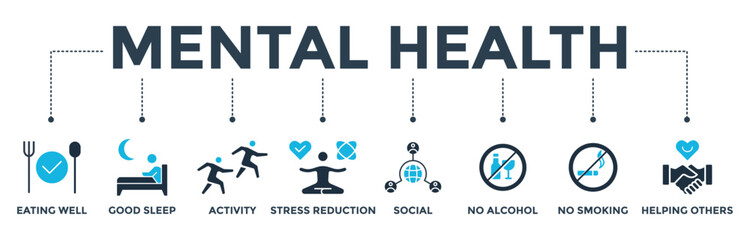
    1. Practice Mindfulness: Mindfulness techniques, such as deep breathing, meditation, and yoga, can help reduce stress and anxiety. Taking a few minutes each day to practice mindfulness can have a profound impact on your mental well-being.
    2. Stay Active: Regular physical activity is essential for both physical and mental health. Exercise releases endorphins, which are natural mood lifters. Try to incorporate at least 30 minutes of physical activity into your daily routine.
    3. Maintain a Healthy Diet: Eating a balanced diet can help support your mental health. Avoiding excessive caffeine and sugar can help prevent spikes and crashes in energy levels, which can contribute to feelings of anxiety.
    4. Get Plenty of Sleep: Lack of sleep can exacerbate feelings of stress and anxiety. Aim for 7-9 hours of quality sleep each night to support your mental health.
    5. Connect with Others: Social support is crucial for mental health. Spend time with friends and family, or join a support group to connect with others who may be experiencing similar challenges.
    6. Limit Exposure to Negative News: Constant exposure to negative news can contribute to feelings of anxiety. Limit your exposure to news media, especially before bed, to reduce stress levels.
    7. Seek Professional Help: If you’re struggling to manage stress and anxiety on your own, don’t hesitate to seek help from a mental health professional. Therapy and medication can be effective treatments for managing these conditions.

    Tips for Managing Stress and Anxiety in Specific Life Situations


    1. Managing Work-Related Stress:

    • Set Boundaries: Establish clear boundaries between work and personal life. Avoid checking work emails or taking work calls outside of work hours.
    • Prioritize Tasks: Make a to-do list and prioritize tasks based on urgency and importance. Focus on completing one task at a time rather than trying to multitask.
    • Practice Mindfulness: Take short breaks throughout the day to practice mindfulness techniques such as deep breathing or meditation. This can help reduce stress and improve focus.
    • Communicate: If you’re feeling overwhelmed, don’t hesitate to communicate with your supervisor or HR department. They may be able to provide support or adjust your workload.
    • Seek Support: Talk to colleagues or friends about your feelings. Sometimes, simply sharing your concerns can help alleviate stress.

    2. Managing Relationship Issues:

    • Communication: Open and honest communication is key to resolving relationship issues. Express your feelings calmly and listen to your partner’s perspective.
    • Set Boundaries: Establishing boundaries can help protect your emotional well-being. Clearly define what is acceptable and what is not in your relationship.
    • Seek Counseling: If relationship issues persist, consider seeking the help of a couples therapist. A therapist can help you and your partner work through your differences and improve communication.
    • Self-Care: Take care of yourself both physically and mentally. Engage in activities that bring you joy and relaxation, such as exercise, hobbies, or spending time with loved ones.
    • Focus on Solutions: Instead of dwelling on the problem, focus on finding solutions together. Brainstorming and working as a team can strengthen your bond and resolve conflicts.

    3. Managing Financial Worries:

    • Create a Budget: Develop a realistic budget to track your income and expenses. This can help you identify areas where you can cut back and save money.
    • Seek Financial Advice: If you’re struggling with financial stress, consider seeking advice from a financial planner or counsellor. They can help you create a plan to manage your finances more effectively.
    • Focus on What You Can Control: While you may not be able to control external factors such as the economy, you can control your spending habits and financial decisions. Focus on what you can change rather than what you can’t.
    • Practice Gratitude: Take time to appreciate what you have rather than focusing on what you lack. Gratitude can help shift your mindset and reduce feelings of stress and anxiety.
    • Explore Income Opportunities: If possible, explore additional sources of income such as freelancing or part-time work. However, make sure to balance this with your mental health and well-being.

    If you’re experiencing severe stress or anxiety, consider seeking help from a mental health professional.

    Effect of Prolonged stress and anxiety

    Prolonged stress and anxiety can have significant effects on both mental and physical health. Here are some potential impacts:

    1. Mental Health Effects:
      • Increased Risk of Mental Health Disorders: Prolonged stress and anxiety can increase the risk of developing mental health disorders such as depression, anxiety disorders, and post-traumatic stress disorder (PTSD).
      • Impaired Cognitive Function: Chronic stress can impair cognitive function, leading to difficulties with memory, concentration, and decision-making.
      • Negative Impact on Relationships: Stress and anxiety can strain relationships with friends, family, and colleagues, leading to increased conflict and isolation.
      • Decreased Quality of Life: Persistent stress and anxiety can reduce overall quality of life, affecting enjoyment of daily activities and overall well-being.
    2. Physical Health Effects:
      • Weakened Immune System: Prolonged stress can weaken the immune system, making individuals more susceptible to infections and illnesses.
      • Cardiovascular Problems: Chronic stress can contribute to the development of cardiovascular problems such as high blood pressure, heart disease, and stroke.
      • Digestive Issues: Stress and anxiety can lead to digestive issues such as stomach ulcers, irritable bowel syndrome (IBS), and acid reflux.
      • Muscle Tension and Pain: Stress and anxiety can cause muscle tension, leading to headaches, back pain, and other physical discomfort.
      • Sleep Disturbances: Chronic stress can disrupt sleep patterns, leading to insomnia or poor-quality sleep, which can further contribute to stress and anxiety.

    Overall, prolonged stress and anxiety can have wide-ranging effects on both mental and physical health. It is important to seek help and implement stress-management strategies to mitigate these effects and promote overall well-being.

    A Journey to Mental Wellness: Sarah’s Story

    Sarah, a successful marketing executive, faced overwhelming stress and anxiety after personal setbacks. With the support of therapy and mindfulness techniques, she learned to manage her anxiety and prioritize self-care. Today, she feels more confident in coping with life’s challenges and hopes to inspire others to prioritize their mental health.

    Conclusion:

    By raising awareness about mental health and adopting healthy coping strategies, we can all take steps to improve our mental well-being. Remember, it’s okay to not be okay, and seeking help is a sign of strength, not weakness. Take care of your mental health, because it matters.

    For more information on mental health awareness and tips for managing stress and anxiety, visit SimpleeKare or contact us today. Your mental health is our priority.

  • Understanding Your Menstrual Cycle: A Guide to Period Health

    Understanding Your Menstrual Cycle: A Guide to Period Health

    Understanding your menstrual cycle is crucial for maintaining overall reproductive health. In this guide, we’ll explore the phases of the menstrual cycle and provide tips for managing your period health.

    What is the Menstrual Cycle?

    The menstrual cycle is a natural process that occurs in women of reproductive age, typically lasting between 21 to 35 days, although cycles outside this range can still be considered normal. It is controlled by a complex interplay of hormones, primarily estrogen and progesterone, which are produced by the ovaries. These hormonal changes prepare the female body for pregnancy each month.

    Every woman’s menstrual cycle is unique, but in general, girls typically start menstruating between the ages of 12 and 14, although it can happen earlier or later. This is known as menarche. The age at which menarche occurs can be influenced by various factors such as genetics, body weight, and overall health. The cycle continues each month until menopause, which typically occurs between the ages of 40 and 58, with the average age being around 51. During menopause, the ovaries stop releasing eggs, and hormone levels decline, leading to the end of menstruation and the ability to conceive naturally.

    Phases of the Menstrual Cycle:

    The menstrual cycle is divided into several phases, including the menstrual phase, follicular phase, ovulation, and luteal phase.

    1. Menstrual Phase (Days 1-5):
      • This phase marks the beginning of your menstrual cycle, with the shedding of the uterine lining.
      • Symptoms may include menstrual cramps, fatigue, and mood swings.
      • It’s important to maintain good hygiene during this phase, using sanitary pads or tampons.
    2. Follicular Phase (Days 1-14):
      • This phase begins on the first day of your period and ends with ovulation.
      • Hormones like estrogen and follicle-stimulating hormone (FSH) rise, stimulating the development of ovarian follicles.
      • Monitoring your menstrual cycle can help track ovulation, which is essential for conception.
    3. Ovulation (Around Day 14):
      • Ovulation occurs around the middle of the cycle when a mature egg is released from the ovary into the fallopian tube.
      • This is the most fertile phase of the menstrual cycle, and conception is most likely to occur if intercourse takes place during this time. If the egg is fertilized by sperm, it may implant in the uterus and result in pregnancy.
      • Ovulation may be accompanied by symptoms like abdominal pain or spotting.
    4. Luteal Phase (Days 15-28):
      • After ovulation, the ruptured follicle transforms into a structure called the corpus luteum, which produces progesterone.
      • Progesterone prepares the uterus for a possible pregnancy by thickening the uterine lining.
      • If pregnancy or fertilization does not occur, hormone levels drop and the egg & the lining of the uterus are shed during menstruation, leading to the start of a new menstrual cycle.

    Maintaining Period Health:

    • Eat a balanced diet rich in iron, calcium, and vitamins to support your menstrual health.
    • Stay hydrated and limit caffeine intake to reduce bloating and cramps.
    • Engage in regular physical activity, which can help reduce menstrual pain and improve mood.
    • Practice good menstrual hygiene by changing sanitary pads or tampons regularly and washing the genital area with mild soap and water.

    It’s important to note that the menstrual cycle can be influenced by various factors such as stress, diet, exercise, and underlying health conditions. Changes in the cycle, such as irregular periods or severe pain, should be discussed with a gynaecologist to rule out any underlying issues and ensure optimal menstrual health.

    Conclusion:

    Understanding your menstrual cycle is key to maintaining good period health. By familiarizing yourself with the phases of your cycle and adopting healthy lifestyle habits, you can better manage your menstrual health and overall well-being. If you experience irregularities or persistent symptoms, consult a gynaecologist for personalized advice and care.


    At SimpleeKare Health, we understand the importance of menstrual health and its impact on overall well-being. If you have any concerns or questions about your cycle, our healthcare experts are here to provide guidance and support. Remember, your health is our priority.