Author: simpleekare

  • Mental Health Awareness: Tips for Managing Stress and Anxiety

    Mental Health Awareness: Tips for Managing Stress and Anxiety

    Mental health is just as important as physical health, yet it is often overlooked. In today’s fast-paced world, stress and anxiety have become increasingly common. It’s essential to raise awareness about mental health issues and provide tips on how to manage stress and anxiety effectively. In this blog post, we’ll explore the importance of mental health awareness and provide practical tips for maintaining your emotional well-being.

    Why Mental Health Awareness Matters:

    Mental health is crucial for overall well-being and quality of life. It affects how we think, feel, and act, and influences our ability to cope with stress, overcome challenges, and build relationships. By raising awareness about mental health, we can reduce stigma and encourage people to seek help when needed. It’s important to recognize the signs of stress and anxiety and take steps to manage them effectively.

    Tips for Managing Stress and Anxiety:

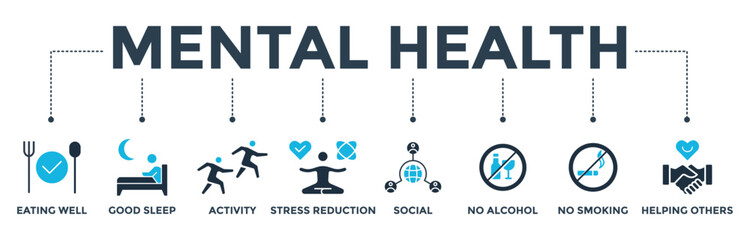
    1. Practice Mindfulness: Mindfulness techniques, such as deep breathing, meditation, and yoga, can help reduce stress and anxiety. Taking a few minutes each day to practice mindfulness can have a profound impact on your mental well-being.
    2. Stay Active: Regular physical activity is essential for both physical and mental health. Exercise releases endorphins, which are natural mood lifters. Try to incorporate at least 30 minutes of physical activity into your daily routine.
    3. Maintain a Healthy Diet: Eating a balanced diet can help support your mental health. Avoiding excessive caffeine and sugar can help prevent spikes and crashes in energy levels, which can contribute to feelings of anxiety.
    4. Get Plenty of Sleep: Lack of sleep can exacerbate feelings of stress and anxiety. Aim for 7-9 hours of quality sleep each night to support your mental health.
    5. Connect with Others: Social support is crucial for mental health. Spend time with friends and family, or join a support group to connect with others who may be experiencing similar challenges.
    6. Limit Exposure to Negative News: Constant exposure to negative news can contribute to feelings of anxiety. Limit your exposure to news media, especially before bed, to reduce stress levels.
    7. Seek Professional Help: If you’re struggling to manage stress and anxiety on your own, don’t hesitate to seek help from a mental health professional. Therapy and medication can be effective treatments for managing these conditions.
    Tips for Managing Stress and Anxiety in Specific Life Situations


    1. Managing Work-Related Stress:

    • Set Boundaries: Establish clear boundaries between work and personal life. Avoid checking work emails or taking work calls outside of work hours.
    • Prioritize Tasks: Make a to-do list and prioritize tasks based on urgency and importance. Focus on completing one task at a time rather than trying to multitask.
    • Practice Mindfulness: Take short breaks throughout the day to practice mindfulness techniques such as deep breathing or meditation. This can help reduce stress and improve focus.
    • Communicate: If you’re feeling overwhelmed, don’t hesitate to communicate with your supervisor or HR department. They may be able to provide support or adjust your workload.
    • Seek Support: Talk to colleagues or friends about your feelings. Sometimes, simply sharing your concerns can help alleviate stress.

    2. Managing Relationship Issues:

    • Communication: Open and honest communication is key to resolving relationship issues. Express your feelings calmly and listen to your partner’s perspective.
    • Set Boundaries: Establishing boundaries can help protect your emotional well-being. Clearly define what is acceptable and what is not in your relationship.
    • Seek Counseling: If relationship issues persist, consider seeking the help of a couples therapist. A therapist can help you and your partner work through your differences and improve communication.
    • Self-Care: Take care of yourself both physically and mentally. Engage in activities that bring you joy and relaxation, such as exercise, hobbies, or spending time with loved ones.
    • Focus on Solutions: Instead of dwelling on the problem, focus on finding solutions together. Brainstorming and working as a team can strengthen your bond and resolve conflicts.

    3. Managing Financial Worries:

    • Create a Budget: Develop a realistic budget to track your income and expenses. This can help you identify areas where you can cut back and save money.
    • Seek Financial Advice: If you’re struggling with financial stress, consider seeking advice from a financial planner or counsellor. They can help you create a plan to manage your finances more effectively.
    • Focus on What You Can Control: While you may not be able to control external factors such as the economy, you can control your spending habits and financial decisions. Focus on what you can change rather than what you can’t.
    • Practice Gratitude: Take time to appreciate what you have rather than focusing on what you lack. Gratitude can help shift your mindset and reduce feelings of stress and anxiety.
    • Explore Income Opportunities: If possible, explore additional sources of income such as freelancing or part-time work. However, make sure to balance this with your mental health and well-being.

    If you’re experiencing severe stress or anxiety, consider seeking help from a mental health professional.

    Effect of Prolonged stress and anxiety

    Prolonged stress and anxiety can have significant effects on both mental and physical health. Here are some potential impacts:

    1. Mental Health Effects:
      • Increased Risk of Mental Health Disorders: Prolonged stress and anxiety can increase the risk of developing mental health disorders such as depression, anxiety disorders, and post-traumatic stress disorder (PTSD).
      • Impaired Cognitive Function: Chronic stress can impair cognitive function, leading to difficulties with memory, concentration, and decision-making.
      • Negative Impact on Relationships: Stress and anxiety can strain relationships with friends, family, and colleagues, leading to increased conflict and isolation.
      • Decreased Quality of Life: Persistent stress and anxiety can reduce overall quality of life, affecting enjoyment of daily activities and overall well-being.
    2. Physical Health Effects:
      • Weakened Immune System: Prolonged stress can weaken the immune system, making individuals more susceptible to infections and illnesses.
      • Cardiovascular Problems: Chronic stress can contribute to the development of cardiovascular problems such as high blood pressure, heart disease, and stroke.
      • Digestive Issues: Stress and anxiety can lead to digestive issues such as stomach ulcers, irritable bowel syndrome (IBS), and acid reflux.
      • Muscle Tension and Pain: Stress and anxiety can cause muscle tension, leading to headaches, back pain, and other physical discomfort.
      • Sleep Disturbances: Chronic stress can disrupt sleep patterns, leading to insomnia or poor-quality sleep, which can further contribute to stress and anxiety.

    Overall, prolonged stress and anxiety can have wide-ranging effects on both mental and physical health. It is important to seek help and implement stress-management strategies to mitigate these effects and promote overall well-being.

    A Journey to Mental Wellness: Sarah’s Story

    Sarah, a successful marketing executive, faced overwhelming stress and anxiety after personal setbacks. With the support of therapy and mindfulness techniques, she learned to manage her anxiety and prioritize self-care. Today, she feels more confident in coping with life’s challenges and hopes to inspire others to prioritize their mental health.

    Conclusion:

    By raising awareness about mental health and adopting healthy coping strategies, we can all take steps to improve our mental well-being. Remember, it’s okay to not be okay, and seeking help is a sign of strength, not weakness. Take care of your mental health, because it matters.

    For more information on mental health awareness and tips for managing stress and anxiety, visit SimpleeKare or contact us today. Your mental health is our priority.


  • Understanding Your Menstrual Cycle: A Guide to Period Health

    Understanding Your Menstrual Cycle: A Guide to Period Health

    Understanding your menstrual cycle is crucial for maintaining overall reproductive health. In this guide, we’ll explore the phases of the menstrual cycle and provide tips for managing your period health.

    What is the Menstrual Cycle?

    The menstrual cycle is a natural process that occurs in women of reproductive age, typically lasting between 21 to 35 days, although cycles outside this range can still be considered normal. It is controlled by a complex interplay of hormones, primarily estrogen and progesterone, which are produced by the ovaries. These hormonal changes prepare the female body for pregnancy each month.

    Every woman’s menstrual cycle is unique, but in general, girls typically start menstruating between the ages of 12 and 14, although it can happen earlier or later. This is known as menarche. The age at which menarche occurs can be influenced by various factors such as genetics, body weight, and overall health. The cycle continues each month until menopause, which typically occurs between the ages of 40 and 58, with the average age being around 51. During menopause, the ovaries stop releasing eggs, and hormone levels decline, leading to the end of menstruation and the ability to conceive naturally.

    Phases of the Menstrual Cycle:

    The menstrual cycle is divided into several phases, including the menstrual phase, follicular phase, ovulation, and luteal phase.

    1. Menstrual Phase (Days 1-5):
      • This phase marks the beginning of your menstrual cycle, with the shedding of the uterine lining.
      • Symptoms may include menstrual cramps, fatigue, and mood swings.
      • It’s important to maintain good hygiene during this phase, using sanitary pads or tampons.
    2. Follicular Phase (Days 1-14):
      • This phase begins on the first day of your period and ends with ovulation.
      • Hormones like estrogen and follicle-stimulating hormone (FSH) rise, stimulating the development of ovarian follicles.
      • Monitoring your menstrual cycle can help track ovulation, which is essential for conception.
    3. Ovulation (Around Day 14):
      • Ovulation occurs around the middle of the cycle when a mature egg is released from the ovary into the fallopian tube.
      • This is the most fertile phase of the menstrual cycle, and conception is most likely to occur if intercourse takes place during this time. If the egg is fertilized by sperm, it may implant in the uterus and result in pregnancy.
      • Ovulation may be accompanied by symptoms like abdominal pain or spotting.
    4. Luteal Phase (Days 15-28):
      • After ovulation, the ruptured follicle transforms into a structure called the corpus luteum, which produces progesterone.
      • Progesterone prepares the uterus for a possible pregnancy by thickening the uterine lining.
      • If pregnancy or fertilization does not occur, hormone levels drop and the egg & the lining of the uterus are shed during menstruation, leading to the start of a new menstrual cycle.

    Maintaining Period Health:

    • Eat a balanced diet rich in iron, calcium, and vitamins to support your menstrual health.
    • Stay hydrated and limit caffeine intake to reduce bloating and cramps.
    • Engage in regular physical activity, which can help reduce menstrual pain and improve mood.
    • Practice good menstrual hygiene by changing sanitary pads or tampons regularly and washing the genital area with mild soap and water.

    It’s important to note that the menstrual cycle can be influenced by various factors such as stress, diet, exercise, and underlying health conditions. Changes in the cycle, such as irregular periods or severe pain, should be discussed with a gynaecologist to rule out any underlying issues and ensure optimal menstrual health.

    Conclusion:

    Understanding your menstrual cycle is key to maintaining good period health. By familiarizing yourself with the phases of your cycle and adopting healthy lifestyle habits, you can better manage your menstrual health and overall well-being. If you experience irregularities or persistent symptoms, consult a gynaecologist for personalized advice and care.


    At SimpleeKare Health, we understand the importance of menstrual health and its impact on overall well-being. If you have any concerns or questions about your cycle, our healthcare experts are here to provide guidance and support. Remember, your health is our priority.

  • The Role of Histopathology in Organ Transplantation: A Silent Guardian of Success

    The Role of Histopathology in Organ Transplantation: A Silent Guardian of Success

    Organ transplantation offers a life-saving lifeline to countless individuals suffering from organ failure. But behind the scenes of this medical marvel lies a crucial player: histopathology. This specialized field of medicine examines tissues under a microscope, providing invaluable information that guides every stage of the transplant process.

    Ensuring Organ Suitability:

    The journey begins with organ donation. Histopathological analysis of the potential donor organ is essential to assess its viability. Pathologists meticulously examine the tissue for signs of disease, damage, or infections that could compromise the success of the transplant. This meticulous evaluation helps prevent the transplantation of unsuitable organs, maximizing the chances of a positive outcome for the recipient.

    Histopathology

    Diagnosis of Rejection:

    One of the biggest hurdles in organ transplantation is rejection. The recipient’s immune system recognizes the transplanted organ as foreign and attacks it. Histopathology plays a critical role in diagnosing rejection. Biopsy samples are taken from the transplanted organ and analyzed microscopically. Pathologists identify specific patterns of immune cell infiltration and tissue damage, allowing for prompt diagnosis and adjustment of immunosuppressive medications to prevent organ failure.

    Monitoring Long-Term Health:

    Following transplant surgery, recipients undergo regular monitoring to ensure the long-term health of the transplanted organ. Histopathological analysis of biopsy samples helps detect early signs of complications like chronic allograft dysfunction, viral infections, or recurrence of the original disease in the transplanted organ. This allows for early intervention and management, improving the longevity and function of the transplant.

    Understanding Disease Processes:

    Histopathological findings not only diagnose problems; they also contribute to our understanding of transplant-related diseases. By studying the microscopic changes associated with rejection or other complications, researchers can develop new therapeutic strategies and refine immunosuppressive regimens to improve transplant outcomes.

    The Art and Science:

    Histopathology in transplantation is a blend of meticulous science and seasoned expertise. Pathologists utilize advanced microscopy techniques, specialized stains, and a deep understanding of disease processes to interpret the complex information hidden within tissue samples. Their expertise is vital for accurate diagnosis and guiding optimal patient care.

    The Future of Histopathology:

    The field of histopathology is constantly evolving. Emerging technologies like digital pathology and artificial intelligence are transforming the way transplant-related biopsies are analyzed. These advancements aim to improve efficiency, accuracy, and consistency in diagnosis, further enhancing transplant outcomes.

    Conclusion:

    Histopathology plays an indispensable role in organ transplantation. From ensuring organ suitability to diagnosing complications and monitoring long-term health, this specialized field acts as a silent guardian in this life-saving medical procedure. As technology advances, histopathology will continue to refine its tools and expertise, ensuring a brighter future for organ transplantation and improved patient care.

    If you or someone you know is considering organ transplantation, it’s crucial to consult with a team of experienced professionals, including dedicated histopathologists. SimpleeKare Health Hospital is committed to providing comprehensive leveraging advanced diagnostic techniques and personalized patient support.  Contact us today to learn more about our transplant program and how we can help you on your journey to a healthier tomorrow.

  • Cerelac Baby Food: Stages, Nutritional Value & Feeding Tips

    Cerelac Baby Food: Stages, Nutritional Value & Feeding Tips

    Cerelac baby food ( a trusted brand ) has been a go-to choice for parents worldwide. Recently, there’s been a buzz around Cerelac’s sugar content, with contrasting reports between countries. Here we provide a comprehensive overview for parents looking to understand more about Cerelac and make informed decisions about their baby’s diet. Let’s delve into the details to understand more about this popular baby food.

    History:

    Cerelac baby food was introduced by Nestle in 1949 as the first infant cereal to provide a convenient and nutritionally balanced alternative to traditional porridge. Over the years, Cerelac has evolved to meet the changing nutritional needs of infants worldwide.

    Cerelac’s Nutritional Value:

    Cerelac is known for its balanced nutrition, containing essential vitamins, minerals, and nutrients including iron, calcium, and zinc, to support healthy growth and development of a baby. It is also a good source of carbohydrates, proteins, and fats, necessary for the energy needs of growing infants. It is often the first solid food introduced to infants, offering a smooth transition from breast milk or formula.

    Production Process:

    Cerelac baby food is made from carefully selected grains, such as rice, wheat, or oats, which are finely ground and cooked to a smooth consistency. The cereal is then fortified with vitamins and minerals before being dried and packaged.

    Feeding Tips:

    When introducing Cerelac baby food to infants, it is recommended to

    • Start with small amounts mixed with breast milk, formula, or water to achieve a smooth consistency.
    • stir well until you achieve a smooth and creamy consistency. This ensures that your baby can easily swallow the food.
    • Before feeding, always check the temperature of the prepared Cerelac to ensure it is not too hot for your baby’s delicate mouth. A lukewarm temperature is ideal.
    • Use a clean spoon to feed your baby to maintain hygiene and prevent the spread of germs. Avoid feeding directly from the jar to prevent contamination.
    • Feed your baby in a calm and quiet environment to minimize distractions and encourage a peaceful feeding experience.
    • Discard any leftover Cerelac after the feeding session to prevent bacterial growth. Do not reheat or reuse any leftover food.
    • Observe your baby’s cues during feeding. Stop feeding if your baby shows signs of being full, such as turning away or closing their mouth.

    As the baby grows, Cerelac baby food can be gradually thickened to match their developmental stage and feeding abilities.

    Cerelac baby food

    Varieties According to Child’s Age:

    Cerelac offers a variety of products tailored to different stages of a child’s development. For infants aged 6 months and above, there are Cerelac Rice and Cerelac Wheat variants, which are ideal for introducing solids to babies. As the baby grows, Cerelac also offers Stage 2 and Stage 3 variants, which contain additional nutrients suitable for older infants.

    Multigrain, Fruits, and Vegetables:

    Cerelac offers a range of flavours, including Multigrain, and variants with fruits (such as apple, banana, and mango) and vegetables (such as carrot and pumpkin). Introducing different flavours not only adds variety to your baby’s diet but also helps in developing their taste buds and acceptance of different food textures. This variety also ensures that your baby receives a wide range of nutrients essential for their growth and development.

    Comparisons:

    Cerelac stands out among infant cereals for its nutritional content and ease of preparation. However, other brands are offering similar products, such as Gerber and Earth’s Best, which also provide a range of infant cereals fortified with essential nutrients.

    Recent News:

    Recent reports have highlighted regional variations in Cerelac baby products. While Nestle’s wheat-based Cerelac for six-month-old babies in the UK and Germany is sold without any added sugars, a study in India found that some Cerelac products contained added sugars. This has prompted the Food Safety and Standards Authority of India (FSSAI) to investigate the composition of Nestle’s Cerelac baby cereals to ensure compliance with local regulations. It’s important to note that the sugar content was declared on the packaging in India, ensuring transparency for parents.

    Expert Opinion:

    Pediatric doctors available on SimpleeKare‘s platform emphasize the importance of understanding the nutritional information on baby food labels. While Cerelac bab food provides essential nutrients, parents should be mindful of added sugars. Consulting with a pediatrician can help in making informed decisions about your baby’s diet.

    FAQs for Cerelac Baby Food

      • Is Cerelac suitable for all babies?

      Cerelac is generally suitable for most babies, but it’s always best to consult with your pediatrician before introducing any new food to your baby’s diet, especially if your baby has allergies or other dietary restrictions.

      • How do I know if my baby is ready for Cerelac?

      Most babies are ready for solid foods, including Cerelac, when they can sit up with support, hold their head steady, and show an interest in food. It’s typically recommended to start solids around 6 months of age, but again, consult with your pediatrician for personalized advice.

      • Can Cerelac baby food be used as a replacement for breast milk or formula?

      Cerelac is not a replacement for breast milk or formula, which should be the primary source of nutrition for infants under 1 year of age. Cerelac can be introduced as a complementary food to gradually transition your baby to solid foods.

      • Are there any preservatives or artificial ingredients in Cerelac?

      Cerelac is made with carefully selected ingredients and is free from artificial colors, flavors, and preservatives. However, it’s always a good idea to check the product label for specific information.

      • How should Cerelac be stored and prepared?

      Cerelac baby food should be stored in a cool, dry place and used before the expiration date. To prepare Cerelac, mix the desired amount with breast milk, formula, or water to achieve a smooth consistency. Always use a clean spoon to feed your baby and discard any leftover Cerelac after the feeding session.

      Conclusion:

      Cerelac baby food remains a nutritious choice for infants, offering a convenient and balanced option for parents. However, it’s crucial to be aware of regional variations in product formulations, especially regarding added sugars. By staying informed and seeking guidance from healthcare professionals, parents can make the best choices for their baby’s health and well-being.

    1. Your Complete Guide to Cold and Flu: Symptoms, Remedies, & Online Help

      Your Complete Guide to Cold and Flu: Symptoms, Remedies, & Online Help

      At SimpleeKare Health, we understand the impact of cold and flu diseases on individuals and communities. With our expertise and dedication, we provide comprehensive care and support to help you navigate through these common ailments with comfort and confidence. SimpleeKare Hospital can help you stay healthy and informed.

      3 Simple Tips to Combat Cold & Flu Season:

      1. Stay Hydrated: One of the simplest yet most effective remedies for cold and flu is to stay hydrated. Drink plenty of water, herbal teas, and clear broths to keep your body hydrated and help flush out toxins.

      2. Get Plenty of Rest: Rest is crucial for your body to fight off infections. Make sure to get plenty of sleep and give your body the time it needs to recover. Avoid overexerting yourself, and prioritize rest during times of illness.

      3. Boost Your Immune System: Support your body’s immune system by eating a balanced diet rich in fruits, vegetables, and whole grains. Incorporate immune-boosting foods like garlic, ginger, and citrus fruits into your meals to help fend off cold and flu viruses

      Understanding Cold and Flu:

      The common cold and influenza (flu) are viral infections that affect the respiratory system, often leading to symptoms such as sore throat, cough, runny nose, fever, and fatigue. While the symptoms of both illnesses may overlap, the flu tends to be more severe and can result in complications, especially for vulnerable populations such as young children, older adults, and individuals with underlying health conditions.

      Symptoms:

      Cold and flu share many symptoms, making it challenging to differentiate between the two.

      • Common symptoms include:
      1. Runny or stuffy nose
      2. Sore throat
      3. Cough
      4. Sneezing
      5. Fatigue
      6. Fever (more common with flu)
      7. Body aches
      8. Headache

      It’s important to note that flu symptoms tend to be more severe and come on more suddenly than those of a cold.

      “The best medicine is to be at peace with your mind.” – Dalai Lama

      Prevention and Treatment:

      Preventing the spread of cold and flu viruses is key to staying healthy during the winter months. Practice good hygiene habits, such as frequent handwashing, covering your mouth and nose when coughing or sneezing, and avoiding close contact with sick individuals. Additionally, getting vaccinated against the flu can help protect you and your loved ones from this potentially serious illness.

      In the event that you do fall ill with a cold or flu, rest, stay hydrated, and consider over-the-counter medications to alleviate symptoms. However, if your symptoms worsen or persist, don’t hesitate to seek medical attention from our experienced healthcare professionals at SimpleeKare Hospital.

      “The best way to prevent the flu is to keep your immune system strong.” – Steven Magee

      SimpleeKare’s Commitment to Your Well-being:

      Expert Doctors: Our team of experienced and qualified physicians is dedicated to providing personalized care and accurate diagnosis.

      Advanced Facilities: We are equipped with the latest diagnostic tools and treatment technologies to ensure the best possible outcomes.

      Preventive Care: We believe in prevention and offer various health screenings, vaccinations, and educational programs to help you stay healthy.

      Community Outreach: SimpleeKare actively participates in community health initiatives, raising awareness and providing accessible healthcare services.

      Stay Informed and Take Action:

      • Visit our website for informative articles and videos on common diseases and their prevention.
      • Follow us on social media for health tips, updates, and upcoming events.
      • Schedule regular checkups with your doctor to monitor your health and identify potential issues early.
      • Don’t hesitate to consult our doctors if you experience any concerning symptoms.
      • Together, we can overcome common health challenges and build a healthier community. Stay informed, take preventive measures, and seek timely medical help when needed. SimpleeKare Hospital is here to support you every step of the way.

      How do you prioritize self-care during cold and flu season?

      Take a moment to reflect on the steps you can take to support your immune system and prioritize rest and hydration during times of illness.

      ConferKare’s Online Doctor Consultation for Flu:

      For added convenience and peace of mind, consider utilizing ConferKare, the best online doctor consultation platform in India 2024, for expert medical advice and support related to cold and flu symptoms. With ConferKare, you can access instant video consultations with top doctors and specialists, all from the comfort of your own home. Your health and privacy are our top priorities, and all consultations are 100% confidential.

      Your Access to Online Doctor Consultation

      In today’s fast-paced world, access to healthcare services when you need them is crucial. That’s why ConferKare brings you 24/7 Online Doctor Consultation in India, providing instant medical support right at your fingertips.

      With private consultations and audio calls starting at just ₹299, you can now connect with over 50 verified doctors across various specialties. Whether it’s dermatology, pediatrics, diabetology, psychiatry, orthopedics, ENT, or any other field, our network of experienced doctors is here to help.

      How It Works:

      Select the Doctor: Choose from our extensive list of specialists based on your symptoms or your preferred doctor.

      Book the Appointment: Fill in your details, which will be verified, and book your appointment with a verified doctor.

      Free Follow-up: Connect with your doctor for a digital prescription and enjoy a free follow-up consultation, making the process seamless and convenient.

      Learn more about ConferKare and how it can benefit you during cold and flu season by visiting https://www.conferkare.com/Docprofile?userId=455.

      As cold and flu season approaches, SimpleeKare Hospital is here to support you. Schedule a video consultation with a ConferDr today for expert medical advice, browse our medication library for remedies, and contact us directly with any questions. Stay healthy with SimpleeKare!

      Schedule a video consultation with a ConferKare today: https://www.conferkare.com/

      Contact us directly: Phone number or WhatsApp or Visit our Website: www.simpleekare.com

      The SimpleeKare Hospital Team

    2. 10 Essential Health Tips for Busy Professionals

      10 Essential Health Tips for Busy Professionals

      In today’s fast-paced world, juggling career demands with personal well-being can be challenging. Busy professionals often find themselves caught up in hectic schedules, leaving little time to focus on their health. However, neglecting health can have serious consequences in the long run. Here are ten essential health tips tailored for busy professionals to help maintain a healthy lifestyle amidst their busy routines.

      1. Prioritize Sleep

      Among the hustle and bustle of professional life, adequate sleep often takes a backseat. However, quality sleep is crucial for physical and mental rejuvenation. Aim for 7-9 hours of uninterrupted sleep each night to optimize productivity and overall well-being.

      “The mind is everything. What do you think you will become.” – Buddha

      2. Healthy Eating Habits

      Despite time constraints, making healthy food choices is paramount. Incorporate plenty of fruits, vegetables, lean proteins, and whole grains into your diet. Plan and prepare meals in advance to avoid relying on fast food or unhealthy snacks during busy days. Fuel your body and mind for a vibrant life by prioritizing whole, nutrient-rich foods and mindful eating habits.

      3. Regular Exercise

      Finding time for exercise may seem daunting, but even short bursts of physical activity can make a significant difference. Incorporate activities like walking meetings, taking the stairs, or quick workout sessions during breaks to stay active throughout the day. Move your body, elevate your mind and well-being with consistent, enjoyable physical activity.

      4. Stress Management

      High-stress levels can take a toll on both physical and mental health. Practice stress-reduction techniques such as deep breathing, meditation, or yoga to help manage stress effectively. Setting boundaries and learning to delegate tasks can also alleviate stress.

      5. Hydration

      Staying hydrated is vital for optimal bodily functions. Keep a water bottle handy and aim to drink at least 8-10 glasses of water each day. Avoid excessive consumption of caffeinated or sugary beverages, as they can lead to dehydration.

      6. Mindfulness and Meditation

      Incorporating mindfulness practices into daily routines can enhance focus, reduce anxiety, and improve overall well-being. Take a few minutes each day to engage in mindful activities such as meditation, deep breathing, or simply being present in the moment.

      7. Schedule Breaks

      Despite busy schedules, it’s essential to schedule regular breaks to rest and recharge. Breaks improve productivity, creativity, and prevent burnout. Use breaks to step away from work, engage in enjoyable activities, or simply relax and unwind.

      8. Maintain Work-Life Balance

      Finding a balance between work and personal life is crucial for long-term health and happiness. Set boundaries between work and leisure time, prioritize activities that bring joy and fulfillment outside of work, and make time for hobbies, family, and friends.

      9. Regular Health Check-ups

      Preventive healthcare is key to identifying and addressing potential health issues early on. Schedule regular check-ups with the top healthcare providers near you, undergo recommended screenings, and prioritize vaccinations to maintain optimal health and well-being.

      10. Limiting Screen Time

      In today’s digital age, excessive screen time can negatively impact health and well-being. Set limits on screen time, especially before bedtime, to improve sleep quality and reduce eye strain. Prioritize face-to-face interactions over virtual communication whenever possible.

      Invest in your well-being because health is the ultimate wealth

      “The important thing is not to stop questioning. Curiosity has its own reason for existing.” – Albert Einstein

      2 Innovative Ways to Improve Mental Wellness Find Inner Peace: Explore Religious Spaces & Recharge Your Mind

      1. Travel to a Religious Space: Find a religious location that speaks to you, whether it’s a temple, church, mosque, or other place of worship. These areas frequently create an atmosphere of peace that can help you relax and improve your mental health.  Switching off your phone upon entering allows you to fully immerse yourself in the peaceful surroundings, free from the worries of the day.
      2. Read Motivational Books: Bring some literature that will inspire and motivate you. As you read these novels, take in the positive dialogue and motivating ideas that they offer. Allow these words to strengthen and encourage you, increasing your mental strength. By filling your mind with positivity, you equip yourself with the tools needed to face challenges head-on and overcome them with ease.

      Simpleekare Hospital Exceeds Expectations With Excellent Care

      Pramod Kumar Barik recently received exceptional care and expertise at SimpleeKare Hospital in Bhubaneswar.  Mr. Barik is pleased with the hospital staff’s response and helpful attitude.

      “I was very happy with the services and the good staff behavior at SimpleeKare Hospital,” Mr. Barik said. “The doctors were not only experts but also explained everything clearly and made sure I felt comfortable throughout the process.”

      Mr. Barik confidently recommends SimpleeKare as the best multi-specialty hospital in Bhubaneswar. He encourages others to look into the great experiences provided in their Google reviews.

      Overcoming Stress: A Doctor’s Guide While this newsletter provides general health information and tips, it is not a substitute for personalized medical advice.

      For the best care, prioritize a conversation with your doctor to discuss any concerns. Telehealth consultations offer a convenient way to connect, and for complex issues, consider multi-specialty hospitals where a range of specialists can collaborate under one roof. For more wellness tips, online doctor consultation in India, visit SimpleeKare.com.

      “What are your thoughts on these ideas? Share your perspective in the comments below!”

    3. Embracing Neurodiversity: World Autism Awareness Day 2024

      Embracing Neurodiversity: World Autism Awareness Day 2024

      Introduction: In a world where uniqueness is celebrated, understanding and embracing neurodiversity plays a pivotal role. As we commemorate World Autism Awareness Day on April 2nd, 2024, it’s an opportune moment to reflect on the importance of creating inclusive environments and supporting individuals on the autism spectrum. At SimpleeKare, we believe in fostering empathy, acceptance, and empowerment for all. Join us as we delve into the significance of this day and how we can advocate for a more inclusive society.

      World Autism Awareness Day

      Understanding Autism: Autism Spectrum Disorder (ASD) is a developmental disorder characterized by challenges in social interaction, communication, and repetitive behaviors. However, it’s essential to recognize that autism is a spectrum, meaning individuals can experience a wide range of strengths, abilities, and challenges. Each person with autism is unique, possessing their own talents, perspectives, and ways of experiencing the world.

      Promoting Acceptance and Inclusion: On World Autism Awareness Day, we aim to go beyond mere awareness and promote acceptance and inclusion. It’s about creating environments where individuals with autism feel valued, respected, and supported. SimpleeKare advocates for inclusive practices in workplaces, schools, and communities to ensure that everyone, regardless of neurodiversity, has equal opportunities to thrive.

      Empowering Individuals and Families: Empowerment lies at the heart of our mission. We strive to empower individuals with autism by providing them with the tools, resources, and support they need to reach their full potential. Whether it’s through specialized healthcare services, educational programs, or employment opportunities, we are committed to empowering individuals with autism to lead fulfilling and meaningful lives. Additionally, we recognize the vital role that families play in the journey of individuals with autism and offer support and guidance to caregivers every step of the way.

      Raising Awareness and Advocating for Change: While progress has been made in raising awareness about autism, there is still much work to be done. World Autism Awareness Day serves as a reminder of the ongoing need to advocate for policy changes, increased funding for research, and greater access to services and support. At SimpleeKare, we actively engage in advocacy efforts to champion the rights and needs of individuals with autism and their families, working towards a more inclusive and equitable society for all.

      Conclusion: As we commemorate World Autism Awareness Day on April 2nd, 2024, let us reaffirm our commitment to embracing neurodiversity and promoting acceptance, inclusion, and empowerment for individuals with autism. Together, we can create a world where differences are celebrated, and everyone has the opportunity to thrive. At SimpleeKare, we stand in solidarity with the autism community today and every day.

    4. Sinusitis: Symptoms, Risk Factors, Treatment, and More

      Sinusitis: Symptoms, Risk Factors, Treatment, and More

      Sinusitis is a common condition that affects millions of people worldwide. It occurs when the tissue lining the sinuses becomes inflamed or swollen, leading to symptoms such as facial pain, headaches, and nasal congestion. While sinusitis is usually not serious and often resolves on its own, it can cause discomfort and impact your quality of life. In this blog post, we’ll explore the symptoms, risk factors, treatment options, and more for sinusitis.

      Sinus Treatment in SimpleeKare Bhubaneswar & Chennai

      What is Sinusitis?

      Sinusitis, also known as a sinus infection, is the inflammation or swelling of the tissue lining the sinuses. The sinuses are hollow cavities in the skull, located around the nose and eyes. They produce mucus, which helps to moisten the air we breathe and trap dust and other particles.

      When the sinuses become inflamed, the mucus cannot drain properly, leading to a buildup of mucus and pressure. This can cause symptoms such as:

      • Facial pain or pressure
      • Nasal congestion
      • Runny nose
      • Loss of smell
      • Cough
      • Fatigue
      • Fever
      • Bad breath
      • Dental pain

      Types of Sinusitis

      There are several types, including:

      1. Acute sinusitis: This type lasts for a short time, usually less than four weeks, and is often caused by a bacterial infection.
      2. Subacute sinusitis: This type lasts between four and 12 weeks.
      3. Chronic sinusitis: This type lasts for 12 weeks or longer and may require more intensive treatment.
      4. Recurrent sinusitis: This type occurs several times a year.

      Risk Factors

      Several factors can increase your risk of developing it, including:

      • Allergies
      • Nasal polyps
      • Deviated septum
      • Respiratory tract infections
      • Asthma
      • Cystic fibrosis
      • Immune system disorders
      • Smoking
      • Dental infections
      • Swimming or diving

      Diagnosis

      Your doctor will diagnose based on your symptoms, a physical examination, and possibly imaging tests, such as a CT scan or MRI.

      Treatment

      reatment of sinusitis depends on the type and severity of your symptoms. Options may include:

      • Over-the-counter decongestants and pain relievers
      • Nasal corticosteroid sprays
      • Saline nasal irrigation
      • Antibiotics (for bacterial sinusitis)
      • Allergy medications
      • In severe cases, sinus surgery to remove blockages or correct structural issues

      Prevention

      You can reduce your risk of developing it by:

      • Avoiding known allergens
      • Using a humidifier
      • Practicing good hand hygiene
      • Avoiding smoking
      • Getting vaccinated against the flu
      • Using a nasal saline spray

      When to See a Sinus Specialist

      If you have symptoms that are persistent or severe, it may be time to see a sinus specialist, also known as an otolaryngologist or an ear, nose, and throat (ENT) doctor. A sinus specialist can perform a thorough evaluation, which may include a nasal endoscopy or imaging tests, to determine the underlying cause of your symptoms and develop a personalized treatment plan to help you find relief.

      Here are some signs that you may need to see a sinus specialist:

      • Your symptoms are not improving with standard treatments recommended by your primary care physician.
      • You have recurrent sinus infections.
      • You have chronic symptoms, such as nasal congestion, facial pain, or loss of smell, that last for 12 weeks or longer.
      • You have complications, such as a sinus infection that spreads to the eyes or brain.
      • You have other sinus-related conditions, such as nasal polyps or a deviated septum, that may require specialized treatment.

      If you experience any of these symptoms or have concerns about your sinus health, don’t hesitate to schedule an appointment with a sinus specialist for expert care.

      In conclusion, sinusitis is a common condition that can cause discomfort and impact your quality of life. By understanding the symptoms, risk factors, and treatment options, you can better manage sinusitis and reduce its impact on your life. If you suspect you have sinusitis, speak with our doctors a SimpleeKare Health for an accurate diagnosis and appropriate treatment.

    5. Understanding Cervical Cancer: Prevention, Detection, and Treatment

      Understanding Cervical Cancer: Prevention, Detection, and Treatment

      Cervical cancer is a significant health concern for women worldwide. According to the World Health Organization (WHO), it is the fourth most common cancer in women globally, with approximately 570,000 new cases and 311,000 deaths reported each year. However, with increased awareness, regular screening, and advancements in medical science, cervical cancer is largely preventable and treatable. In this blog, we’ll delve into the intricacies of cervical cancer, including its causes, risk factors, prevention strategies, detection methods, and available treatments.

      Cervical Cancer Screening at Bhubaneswar

      What is Cervical Cancer?

      Cervical cancer occurs when abnormal cells in the lining of the cervix (the lower part of the uterus) grow out of control. Most cervical cancers are caused by the human papillomavirus (HPV), a sexually transmitted infection. However, not all women with HPV will develop cervical cancer, indicating that other factors may contribute to its development.

      Risk Factors:

      Several factors can increase a woman’s risk of developing cervical cancer, including:

      1. Persistent HPV infection: Certain strains of HPV, particularly HPV 16 and 18, are known to increase the risk of cervical cancer.
      2. Lack of regular Pap tests: Regular screening with Pap tests (also known as Pap smears) can detect abnormal cells in the cervix before they become cancerous or at an early stage when treatment is most effective. Failure to undergo regular screening increases the risk of undetected cervical cancer.
      3. Smoking: Tobacco use has been linked to an increased risk of cervical cancer.
      4. Weak immune system: Women with weakened immune systems, such as those with HIV/AIDS or those taking immunosuppressant drugs, are at higher risk.
      5. Early sexual activity: Engaging in sexual activity at a young age increases the likelihood of exposure to HPV.
      6. Multiple sexual partners: Having multiple sexual partners or having a partner who has had multiple sexual partners increases the risk of HPV infection.

      Prevention:

      Prevention is key to reducing the incidence of cervical cancer. Strategies for prevention include:

      1. HPV vaccination: Vaccines such as Gardasil and Cervarix protect against the most common HPV strains responsible for cervical cancer. Vaccination is recommended for boys and girls between the ages of 9 and 14, although it can be given up to age 26.
      2. Regular screening: Pap tests and HPV tests are effective in detecting abnormal cells in the cervix. Women should undergo routine screening as per their healthcare provider’s recommendations.
      3. Safe sex practices: Using condoms during sexual activity can reduce the risk of HPV transmission.
      4. Smoking cessation: Quitting smoking reduces the risk of cervical cancer and other health problems.
      5. Limiting sexual partners: Reducing the number of sexual partners can decrease the risk of HPV infection.

      Detection:

      Early detection through regular screening is crucial for the successful treatment of cervical cancer. Pap tests and HPV tests are commonly used screening methods. During a Pap test, cells from the cervix are collected and examined under a microscope for abnormalities. HPV tests detect the presence of high-risk HPV strains in cervical cells. If abnormalities are detected, further diagnostic tests, such as colposcopy and biopsy, may be performed to confirm the diagnosis.

      Treatment:

      Treatment for cervical cancer depends on various factors, including the stage of the cancer, the woman’s age and overall health, and her preferences. Treatment options may include surgery, radiation therapy, chemotherapy, or a combination of these modalities. The goal of treatment is to remove or destroy cancerous cells while preserving the function of the cervix and surrounding organs whenever possible.

      Conclusion:

      Cervical cancer is a preventable and treatable disease. By adopting preventive measures such as vaccination, regular screening, and practicing safe sex, women can significantly reduce their risk of developing cervical cancer. Early detection through routine screening enables timely intervention, improving the chances of successful treatment outcomes. It’s essential for women to prioritize their reproductive health and discuss cervical cancer screening and vaccination with their healthcare providers. With continued efforts in education, screening, and vaccination, we can work towards reducing the burden of cervical cancer worldwide.

    6. Top 10 Diagnostic Centers in Bhubaneswar

      Top 10 Diagnostic Centers in Bhubaneswar

      In the dynamic landscape of healthcare, diagnostic centers play a pivotal role in ensuring accurate diagnosis and timely treatment. Bhubaneswar, the capital city of Odisha, boasts several state-of-the-art diagnostic centers offering a wide array of services. From routine blood tests to advanced imaging procedures, these centers are equipped with cutting-edge technology and skilled professionals to cater to diverse medical needs. Here, we unveil the top 10 diagnostic centers in Bhubaneswar, along with details of their services and contact information.

      1. SimpleeKare Pathology Lab/Diagnostic Centre
        SimpleeKare Diagnostic Centre is the best pathology lab and diagnostic centre in Bhubaneswar, located near ISKCON Temple, Nayapalli, Bhubaneswar, is the #1 choice for comprehensive diagnostic services. We specialize in blood tests, radiology, cardiology, pathology, and more. Our dedication to quality and accuracy has made us the preferred diagnostic centre for patients across Bhubaneswar. 

        As one of the top diagnostic centers in Bhubaneswar, SimpleeKare offers a wide range of tests. Commonly available blood tests include Complete Blood Count (CBC), Lipid Profile, Liver Function Tests (LFT), Kidney Function Tests (KFT), Thyroid Profile, and Diabetes Screening. Additionally, we provide advanced imaging services like MRI, CT Scan, X-ray, Ultrasound, and Echocardiography, ensuring reliable and accurate results.

        SimpleeKare Health, Plot no- N2/19, IRC Village, Nayapalli, Bhubaneswar, Odisha 751015, Contact: +91-6371966229 / 9776414444

      2. Apollo Diagnostics
        Apollo Diagnostics offers a wide range of diagnostic services including pathology, medical imaging, and preventive health checkups. Their team of experienced professionals ensures accurate results and timely delivery of reports.

        Test Details: It provides various blood tests such as complete blood count (CBC), liver function tests (LFT), kidney function tests (KFT), thyroid profile, and diabetes screening. Imaging services include X-ray, ultrasound, CT scan, and MRI.

        Apollo Diagnostics, plot no, 251, Sainik School Rd, Unit 15, Gajapati Nagar, Bhubaneswar, Odisha 751005.

      3. Thyrocare
        Thyrocare is renowned for its specialized diagnostic services in the field of endocrinology, oncology, and infectious diseases. Their advanced testing methodologies and prompt services make them a preferred choice for many.

        Test Details: Thyrocare offers a range of blood tests including thyroid profile, hormonal assays, tumor markers, and infectious diseases screening. Additionally, they provide preventive health check-up packages catering to different age groups and health conditions.

        Thyrocare, Shop No. 30, Deba Ray College, BDA Market Complex, Road, near D R College, Sabera Colony, Nilakantha Nagar, Nayapalli, Bhubaneswar, Odisha 751012.

      4. SRL Diagnostics
        SRL Diagnostics is a leading diagnostic chain offering a comprehensive range of pathology, imaging, and wellness services. With a focus on innovation and quality, they ensure accurate diagnosis and personalized care.

        Test Details: SRL Diagnostics offers a wide range of blood tests including complete blood count (CBC), lipid profile, liver function tests (LFT), kidney function tests (KFT), diabetes screening and other diagnostic tests. Imaging services encompass X-ray, ultrasound, MRI, and CT scans.

        SRL Diagnostics, N 1/291, hospital road, near Gyastro Kidney Care Swapneswar Temple, IRC Village, Nayapalli, Bhubaneswar, Odisha 751015.

      5. Pathkind Labs
        Pathkind Labs specializes in advanced imaging services including X-ray, ultrasound, CT scan, and MRI. Their state-of-the-art equipment and experienced radiologists ensure accurate and reliable imaging results.

        Test Details: Pathkind Labs offers a range of imaging services for various medical conditions including orthopedic, neurological, and abdominal disorders. Their diagnostic capabilities aid in precise diagnosis and treatment planning.

        Pathkind Labs: Plot No N 6/4, Hotel Crown Road, near Health Village Hospital, Block N6, IRC Village, Nayapalli, Bhubaneswar, Odisha 751015.

      6. Dr. Lal PathLabs
        Dr. Lal PathLabs is a renowned diagnostic chain offering a wide range of pathology and imaging services. Their focus on innovation and technology ensures accurate diagnosis and personalized care for patients.

        Dr. Lal PathLabs offers a comprehensive range of blood tests including complete blood count (CBC), lipid profile, liver function tests (LFT), kidney function tests (KFT), and diabetes screening. Imaging services include X-ray, ultrasound, CT scan, and MRI.

        Dr. Lal PathLabs, PLOT NO-4, 243, Nayapalli Rd, in front of ID MARKET, N4, Block N4, IRC Village, Nayapalli, Bhubaneswar, Odisha 751015.

      7. GENX Diagnostics
        GENX Diagnostics is known for its comprehensive range of pathology and imaging services. With a commitment to quality and accuracy, they strive to meet the diagnostic needs of patients with efficiency and precision.

        Test Details: GENX Diagnostics offers a wide array of blood tests including complete blood count (CBC), lipid profile, liver function tests (LFT), kidney function tests (KFT), and diabetes screening. Additionally, they provide imaging services such as X-ray, ultrasound, CT scan, and MRI to aid in accurate diagnosis and treatment planning.

        GENX Diagnostics, Plot No. A-19, Maharishi College Rd, Saheed Nagar, Bhubaneswar, Odisha 751007.

      8. Spandan Diagnostic
        Spandan Diagnostic Centre is dedicated to providing high-quality pathology and imaging services. With a focus on patient satisfaction and accuracy, they ensure prompt and reliable diagnostic solutions.

        Test Details: Spandan Diagnostic Centre offers a comprehensive range of blood tests including complete blood count (CBC), lipid profile, liver function tests (LFT), kidney function tests (KFT), and diabetes screening. Their imaging services encompass X-ray, ultrasound, CT scan, and MRI, facilitating precise diagnosis and treatment planning.

        Spandan Diagnostic Centre Pvt. Ltd., CRPF square, Plot no.1294, Nilakantha Nagar, Nayapalli, Bhubaneswar, Odisha 751012.

      9. Redcliffe Labs
        Services Offered: Redcliffe Labs is a trusted name in the field of diagnostics, known for its advanced technology and accurate testing methodologies. Committed to excellence, they offer a comprehensive range of pathology and imaging services to meet the diverse needs of patients.

        Test Details: Redcliffe Labs provides a wide array of blood tests including complete blood count (CBC), lipid profile, liver function tests (LFT), kidney function tests (KFT), and diabetes screening. Their imaging services include X-ray, ultrasound, CT scan, and MRI, ensuring thorough evaluation and diagnosis.

        Redcliffe Labs, Punjab bhawan, Plot No, 144/c, Gujarat Bhawan Ln, Prachi Enclave, District Center, Chandrasekharpur, Bhubaneswar, Odisha 751016.

      10. Accurate Diagnostics
        Accurate Diagnostics is committed to providing reliable and precise diagnostic solutions. With state-of-the-art facilities and experienced professionals, they offer a wide range of pathology and imaging services to cater to the healthcare needs of the community. It is also among the top 10 Diagnostic Centers in Bhubaneswar.

        Test Details: Accurate Diagnostics offers comprehensive blood tests including complete blood count (CBC), lipid profile, liver function tests (LFT), kidney function tests (KFT), and diabetes screening. Their imaging services encompass X-ray, ultrasound, CT scan, and MRI, ensuring accurate diagnosis and treatment.

        Accurate Diagnostics, Akash Institute, 15, behind Aditya Plaza, AG Colony, Unit 4, Bhouma Nagar, Bhubaneswar, Odisha 751001. Contact: 094393 39114

      These diagnostic centers play a crucial role in the healthcare landscape of Bhubaneswar, providing residents with access to accurate and reliable diagnostic services for their medical needs. Their commitment to excellence and patient care contributes significantly to the overall well-being of the community.

      ALSO READ:

      Which lab is best for testing?

      These companies have solidified their status as premier laboratory firms in India, renowned for their specialized expertise and steadfast commitment to providing precise and dependable test outcomes:

      1. Thyrocare Aarogyam
      2. Lal Pathlabs
      3. SimpleeKare Health
      4. Apollo Diagnostics
      5. SRL Diagnostics

      How do I choose a pathology lab?
      To choose a pathology lab:

      1. Consider the lab’s experience and reputation.
      2. Assess the quality of medical infrastructure and technology.
      3. Ensure the staff are qualified and experienced.
      4. Verify the accuracy of test reports and quality control measures.
      5. Evaluate the level of customer service provided by the lab.