Introduction: In a world where uniqueness is celebrated, understanding and embracing neurodiversity plays a pivotal role. As we commemorate World Autism Awareness Day on April 2nd, 2024, it’s an opportune moment to reflect on the importance of creating inclusive environments and supporting individuals on the autism spectrum. At SimpleeKare, we believe in fostering empathy, acceptance, and empowerment for all. Join us as we delve into the significance of this day and how we can advocate for a more inclusive society.
Understanding Autism:Autism Spectrum Disorder (ASD) is a developmental disorder characterized by challenges in social interaction, communication, and repetitive behaviors. However, it’s essential to recognize that autism is a spectrum, meaning individuals can experience a wide range of strengths, abilities, and challenges. Each person with autism is unique, possessing their own talents, perspectives, and ways of experiencing the world.
Promoting Acceptance and Inclusion: On World Autism Awareness Day, we aim to go beyond mere awareness and promote acceptance and inclusion. It’s about creating environments where individuals with autism feel valued, respected, and supported. SimpleeKare advocates for inclusive practices in workplaces, schools, and communities to ensure that everyone, regardless of neurodiversity, has equal opportunities to thrive.
Empowering Individuals and Families: Empowerment lies at the heart of our mission. We strive to empower individuals with autism by providing them with the tools, resources, and support they need to reach their full potential. Whether it’s through specialized healthcare services, educational programs, or employment opportunities, we are committed to empowering individuals with autism to lead fulfilling and meaningful lives. Additionally, we recognize the vital role that families play in the journey of individuals with autism and offer support and guidance to caregivers every step of the way.
Raising Awareness and Advocating for Change: While progress has been made in raising awareness about autism, there is still much work to be done. World Autism Awareness Day serves as a reminder of the ongoing need to advocate for policy changes, increased funding for research, and greater access to services and support. At SimpleeKare, we actively engage in advocacy efforts to champion the rights and needs of individuals with autism and their families, working towards a more inclusive and equitable society for all.
Conclusion: As we commemorate World Autism Awareness Day on April 2nd, 2024, let us reaffirm our commitment to embracing neurodiversity and promoting acceptance, inclusion, and empowerment for individuals with autism. Together, we can create a world where differences are celebrated, and everyone has the opportunity to thrive. At SimpleeKare, we stand in solidarity with the autism community today and every day.
Sinusitis is a common condition that affects millions of people worldwide. It occurs when the tissue lining the sinuses becomes inflamed or swollen, leading to symptoms such as facial pain, headaches, and nasal congestion. While sinusitis is usually not serious and often resolves on its own, it can cause discomfort and impact your quality of life. In this blog post, we’ll explore the symptoms, risk factors, treatment options, and more for sinusitis.
What is Sinusitis?
Sinusitis, also known as a sinus infection, is the inflammation or swelling of the tissue lining the sinuses. The sinuses are hollow cavities in the skull, located around the nose and eyes. They produce mucus, which helps to moisten the air we breathe and trap dust and other particles.
When the sinuses become inflamed, the mucus cannot drain properly, leading to a buildup of mucus and pressure. This can cause symptoms such as:
Facial pain or pressure
Nasal congestion
Runny nose
Loss of smell
Cough
Fatigue
Fever
Bad breath
Dental pain
Types of Sinusitis
There are several types, including:
Acute sinusitis: This type lasts for a short time, usually less than four weeks, and is often caused by a bacterial infection.
Subacute sinusitis: This type lasts between four and 12 weeks.
Chronic sinusitis: This type lasts for 12 weeks or longer and may require more intensive treatment.
Recurrent sinusitis: This type occurs several times a year.
Risk Factors
Several factors can increase your risk of developing it, including:
Allergies
Nasal polyps
Deviated septum
Respiratory tract infections
Asthma
Cystic fibrosis
Immune system disorders
Smoking
Dental infections
Swimming or diving
Diagnosis
Your doctor will diagnose based on your symptoms, a physical examination, and possibly imaging tests, such as a CT scan or MRI.
Treatment
reatment of sinusitis depends on the type and severity of your symptoms. Options may include:
Over-the-counter decongestants and pain relievers
Nasal corticosteroid sprays
Saline nasal irrigation
Antibiotics (for bacterial sinusitis)
Allergy medications
In severe cases, sinus surgery to remove blockages or correct structural issues
Prevention
You can reduce your risk of developing it by:
Avoiding known allergens
Using a humidifier
Practicing good hand hygiene
Avoiding smoking
Getting vaccinated against the flu
Using a nasal saline spray
When to See a Sinus Specialist
If you have symptoms that are persistent or severe, it may be time to see a sinus specialist, also known as an otolaryngologist or an ear, nose, and throat (ENT) doctor. A sinus specialist can perform a thorough evaluation, which may include a nasal endoscopy or imaging tests, to determine the underlying cause of your symptoms and develop a personalized treatment plan to help you find relief.
Here are some signs that you may need to see a sinus specialist:
Your symptoms are not improving with standard treatments recommended by your primary care physician.
You have recurrent sinus infections.
You have chronic symptoms, such as nasal congestion, facial pain, or loss of smell, that last for 12 weeks or longer.
You have complications, such as a sinus infection that spreads to the eyes or brain.
You have other sinus-related conditions, such as nasal polyps or a deviated septum, that may require specialized treatment.
If you experience any of these symptoms or have concerns about your sinus health, don’t hesitate to schedule an appointment with a sinus specialist for expert care.
In conclusion, sinusitis is a common condition that can cause discomfort and impact your quality of life. By understanding the symptoms, risk factors, and treatment options, you can better manage sinusitis and reduce its impact on your life. If you suspect you have sinusitis, speak with our doctors a SimpleeKare Health for an accurate diagnosis and appropriate treatment.
Cervical cancer is a significant health concern for women worldwide. According to the World Health Organization (WHO), it is the fourth most common cancer in women globally, with approximately 570,000 new cases and 311,000 deaths reported each year. However, with increased awareness, regular screening, and advancements in medical science, cervical cancer is largely preventable and treatable. In this blog, we’ll delve into the intricacies of cervical cancer, including its causes, risk factors, prevention strategies, detection methods, and available treatments.
Cervical Cancer Screening at Bhubaneswar
What is Cervical Cancer?
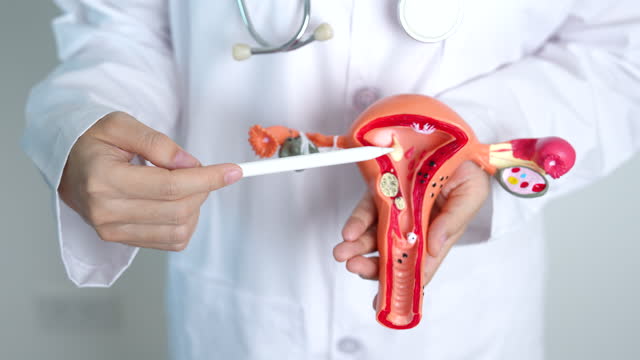
Cervical cancer occurs when abnormal cells in the lining of the cervix (the lower part of the uterus) grow out of control. Most cervical cancers are caused by the human papillomavirus (HPV), a sexually transmitted infection. However, not all women with HPV will develop cervical cancer, indicating that other factors may contribute to its development.
Risk Factors:
Several factors can increase a woman’s risk of developing cervical cancer, including:
Persistent HPV infection: Certain strains of HPV, particularly HPV 16 and 18, are known to increase the risk of cervical cancer.
Lack of regular Pap tests: Regular screening with Pap tests (also known as Pap smears) can detect abnormal cells in the cervix before they become cancerous or at an early stage when treatment is most effective. Failure to undergo regular screening increases the risk of undetected cervical cancer.
Smoking: Tobacco use has been linked to an increased risk of cervical cancer.
Weak immune system: Women with weakened immune systems, such as those with HIV/AIDS or those taking immunosuppressant drugs, are at higher risk.
Early sexual activity: Engaging in sexual activity at a young age increases the likelihood of exposure to HPV.
Multiple sexual partners: Having multiple sexual partners or having a partner who has had multiple sexual partners increases the risk of HPV infection.
Prevention:
Prevention is key to reducing the incidence of cervical cancer. Strategies for prevention include:
HPV vaccination: Vaccines such as Gardasil and Cervarix protect against the most common HPV strains responsible for cervical cancer. Vaccination is recommended for boys and girls between the ages of 9 and 14, although it can be given up to age 26.
Regular screening: Pap tests and HPV tests are effective in detecting abnormal cells in the cervix. Women should undergo routine screening as per their healthcare provider’s recommendations.
Safe sex practices: Using condoms during sexual activity can reduce the risk of HPV transmission.
Smoking cessation: Quitting smoking reduces the risk of cervical cancer and other health problems.
Limiting sexual partners: Reducing the number of sexual partners can decrease the risk of HPV infection.
Detection:
Early detection through regular screening is crucial for the successful treatment of cervical cancer. Pap tests and HPV tests are commonly used screening methods. During a Pap test, cells from the cervix are collected and examined under a microscope for abnormalities. HPV tests detect the presence of high-risk HPV strains in cervical cells. If abnormalities are detected, further diagnostic tests, such as colposcopy and biopsy, may be performed to confirm the diagnosis.
Treatment:
Treatment for cervical cancer depends on various factors, including the stage of the cancer, the woman’s age and overall health, and her preferences. Treatment options may include surgery, radiation therapy, chemotherapy, or a combination of these modalities. The goal of treatment is to remove or destroy cancerous cells while preserving the function of the cervix and surrounding organs whenever possible.
Conclusion:
Cervical cancer is a preventable and treatable disease. By adopting preventive measures such as vaccination, regular screening, and practicing safe sex, women can significantly reduce their risk of developing cervical cancer. Early detection through routine screening enables timely intervention, improving the chances of successful treatment outcomes. It’s essential for women to prioritize their reproductive health and discuss cervical cancer screening and vaccination with their healthcare providers. With continued efforts in education, screening, and vaccination, we can work towards reducing the burden of cervical cancer worldwide.
In the dynamic landscape of healthcare, diagnostic centers play a pivotal role in ensuring accurate diagnosis and timely treatment. Bhubaneswar, the capital city of Odisha, boasts several state-of-the-art diagnostic centers offering a wide array of services. From routine blood tests to advanced imaging procedures, these centers are equipped with cutting-edge technology and skilled professionals to cater to diverse medical needs. Here, we unveil the top 10 diagnostic centers in Bhubaneswar, along with details of their services and contact information.
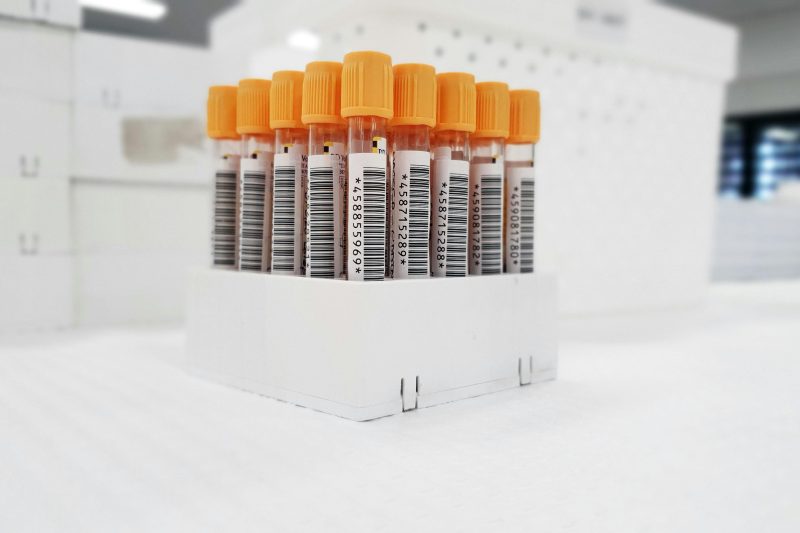
SimpleeKare Pathology Lab/Diagnostic Centre SimpleeKare Diagnostic Centre is the best pathology lab and diagnostic centre in Bhubaneswar, located near ISKCON Temple, Nayapalli, Bhubaneswar, is the #1 choice for comprehensive diagnostic services. We specialize in blood tests, radiology, cardiology, pathology, and more. Our dedication to quality and accuracy has made us the preferred diagnostic centre for patients across Bhubaneswar.
As one of the top diagnostic centers in Bhubaneswar, SimpleeKare offers a wide range of tests. Commonly available blood tests include Complete Blood Count (CBC), Lipid Profile, Liver Function Tests (LFT), Kidney Function Tests (KFT), Thyroid Profile, and Diabetes Screening. Additionally, we provide advanced imaging services like MRI, CT Scan, X-ray, Ultrasound, and Echocardiography, ensuring reliable and accurate results.
Apollo Diagnostics Apollo Diagnostics offers a wide range of diagnostic services including pathology, medical imaging, and preventive health checkups. Their team of experienced professionals ensures accurate results and timely delivery of reports.
Test Details: It provides various blood tests such as complete blood count (CBC), liver function tests (LFT), kidney function tests (KFT), thyroid profile, and diabetes screening. Imaging services include X-ray, ultrasound, CT scan, and MRI.
Apollo Diagnostics, plot no, 251, Sainik School Rd, Unit 15, Gajapati Nagar, Bhubaneswar, Odisha 751005.
Thyrocare Thyrocare is renowned for its specialized diagnostic services in the field of endocrinology, oncology, and infectious diseases. Their advanced testing methodologies and prompt services make them a preferred choice for many.
Test Details: Thyrocare offers a range of blood tests including thyroid profile, hormonal assays, tumor markers, and infectious diseases screening. Additionally, they provide preventive health check-up packages catering to different age groups and health conditions.
Thyrocare, Shop No. 30, Deba Ray College, BDA Market Complex, Road, near D R College, Sabera Colony, Nilakantha Nagar, Nayapalli, Bhubaneswar, Odisha 751012.
SRL Diagnostics SRL Diagnostics is a leading diagnostic chain offering a comprehensive range of pathology, imaging, and wellness services. With a focus on innovation and quality, they ensure accurate diagnosis and personalized care.
Test Details: SRL Diagnostics offers a wide range of blood tests including complete blood count (CBC), lipid profile, liver function tests (LFT), kidney function tests (KFT), diabetes screening and other diagnostic tests. Imaging services encompass X-ray, ultrasound, MRI, and CT scans.
SRL Diagnostics, N 1/291, hospital road, near Gyastro Kidney Care Swapneswar Temple, IRC Village, Nayapalli, Bhubaneswar, Odisha 751015.
Pathkind Labs Pathkind Labs specializes in advanced imaging services including X-ray, ultrasound, CT scan, and MRI. Their state-of-the-art equipment and experienced radiologists ensure accurate and reliable imaging results.
Test Details: Pathkind Labs offers a range of imaging services for various medical conditions including orthopedic, neurological, and abdominal disorders. Their diagnostic capabilities aid in precise diagnosis and treatment planning.
Pathkind Labs: Plot No N 6/4, Hotel Crown Road, near Health Village Hospital, Block N6, IRC Village, Nayapalli, Bhubaneswar, Odisha 751015.
Dr. Lal PathLabs Dr. Lal PathLabs is a renowned diagnostic chain offering a wide range of pathology and imaging services. Their focus on innovation and technology ensures accurate diagnosis and personalized care for patients.
Dr. Lal PathLabs offers a comprehensive range of blood tests including complete blood count (CBC), lipid profile, liver function tests (LFT), kidney function tests (KFT), and diabetes screening. Imaging services include X-ray, ultrasound, CT scan, and MRI.
Dr. Lal PathLabs, PLOT NO-4, 243, Nayapalli Rd, in front of ID MARKET, N4, Block N4, IRC Village, Nayapalli, Bhubaneswar, Odisha 751015.
GENX Diagnostics GENX Diagnostics is known for its comprehensive range of pathology and imaging services. With a commitment to quality and accuracy, they strive to meet the diagnostic needs of patients with efficiency and precision.
Test Details: GENX Diagnostics offers a wide array of blood tests including complete blood count (CBC), lipid profile, liver function tests (LFT), kidney function tests (KFT), and diabetes screening. Additionally, they provide imaging services such as X-ray, ultrasound, CT scan, and MRI to aid in accurate diagnosis and treatment planning.
Spandan Diagnostic Spandan Diagnostic Centre is dedicated to providing high-quality pathology and imaging services. With a focus on patient satisfaction and accuracy, they ensure prompt and reliable diagnostic solutions.
Test Details: Spandan Diagnostic Centre offers a comprehensive range of blood tests including complete blood count (CBC), lipid profile, liver function tests (LFT), kidney function tests (KFT), and diabetes screening. Their imaging services encompass X-ray, ultrasound, CT scan, and MRI, facilitating precise diagnosis and treatment planning.
Redcliffe Labs Services Offered: Redcliffe Labs is a trusted name in the field of diagnostics, known for its advanced technology and accurate testing methodologies. Committed to excellence, they offer a comprehensive range of pathology and imaging services to meet the diverse needs of patients.
Test Details: Redcliffe Labs provides a wide array of blood tests including complete blood count (CBC), lipid profile, liver function tests (LFT), kidney function tests (KFT), and diabetes screening. Their imaging services include X-ray, ultrasound, CT scan, and MRI, ensuring thorough evaluation and diagnosis.
Redcliffe Labs, Punjab bhawan, Plot No, 144/c, Gujarat Bhawan Ln, Prachi Enclave, District Center, Chandrasekharpur, Bhubaneswar, Odisha 751016.
Accurate Diagnostics Accurate Diagnostics is committed to providing reliable and precise diagnostic solutions. With state-of-the-art facilities and experienced professionals, they offer a wide range of pathology and imaging services to cater to the healthcare needs of the community. It is also among the top 10 Diagnostic Centers in Bhubaneswar.
Test Details: Accurate Diagnostics offers comprehensive blood tests including complete blood count (CBC), lipid profile, liver function tests (LFT), kidney function tests (KFT), and diabetes screening. Their imaging services encompass X-ray, ultrasound, CT scan, and MRI, ensuring accurate diagnosis and treatment.
Accurate Diagnostics, Akash Institute, 15, behind Aditya Plaza, AG Colony, Unit 4, Bhouma Nagar, Bhubaneswar, Odisha 751001. Contact: 094393 39114
These diagnostic centers play a crucial role in the healthcare landscape of Bhubaneswar, providing residents with access to accurate and reliable diagnostic services for their medical needs. Their commitment to excellence and patient care contributes significantly to the overall well-being of the community.
ALSO READ:
Which lab is best for testing?
These companies have solidified their status as premier laboratory firms in India, renowned for their specialized expertise and steadfast commitment to providing precise and dependable test outcomes:
As parents, nothing is more precious than the health and well-being of our little ones. Ensuring their protection from preventable diseases is a top priority. At SimpleeKare, we understand the importance of immunizations in laying a strong foundation for a healthy future. In this blog post, we’ll guide you through seven crucial vaccinations for infants and children, emphasizing the role they play in safeguarding your child’s health.
BCG (Bacillus Calmette-Guérin) Vaccine:
Protects against tuberculosis.
Administered soon after birth, this vaccine is vital in regions with a higher prevalence of TB.
Hepatitis B Vaccine:
Guards against hepatitis B, a viral infection affecting the liver.
Administered shortly after birth and completed in a series of doses, Hepatitis-B Vaccine provides long-term protection.
DTaP (Diphtheria, Tetanus, and Pertussis) Vaccine:
Shields against three serious diseases: diphtheria, tetanus, and pertussis (whooping cough).
Administered in a series of doses, this vaccine ensures comprehensive protection.
Hib (Haemophilus influenzae type b) Vaccine:
Provides protection against Hib bacteria, which can cause severe diseases like meningitis.
Administered in multiple doses, it’s a crucial component of routine immunization.
Polio Vaccine:
Immunizes against the poliovirus, preventing polio, a highly infectious disease.
Administered in several doses, this vaccine aids in the global effort to eradicate polio.
MMR (Measles, Mumps, and Rubella) Vaccine:
Guards against three viral infections: measles, mumps, and rubella.
Administered in two doses, this vaccine ensures immunity against these contagious diseases.
Varicella (Chickenpox) Vaccine:
Protects against the varicella-zoster virus, preventing chickenpox.
Administered in two doses, it’s a key component in reducing the impact of this common childhood illness.
Conclusion:
At SimpleeKare, we believe in the power of prevention through timely vaccinations. These seven essential vaccines form the foundation of a comprehensive immunization schedule for infants and children. By staying informed and ensuring your child receives these vaccinations on schedule, you’re not just protecting them – you’re contributing to the overall well-being of the community. Let’s work together to keep those smiles bright and healthy. For more personalized guidance on your child’s vaccination schedule, consult with our pediatricians at SimpleeKare in Bhubaneswar, Cuttack and Vizag. Your child’s health, our priority.
For more details Contact Us, Our team will assist you.
The Hepatitis B vaccine stands as a critical shield against the viral menace of Hepatitis B, a potentially severe liver infection. This preventive measure is composed of a non-infectious part of the virus, known as the surface antigen (HBsAg), which stimulates the immune system to produce antibodies. This immune response creates a safeguard against Hepatitis B infection.
BEFORE USING:
Before initiating the Hepatitis B vaccination, consider the following:
Medical History: Discuss your medical history, especially any previous adverse reactions to vaccines, with your healthcare provider.
Allergies: Notify your healthcare provider of any known allergies, ensuring that potential allergic reactions can be monitored.
Pregnancy: Inform your healthcare provider if you are pregnant, as the vaccine’s safety during pregnancy should be evaluated on an individual basis.
PROPER USE:
Administered through a series of injections, the Hepatitis B vaccine follows a recommended schedule:
Initiation in Infancy: The primary series often begins with the first dose given at birth, followed by subsequent doses at specified intervals.
Three-Dose Schedule: Typically, the vaccine follows a three-dose schedule, ensuring robust immunity against Hepatitis B.
Catch-Up Vaccinations: For those who missed the initial doses, catch-up vaccinations are available, with adjustments based on individual circumstances.
PRECAUTIONS:
While the Hepatitis B vaccine is generally safe, precautions should be observed:
Allergic Reactions: Monitor for signs of severe allergic reactions, such as difficulty breathing or swelling, and seek immediate medical attention if they occur.
Interaction with Other Vaccines: Consult with your healthcare provider about potential interactions with other vaccines, ensuring a comprehensive vaccination plan.
Pre-existing Conditions: Individuals with certain pre-existing conditions should consult their healthcare provider to assess the appropriateness of vaccination.
SIDE EFFECTS:
Common side effects are typically mild and transient:
Soreness at Injection Site: Mild discomfort at the injection site is common and usually temporary.
Low-Grade Fever: A low-grade fever might occur as a normal response to the vaccine.
Severe Allergic Reactions (Rare): While rare, severe allergic reactions can occur. Seek immediate medical attention if symptoms such as difficulty breathing or swelling develop.
Why Get Vaccinated Against Hepatitis B?
Prevention of Liver Disease: Hepatitis B vaccination significantly reduces the risk of chronic liver disease, cirrhosis, and liver cancer associated with Hepatitis B infection.
Protecting Loved Ones: Vaccination not only protects the individual but also prevents the spread of Hepatitis B to family and community members.
Talk with Your Healthcare Provider:
Individualized Guidance: Your healthcare provider can offer personalized advice based on your health history and individual circumstances.
Addressing Concerns: Discuss any concerns or questions about the vaccine, ensuring you have a clear understanding of its benefits and potential risks.
SimpleeKare Health Vaccination:
At SimpleeKare, we prioritize your health and well-being. Our comprehensive vaccination services, including the Hepatitis B vaccine, are designed to provide easy access to preventive healthcare. With a commitment to excellence, our healthcare professionals ensure that your vaccination experience is seamless and tailored to your individual health needs. Trust SimpleeKare for a proactive approach to your health, because a healthier tomorrow begins with the right vaccinations today.
Conclusion:
The Hepatitis B vaccine is a potent tool in preventing the spread of Hepatitis B and safeguarding individual and public health. Understanding its description, proper use, precautions, reasons for vaccination, and potential side effects empowers individuals to make informed decisions about their health. Regular consultations with healthcare providers ensure that vaccination plans align with individual health needs, contributing to a healthier, hepatitis-free future.
In the battle against diabetes, knowledge is power. The Hemoglobin A1c (HbA1c) test stands as a beacon in the realm of diabetes management, providing invaluable insights into long-term blood sugar control. As a key player in the fight against this prevalent and chronic condition, the HbA1c test offers a comprehensive view of glucose levels over an extended period, allowing healthcare professionals to tailor effective treatment plans. This test is essential for individuals with diabetes, as it offers a more comprehensive view of their blood sugar levels compared to regular blood glucose tests, which only provide a snapshot of the current status.
The terminology associated with the HbA1c test includes various names such as HbA1C, A1C, glycohemoglobin, glycated hemoglobin, and glycosylated hemoglobin.
What is it used for?
The HbA1c test is a vital tool used to assess long-term glycemic control in individuals with diabetes. By measuring the percentage of hemoglobin that has glucose attached to it over the past 2-3 months, the test provides a comprehensive picture of average blood sugar levels. It aids healthcare professionals in diagnosing diabetes, monitoring treatment effectiveness, and crafting personalized care plans. The test is based on the principle that as blood sugar levels rise, more glucose binds to hemoglobin, offering a reliable indicator of sustained hyperglycemia.
Why do I need an HbA1c test?
If you have diabetes or are at risk of developing the condition, an HbA1c test is essential for several reasons:
Long-Term Monitoring: Offers a holistic view of blood sugar levels over time.
Treatment Adjustment: Guides healthcare providers in modifying treatment plans for optimal results.
Risk Assessment: Identifies individuals at a higher risk of complications, allowing for proactive measures.
Early Detection: Facilitates the early detection of diabetes or prediabetes, enabling timely intervention.
When Should You Get an A1C Test?
Age Over 45:
If you are over the age of 45, the CDC recommends A1C testing to assess your risk for diabetes. Subsequent testing intervals depend on the initial results.
Normal Results:
If your results are normal, it’s advised to repeat the HbA1C test every 3 years. Regular monitoring is essential to detect any changes in blood sugar levels over time.
Prediabetes Diagnosis:
If your results indicate prediabetes, more frequent testing is necessary. Typically, individuals with prediabetes are advised to undergo A1C testing every 1 to 2 years.
Diabetes Diagnosis:
If you are diagnosed with diabetes, the CDC recommends at least biannual A1C testing to monitor your condition and the effectiveness of your treatment plan.
Age Under 45 and High Risk:
Individuals under 45 may also need A1C testing if they have specific risk factors that make them more susceptible to diabetes. These factors include having prediabetes, being overweight, having a family history of type 2 diabetes, high blood pressure, high cholesterol, heart disease, a sedentary lifestyle, a history of gestational diabetes, giving birth to a baby over 9 pounds, belonging to certain ethnic groups, or having polycystic ovarian syndrome (PCOS).
Symptoms of Diabetes: When Immediate Testing is Essential
If you experience symptoms of diabetes, immediate A1C testing may be necessary. Symptoms include:
Feeling very thirsty
Frequent urination
Unexplained weight loss
Excessive hunger
Blurred vision
Numb or tingling extremities
Fatigue
Dry skin
Slow-healing sores
Increased susceptibility to infections
Check out the Early Signs of Diabetes
What happens during an A1C test?
Understanding the procedure of an HbA1c test provides clarity:
Blood Sample Collection:
A small blood sample is drawn from a vein in the arm using a needle.
Laboratory Analysis:
The blood sample is sent to a laboratory where the percentage of HbA1c is measured using specialized techniques.
Results:
The results, presented as a percentage, indicate the average blood sugar levels over the past 2-3 months.
What do the results mean?
Interpreting HbA1c results is crucial for effective diabetes management:
Normal: Below 5.7%
Prediabetes: 5.7% to 6.4%
Diabetes: 6.5% or higher
These percentages guide healthcare professionals in tailoring treatment plans to achieve optimal blood sugar control.
Significance of HbA1c Blood Test in India:
In the context of healthcare in India, where the prevalence of diabetes is rising, the HbA1c blood test plays a pivotal role. Here are some key points illustrating its significance:
Early Detection and Prevention:
With the increasing incidence of diabetes in India, early detection is crucial for effective management.
HbA1c tests facilitate the identification of individuals at risk or in the early stages of diabetes, enabling timely intervention and lifestyle modifications.
Customized Treatment Plans:
India has a diverse population with varying lifestyles, dietary habits, and genetic factors influencing diabetes.
HbA1c testing allows healthcare providers to create personalized treatment plans that consider the unique needs of individuals, leading to more targeted and effective care.
Public Health Impact:
Public health initiatives in India can benefit from widespread HbA1c screening to identify high-risk populations and implement preventive measures.
By understanding the prevalence of diabetes and its associated complications, policymakers can develop strategies to address the growing healthcare burden.
Accessibility and Accuracy:
SimpleeKare Health is committed to providing accessible and accurate HbA1c testing. Our state-of-the-art laboratories ensure precision, and our network of collection centers makes testing convenient for individuals across diverse regions. Accessible testing is a cornerstone in early detection and effective diabetes management.
The HbA1c test is a vital tool in diabetes management, providing a holistic view of long-term blood sugar control. CDC recommendations dictate strategic testing intervals based on age, risk factors, and health conditions. The shared video underscores the importance of early signs recognition for proactive diabetes care. In India, with rising diabetes prevalence, HbA1c testing is crucial for early detection and personalized treatment for diabetes. SimpleeKare Health's commitment to accessibility ensures widespread and accurate testing. The HbA1c test goes beyond diagnosis; it serves as a guiding light for individuals and healthcare providers in the ongoing battle against diabetes. It is a proactive approach to a healthier future.
Heart attacks are often associated with older people, but they can happen to young people as well, especially during physical activity. In recent years, there have been a growing number of cases of heart attacks in young people while exercising. It is important to understand the risks associated with this condition, as well as how to prevent it and seek the right medical care.
If you are experiencing chest pain or discomfort, shortness of breath, dizziness, or lightheadedness while exercising, it is important to seek immediate medical attention. A cardiologist can diagnose and treat heart-related conditions and provide you with the necessary guidance to prevent future occurrences.
Understanding the Risks
Other factors that can increase the risk of a heart attack during exercise include:
Family history of heart disease
Smoking
High blood pressure
High cholesterol levels
Obesity
Diabetes
Substance abuse
Here are some key points to keep in mind about heart attacks in young people while exercising:
A heart attack can happen to anyone, regardless of age or physical fitness level.
Strenuous physical activities can increase the risk of heart attacks in young people.
Symptoms of a heart attack may include chest pain or discomfort, shortness of breath, dizziness, or lightheadedness.
If you experience any of these symptoms while exercising, seek immediate medical attention.
Preventing Heart Attacks in Young People
Preventing heart attacks in young people while exercising requires a multi-faceted approach. Here are some steps you can take to reduce your risk:
Maintain a healthy lifestyle: This includes eating a balanced diet, getting regular exercise, and quitting smoking.
Get regular check-ups with a cardiologist: This will help identify any underlying heart conditions early on and ensure that they are managed appropriately.
Take care of your mental health: Stress and anxiety can increase the risk of heart attacks. Practicing relaxation techniques and seeking professional help when needed can help reduce your risk.
Be aware of warning signs: Symptoms of a heart attack include chest pain, shortness of breath, nausea, and lightheadedness. If you experience any of these symptoms while exercising, stop immediately and seek medical attention.
Get regular check-ups with a cardiologist: This will help identify any underlying heart conditions early on and ensure that they are managed appropriately.
It is important for young people who engage in physical activity to be aware of these risks and take measures to reduce them. This includes maintaining a healthy lifestyle, quitting smoking, and getting regular check-ups with a cardiologist.
Finding the Right Cardiologist
If you are a young person who is concerned about the risk of heart attacks while exercising, it is important to find the right cardiologist who can help you identify and manage any underlying heart conditions.
One way to find a reliable cardiologist is to look for a cardiology hospital near you that offers comprehensive heart care services. This will ensure that you have access to the latest diagnostic tools and treatment options for any heart-related conditions.
When looking for a cardiologist, it is important to choose someone with experience in treating young patients with heart conditions. You can also check for reviews and ratings from other patients to ensure that you are choosing a reputable doctor.
In conclusion, heart attacks can happen to young people while exercising, but there are steps you can take to reduce your risk. By maintaining a healthy lifestyle, getting regular check-ups with a cardiologist, and being aware of warning signs, you can protect your heart and live a healthy life.
Piles, or hemorrhoids, are swollen and inflamed blood vessels in the rectum or anus. They can be caused by various factors, including straining during bowel movements, obesity, pregnancy, and a sedentary lifestyle. While many cases of hemorrhoids can be managed with lifestyle changes and conservative treatments, more severe and persistent cases may require surgical intervention. Piles surgery is a medical procedure designed to remove or reduce the size of hemorrhoids. It’s typically considered when non-surgical treatments have proven ineffective or for those with recurring or severe symptoms.
Types of Piles Surgery: Which One is Right for You?
There are several types of piles surgery, each with its own set of advantages and considerations. The choice of surgery depends on the patient’s specific condition and the surgeon’s recommendation.
Hemorrhoidectomy: This is the most traditional and effective method. It involves the complete removal of hemorrhoids under anesthesia, but it may be associated with more pain and a longer recovery period.
Stapled Hemorrhoidopexy (PPH): This procedure involves stapling the hemorrhoids to reduce blood flow, making them shrink. It’s less painful than a hemorrhoidectomy and has a faster recovery, but it might not be suitable for all cases.
Sclerotherapy and Rubber Band Ligation: These are minimally invasive procedures suitable for smaller internal hemorrhoids. They involve injecting a solution to shrink the hemorrhoid or placing a rubber band to cut off its blood supply, causing it to fall off.
Laser Coagulation: This technique uses laser energy to shrink the hemorrhoid. It’s less invasive and offers a quicker recovery than traditional surgery.
Choosing the right piles surgery in India depends on the severity and location of your hemorrhoids, as well as your surgeon’s recommendations.
Preparing for Piles Surgery: What to Expect
Before undergoing piles surgery, patients need to prepare both mentally and physically. You will typically have consultations with your surgeon to discuss the procedure, and they may recommend certain tests to ensure you’re a suitable candidate for surgery. Preoperative preparation also involves instructions on fasting and stopping certain medications. It’s crucial to adhere to these guidelines for a successful procedure.
Post-Operative Care After Piles Surgery: Tips for a Smooth Recovery
Recovery after piles surgery is a critical phase that greatly influences the outcome. Pain, discomfort, and potential complications are common during the initial days and weeks. To ensure a smooth recovery, you’ll need to:
Manage Pain: Pain management is a crucial aspect of post-operative care. Your surgeon will prescribe pain medication, and you’ll need to follow the prescribed dosage and timing.
Maintain Hygiene: Keeping the anal area clean is essential to prevent infection. Sitz baths, gentle cleaning with water or moist wipes, and patting the area dry are essential for maintaining hygiene.
Dietary Adjustments: You may be advised to follow a soft diet with high-fiber foods to prevent constipation, which can exacerbate discomfort. Adequate hydration is also important.
Physical Activity: Light physical activity, such as walking, can help with blood circulation and prevent blood clots.
Follow-Up Appointments: Regular follow-up appointments with your surgeon are crucial to monitor your progress and address any concerns or complications that may arise.
Risks and Complications of Piles Surgery: What You Need to Know
Like any medical procedure, piles surgery carries certain risks and potential complications, which can include:
Infection
Bleeding
Scarring
Urinary retention
Incontinence (rare)
Recurrence of hemorrhoids
Adverse reactions to anesthesia
It’s essential to understand these risks and discuss them with your surgeon to make an informed decision.
Dietary Recommendations After Piles Surgery: Foods to Eat and Avoid
After piles surgery, your dietary choices can significantly impact your recovery. High-fiber foods, such as fruits, vegetables, whole grains, and legumes, can help prevent constipation. Drinking plenty of water is equally important. Foods to avoid include spicy, greasy, and processed items, as they can irritate the digestive tract and worsen discomfort.
Lifestyle Changes to Prevent Piles Recurrence After Surgery
To reduce the risk of piles recurrence after surgery, it’s crucial to make certain lifestyle changes. This may include:
Regular physical activity
Maintaining a high-fiber diet
Avoiding prolonged sitting
Managing body weight
Preventing excessive straining during bowel movements
Adopting these habits can go a long way in preventing future hemorrhoid problems.
Minimally Invasive Piles Surgery: Benefits and Considerations
Minimally invasive procedures, such as stapled hemorrhoidopexy (PPH) and laser coagulation, offer several advantages. They typically result in less pain, quicker recovery, and minimal scarring. However, not all patients are suitable candidates for these procedures, and they may not be as effective for more severe hemorrhoid cases. It’s important to discuss the benefits and considerations of minimally invasive surgery with your surgeon.
Alternative Treatments to Piles Surgery: When Surgery Isn't the Only Option
Surgery is not always the only option for treating hemorrhoids. Depending on the severity of the condition, alternative treatments like lifestyle modifications, dietary changes, over-the-counter medications, and office-based procedures (e.g., rubber band ligation) may be effective. It’s crucial to explore these alternatives with your healthcare provider before opting for surgery.
The Role of a Proctologist in Piles Surgery
Proctologists are specialists in the diagnosis and treatment of disorders related to the rectum and anus, including hemorrhoids. Their expertise is invaluable in evaluating your condition, recommending the most appropriate treatment, and performing the surgery if required. Seeking the guidance of a proctologist is vital for proper diagnosis and treatment planning.
Piles Surgery Costs and Insurance Coverage
The costs associated with piles surgery can vary widely depending on factors like the type of procedure, hospital fees, anesthesia, and your location. It’s important to discuss the financial aspects with your healthcare provider and understand your insurance coverage, if applicable. Some insurance plans may cover a portion of the expenses, but it’s essential to clarify the details with your insurance provider in advance.
Latest Advancements in Piles Surgery Techniques
Medical advancements continue to improve piles surgery techniques, making procedures more efficient and less invasive. Some of these innovations include the use of advanced laser technologies, better suturing methods, and improved surgical instruments. Staying informed about the latest advancements can help you make better decisions about your treatment.
How to Choose the Right Surgeon for Your Piles Surgery
Selecting the right surgeon for your piles surgery is a critical decision. Factors to consider when choosing a surgeon include their experience, specialization, success rate, and patient reviews. It’s essential to conduct thorough research and consult with multiple healthcare professionals before making your choice.
Combating Hemorrhoid Pain: Medications and Pain Management Strategies
Pain management is a primary concern during the recovery period following piles surgery. Here are some key points regarding pain management:
Prescribed Medications: Your surgeon will typically prescribe pain medications to alleviate discomfort. These may include analgesics and nonsteroidal anti-inflammatory drugs (NSAIDs). It’s crucial to follow the prescribed dosage and timing instructions carefully.
Topical Analgesics: In some cases, topical analgesic creams or ointments may be recommended to reduce pain and inflammation in the anal area. These can provide localized relief.
Warm Sitz Baths: Warm sitz baths can help soothe the affected area and reduce pain and swelling. They involve sitting in a shallow basin of warm water for around 15-20 minutes several times a day.
Proper Wound Care: Keeping the surgical area clean and dry is essential to prevent infection, which can exacerbate pain. Gently patting the area dry after cleansing can help reduce irritation.
Rest and Elevation: Resting and elevating your legs while lying down can help improve blood circulation and reduce pain. Avoiding prolonged sitting or standing is also advisable.
Hydration and Diet: Staying well-hydrated and consuming a high-fiber diet can help prevent constipation, which can worsen pain. Adequate hydration softens stool, making it easier to pass.
Avoiding Straining: It’s crucial to avoid straining during bowel movements, as this can increase pain and potentially disrupt the healing process. Eating a high-fiber diet, drinking plenty of water, and ensuring you have enough time for a bowel movement can help prevent straining.
Regular Follow-Up Appointments: Keeping your follow-up appointments with your surgeon is essential. They can monitor your recovery progress and make adjustments to your pain management plan if needed.
Stool Softeners: In some cases, your surgeon may recommend stool softeners to make bowel movements easier and less painful.
Over-the-Counter Medications: Your surgeon may advise over-the-counter medications like acetaminophen or ibuprofen for pain relief, but it’s essential to follow their guidance on which medications are safe for you.
Message from SimpleeKare:
At SimpleeKare, we’re here to support you throughout your piles surgery journey. Our dedicated healthcare team is committed to helping you make informed decisions, prepare for surgery, and ensure a smooth recovery. Your well-being is our top priority, and we’re here to assist you every step of the way. Please feel free to reach out with any questions or concerns. We’re here to help!
In conclusion, piles surgery is a significant medical procedure that can provide relief for those suffering from severe or recurrent hemorrhoids. Preparing for the surgery, understanding the different surgical options, and carefully following post-operative care instructions are crucial for a successful outcome. Minimizing pain and complications is a key priority during the recovery phase, and your healthcare provider will offer guidance on pain management strategies tailored to your specific needs. Always consult with your surgeon or healthcare professional for personalized advice and support throughout your piles surgery.
Anal fissures are a common and uncomfortable condition that can cause pain and discomfort in the anal area. While many cases can be treated with conservative measures, there are instances where surgical intervention becomes necessary. In this blog, we will delve into the details of anal fissures, the benefits and risks of anal fissure surgery, and the various treatment options available.
Understanding Anal Fissures
An anal fissure is a small tear or cut in the lining of the anus, often caused by the passage of hard stool. This can result in symptoms such as severe pain during bowel movements, bleeding, itching, and discomfort. While most fissures heal on their own with proper self-care and lifestyle changes, some may require surgical treatment to promote healing.
When Surgery Becomes Necessary: Exploring the Indications
While many cases of anal fissures can be effectively managed through non-surgical methods, there are instances where surgery becomes a necessary and beneficial option. Let’s delve deeper into the indications that prompt the consideration of anal fissure surgery:
1. Persistent Pain and Discomfort:
When the pain and discomfort associated with an anal fissure persist despite adhering to conservative treatments, it might be an indication that the fissure is not healing as expected. Non-surgical approaches such as dietary changes, increased fiber intake, topical ointments, and sitz baths are often the first line of defense. However, if these measures fail to provide the desired relief, surgical intervention might be the next step.
2. Chronic Fissures:
Anal fissures are considered chronic when they last for an extended period, typically around six weeks or more. Chronic fissures can significantly impact the individual’s quality of life, causing recurring pain and discomfort during bowel movements. Since chronic fissures are less likely to heal on their own, surgery might be recommended to facilitate healing and prevent further aggravation.
3. Depth of the Fissure:
The depth of the fissure is another important factor that influences the decision for surgery. Superficial fissures often respond well to conservative treatments. However, if the fissure is deep or extends into the underlying tissues, it can be more challenging to heal naturally. Surgical techniques, such as advancement flap surgery or fissurectomy, can address these deeper fissures more effectively.
4. Resistance to Non-Surgical Treatments:
If an individual has diligently followed the recommended non-surgical treatments for a reasonable period and hasn’t experienced significant improvement, it could be an indication that their fissure is not responding as expected. In such cases, surgery might be considered as a way to expedite healing and alleviate symptoms.
5. Recurrence:
Recurrent anal fissures can be frustrating and indicative of an underlying issue that needs to be addressed. If an individual experiences multiple episodes of anal fissures despite attempting to prevent them through lifestyle modifications and non-surgical treatments, surgery might be recommended to break the cycle and provide lasting relief.
6. Impaired Quality of Life:
The persistent pain, discomfort, and limitations in daily activities caused by chronic anal fissures can severely impact an individual’s overall quality of life. When conservative treatments fail to restore a reasonable quality of life, surgery can be a valuable option to consider.
Benefits of Anal Fissure Surgery
Faster Healing: Surgery can promote quicker healing of the anal fissure, reducing the duration of discomfort and pain.
Long-Term Relief: Surgical procedures can address the underlying causes of chronic fissures, providing long-term relief from symptoms.
Prevention of Recurrence: Some surgical techniques aim to prevent the recurrence of fissures, offering a more permanent solution.
Types of Anal Fissure Surgery
Lateral Internal Sphincterotomy (LIS): This procedure involves cutting a small portion of the internal anal sphincter muscle to reduce spasm and promote healing.
Advancement Flap Surgery: In this technique, healthy tissue from inside the anus is used to cover the fissure, aiding in healing.
Fissurectomy: The surgical removal of the fissure itself, often combined with sphincterotomy for optimal results.
Risks and Considerations
While anal fissure surgery can offer relief, it’s important to be aware of potential risks, which may include:
Infection: As with any surgery, there is a risk of infection at the surgical site.
Incontinence: In some cases, surgery may lead to temporary or permanent changes in bowel control.
Scar Tissue: Surgical procedures carry the risk of forming scar tissue, which could cause discomfort or other issues.
Finding the Right Surgeon and Hospital
Choosing a skilled and experienced surgeon is crucial for successful anal fissure surgery. Look for a surgeon who specializes in colorectal procedures and has a proven track record in performing anal fissure surgeries. Additionally, consider an anal fissure surgery hospital that is equipped with advanced facilities and a supportive medical team in India.
Message from SimpleeKare
At SimpleeKare, your comfort and health are our top priorities. If you’re dealing with the discomfort of anal fissures and have explored non-surgical options without success, our team of experienced surgeons is here to guide you through the process of considering anal fissure surgery. We understand the concerns and questions you may have, and we’re committed to providing personalized care that suits your unique needs. Our state-of-the-art facilities and compassionate staff are dedicated to helping you achieve relief and regain your quality of life. Reach out to us today to learn more about how we can support you on your journey to healing.
Anal fissure surgery can be a beneficial option for those who have exhausted non-surgical treatments and are seeking lasting relief from the discomfort and pain associated with this condition. While surgery comes with risks, choosing the right surgeon and hospital can greatly mitigate these concerns. Remember that a well-informed decision, in consultation with medical professionals, is key to achieving optimal outcomes and a better quality of life.