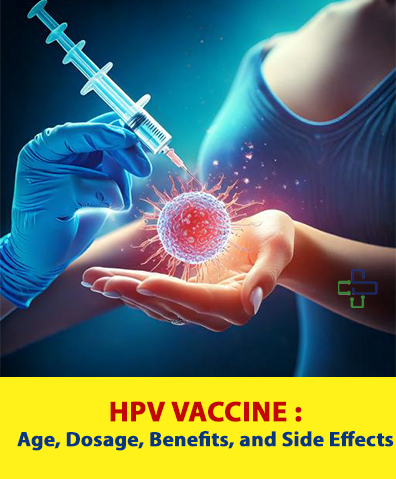
Human papillomavirus (HPV) is one of the most prevalent infections globally, with over 79 million Americans currently infected, according to the CDC. Linked to cancers like cervical, throat, and anal cancers, the virus affects both men and women. The HPV vaccine is a crucial tool for cervical cancer prevention. Fortunately, it offers protection against the most dangerous strains of the virus, significantly reducing cancer risk. Here, we discuss who should receive the HPV vaccine, the recommended dosage schedule, how it works, its crucial benefits, and possible side effects, making it easier to make informed decisions.
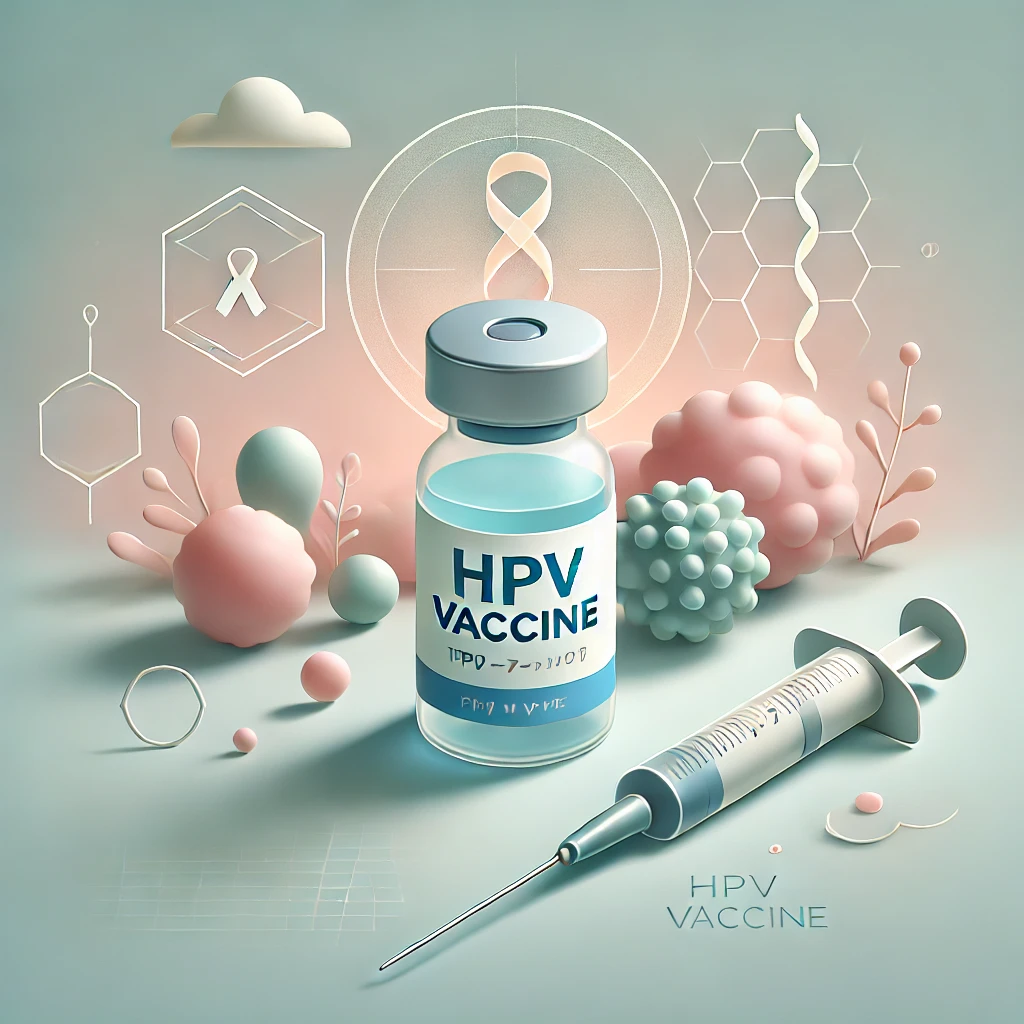
Why the HPV Vaccine is Essential for Public Health?
HPV affects 80% of people at some point in their lives. While most infections go unnoticed, high-risk HPV strains can cause several types of cancer if left untreated. The HPV vaccine is key in preventing these outcomes, particularly for young adults. Here’s why it’s crucial:
- Reduces Cancer Risk: Vaccination can prevent up to 90% of HPV-related cancers, including cervical and throat cancers.
- Prevents HPV Spread: By lowering HPV prevalence, vaccination indirectly protects others.
- Cost-Effective Preventive Measure: Treatment for HPV-related conditions is costly, and prevention via vaccination is significantly more affordable and less invasive.
Who Needs the HPV Vaccine? Age Recommendations
The HPV vaccine is recommended for both boys and girls starting at a young age. It is effective for a wide age range, with specific recommendations to maximize effectiveness:
- Children (Ages 9–14): The CDC recommends vaccination beginning at age 11 or 12. Though it can start as early as 9, this is the ideal age range for children to receive the HPV vaccine to maximize immunity before potential exposure to HPV. This age group only requires two doses.
- Teens and Young Adults (Ages 15–26): If vaccination starts after age 15, a three-dose schedule is needed for optimal immunity.
- Adults (Ages 27–45): In certain cases, people up to age 45 may receive the vaccine. However, vaccination for adults in this age group is based on individual risks and prior HPV exposure, as benefits may be lower if exposed to HPV earlier in life.
Actionable Tip: Discuss vaccination with your healthcare provider, especially if you or your child fall within the target age groups. Early protection ensures the best immunity.
HPV Vaccine Schedule: Dosage Details for Effective Immunity
The HPV vaccine schedule is tailored by age to ensure robust immunity.
- Two-Dose Schedule: For individuals aged 9 to 14, two doses are recommended, spaced 6–12 months apart.
- Three-Dose Schedule: Those aged 15 and older should receive three doses, with the second dose 1–2 months after the first, and the third dose six months after the initial one.
Maintaining this schedule ensures the body has time to develop effective immunity against high-risk HPV strains.
How the HPV Vaccine Works: Mechanism of Action
The HPV vaccine prepares the immune system to recognize and combat the virus if exposed. It’s a non-infectious vaccine, meaning it contains no live virus and cannot cause HPV infection. Specifically, it targets the high-risk HPV strains (like types 16 and 18) known to cause about 70% of cervical cancers and other HPV-related cancers.
- Immune Response Activation: Once administered, the vaccine introduces virus-like particles (VLPs) that mimic HPV, prompting an immune response.
- Long-Term Immunity: The immune system then creates antibodies specific to HPV, which remain in the body for years, helping to protect against future infection.
Importance of the HPV Vaccine for Preventing Cancer
The HPV vaccine is a game-changer in cancer prevention, especially for cervical cancer. Statistics show that it can reduce the risk of HPV-related cancers by up to 90%:
- Cervical Cancer: Nearly all cervical cancers are linked to HPV, and the vaccine effectively prevents most cases.
- Other Cancers: The vaccine also protects against cancers of the throat, anus, and genital areas. Vaccinated individuals are less likely to spread HPV to others, helping reduce its prevalence.
- HPV-Related Genital Warts: In addition to cancer, HPV can cause genital warts, which the vaccine helps prevent.
Important Note: Early vaccination, ideally before exposure, is crucial as it provides immunity against the virus before one becomes sexually active.
Possible Side Effects of the HPV Vaccine: What to Expect
Most people experience few or no side effects after the HPV vaccine, and the benefits significantly outweigh any risks. Common side effects include:
- Pain and Swelling: Temporary soreness or swelling at the injection site is common.
- Mild fever and headache: Minor fever or mild headache, more common in adolescents, often resolves quickly.
- Dizziness or fainting: more common in adolescents; remaining seated for a few minutes after receiving the shot can help
Facts and Figures: Serious side effects are rare, and studies show the vaccine is well-tolerated among recipients of all ages. It’s considered one of the safest vaccines available. Always discuss any health concerns with your healthcare provider before getting vaccinated.
How to Access the HPV Vaccine: Where and When
For those interested in the HPV vaccine, it’s widely available at:
- Primary Care Clinics: Most family doctors and pediatricians offer the vaccine.
- Public Health Departments: Local health clinics often provide HPV vaccination for free or at a reduced cost.
- Pharmacies: Some pharmacies offer HPV vaccination, especially for older teens and adults.
Pro Tip: Many insurance plans cover the HPV vaccine, and some local health departments provide it for free to uninsured individuals. Check with your healthcare provider for coverage options.
Who Should Not Get the HPV Vaccine?
Is the HPV vaccine right for everyone? Generally, the HPV vaccine is safe for most people, but certain groups should avoid it:
- Pregnant Individuals: The HPV vaccine isn’t recommended during pregnancy, as studies on its safety during pregnancy are limited.
- Severe Allergic Reactions: Those with severe allergies to any component of the vaccine, including yeast, should avoid it.
- Moderately or Severely Ill Individuals: If you’re experiencing a significant illness, it’s advisable to wait until you recover before getting vaccinated.
Important Note: Mild illnesses, like a cold, don’t prevent you from receiving the vaccine. Always check with your healthcare provider if you have concerns or any pre-existing conditions.
If Already Sexually Active, Should You Still Get the HPV Vaccine?
Does being sexually active affect vaccine effectiveness?
Even if someone is already sexually active, the HPV vaccine can still offer significant benefits. While it’s most effective when given before any HPV exposure, it can still protect against strains of the virus you haven’t been exposed to yet.
Pro Tip: Discuss your sexual health history with your provider to see how the vaccine can benefit you.
Should You Get a Pap Smear Test Even After Receiving the HPV Vaccine?
Is the HPV vaccine enough to prevent cervical cancer entirely?
While the HPV vaccine offers robust protection against HPV strains that lead to cervical cancer, it doesn’t cover all possible strains. Regular Pap smear tests are essential for early detection and prevention.
- Ages 21–29: A Pap smear is recommended every three years.
- Ages 30–65: A Pap smear every three years or combined with HPV testing every five years.
Regular Pap smears, along with the HPV vaccine, form a comprehensive approach to cervical cancer prevention. By staying proactive about your health, you can greatly reduce your risk of cervical cancer and maintain optimal well-being.
Note from SimpleeKare
At SimpleeKare Health, we’re dedicated to empowering you with preventive healthcare solutions. Protect yourself and your loved ones—schedule your HPV vaccination with us today to take a proactive step towards a healthier future. Reach out for more details on our vaccination services and support.
Conclusion: Taking Action for a Healthier Future
The HPV vaccine is a powerful preventive measure against HPV-related cancers and other serious health risks. By choosing vaccination, individuals not only protect themselves but also contribute to broader public health, helping reduce the spread of high-risk HPV strains. Following the recommended schedule, even for those already sexually active, is essential for maximizing protection and supporting long-term well-being. Remember, preventive healthcare is within reach—staying proactive with vaccinations like the HPV vaccine is a vital step towards a healthier, cancer-free future.
For guidance on HPV vaccination or other preventive care, SimpleeKare Health is here to support you on every step of your healthcare journey.