When it comes to surgical care, choosing the right healthcare provider is essential for safe outcomes and faster recovery. SimpleeKare Health is a trusted healthcare provider offering advanced surgical treatments with a patient-first approach and modern medical technology.
At SimpleeKare Health, surgeries are performed by experienced specialists using minimally invasive and advanced techniques. These procedures help reduce pain, ensure minimal scarring, and promote faster recovery. From initial consultation to post-operative care, patients receive complete support for a smooth and stress-free experience.
Each treatment is carefully planned based on the patient’s condition, ensuring personalized care and effective results. The focus is not just on successful surgery, but also on long-term recovery and patient well-being.
🔹 Why Choose SimpleeKare Health?
Experienced & Skilled Surgeons
Advanced & Minimally Invasive Techniques
Faster Recovery & Less Pain
Affordable & Transparent Pricing
Complete Pre & Post-Surgery Care
SimpleeKare Health is dedicated to delivering high-quality surgical care with safety, precision, and compassion. Whether it’s a minor procedure or a specialized surgery, you can rely on expert care and trusted treatment.
What is Cholera? A Doctor’s Guide to Staying Safe in 2025
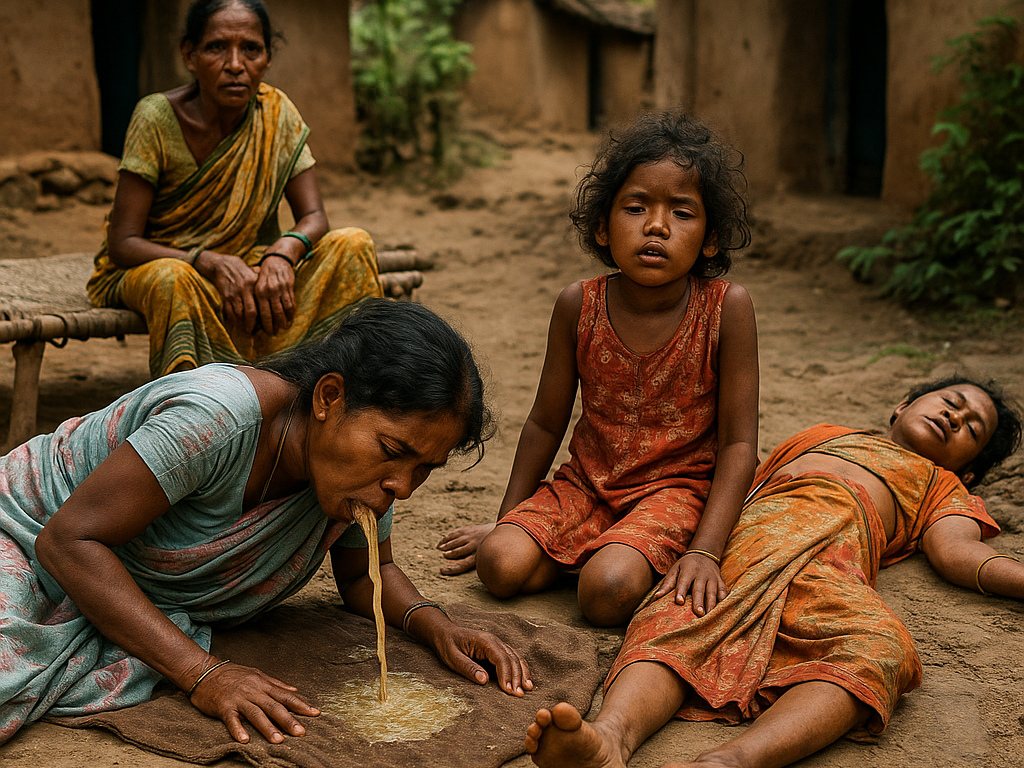
Cholera is a potentially fatal bacterial disease affecting 1 to 4 million people annually, causing up to 143,000 deaths worldwide. Odisha has recently faced a severe cholera outbreak, with 24 deaths and over 2,500 people affected across nine districts.
Caused by the bacterium Vibrio cholerae, cholera spreads through contaminated food and water, particularly in areas with poor sanitation. While many infected people remain asymptomatic, the disease can lead to severe dehydration and death without timely treatment.
In this guide, we’ll cover the causes, symptoms, prevention strategies, and treatment options to help you and your community stay safe—especially during monsoon season when the risk in Odisha rises sharply.
How Cholera Spreads
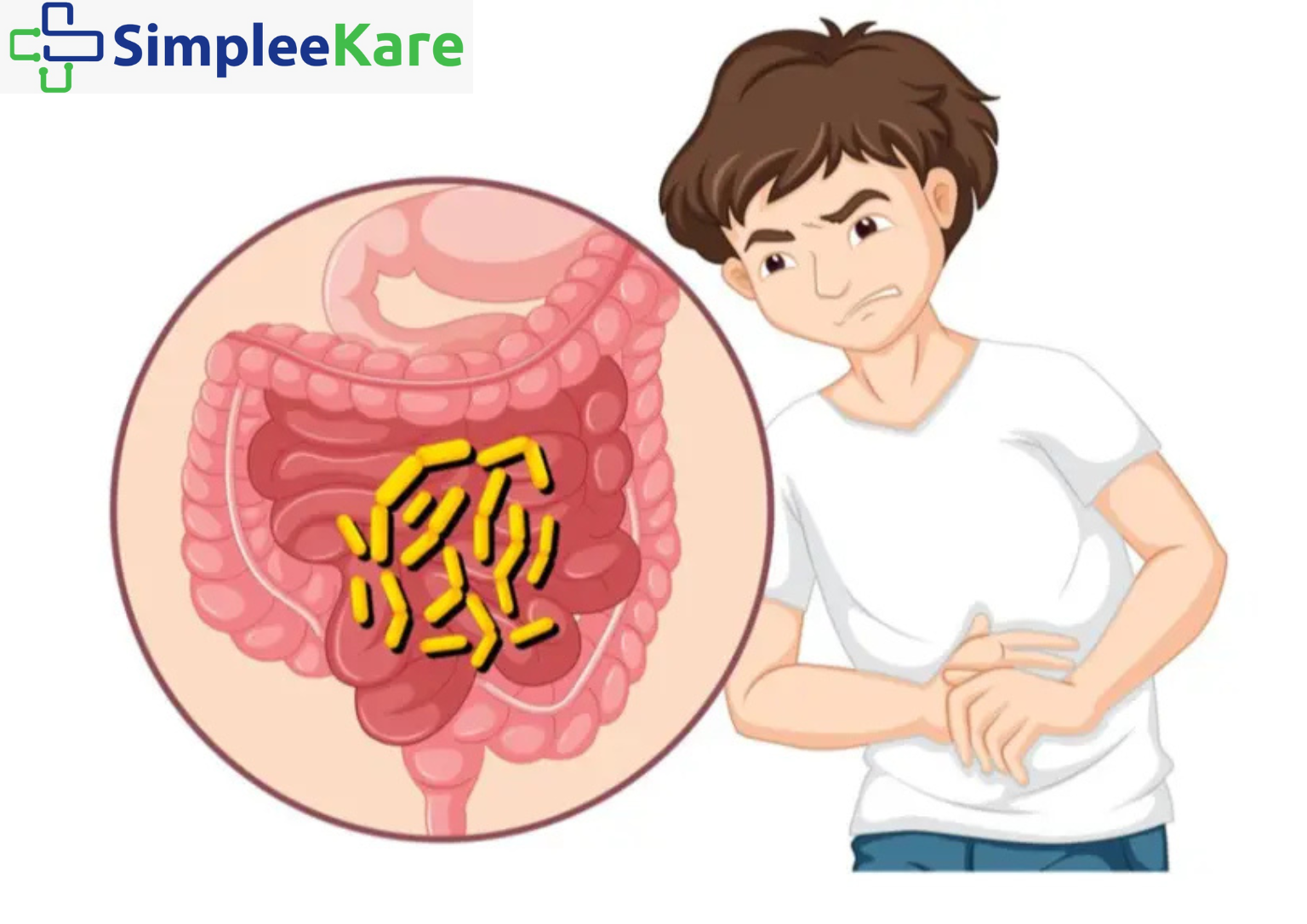
Cholera is caused by the Vibrio cholerae bacterium, which infects the small intestine and produces toxins that trigger massive water loss from the body.
Infection Process
After ingestion, the bacteria attach to the intestinal lining, releasing toxins that block normal fluid absorption. This leads to rapid dehydration and loss of vital electrolytes. Symptoms can appear within 12 hours to 5 days of exposure.
Common Sources of Contamination
Contaminated water – especially from public sources, wells, or floodwater
Raw or undercooked seafood – especially shellfish from polluted areas
Raw fruits/vegetables – grown or washed with contaminated water
Street food – particularly if hygiene standards are poor
Cooked grains like rice – left at room temperature for too long
The risk of cholera outbreaks increases in Odisha during monsoons, when flooding contaminates water sources.
Is Cholera Bacterial or Viral?
Cholera is a bacterial infection caused by toxigenic Vibrio cholerae strains, particularly serogroups O1 and O139. It does not spread through coughing or touching but requires ingestion of contaminated food or water.
Recognizing Symptoms
Early detection of cholera can save lives. Most cases are mild or asymptomatic, but about 1 in 10 people develop severe illness.
Common Symptoms
Sudden onset of watery diarrhea (“rice-water” appearance)
Severe dehydration can cause death in under 12 hours without treatment.
Cholera Symptoms in Children
Children often have the same symptoms as adults but are more vulnerable to complications:
Faster heart rate
Lethargy or sleepiness
Sunken eyes or absence of tears
Risk of hypoglycemia (low blood sugar), which may lead to unconsciousness
Parents in Odisha should be especially vigilant during monsoon months.
Prevention: Stay Protected in 2025
Safe Water Practices
Boil water for at least 1 minute before drinking
Use chlorine tablets or approved purification solutions
Use filters with 0.3-micron pores or smaller
Store water in clean, covered containers
Food Hygiene Tips
Follow: “Boil it, peel it, or leave it”
Cook food thoroughly, especially seafood
Peel fruits and avoid eating raw unpeeled items
Reheat leftovers fully before eating
Handwashing Matters
Wash hands with soap and water before eating or preparing food
Wash after using toilets, cleaning children, or caring for the sick
Use 60%+ alcohol sanitizers if soap isn’t available
Community Sanitation
Use toilets or dig temporary latrines away from water sources
Don’t bathe or wash near drinking water points
Support local drives to chlorinate water tanks and promote hygiene
Cholera Vaccination in Bhubaneswar : Who Needs It?
Oral cholera vaccines like Dukoral®, Euvichol-Plus®, and Vaxchora® offer short-term protection and are recommended for:
Residents of outbreak-prone areas
People in humanitarian crisis zones
Travelers to endemic regions
However, vaccines are not a substitute for clean water and hygiene.
Cholera Treatment & Emergency Actions
Oral Rehydration Solution (ORS)
ORS is the first line of treatment. It replaces lost fluids and electrolytes and can be made at home:
Mix 6 tsp sugar + ½ tsp salt in 1 liter of boiled water
Children aged 6 months to 5 years should also receive zinc supplements for faster recovery.
Antibiotics
Used in moderate to severe cases, antibiotics like:
Doxycycline
Azithromycin
Ciprofloxacin
These reduce fluid loss and shorten illness duration.
Intravenous (IV) Fluids
For those who lose over 10% of body weight in fluids, IV rehydration is necessary. Ringer’s lactate is typically used to restore electrolytes and prevent shock.
What to Do if Symptoms Appear ?
Start ORS immediately, even en route to a clinic
Avoid sugary drinks – they worsen diarrhea
Continue breastfeeding for infants
Get medical help as soon as possible
Precautions During an Outbreak
Share verified information via radio, texts, or social media
Healthcare workers should use gloves, masks, and follow hand hygiene
Monitor symptoms closely in children and elderly
Travel Tips to High-Risk Areas
Carry ORS packets, chlorine tablets, and bottled water
Avoid raw food or unsealed water
Remember: “Boil it, cook it, peel it, or forget it“
Conclusion: Simple Steps Can Save Lives
Cholera continues to be a serious threat during Odisha’s monsoon season. But with basic preventive steps—like boiling water, practicing hygiene, and seeking early treatment—it can be controlled.
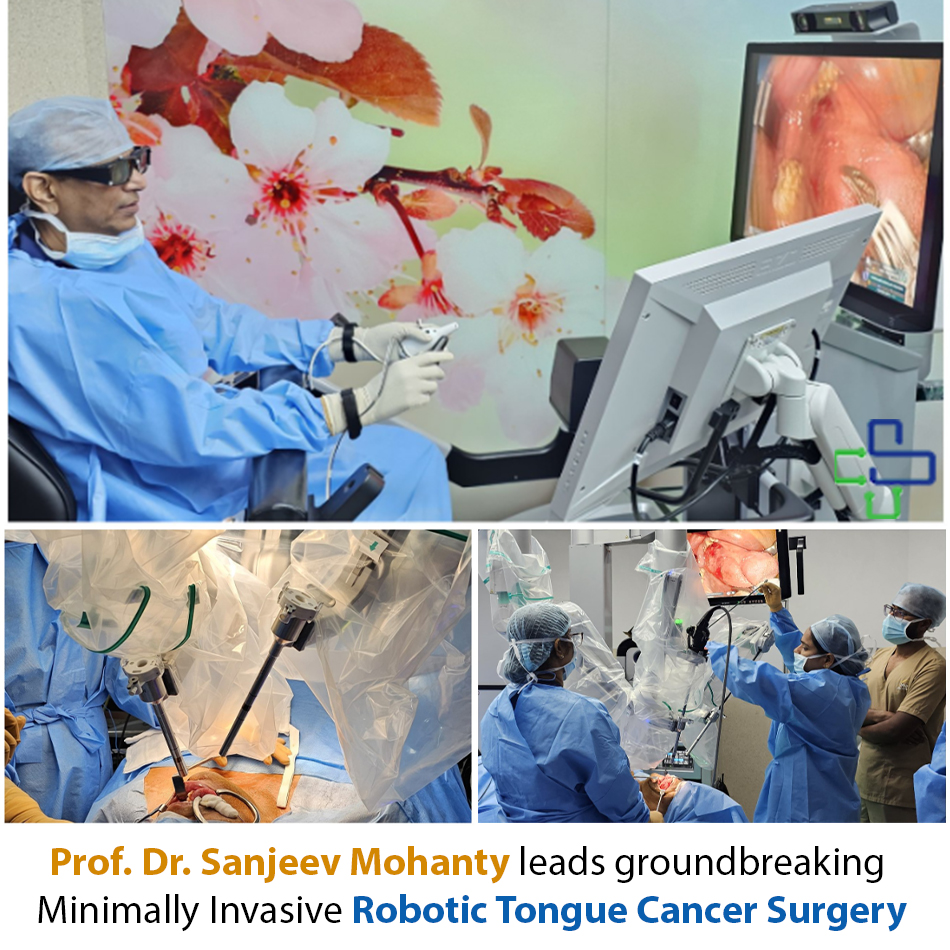
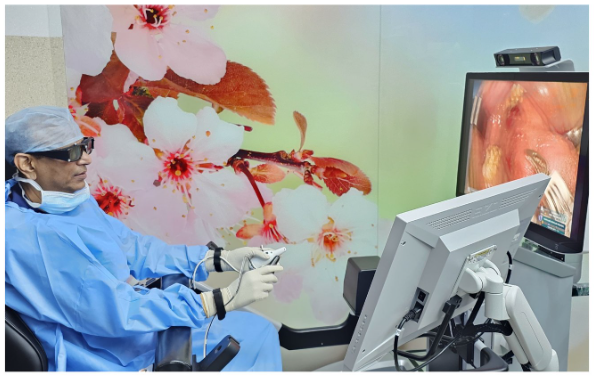
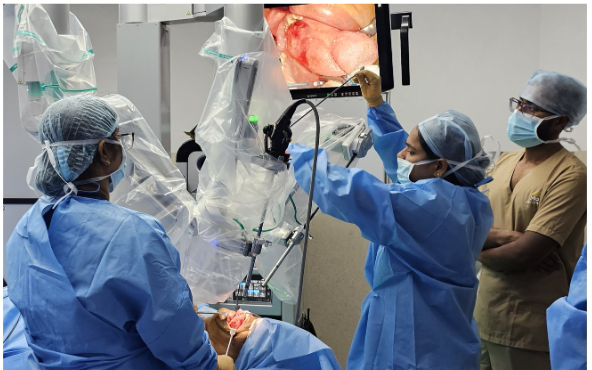
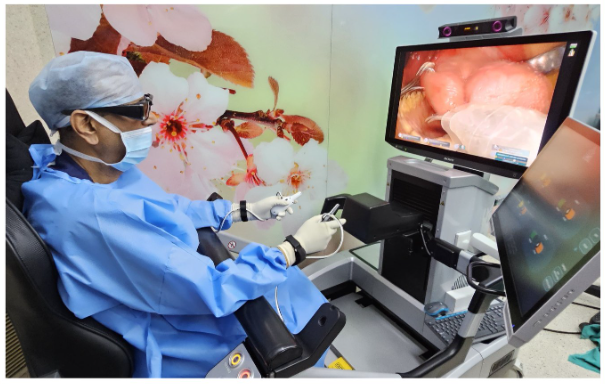
SimpleeKare Health, Bhubaneswar, proudly celebrates a medical milestone under the leadership of Prof. Dr. Sanjeev Mohanty, Head of ENT, Head & Neck Surgery. In a pioneering achievement that redefines cancer treatment, Dr. Mohanty successfully performed a minimally invasive Transoral Robotic Surgery (TORS) on a 58-year-old male patient with advanced tongue cancer—ushering in a new era of precision, safety, and faster recovery in oncological care.
PROF DR SANJEEV MOHANTY PERFORMING TRANSORAL ROBOTIC SURGERY
Patient Success Story: From Fear to Full Function
The patient, a 58-year-old man, had been diagnosed with a locally advanced tongue carcinoma, struggling with symptoms including slurred speech, swallowing difficulty, oral pain, and weight loss. Given the tumor’s position deep within the base of the tongue, conventional surgery posed serious risks—potential speech impairment, cosmetic disfigurement, and prolonged recovery.
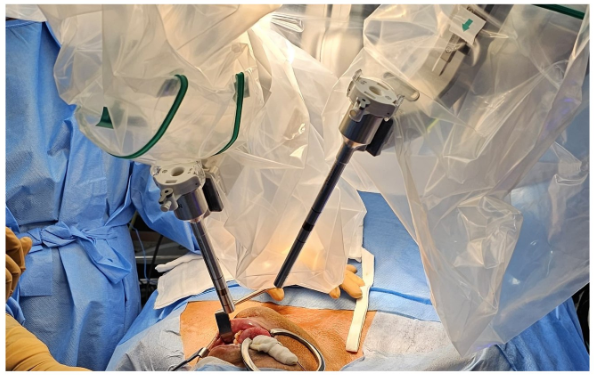
When referred to SimpleeKare Hospital, he was offered a breakthrough alternative: robot-assisted minimally invasive tongue cancer surgery using the Transoral Robotic Surgery (TORS) system. The result? A precise tumor resection through the mouth—without a neck incision or jaw splitting. Today, the patient is recovering well with preserved speech and swallowing functions, back home within days of the procedure.
Quote from the Tongue Cancer Patient’s Family
“We were initially devastated by the cancer diagnosis and fearful of the surgical consequences. But after meeting Dr. Mohanty, we were assured of the best care possible. He explained the robotic surgery in detail, and today, our father speaks and eats like before. We are beyond grateful.”
Understanding Tongue Cancer and Its Surgical Challenges
Tongue cancer, particularly at the base of the tongue, is one of the more challenging cancers to treat. Traditional open surgeries often require large external incisions, mandibulotomy (jaw splitting), or tracheostomy, which can result in significant post-surgical complications, long recovery time, and impaired quality of life.
Robotic surgery, particularly Transoral Robotic Surgery (TORS), is a revolutionary advancement that allows head and neck surgeons to operate through the mouth using precision instruments, offering:
A clear 3D view of deep anatomical structures
Fine control and dexterity
Minimally invasive access to difficult-to-reach tumors
The Clinical Breakthrough: What Makes This Robotic Surgery Special?
This case was unique and demanding. The tumor’s proximity to critical nerves and blood vessels made complete excision without damage extremely challenging.
Prof. Dr. Sanjeev Mohanty, leveraging his decades of surgical experience and newly acquired robotic expertise, led a skilled team using the TORS system. The advantages of this approach were remarkable:
Key Benefits of Robotic Tongue Cancer Surgery
Outcome for the Patient
No external incisions
No facial scarring or jaw opening
Precise tumor margin control
Complete tumor removal with clear margins
Preservation of vital nerves and muscles
Normal speech and swallowing maintained
Minimal blood loss
Shorter surgery time and faster recovery
Reduced hospital stay
Discharged within a few days post-surgery
Quote from Dr. Sanjeev Mohanty
“Robotic surgery represents a quantum leap in head and neck cancer care. In this case, we achieved complete tumor excision through the mouth, without compromising the patient’s functionality or appearance. My transition from laser-based to robotic surgery has been driven by the pursuit of better outcomes and faster recovery for our patients.”
Why Robotic Surgery Matters
Robotic systems bring unmatched stability, visualization, and access, especially in confined spaces like the oropharynx (base of tongue, tonsils, soft palate). For patients, it means:
Minimal trauma
Lower risk of complications
Faster return to normal life
Fewer long-term side effects
TORS is now considered the standard of care for select tongue and oropharyngeal cancers, especially when combined with a multidisciplinary team that includes oncologists, speech therapists, and rehabilitation experts.
About Prof. Dr. Sanjeev Mohanty
Dr. Sanjeev Mohanty is a national authority in ENT and head & neck oncology, MGM Healthcare, Chennai . With a proven track record in laser surgery, he has now seamlessly integrated robotic surgical expertise into his practice—further strengthening SimpleeKare Health’s status as a center of excellence for advanced ENT and cancer care.
👨⚕️ About Dr. Sanjeev Mohanty:
✔️ Senior Consultant – MGM Healthcare, Chennai
✔️ Renowned for expertise in advanced ENT care
✔️ Pioneer in robotic & minimally invasive ENT surgery
Dr. Mohanty highlights how timely diagnosis and ENT consultation can prevent long-term complications.
SimpleeKare Health: Leading the Way in Advanced Surgical Care
Located in Bhubaneswar, SimpleeKare Health offers a full range of diagnostic and surgical services with an emphasis on minimally invasive and robotic techniques. With access to cutting-edge technology and a team of specialists, the hospital ensures:
Patient-centric care
Transparent medical communication
Holistic post-operative rehabilitation
Contact Information for Consultation with Dr Sanjeev Mohanty
This successful robotic tongue cancer surgery exemplifies the future of oncology treatment—precision without compromise. Thanks to Prof. Dr. Sanjeev Mohanty’s expertise and SimpleeKare’s state-of-the-art infrastructure, patients in Eastern India now have access to world-class cancer surgery closer to home.
If you or a loved one is facing a complex head or neck condition, know that compassionate and cutting-edge care is available at SimpleeKare Health, Bhubaneswar.
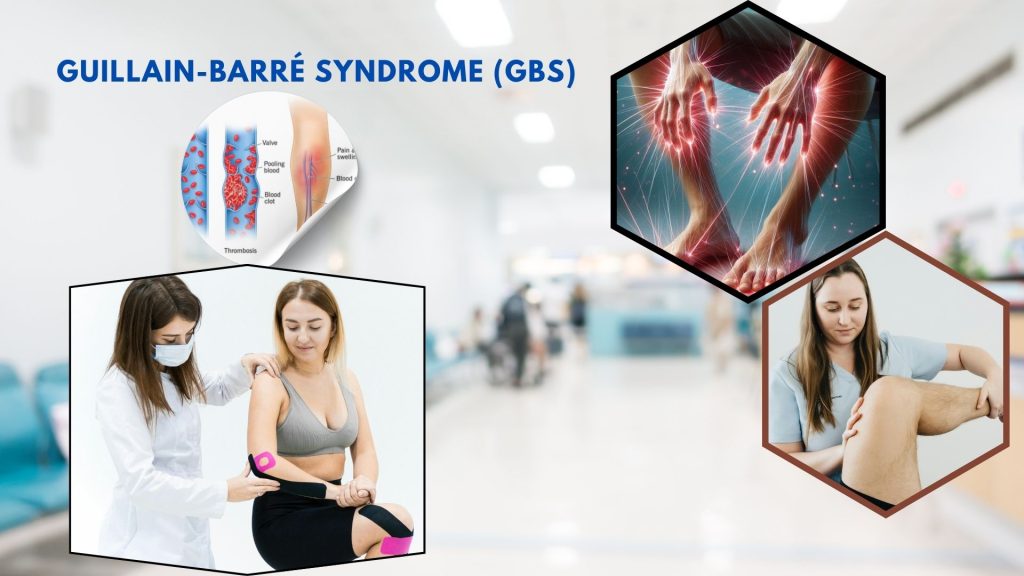
Guillain-Barré Syndrome (GBS) is a rare but serious autoimmune condition affecting the peripheral nervous system. Named after French neurologists Georges Guillain and Jean Alexandre Barré, who first identified it in 1916, GBS occurs when the immune system mistakenly attacks the nerves. This leads to muscle weakness, tingling sensations, and, in severe cases, paralysis. Though uncommon, affecting about 1 to 2 people per 100,000 annually, GBS can be life-altering.
Guillain-Barré Syndrome (GBS) Symptoms and Patient Experience
This blog explores the causes, symptoms, diagnosis, and advanced treatment options for Guillain-Barré Syndrome(GBS), emphasizing the exceptional care available at SimpleeKare Hospital, a leading healthcare provider in Bhubaneswar.
What Causes Guillain-Barré Syndrome?
The exact cause of GBS is not fully understood, but it is often triggered by infections. Researchers believe that the immune system, which normally fights infections, mistakenly attacks the protective covering of nerves (myelin sheath) or the nerves themselves. This disrupts nerve signals, leading to Guillain-Barré Syndrome(GBS) symptoms.
While GBS can affect anyone, some factors increase the risk:
Risk Factor
Description
Age
More common in adults, especially 50+
Gender
Men are slightly more affected than women
Recent Infections
Respiratory or gastrointestinal infections increase risk
Surgery or Trauma
In rare cases, linked to medical procedures or injuries
Symptoms of Guillain-Barré Syndrome
GBS symptoms typically begin with weakness and tingling in the legs, spreading to the arms and upper body. Symptoms often peak within weeks.
Symptom
Description
Tingling & Numbness
“Pins and needles” sensation in fingers, toes, ankles, or wrists
Muscle Weakness
Starts in the legs, can spread to the arms and face
Difficulty Walking
Trouble with balance and movement
Severe Pain
Aching, cramping, especially in back and legs
Breathing Issues
Can occur in severe cases, requiring medical attention
Facial Weakness
Difficulty speaking, chewing, or swallowing
Diagnosis of Guillain-Barré Syndrome
Diagnosing GBS requires detailed assessment by a neurologist. The process includes:
Diagnostic Test
Purpose
Clinical Exam
Checks muscle strength, reflexes, and coordination
Lumbar Puncture
Analyzes cerebrospinal fluid for elevated protein levels
Electromyography (EMG)
Measures nerve activity for damage assessment
Nerve Conduction Studies
Evaluates how well electrical signals travel through nerves
At SimpleeKare Hospital, we use advanced diagnostic tools for accurate and timely diagnosis. As the Best Diagnostic Centre in Bhubaneswar, we offer comprehensive testing, including pathology and imaging, ensuring precision in every diagnosis.
Guillain-Barré Syndrome (GBS) Banner
Advanced Treatment Options at SimpleeKare Hospital
While Guillain-Barré Syndrome(GBS) has no cure, early treatment can improve recovery and reduce complications. The most effective treatments include:
Treatment
Description
Intravenous Immunoglobulin (IVIG)
Injects healthy antibodies to block harmful immune response
Plasma Exchange (Plasmapheresis)
Removes harmful antibodies from the blood
Mechanical Ventilation
Supports breathing in severe cases
Physical Therapy
Personalized rehab programs to regain strength and mobility
Pain Management
Advanced medications to alleviate nerve pain
Psychological Support
Counseling and support groups for emotional well-being
Recovery and Prognosis
Recovery from Guillain-Barré Syndrome(GBS) varies among patients. While some improve within weeks, full recovery may take months or years.
Recovery Phase
Description
Initial Recovery
Some improvement seen within weeks
Long-Term Recovery
80% of patients walk independently within six months
Residual Effects
Some may experience lasting weakness or fatigue
At SimpleeKare Hospital, our multidisciplinary team ensures comprehensive support throughout the recovery process, helping patients regain mobility and independence.
Why Choose SimpleeKare Hospital for Guillain-Barré Syndrome(GBS) Treatment?
We are committed to providing world-class care for Guillain-Barré Syndrome(GBS) patients through:
Service
Description
Expert Neurologists
Leading specialists for accurate diagnosis and treatment
Convenient Online Appointments
Easy booking for consultations and follow-ups
Top Diagnostic Services
Advanced pathology and imaging for precise results
GBS is a rare but serious condition requiring prompt medical attention. While recovery can be challenging, early intervention, advanced treatments, and rehabilitation can lead to positive outcomes. If you or a loved one experiences Guillain-Barré Syndrome(GBS) symptoms, seek medical help immediately.
📞 Book an Appointment:+91 9776414444 | +91 6371966229
Disclaimer
This blog is for educational purposes only and should not replace professional medical advice. Consult a qualified healthcare provider for personalized guidance.
In recent months, India has seen a surge in cases of Human Metapneumovirus (HMPV), a respiratory virus that is gaining attention for its impact on public health. While HMPV is not new, its increasing prevalence has raised concerns among healthcare professionals and the general public alike. Here, we explore what HMPV is, its symptoms, how it spreads, and the measures you can take to protect yourself and your loved ones.
What is HMPV?
Human Metapneumovirus (HMPV) belongs to the Pneumoviridae family and was first identified in 2001. It primarily affects the respiratory tract, causing mild to severe illnesses, particularly in young children, the elderly, and individuals with weakened immune systems. Although HMPV is often overshadowed by more well-known respiratory viruses like influenza or RSV (Respiratory Syncytial Virus), its potential to cause widespread illness cannot be underestimated.
Symptoms of HMPV Infection
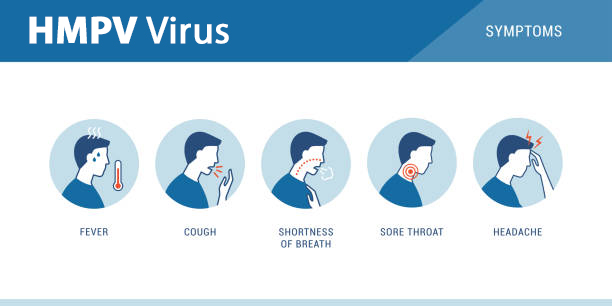
The symptoms of HMPV can vary in severity, ranging from mild to severe. Common symptoms include:
Cough
Nasal congestion
Shortness of breath
Fever
Sore throat
Wheezing in severe cases
In young children and older adults, HMPV can sometimes lead to complications such as bronchiolitis or pneumonia, necessitating medical intervention.
How Does HMPV Spread?
HMPV spreads primarily through respiratory droplets when an infected person coughs or sneezes. It can also spread by touching surfaces contaminated with the virus and then touching the face, especially the nose, mouth, or eyes. Crowded environments and close contact with infected individuals increase the risk of transmission.
Current Scenario in India
The recent uptick in HMPV cases in India has been attributed to multiple factors, including seasonal changes and increased interaction in public spaces post-pandemic. While exact numbers are still being studied, healthcare providers report an increase in hospitalizations due to respiratory illnesses that are now being identified as HMPV-related.
Prevention and Protection
There is currently no vaccine for HMPV, making prevention crucial. Here are some steps to reduce the risk of infection:
Practice Good Hygiene: Wash your hands frequently with soap and water for at least 20 seconds. Use hand sanitizer when soap is unavailable.
Avoid Close Contact: Stay away from individuals showing symptoms of respiratory illness.
Disinfect Surfaces: Regularly clean and disinfect commonly touched surfaces, such as doorknobs, mobile phones, and tabletops.
Wear Masks: In crowded areas or during outbreaks, wearing a mask can help reduce the spread of respiratory droplets.
Boost Immunity: Maintain a balanced diet, get adequate sleep, and engage in regular exercise to keep your immune system strong.
Seeking Medical Help
If you or someone in your family experiences symptoms of a respiratory infection that worsen or persist, seek medical advice promptly. Early diagnosis and supportive care can prevent complications, especially for high-risk groups.
Conclusion
The rise in HMPV cases in India serves as a reminder of the ongoing challenges posed by respiratory viruses. Awareness and proactive measures are our best defenses against such infections. At SimpleeKare Health, we are committed to providing accurate information and quality care to help you navigate health concerns effectively. Stay informed, stay safe, and prioritize your health and well-being.
Respiratory Syncytial Virus (RSV) is a common virus that causes respiratory infections, particularly in young children, the elderly, and individuals with weakened immune systems. RSV can lead to severe conditions such as bronchiolitis and pneumonia, resulting in thousands of hospitalizations each year. To tackle this, researchers have developed the RSV vaccine, which has proven effective in preventing severe RSV infections. This blog aims to educate you about the RSV vaccine, its importance, and what you need to know about getting vaccinated.
What is RSV?
RSV is a highly contagious virus that primarily affects the respiratory tract. It is most prevalent during the winter and early spring. Almost all children will have been infected with RSV by their second birthday, but while the majority will experience mild, cold-like symptoms, others, particularly infants and older adults, may develop severe infections that require hospitalization.
Key facts about RSV:
RSV can cause symptoms like runny nose, cough, sneezing, fever, and wheezing.
Severe cases can lead to pneumonia and bronchiolitis (inflammation of the small airways in the lungs).
The virus spreads through respiratory droplets when an infected person coughs or sneezes, or by touching contaminated surfaces.
Why is an RSV Vaccine Necessary?
RSV is responsible for a significant health burden worldwide:
Infants: RSV is one of the leading causes of respiratory illness in infants and young children. It is the most common cause of bronchiolitis and pneumonia in children under 1 year of age.
Elderly and Immunocompromised: Adults over 65 and people with chronic health conditions, such as asthma, heart disease, or weakened immune systems, are also at risk of severe RSV complications.
Annual Burden: Globally, RSV causes more than 3 million hospitalizations and an estimated 100,000 deaths in children under 5 every year.
Given its widespread impact, the development of an RSV vaccine has been a public health priority.
Types of RSV Vaccines Available
There are currently several RSV vaccines available or in development, each targeting different age groups and designed to offer protection against severe RSV illness. Some of the main types include:
Maternal RSV Vaccine:
Administered to pregnant women to pass antibodies to the baby before birth, offering newborns protection during the first months of life.
Designed to prevent severe RSV illness in infants who are too young to receive their own vaccines.
Infant and Pediatric RSV Vaccine:
Given directly to infants and young children to protect them from severe RSV infection.
Recommended especially for children who are at higher risk, such as those born prematurely or with heart or lung conditions.
Adult RSV Vaccine:
Targets adults over the age of 60, who are at increased risk of severe RSV infections.
Helps to reduce the burden of RSV on the elderly population and prevent hospitalizations.
How Does the RSV Vaccine Work?
The RSV vaccine works by stimulating the immune system to produce antibodies against RSV. These antibodies help the body recognize and fight the virus more effectively if exposed to it in the future. Like other vaccines, the RSV vaccine uses a safe, weakened, or inactive form of the virus or a piece of its genetic material to build immunity without causing illness.
Types of RSV Vaccines:
Live-Attenuated Vaccines: Use a weakened form of the virus.
Protein-Based Vaccines: Use a specific protein from the virus to stimulate an immune response.
mRNA Vaccines: Use a snippet of the virus’s genetic code to instruct cells to produce a protein that triggers immunity.
Who Should Get the RSV Vaccine?
1. Infants and Young Children: The CDC recommends that infants, especially those who are at high risk for severe RSV infection, should receive the RSV vaccine. This group includes:
Babies born prematurely.
Infants with chronic lung disease or congenital heart disease.
Infants with weakened immune systems.
2. Pregnant Women: Pregnant women in their third trimester can receive the maternal RSV vaccine to protect their newborns during the initial months of life, when they are most vulnerable to severe RSV illness.
3. Older Adults (60+): Adults aged 60 and older, especially those with chronic health conditions such as heart disease, lung disease, or diabetes, should also consider getting the RSV vaccine to reduce their risk of severe illness.
Benefits of the RSV Vaccine
1. Protecting Infants and Young Children: The primary benefit of the RSV vaccine is to protect babies and young children from severe RSV illness. Vaccination can prevent hospitalizations, severe respiratory symptoms, and the potential long-term health effects that can result from a serious RSV infection.
2. Reducing Hospitalizations in Older Adults: RSV can lead to significant health complications in older adults, including pneumonia and exacerbation of chronic obstructive pulmonary disease (COPD). By getting vaccinated, older adults can lower their chances of severe illness and hospitalization.
3. Herd Immunity: Widespread vaccination can help reduce the overall spread of RSV, protecting those who are too young or unable to receive the vaccine. This is particularly beneficial for community health.
Side Effects and Safety of the RSV Vaccine
The RSV vaccine is generally safe, but like all vaccines, it can have side effects. Most side effects are mild and temporary, including:
Pain or redness at the injection site.
Mild fever.
Fatigue.
Rare but Serious Side Effects: In rare cases, severe allergic reactions can occur. Individuals should be observed after vaccination, and those with a history of severe allergies to any component of the vaccine should consult their healthcare provider before getting vaccinated.
How Effective is the RSV Vaccine?
Clinical trials and real-world studies have shown that the RSV vaccine is highly effective at preventing severe RSV infections. The effectiveness varies depending on the type of vaccine and the population group. Generally, the vaccine reduces the risk of severe illness and hospitalizations, particularly in high-risk groups such as infants, older adults, and those with underlying health conditions.
Efficacy Rates:
Maternal Vaccines: Up to 80% effectiveness in preventing severe RSV disease in newborns during the first 3 months of life.
Infant Vaccines: Highly effective in reducing the risk of severe RSV illness in infants.
Adult Vaccines: Up to 60-70% effectiveness in preventing severe illness in older adults.
When and Where Can You Get the RSV Vaccine?
The RSV vaccine is typically available at healthcare facilities, including pediatricians’ offices, hospitals, and local health departments. Depending on the type of vaccine, different schedules are recommended:
Maternal RSV Vaccine: Administered during the third trimester of pregnancy.
Infant RSV Vaccine: Administered in a series of doses starting at 6 months of age.
Adult RSV Vaccine: Typically a single dose, recommended before the start of the RSV season.
The introduction of the RSV vaccine represents a significant step forward in protecting vulnerable populations from this potentially severe virus. By understanding the benefits of the RSV vaccine, we can make informed decisions to safeguard our health and the health of our loved ones. As RSV season approaches, consider talking to your healthcare provider about getting vaccinated, especially if you or your loved ones are in a high-risk group.
Book Your RSV Vaccine Appointment with SimpleeKare Safeguard yourself and your family this season by getting the RSV vaccine at SimpleeKare Hospital, conveniently located across Cuttack, Bhubaneswar, Visakhapatnam, and Hyderabad. With trusted diagnostic services and top-tier healthcare, our centers are here to meet all your needs. Book your RSV vaccine today and choose health protection that’s both accessible and reliable.
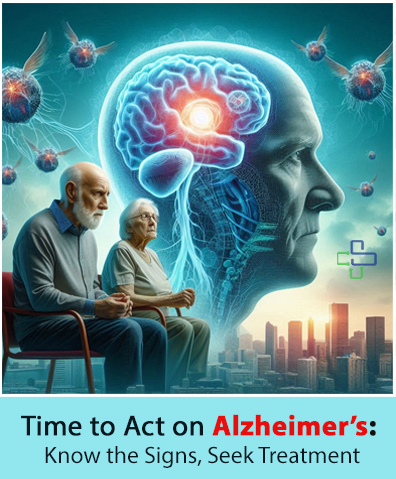
Every 21st September, we observe World Alzheimer’s Day as part of World Alzheimer’s Month. This year’s theme, “Time to Act on Dementia, Time to Act on Alzheimer’s,” highlights the urgent need for awareness, support, and action to combat Alzheimer’s diseaseand dementia. With over 55 million people worldwide living with dementia and Alzheimer’s disease, the impact is profound, affecting not only patients but also their families and communities. At SimpleeKare Health, we’re committed to educating and empowering individuals to take action in the fight against Alzheimer’s. In this guide, we’ll explore Alzheimer’s disease symptoms, prevention strategies, Alzheimer’s disease treatments, and crucial steps to support loved ones affected by this debilitating condition.
1. What is Alzheimer’s Disease?
Understanding Alzheimer’s: A Progressive Brain Disorder
Alzheimer’s disease is a type of dementia that affects memory, thinking, and behaviour. It’s a progressive condition, meaning Alzheimer’s disease symptoms gradually worsen over time. Alzheimer’s is the most common form of dementia, accounting for 60-70% of all dementia cases. The exact cause is not fully understood, but it involves abnormal changes in the brain, including the buildup of plaques and tangles that interfere with neuron function.
2. Recognizing the Early Signs of Alzheimer’s
Time to Act: Identifying Early Alzheimer’s Disease Symptoms
Early detection of Alzheimer’s disease symptoms is crucial. Some common early signs include:
Memory loss that disrupts daily life, such as forgetting important dates or events.
Difficulty planning or solving problems, like trouble following familiar recipes.
Confusion with time or place, such as forgetting where you are or how you got there.
Problems with speaking or writing, including trouble joining conversations.
Changes in mood and personality, like becoming easily upset or anxious.
If you notice these symptoms in yourself or a loved one, it’s time to act and seek medical advice from a neurologist. Early intervention can improve the quality of life and may slow the progression of symptoms.
3. The Global Impact of Alzheimer’s
Alzheimer’s is a Global Challenge
Alzheimer’s disease is not only a personal battle but also a global health crisis. According to the World Health Organization, more than 55 million people are living with dementia worldwide, with Alzheimer’s disease being the most common type. This number is expected to triple by 2050, making it critical for healthcare systems and communities to prepare for the increasing demand for care and Alzheimer’s disease treatments.
4. Why Early Diagnosis Matters
Benefits of Early Diagnosis and Intervention
An early diagnosis of Alzheimer’s disease can lead to:
Better management of symptoms through medications and therapies that may slow progression.
Access to support networks and resources, including educational materials and caregiver support.
Planning for the future, including legal, financial, and healthcare decisions.
Being proactive in recognizing the symptoms and seeking a diagnosis can greatly enhance a patient’s ability to manage the disease and maintain independence for as long as possible.
5. How to Support a Loved One with Alzheimer’s
Practical Ways to Offer Care and Support
Caring for someone with Alzheimer’s can be challenging, but there are ways to offer effective support:
Create a safe environment by minimizing hazards and ensuring the home is easy to navigate.
Establish a routine that helps reduce confusion and anxiety.
Use clear communication by speaking slowly, maintaining eye contact, and avoiding complex sentences.
Encourage mental and physical activities like puzzles, reading, and walking, which can help stimulate the brain.
Be patient and empathetic, recognizing that mood swings and memory lapses are part of the condition.
Providing care and emotional support, while considering ongoing treatments, can help improve the quality of life for both patients and caregivers.
6. Lifestyle Changes to Lower Your Risk
Time to Act: Prevention Through Healthy Living
While there’s no definitive way to prevent Alzheimer’s, research suggests that certain lifestyle choices can reduce the risk:
Stay physically active: Regular exercise helps improve blood flow to the brain, which may lower the risk of developing symptoms.
Eat a brain-healthy diet, such as the Mediterranean diet, which is rich in fruits, vegetables, and healthy fats.
Stay mentally engaged: Puzzles, reading, and learning new skills may help build cognitive reserves and delay the onset of Alzheimer’s symptoms.
Manage chronic conditions: Keep high blood pressure, diabetes, and cholesterol under control to reduce risk factors.
Stay socially connected: Engaging in meaningful social activities can protect against cognitive decline.
Making these changes now can help reduce the likelihood of developing the symptoms later in life and minimize the need for future Alzheimer’s treatments.
7. Time to Act: SimpleeKare Health’s Role in Alzheimer’s Support
How SimpleeKare Health Can Help
At SimpleeKare Health, we understand the profound impact Alzheimer’s disease has on individuals and families. Our team is dedicated to offering comprehensive care, including Alzheimer’s disease diagnostics and treatments, alongside resources for patients and caregivers. From diagnostic services to caregiver support programs, we are here to guide you every step of the way. By acting now, we can make a difference in the lives of those affected by Alzheimer’s disease.
Conclusion
As we observe World Alzheimer’s Month this September, it’s more important than ever to take action. Whether it’s learning the early signs, making lifestyle changes to lower your risk, or supporting a loved one, now is the time to act. Alzheimer’s disease affects millions, but together, through awareness, treatments, and proactive steps, we can slow its impact and improve the quality of life for those affected. At SimpleeKare Health, we are committed to helping you navigate this journey with compassion and expertise.
Contact us today to learn more about our services, including Alzheimer’s disease treatments, and how we can support you and your family in managing Alzheimer’s disease.
Hosted by Dr. Shakti Swaroop, Renowned Specialist in Foot Ankle Surgery and Diabetic Foot Care
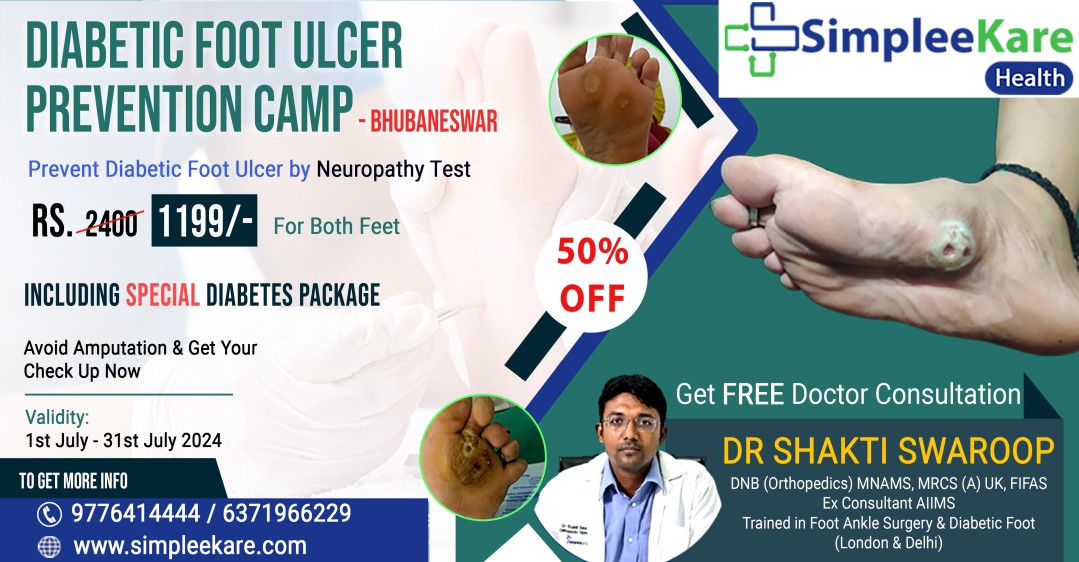
Are you or a loved one living with diabetes? Taking steps to protect your feet is crucial in managing diabetes and preventing severe complications like foot ulcers. SimpleeKare Hospital, Bhubaneswar is proud to host a comprehensive Diabetic Foot Ulcer Prevention Free Camp led by the esteemed Dr. Shakti Swaroop, a specialist in Foot Ankle Surgery and Diabetic Foot Care. SimpleeKare Hospital is renowned for its commitment to providing high-quality healthcare services, focusing on patient-centered care and advanced medical treatments. With state-of-the-art facilities and a team of experienced healthcare professionals, SimpleeKare ensures that patients receive the best possible care.
By attending this camp, you will have the opportunity to benefit from a Free Doctor Consultation with Dr. Shakti Swaroop, who will provide personalized advice and guidance on managing diabetic foot health. This camp is designed to empower patients with the knowledge and tools they need to prevent foot ulcers and maintain optimal foot health.
Location: N2/19, IRC Village, Nayapalli, Bhubaneswar-751015, Odisha, India
Why Attend?
Join us to take a crucial step towards ensuring the health of your feet. Our camp includes a specialized Neuropathy Test at an exclusive price of Rs. 1199/- for both feet. This test is designed to detect nerve damage, which is a common issue for those with diabetes. Early detection can help prevent severe complications.
What’s Included:
Neuropathy Test for Both Feet: This test is essential for detecting nerve damage early and preventing complications.
Special Diabetes Package: Enjoy a comprehensive package tailored to meet your diabetes care needs.
Free Doctor Consultation: Benefit from a free consultation with Dr. Shakti Swaroop, where you can discuss your concerns and receive expert advice on foot care.
Avoid the Risk of Amputation:
Foot ulcers can lead to severe complications, including amputation. By attending this camp, you can take proactive steps to ensure your feet remain in the best possible health.
About Dr. Shakti Swaroop
Dr. Shakti Swaroop is a highly regarded orthopedic surgeon specializing in foot and ankle issues. His dedication to his field is evident in his extensive training at prestigious institutions worldwide:
Max Super-specialty Hospital (Delhi) – Joint Replacement Surgery
Homerton University Hospital (London) – Joint Replacement Surgery
Fortis Hospital (Jaipur) – Robotic & Navigation Knee Replacement Surgery
Kings College Hospital London (UK) – Advanced Surgical Training (Foot & Ankle)
Dr. Swaroop is known as Bhubaneswar, Odisha’s premier foot and ankle specialist, offering unique expertise in the region. Previously, he served as a Consultant at AIIMS Bhubaneswar, driven by a desire to give back to his community.
Join us at SimpleeKare Hospital this July and take the first step towards protecting your feet and managing your diabetes effectively. Don’t miss this opportunity to benefit from the expertise of Dr. Shakti Swaroop and receive comprehensive diabetic foot care.