Tag: Gynecology

  • Endometriosis: Symptoms, Causes and Treatment Options

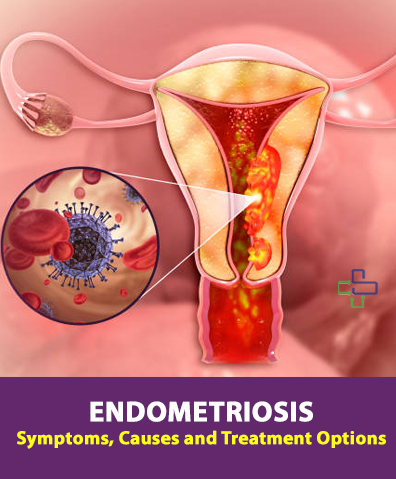
    Endometriosis: Symptoms, Causes and Treatment Options

    Endometriosis is a chronic, often painful disorder where tissue similar to the lining inside the uterus grows outside the uterus, causing inflammation, scar tissue, and, in some cases, infertility. Affecting more than 176 million women worldwide, it’s estimated that over 1 in 10 women may have this condition, but the actual number could be significantly higher due to underreporting, misdiagnosis, and a lack of accessible diagnostic methods. The condition is now recognized as one of the largest women’s health crises of our time. Here, we break down endometriosis symptoms, causes, effects, and treatment options to help increase understanding and support for those affected.
    Endometriosis treatment in bhubameswar

    Common Symptoms of Endometriosis

    Endometriosis symptoms vary, but common signs include:

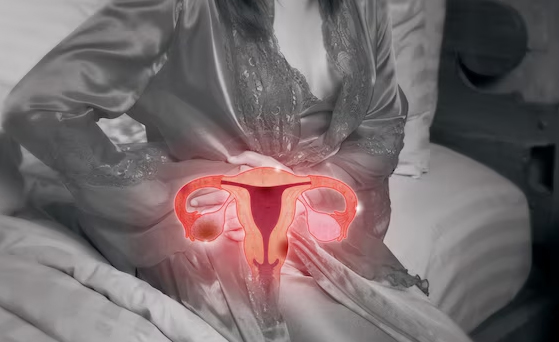
    • Severe menstrual cramps and pelvic pain
    • Pain during intercourse
    • Painful bowel movements or urination, especially during menstruation
    • Heavy menstrual bleeding or spotting between periods
    • Infertility (Endometriosis affects 30-50% of women facing infertility)
    • Chronic fatigue and digestive issues like bloating and nausea

    These symptoms can range from mild to severe and often worsen over time, making early diagnosis crucial.
    Endometriosis surgery in Bhubaneswar

    Why Endometriosis Goes Undiagnosed for So Long

    On average, it takes 7–10 years for endometriosis to be accurately diagnosed. This extended wait time can be attributed to factors like a lack of non-surgical diagnostic tools and a tendency in society to downplay or dismiss women’s pain. This delay can severely impact quality of life and fertility outcomes, as the condition often worsens without proper treatment.

    What Causes Endometriosis?

    The exact cause of endometriosis remains unclear, but several factors may contribute to its development:

    1. Retrograde Menstruation: Menstrual blood flows back through the fallopian tubes into the pelvic cavity instead of leaving the body, allowing endometrial cells to grow outside the uterus.
    2. Genetics: Women with a family history of endometriosis are at higher risk, suggesting a genetic link.
    3. Immune System Disorders: A weakened immune system may fail to identify and destroy endometrial tissue growing outside the uterus.
    4. Hormonal Imbalance: Higher levels of estrogen can promote the growth of endometrial tissue.
    5. Environmental Factors: Exposure to certain toxins, like dioxins, may also increase the risk of endometriosis.

    Understanding these causes can aid in prevention and help women recognize potential symptoms sooner.

    Risk Factors: Family History & Genetic Links

    Women who have a close relative with endometriosis are 2–3 times more likely to develop it themselves, highlighting a genetic component to the disorder. While researchers are working to better understand these genetic links, the heritable aspect means that women with family members affected by this should be especially vigilant about symptoms.

    Effects of Endometriosis on Health and Lifestyle

    The effects of endometriosis extend beyond physical pain, impacting various aspects of a woman’s life:

    1. Chronic Pain: Severe pain from endometriosis often limits daily activities, affecting productivity and overall well-being.
    2. Infertility: The condition can lead to blocked fallopian tubes, preventing egg and sperm from meeting. Up to half of the women with endometriosis face fertility challenges.
    3. Mental Health: Chronic pain and infertility struggles can lead to depression, anxiety, and stress.
    4. Reduced Quality of Life: Endometriosis can make it difficult to maintain a normal work-life balance, leading to missed days at work or school.
    5. Financial Strain: Treatment, pain management, and potential surgeries can impose a significant financial burden on women and their families.

    Addressing these effects with timely treatment and support can help women manage the condition more effectively.
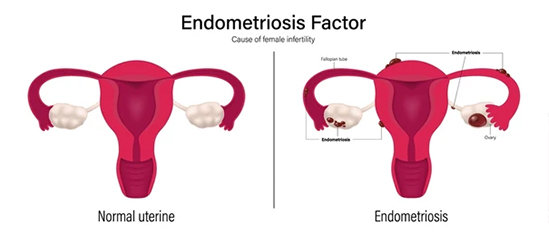
    Endometriosis surgery -causes of infertiliy

    Economic and Productivity Impact

    It isn’t just a physical and emotional burden; it also carries a significant economic impact. Studies estimate that women with endometriosis lose approximately 10 hours of productivity per week due to the condition. This has far-reaching implications, not only for the women affected but also for employers and healthcare systems globally.

    Stages of Endometriosis

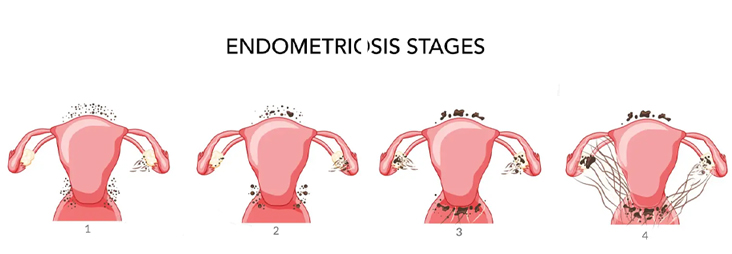
    The severity of endometriosis is classified into four stages by the American Society for Reproductive Medicine:

    1. Stage I (Minimal): Few, superficial implants with no scar tissue.
    2. Stage II (Mild): More extensive implants but limited scarring.
    3. Stage III (Moderate): Many deep implants and small cysts on ovaries.
    4. Stage IV (Severe): Large cysts, extensive scarring, and possible organ involvement.

    The staging helps doctors create a tailored treatment plan to manage symptoms effectively.
    Endometriosis surgery in bhubaneswar

    Treatment Options for Endometriosis

    While there’s no cure for endometriosis, treatments are available to alleviate symptoms and improve quality of life:

    • Hormonal Therapy: Birth control pills or hormonal IUDs help manage symptoms by reducing or stopping menstrual flow.
    • Pain Relief: NSAIDs, such as ibuprofen, are commonly used for pain management.
    • Surgery: In severe cases, laparoscopy is performed to remove endometrial tissue and cysts.
    • Fertility Treatment: Assisted reproductive technologies like IVF can help women with endometriosis conceive.

    Women should work closely with healthcare providers to determine the best treatment approach, which may combine medical, hormonal, and lifestyle modifications.

    Myths and Facts:

    Misconceptions surrounding endometriosis contribute to delayed diagnosis and treatment. Here are a few common myths debunked:

    • Myth: Endometriosis pain is just “bad cramps.”
      • Fact: Endometriosis pain is more intense and persistent than typical cramps.
    • Myth: Pregnancy cures endometriosis.
      • Fact: While pregnancy may relieve symptoms temporarily, it is not a cure.
    • Myth: Endometriosis is rare.
      • Fact: Endometriosis is widespread but underdiagnosed due to lack of awareness and accessible diagnostics.

    Addressing Social Stigma and Raising Awareness

    Endometriosis often goes undiscussed, leaving women feeling isolated and without support. Increased awareness, education, and resources can help reduce stigma, ensuring women receive the medical attention and community support they need.

    Conclusion: Prioritizing Women’s Health with SimpleeKare Health

    Endometriosis is more than just a “women’s health issue”; it’s a global crisis impacting millions. With increased awareness, proper diagnosis, and accessible treatment options, women can regain control over their health and lives.

    At SimpleeKare Health, we understand the unique challenges of endometriosis and are dedicated to providing compassionate care. Our team of skilled gynecologists is here to support you on your health journey with personalized treatment plans and resources to help you manage this condition effectively.

    Take control of your health—reach out to SimpleeKare Health to consult with our best gynecologists and discover treatment options that work for you.

  • 7 Essential Things You Should Always Discuss with Your Gynecologist

    7 Essential Things You Should Always Discuss with Your Gynecologist

    Visiting a gynecologist is crucial for maintaining your overall health and well-being. To make the most of your appointments, it’s important to discuss specific topics that can help your gynecologist provide the best care possible. Here are seven essential things you should always bring up during your visit.

    Best Gynecologist in Bhubaneswar

    1. Menstrual Cycle and Irregularities

    Discussing your menstrual cycle with your gynecologist can provide insights into your reproductive health. Share details about the regularity, duration, and intensity of your periods. If you experience any irregularities, such as missed periods, heavy bleeding, or severe cramps, make sure to mention them. These could be indicators of underlying health conditions such as polycystic ovary syndrome (PCOS), thyroid issues, or uterine fibroids. Understanding your menstrual health can help your gynecologist tailor treatments and provide recommendations to manage symptoms effectively. Click to watch for More information on managing common menstrual problems.

    2. Contraception and Family Planning

    Whether you’re looking to start a family or avoid pregnancy, talking about contraception and family planning is essential. Your gynecologist can help you choose the best birth control method based on your health, lifestyle, and preferences. Options range from oral contraceptives and intrauterine devices (IUDs) to implants and permanent solutions like tubal ligation. They can also guide you through preconception planning, offering advice on nutrition, supplements, and lifestyle changes to ensure a healthy pregnancy when you’re ready.

    3. Sexual Health and Libido

    Your sexual health is an important aspect of your overall well-being. Discuss any concerns you may have about your libido, sexual activity, or any discomfort during intercourse. Your gynecologist can offer solutions and treatments for common issues like vaginal dryness, pain, or infections. They can also provide guidance on safe sex practices, prevention of sexually transmitted infections (STIs), and address any psychological factors affecting your sexual health. Open communication can help you maintain a healthy and satisfying sexual life.

    4. Screenings and Vaccinations

    Regular screenings and vaccinations are vital for preventing serious health conditions. Make sure to ask your gynecologist about Pap smears, HPV tests, and mammograms. These screenings can detect cervical cancer, breast cancer, and other potential issues early, significantly improving treatment outcomes. Additionally, discuss vaccinations such as the HPV vaccine, which can protect against certain types of cancers, and the flu shot, which is important for overall health, especially during pregnancy.

    5. Pelvic Pain and Discomfort

    If you experience any pelvic pain or discomfort, it’s important to bring it up with your gynecologist. Pelvic pain can be caused by various conditions, including endometriosis, fibroids, or infections. By discussing your symptoms, your gynecologist can perform necessary examinations and tests, such as ultrasounds or laparoscopy, to determine the cause and provide appropriate treatment. Early intervention can prevent complications and improve your quality of life.

    6. Hormonal Changes and Menopause

    Hormonal changes can have a significant impact on your health, particularly during menopause. Discuss any symptoms you may be experiencing, such as hot flashes, mood swings, sleep disturbances, or changes in menstrual patterns. Your gynecologist can offer advice on managing these symptoms, which may include lifestyle changes, hormone replacement therapy (HRT), or other medications. Understanding the changes your body is going through can help you navigate this transition more comfortably and maintain your overall health.

    7. Family History and Genetic Concerns

    Your family’s medical history can provide valuable information about your own health risks. Share any history of conditions like breast cancer, ovarian cancer, endometriosis, or other gynecological issues with your gynecologist. This information can help them recommend appropriate screenings, such as genetic testing for BRCA mutations, and preventive measures to keep you healthy. Being proactive about your health by understanding your genetic risks can lead to early detection and better management of potential issues.

    Conclusion

    Having open and honest conversations with your gynecologist is essential for maintaining your reproductive and overall health. By discussing these seven important topics, you can ensure that you receive comprehensive and personalized care. At SimpleeKare, we are dedicated to providing access to the best gynecology doctors and hospitals in Bhubaneswar, ensuring that you receive the highest quality of care. Don’t hesitate to book an appointment with the best gynecologist in Bhubaneswar and take charge of your health today.

    We understand the importance of a gynecologist and a comfortable and trusting patient-doctor relationship, and our goal is to make every visit informative and reassuring. If you have any questions or need to schedule an appointment, please reach out to us. Your health is our top priority.

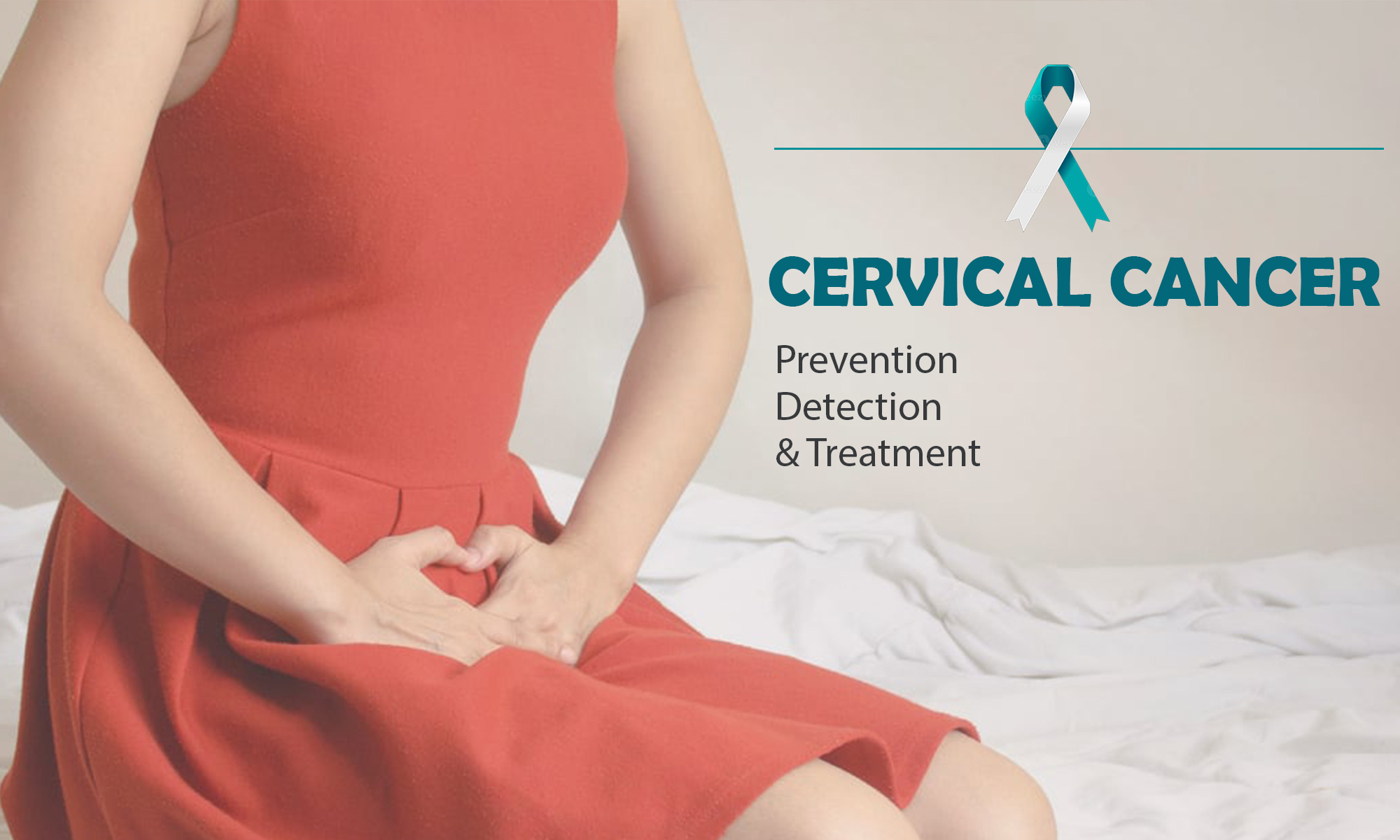
  • Understanding Cervical Cancer: Prevention, Detection, and Treatment

    Understanding Cervical Cancer: Prevention, Detection, and Treatment

    Cervical cancer is a significant health concern for women worldwide. According to the World Health Organization (WHO), it is the fourth most common cancer in women globally, with approximately 570,000 new cases and 311,000 deaths reported each year. However, with increased awareness, regular screening, and advancements in medical science, cervical cancer is largely preventable and treatable. In this blog, we’ll delve into the intricacies of cervical cancer, including its causes, risk factors, prevention strategies, detection methods, and available treatments.

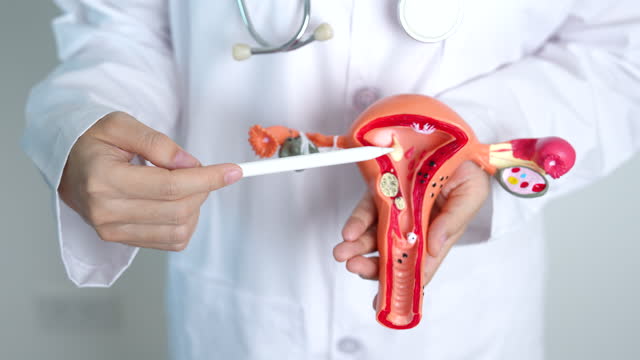
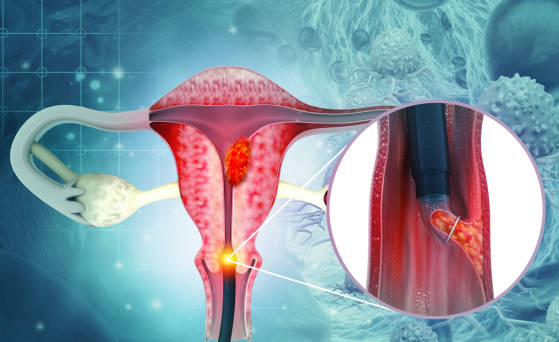
    Cervical Cancer Screening at Bhubaneswar

    What is Cervical Cancer?

    Cervical cancer occurs when abnormal cells in the lining of the cervix (the lower part of the uterus) grow out of control. Most cervical cancers are caused by the human papillomavirus (HPV), a sexually transmitted infection. However, not all women with HPV will develop cervical cancer, indicating that other factors may contribute to its development.

    Risk Factors:

    Several factors can increase a woman’s risk of developing cervical cancer, including:

    1. Persistent HPV infection: Certain strains of HPV, particularly HPV 16 and 18, are known to increase the risk of cervical cancer.
    2. Lack of regular Pap tests: Regular screening with Pap tests (also known as Pap smears) can detect abnormal cells in the cervix before they become cancerous or at an early stage when treatment is most effective. Failure to undergo regular screening increases the risk of undetected cervical cancer.
    3. Smoking: Tobacco use has been linked to an increased risk of cervical cancer.
    4. Weak immune system: Women with weakened immune systems, such as those with HIV/AIDS or those taking immunosuppressant drugs, are at higher risk.
    5. Early sexual activity: Engaging in sexual activity at a young age increases the likelihood of exposure to HPV.
    6. Multiple sexual partners: Having multiple sexual partners or having a partner who has had multiple sexual partners increases the risk of HPV infection.

    Prevention:

    Prevention is key to reducing the incidence of cervical cancer. Strategies for prevention include:

    1. HPV vaccination: Vaccines such as Gardasil and Cervarix protect against the most common HPV strains responsible for cervical cancer. Vaccination is recommended for boys and girls between the ages of 9 and 14, although it can be given up to age 26.
    2. Regular screening: Pap tests and HPV tests are effective in detecting abnormal cells in the cervix. Women should undergo routine screening as per their healthcare provider’s recommendations.
    3. Safe sex practices: Using condoms during sexual activity can reduce the risk of HPV transmission.
    4. Smoking cessation: Quitting smoking reduces the risk of cervical cancer and other health problems.
    5. Limiting sexual partners: Reducing the number of sexual partners can decrease the risk of HPV infection.

    Detection:

    Early detection through regular screening is crucial for the successful treatment of cervical cancer. Pap tests and HPV tests are commonly used screening methods. During a Pap test, cells from the cervix are collected and examined under a microscope for abnormalities. HPV tests detect the presence of high-risk HPV strains in cervical cells. If abnormalities are detected, further diagnostic tests, such as colposcopy and biopsy, may be performed to confirm the diagnosis.

    Treatment:

    Treatment for cervical cancer depends on various factors, including the stage of the cancer, the woman’s age and overall health, and her preferences. Treatment options may include surgery, radiation therapy, chemotherapy, or a combination of these modalities. The goal of treatment is to remove or destroy cancerous cells while preserving the function of the cervix and surrounding organs whenever possible.

    Conclusion:

    Cervical cancer is a preventable and treatable disease. By adopting preventive measures such as vaccination, regular screening, and practicing safe sex, women can significantly reduce their risk of developing cervical cancer. Early detection through routine screening enables timely intervention, improving the chances of successful treatment outcomes. It’s essential for women to prioritize their reproductive health and discuss cervical cancer screening and vaccination with their healthcare providers. With continued efforts in education, screening, and vaccination, we can work towards reducing the burden of cervical cancer worldwide.