Tag: Bhubaneswar

  • Advanced ENT Care by ENT Specialist Dr. Sanjeev Mohanty at SimpleeKare Hospital, Bhubaneswar – 16th November 2025

    Advanced ENT Care by ENT Specialist Dr. Sanjeev Mohanty at SimpleeKare Hospital, Bhubaneswar – 16th November 2025

    👂 Got persistent ear, nose, or throat problems? Get world-class ENT care from one of India’s most respected ENT Head-Neck Robotic surgeons—Prof. Dr. Sanjeev Mohanty, now available in Bhubaneswar for a limited time at SimpleeKare Hospital, Nayapalli.

    📅 Date: Sunday, 16th November 2025
    🕘 Time: 9:00 AM to 1:00 PM
    📍 Location: SimpleeKare Hospital, Nayapalli, Bhubaneswar

    🔴 Early booking recommended – slots are limited! Call Today!

    👨‍⚕️ Meet Prof. Dr. Sanjeev Mohanty – India’s Leading ENT & Head-Neck Surgeon

    Dr. Sanjeev Mohanty is an award-winning ENT and Head-Neck surgeon from MGM Healthcare, Chennai, bringing more than 25 years of surgical excellence, global research exposure, and patient trust. With numerous successful ENT surgeries under his belt—including robotic procedures and scarless ear reconstructions—his reputation makes him one of India’s top ENT specialists.

    👉 Now visiting Bhubaneswar through a special collaboration with SimpleeKare Health to offer advanced ENT diagnosis and surgery consultations and direct access to metro-level ENT care to local patients.

    His presence at SimpleeKare Hospital underscores the institution’s dedication to bringing top-tier medical professionals to Bhubaneswar, enhancing the city’s healthcare landscape.

    ✅ Why Dr. Mohanty’s Visit Matters to Bhubaneswar Patients

    🩺 Instead of traveling to Chennai or other metros, Odisha residents now get access to:

    • 🦻 High-end ENT treatment for hearing loss, vertigo, and sinus problems in Bhubaneswar
    • 🔬 Advanced diagnostics and second opinions on ENT surgeries
    • 🤒 Personalized treatment plans for chronic monsoon infections, thyroid disorders, and balance issues

    💬 Real Success Story: Odisha Patient Recovers After 25 Years

    Recently, A Bhubaneswar-based patient suffering from a perforated eardrum for 25 years was treated successfully under Dr. Mohanty’s care at SimpleeKare. The patient, initially hesitant about this ear surgery due to concerns about scarring, sought help at SimpleeKare Hospital in Bhubaneswar. Under Dr. Mohanty’s expert care, the ear surgery was not only performed successfully. The result?

    ✅ No visible scar
    ✅ Full recovery
    ✅ Renewed confidence for the patient and her family

    This incredible journey to recovery has been captured in a heartfelt feedback video, highlighting the transformative impact of Dr. Mohanty’s skillful intervention.

    Watch:

    This life-changing experience is documented in this touching feedback video.

    🔬 Complex Cases? Dr. Sanjeev Mohanty Brings Robotic Surgical Innovation

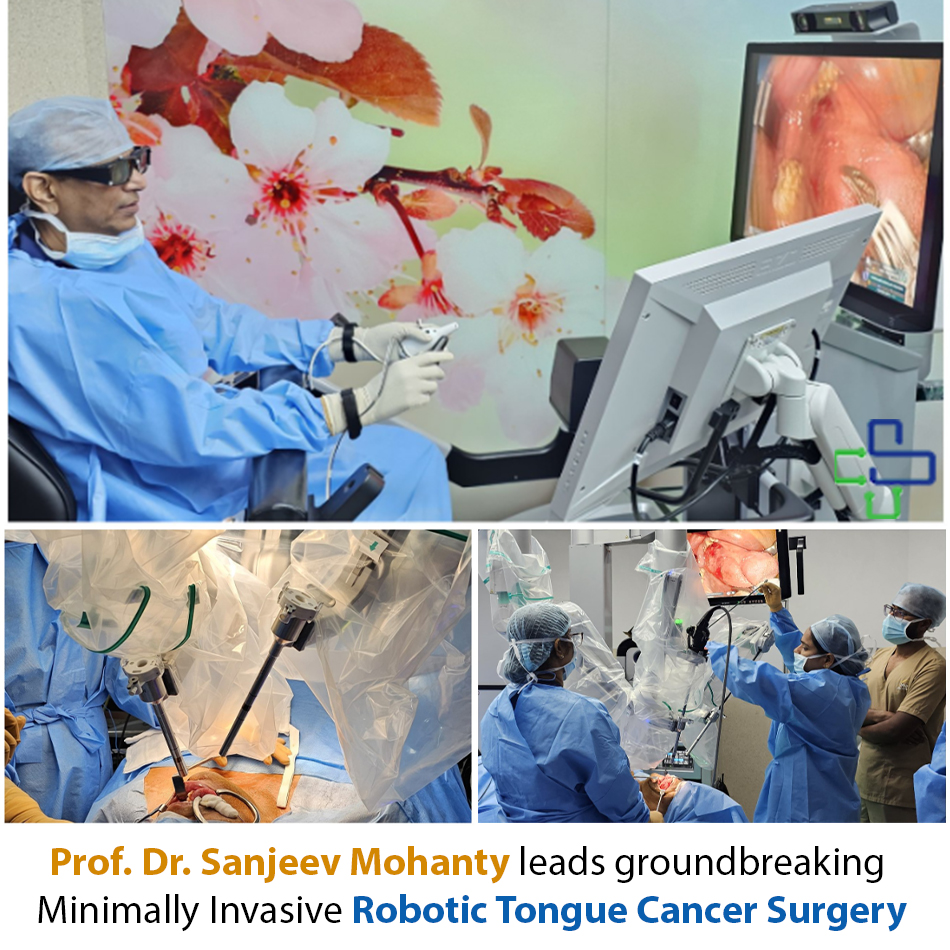
    He recently led a robotic tongue cancer surgery for a 58-year-old male, using a transoral robotic approach.
    Results:

    • ✅ Tumor removed via mouth (no external incision)
    • ✅ Minimal pain and faster healing
    • ✅ Precision surgery with maximum safety

    Now you can consult the same ENT expert in Bhubaneswar for second opinions and treatment guidance.
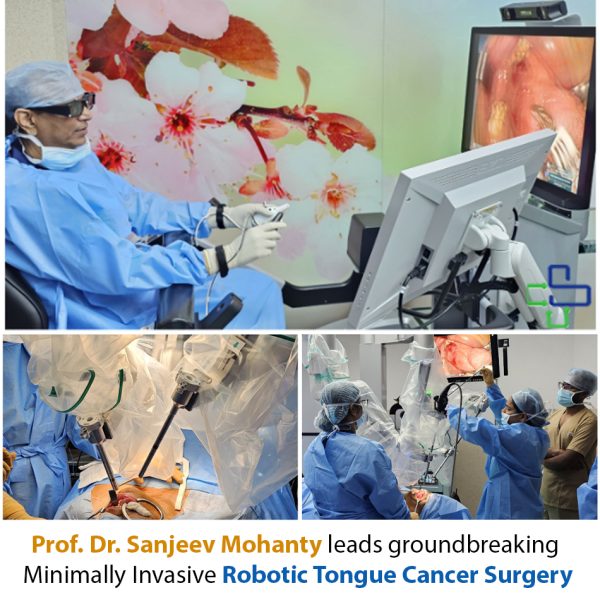
    Robotic surgery by Dr Sanjeev Mohanty

    You now have the opportunity to consult the very same ENT specialist in Bhubaneswar.

    👂 ENT Conditions Treated by Dr. Sanjeev Mohanty

    Whether it’s a mild discomfort or a chronic issue, Dr. Mohanty specializes in:

    ConditionTreatment Approach
    Hearing LossComprehensive diagnosis and treatment for both sensorineural and conductive types
    Sinus ProblemsManagement of chronic sinusitis and nasal blockage using endoscopic techniques
    Throat InfectionsTreatment of tonsillitis, voice issues, and pharyngitis
    Vertigo & Balance DisordersAdvanced balance and vestibular testing
    Head & Neck Tumor ConsultsEvaluation, second opinions, and surgical planning

    Patients can expect a holistic approach, addressing underlying causes while alleviating symptoms.

    🏥 Why Choose SimpleeKare Hospital, Bhubaneswar?

    SimpleeKare Health is the leading patient-friendly ENT clinic in Bhubaneswar, trusted for:

    • 👨‍⚕️ Visiting top-tier specialists like Dr. Mohanty
    • 🏥 Modern ENT diagnostic tools & OT support
    • 💡 Personalized care with zero waiting chaos
    • 🧑‍🤝‍🧑 Community trust and affordability

    📍 Located conveniently in Nayapalli, we’re your neighborhood access to metro-level ENT expertise.

    Book Your Consultation with Prof. Dr. Sanjeev Mohanty, Top ENT Surgeon, Visiting Bhubaneswar on Sunday, 16th November!

    💬 What to Expect on 16th November – Consultation Experience

    During your visit to Dr Sanjeev Mohanty, you’ll receive:

    🕊 Compassionate care in a stress-free environment

    📋 Thorough ENT examination using modern diagnostic tools

    🧠 In-depth review of any existing ENT conditions or reports

    ✍️ Personalized treatment plans or surgical recommendations if required

    Booking an appointment for this exclusive session is an opportunity to benefit from Dr. Mohanty’s extensive knowledge and proficiency in the field. Don’t miss the chance to consult with a distinguished ENT specialist right here in Nayapalli, Bhubaneswar.

    🔖 How to Book Your Appointment with Dr. Sanjeev Mohanty

    This is an exclusive OPD session with limited slots. Here’s how to book for Sunday, 16th Nov :

    1. 📞 Call: 6371966229 / 9840131091
    2. 🌐 Visit: www.simpleekare.com
    3. 🏥 Location: SimpleeKare Hospital, Near ISKCON Temple, Nayapalli, Bhubaneswar
    4. 📁 Bring: Past ENT reports, prescriptions, or scans for accurate diagnosis

    Act now – avoid last-minute disappointment!

    ❓ Frequently Asked Questions

    Q1: Is this consultation open for all ages?

    Yes! Dr. Mohanty treats both adults and children with ENT issues.

    Q2: Can I book for sinus surgery consultation?

    Absolutely. This visit includes evaluations for surgery and second opinions.

    Q3: Can I consult for second opinions on ENT surgery?

    ✅ Absolutely. Bring your reports and get a clear recommendation.

    Q4: How often does ENT specialist Dr. Sanjeev Mohanty visit Bhubaneswar for consultations?

    ✅ Yes! Prof. Dr. Sanjeev Mohanty visits SimpleeKare Hospital in Bhubaneswar every month, typically on the 3rd Sunday. However, slots are always limited and fill up fast, so it’s best to book in advance.

    Conclusion: Take Charge of Your ENT Health

    Your ear, nose, and throat health deserve the highest level of care, and ENT Specialist Prof. Dr. Sanjeev Mohanty is here to provide it in Bhubaneswar. This exclusive consultation session at Simpleekare Hospital is a golden opportunity to address your concerns with expert guidance.

    Explore the SimpleeKare Health Membership Plan – your affordable, convenient, and all-in-one solution for quality healthcare!

    Book your appointment now for expert ENT care. Limited slots available!

    Take the first step toward better ENT health and experience the unparalleled expertise of Dr. Sanjeev Mohanty. Act now—your well-being is priceless.
  • Robotic Precision Meets Surgical Expertise: Prof. Dr. Sanjeev Mohanty’s Breakthrough Minimally Invasive Tongue Cancer Surgery

    Robotic Precision Meets Surgical Expertise: Prof. Dr. Sanjeev Mohanty’s Breakthrough Minimally Invasive Tongue Cancer Surgery

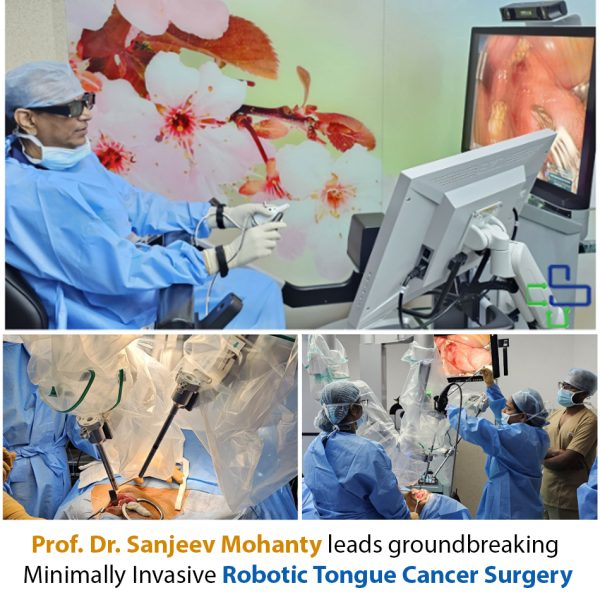
    SimpleeKare Health, Bhubaneswar, proudly celebrates a medical milestone under the leadership of Prof. Dr. Sanjeev Mohanty, Head of ENT, Head & Neck Surgery. In a pioneering achievement that redefines cancer treatment, Dr. Mohanty successfully performed a minimally invasive Transoral Robotic Surgery (TORS) on a 58-year-old male patient with advanced tongue cancer—ushering in a new era of precision, safety, and faster recovery in oncological care.

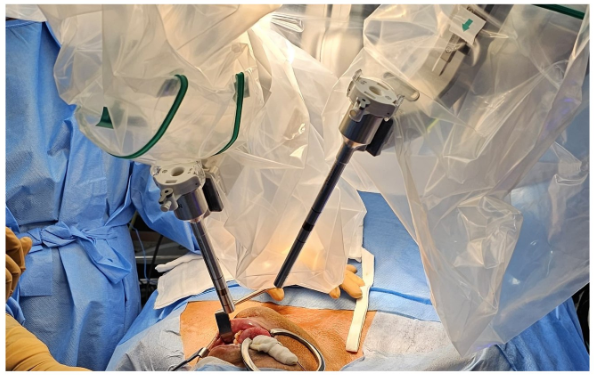
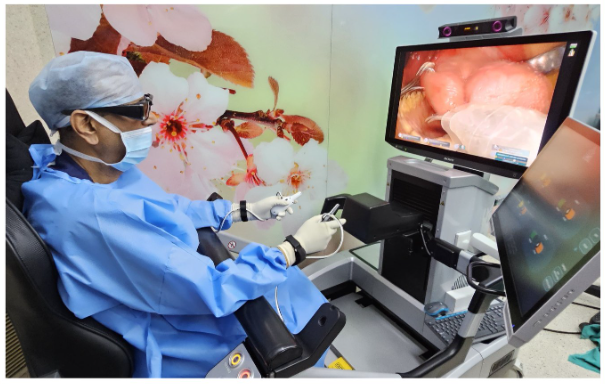
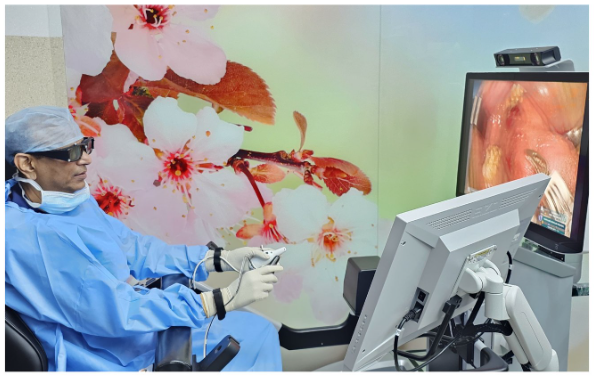
    PROF DR SANJEEV MOHANTY PERFORMING TRANORAL ROBOTIC SURGERY
    PROF DR SANJEEV MOHANTY PERFORMING TRANSORAL ROBOTIC SURGERY

    Patient Success Story: From Fear to Full Function  

    The patient, a 58-year-old man, had been diagnosed with a locally advanced tongue carcinoma, struggling with symptoms including slurred speech, swallowing difficulty, oral pain, and weight loss. Given the tumor’s position deep within the base of the tongue, conventional surgery posed serious risks—potential speech impairment, cosmetic disfigurement, and prolonged recovery.

    When referred to SimpleeKare Hospital, he was offered a breakthrough alternative: robot-assisted minimally invasive tongue cancer surgery using the Transoral Robotic Surgery (TORS) system. The result? A precise tumor resection through the mouth—without a neck incision or jaw splitting. Today, the patient is recovering well with preserved speech and swallowing functions, back home within days of the procedure.

    Quote from the Tongue Cancer Patient’s Family  

    “We were initially devastated by the cancer diagnosis and fearful of the surgical consequences. But after meeting Dr. Mohanty, we were assured of the best care possible. He explained the robotic surgery in detail, and today, our father speaks and eats like before. We are beyond grateful.”

    Understanding Tongue Cancer and Its Surgical Challenges  

    Tongue cancer, particularly at the base of the tongue, is one of the more challenging cancers to treat. Traditional open surgeries often require large external incisions, mandibulotomy (jaw splitting), or tracheostomy, which can result in significant post-surgical complications, long recovery time, and impaired quality of life.

    Robotic surgery, particularly Transoral Robotic Surgery (TORS), is a revolutionary advancement that allows head and neck surgeons to operate through the mouth using precision instruments, offering:

    • A clear 3D view of deep anatomical structures
    • Fine control and dexterity
    • Minimally invasive access to difficult-to-reach tumors

    The Clinical Breakthrough: What Makes This Robotic Surgery Special?      

    This case was unique and demanding. The tumor’s proximity to critical nerves and blood vessels made complete excision without damage extremely challenging.

    Prof. Dr. Sanjeev Mohanty, leveraging his decades of surgical experience and newly acquired robotic expertise, led a skilled team using the TORS system. The advantages of this approach were remarkable:

    Key Benefits of Robotic Tongue Cancer SurgeryOutcome for the Patient
    No external incisionsNo facial scarring or jaw opening
    Precise tumor margin controlComplete tumor removal with clear margins
    Preservation of vital nerves and musclesNormal speech and swallowing maintained
    Minimal blood lossShorter surgery time and faster recovery
    Reduced hospital stayDischarged within a few days post-surgery

    Quote from Dr. Sanjeev Mohanty  

    “Robotic surgery represents a quantum leap in head and neck cancer care. In this case, we achieved complete tumor excision through the mouth, without compromising the patient’s functionality or appearance. My transition from laser-based to robotic surgery has been driven by the pursuit of better outcomes and faster recovery for our patients.”

    Why Robotic Surgery Matters  

    Robotic systems bring unmatched stability, visualization, and access, especially in confined spaces like the oropharynx (base of tongue, tonsils, soft palate). For patients, it means:

    • Minimal trauma
    • Lower risk of complications
    • Faster return to normal life
    • Fewer long-term side effects

    TORS is now considered the standard of care for select tongue and oropharyngeal cancers, especially when combined with a multidisciplinary team that includes oncologists, speech therapists, and rehabilitation experts.

    ROBOTIC TONGUE CANCE SURGERY

    About Prof. Dr. Sanjeev Mohanty  

    Dr. Sanjeev Mohanty is a national authority in ENT and head & neck oncology, MGM Healthcare, Chennai . With a proven track record in laser surgery, he has now seamlessly integrated robotic surgical expertise into his practice—further strengthening SimpleeKare Health’s status as a center of excellence for advanced ENT and cancer care.

    👨‍⚕️ About Dr. Sanjeev Mohanty:

    ✔️ Senior Consultant – MGM Healthcare, Chennai

    ✔️ Renowned for expertise in advanced ENT care

    ✔️ Pioneer in robotic & minimally invasive ENT surgery

    ✔️ Available for consultation at SimpleeKare Hospital, Bhubaneswar

    Dr. Mohanty highlights how timely diagnosis and ENT consultation can prevent long-term complications.

    SimpleeKare Health: Leading the Way in Advanced Surgical Care  

    Located in Bhubaneswar, SimpleeKare Health offers a full range of diagnostic and surgical services with an emphasis on minimally invasive and robotic techniques. With access to cutting-edge technology and a team of specialists, the hospital ensures:

    • Patient-centric care
    • Transparent medical communication
    • Holistic post-operative rehabilitation

    Contact Information for Consultation with Dr Sanjeev Mohanty 

    For appointments or referrals, reach out to:

    📍 SimpleeKare Health, Bhubaneswar
    📞 +91 9776414444 / +91 6371966229
    🌐 www.simpleekare.com
    📧 marketing@simpleekare.com

    Conclusion  

    This successful robotic tongue cancer surgery exemplifies the future of oncology treatment—precision without compromise. Thanks to Prof. Dr. Sanjeev Mohanty’s expertise and SimpleeKare’s state-of-the-art infrastructure, patients in Eastern India now have access to world-class cancer surgery closer to home.

    If you or a loved one is facing a complex head or neck condition, know that compassionate and cutting-edge care is available at SimpleeKare Health, Bhubaneswar.

  • Rising HMPV Virus Cases in India: What You Need to Know

    Rising HMPV Virus Cases in India: What You Need to Know

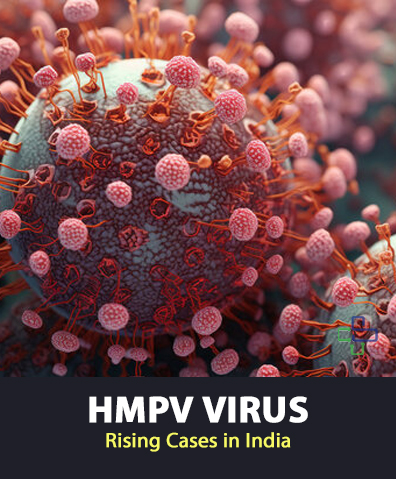
    In recent months, India has seen a surge in cases of Human Metapneumovirus (HMPV), a respiratory virus that is gaining attention for its impact on public health. While HMPV is not new, its increasing prevalence has raised concerns among healthcare professionals and the general public alike. Here, we explore what HMPV is, its symptoms, how it spreads, and the measures you can take to protect yourself and your loved ones.

    What is HMPV?

    Human Metapneumovirus (HMPV) belongs to the Pneumoviridae family and was first identified in 2001. It primarily affects the respiratory tract, causing mild to severe illnesses, particularly in young children, the elderly, and individuals with weakened immune systems. Although HMPV is often overshadowed by more well-known respiratory viruses like influenza or RSV (Respiratory Syncytial Virus), its potential to cause widespread illness cannot be underestimated.

    Symptoms of HMPV Infection

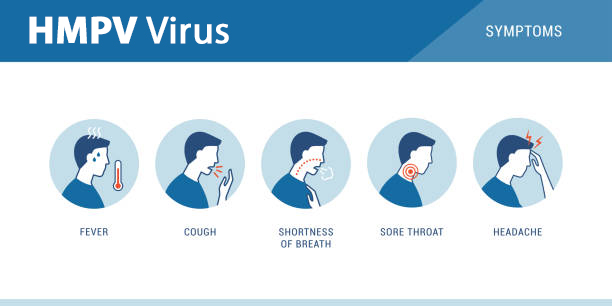
    The symptoms of HMPV can vary in severity, ranging from mild to severe. Common symptoms include:

    • Cough
    • Nasal congestion
    • Shortness of breath
    • Fever
    • Sore throat
    • Wheezing in severe cases

    In young children and older adults, HMPV can sometimes lead to complications such as bronchiolitis or pneumonia, necessitating medical intervention.

    How Does HMPV Spread?

    HMPV spreads primarily through respiratory droplets when an infected person coughs or sneezes. It can also spread by touching surfaces contaminated with the virus and then touching the face, especially the nose, mouth, or eyes. Crowded environments and close contact with infected individuals increase the risk of transmission.

    Current Scenario in India

    The recent uptick in HMPV cases in India has been attributed to multiple factors, including seasonal changes and increased interaction in public spaces post-pandemic. While exact numbers are still being studied, healthcare providers report an increase in hospitalizations due to respiratory illnesses that are now being identified as HMPV-related.

    Prevention and Protection

    There is currently no vaccine for HMPV, making prevention crucial. Here are some steps to reduce the risk of infection:

    1. Practice Good Hygiene: Wash your hands frequently with soap and water for at least 20 seconds. Use hand sanitizer when soap is unavailable.
    2. Avoid Close Contact: Stay away from individuals showing symptoms of respiratory illness.
    3. Disinfect Surfaces: Regularly clean and disinfect commonly touched surfaces, such as doorknobs, mobile phones, and tabletops.
    4. Wear Masks: In crowded areas or during outbreaks, wearing a mask can help reduce the spread of respiratory droplets.
    5. Boost Immunity: Maintain a balanced diet, get adequate sleep, and engage in regular exercise to keep your immune system strong.

    Seeking Medical Help

    If you or someone in your family experiences symptoms of a respiratory infection that worsen or persist, seek medical advice promptly. Early diagnosis and supportive care can prevent complications, especially for high-risk groups.

    Conclusion

    The rise in HMPV cases in India serves as a reminder of the ongoing challenges posed by respiratory viruses. Awareness and proactive measures are our best defenses against such infections. At SimpleeKare Health, we are committed to providing accurate information and quality care to help you navigate health concerns effectively. Stay informed, stay safe, and prioritize your health and well-being.

  • Diabetic Neuropathy: Types, Symptoms, Causes and Effective Treatments

    Diabetic Neuropathy: Types, Symptoms, Causes and Effective Treatments

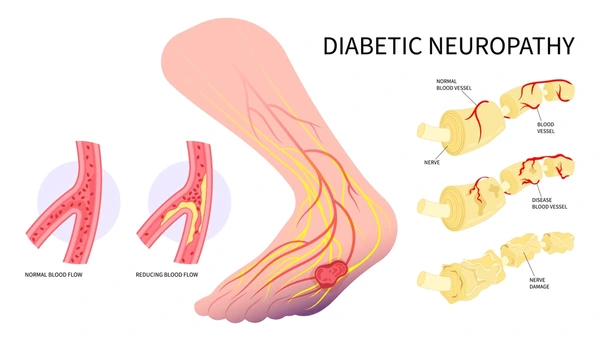
    Diabetic neuropathy is a prevalent and serious complication of diabetes that affects millions of people around the globe. This condition results from prolonged high blood sugar levels that damage the nerves throughout the body, causing pain, discomfort, and other debilitating symptoms. Early detection, intervention, and careful management are essential to prevent more severe outcomes. At SimpleeKare Hospital, we aim to provide clear, actionable insights on the symptoms, causes, types, and treatment options for diabetic neuropathy to help you better manage your health.

    Symptoms of Diabetic Neuropathy

    What is Diabetic Neuropathy?

    Diabetic-related neuropathy refers to nerve damage that occurs due to long-term exposure to elevated blood glucose levels. This condition can affect a wide range of bodily functions, from basic motor skills to more critical functions like digestion and heart rate. Prolonged hyperglycemia (high blood sugar) damages the nerve fibers, preventing them from transmitting signals properly. Without intervention, diabetic neuropathy can result in irreversible nerve damage, severe pain, and complications that severely impact one’s quality of life.

    Symptoms of Diabetic Neuropathy

    The symptoms of diabetic neuropathy vary depending on which nerve groups are affected. Common signs include:

    • Tingling or burning sensations: Especially in the hands and feet, a common indicator of sensory neuropathy.
    • Sharp, jabbing pain: Can be felt in the legs, arms, or feet, and may worsen at night.
    • Loss of sensation: This is particularly problematic in the feet, where it may lead to unnoticed injuries or ulcers.
    • Weakness in muscles: This can affect the legs and hands, leading to difficulty walking or performing tasks.
    • Digestive issues: Nausea, vomiting, and diarrhea can result from autonomic neuropathy.
    • Cardiovascular complications: Changes in heart rate or blood pressure can occur, leading to dizziness or fainting.

    If you experience any of these symptoms, it is vital to consult a diabetic neuropathy specialist immediately to begin early management.

    Causes of Diabetic Neuropathy

    The primary factor behind diabetic neuropathy is long-term high blood sugar levels. Over time, excess glucose damages the blood vessels that supply nerves with oxygen and nutrients, leading to nerve degeneration. Other factors that can contribute to the development of neuropathy include:

    • Poor blood sugar control: If blood sugar levels are not well-managed, the risk of nerve damage increases.
    • High blood pressure: Elevated blood pressure can cause damage to the blood vessels, exacerbating nerve problems.
    • High cholesterol: Similar to high blood pressure, high cholesterol can impede proper circulation, worsening neuropathy.
    • Smoking: Smoking reduces blood flow, which can exacerbate nerve damage.
    • Genetic predisposition: A family history of diabetes or neuropathy may increase your risk of developing the condition.

    Addressing these factors can significantly reduce the likelihood of developing diabetic neuropathy.

    Types of Diabetic Neuropathy

    Diabetic neuropathy can be categorized into four distinct types, each with unique effects on different parts of the body:

    1. Peripheral Neuropathy: The most common form, it affects the feet and legs first, followed by the hands and arms. It leads to pain, numbness, and weakness in the extremities.
    2. Autonomic Neuropathy: This type affects the autonomic nervous system, which controls involuntary functions such as heart rate, digestion, and bladder control. It can lead to symptoms like nausea, digestive disturbances, and issues with heart rate regulation.
    3. Proximal Neuropathy: Typically affecting the hips, thighs, or buttocks, this form causes severe pain and muscle weakness. Proximal neuropathy often starts with pain or weakness on one side of the body but can eventually affect both sides.
    4. Focal Neuropathy: Involves specific nerves, often in the head, torso, or legs. This type can lead to sudden weakness or pain, and it can come on abruptly.

    Understanding the type of neuropathy you have is crucial for determining the appropriate treatment strategy.

    Diabetic Neuropathy Treatment

    Managing diabetic neuropathy is a multifaceted approach aimed at addressing the underlying causes and alleviating symptoms. Here are some common treatment options:

    1. Blood Sugar Control: The cornerstone of neuropathy management is keeping blood sugar levels within the target range. Tight blood glucose or diabetes control can slow or even stop the progression of nerve damage.
    2. Medications: Pain management for diabetic neuropathy often involves medications such as pain relievers, antidepressants (like amitriptyline), anticonvulsants (such as gabapentin), or topical treatments like capsaicin cream.
    3. Physical Therapy: Engaging in physical therapy can help strengthen muscles, improve coordination, and alleviate discomfort caused by neuropathy.
    4. Lifestyle Changes: Making dietary adjustments, regular physical activity, quitting smoking, and reducing alcohol consumption can improve overall health and slow the progression of diabetic neuropathy.
    5. Alternative Therapies: Acupuncture, biofeedback therapy, and even herbal supplements like alpha-lipoic acid have shown promise in managing nerve pain for some individuals.

    Best Tips for Managing Diabetic Neuropathy

    • Monitor Blood Sugar: Regularly check your blood glucose levels to ensure they remain within the target range.
    • Foot Care: Wear comfortable, well-fitting shoes to protect your feet from diabetic foot ulcers or injuries. Regularly check your feet for cuts, blisters, or sores and seek for treatment.
    • Exercise: Physical activity improves circulation, nerve health, and muscle strength.
    • Regular Checkups: See your diabetic foot ankle specialist near you for regular checkups to track the progression of diabetic neuropathy and adjust treatments as needed.

    Simple Ways to Prevent Diabetic Nerve Damage

    Preventing diabetic neuropathy is easier than treating it, and there are simple strategies to protect your nerves:

    • Manage your blood sugar, blood pressure, and cholesterol: Keep these levels under control to reduce nerve damage risk.
    • Maintain a healthy weight: A nutritious diet and exercise routine will help keep you at an optimal weight and reduce strain on your nerves.
    • Quit smoking: Smoking reduces circulation and oxygen flow to the nerves, increasing the risk of neuropathy.
    • Regular exercise: Exercise improves circulation and helps maintain healthy nerve function.

    Expert Advice on Diabetic Neuropathy

    A comprehensive approach to managing diabetic neuropathy is crucial for reducing symptoms and improving the quality of life. With professional care, timely interventions, and lifestyle changes, it’s possible to manage and even alleviate many symptoms of diabetic neuropathy. At SimpleeKare, we offer personalized diabetic neuropathy treatment plans designed to help you live pain-free and maintain optimal nerve health. With expert support, you can effectively manage your condition and improve your overall well-being.

    For those in need of professional diabetic neuropathy care, be sure to look for diabetic neuropathy treatment near me or inquire about hospital neuropathy services to get timely and personalized care. Taking control of your health and preventing complications can significantly improve your life. For more information on affordable diabetic neuropathy care, Contact SimpleeKare Hospital today.

  • Consult Dr. Sanjeev Mohanty for Expert ENT Care at SimpleeKare Hospital, Bhubaneswar | 18 Jan 2026 (Sunday)

    Consult Dr. Sanjeev Mohanty for Expert ENT Care at SimpleeKare Hospital, Bhubaneswar | 18 Jan 2026 (Sunday)

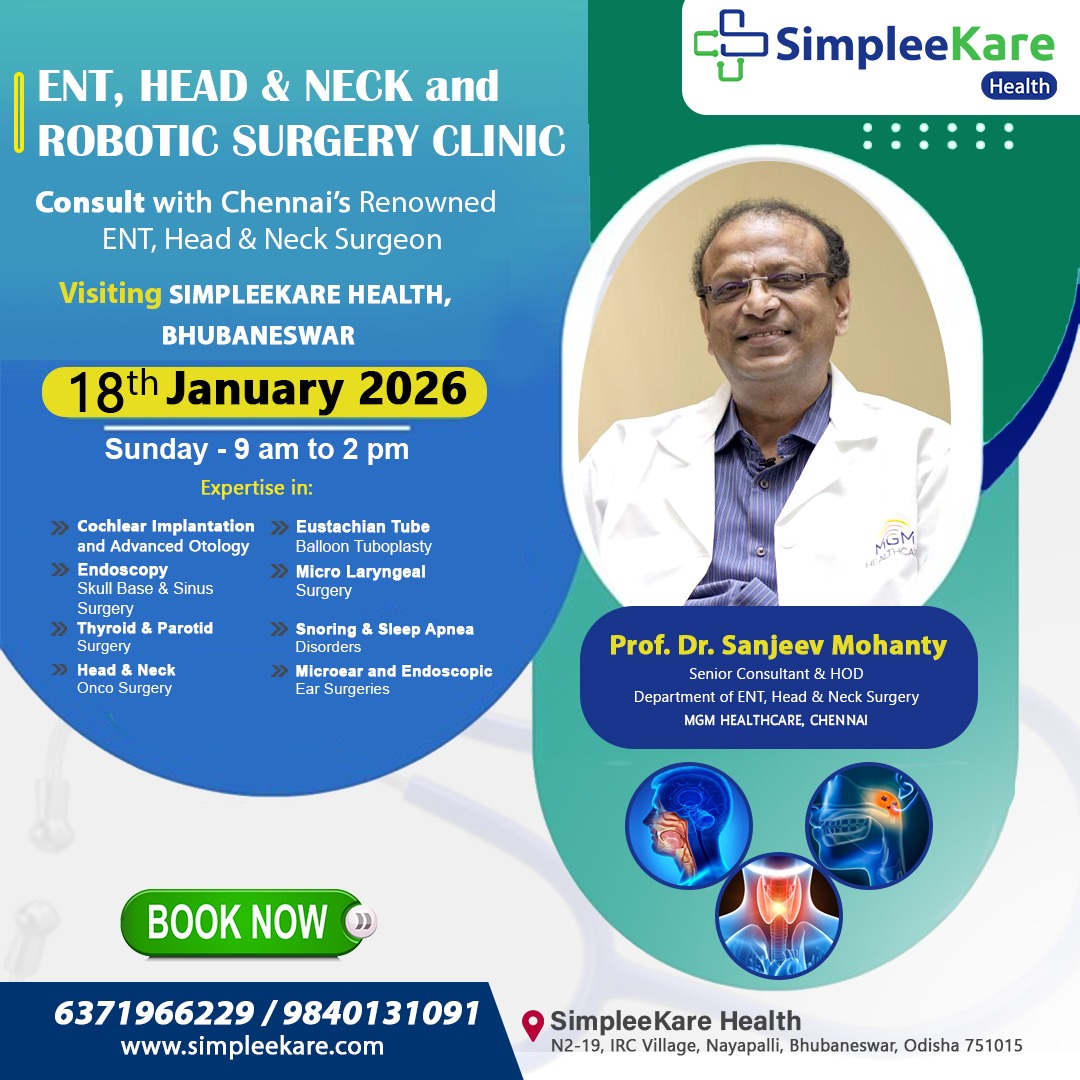
    Are you or a loved one grappling with persistent ear, nose, or throat issues? Look no further than Simpleekare Hospital in Nayapalli, Bhubaneswar, as it welcomes one of the most distinguished names in ENT medicine—Prof. Dr. Sanjeev Mohanty. Renowned for his exceptional expertise, Dr. Mohanty will be available for consultations Sunday, 18th Jan 2026, from 9 AM to 2 PM. This unique opportunity promises world-class care tailored to your specific needs.

    Schedule Your Appointment with Prof. Dr. Sanjeev Mohanty on Sunday , 18th Jan! World-Class ENT Care Awaits—Call Today!

    Meet Dr. Sanjeev Mohanty: A Pioneer in ENT Surgery  

    Prof. Dr. Sanjeev Mohanty is a leading ENT and Head-Neck Surgeon from MGM Healthcare, Chennai. With decades of experience and a track record of groundbreaking achievements, he has earned his place as one of India’s foremost ENT specialists. Known for his meticulous diagnostic skills and compassionate approach, Dr. Mohanty has successfully treated countless patients, restoring their quality of life. His commitment to excellence and staying abreast of advancements in ENT technology solidifies his reputation as a trusted expert.

    In a significant step to make his expertise more accessible, Dr. Mohanty is now expanding his expert ENT services to Bhubaneswar through a special collaboration with SimpleeKare Hospital. This marks a golden opportunity for patients in the region to benefit from his world-class care without traveling far. His presence at SimpleeKare Hospital underscores the institution’s dedication to bringing top-tier medical professionals to Bhubaneswar, enhancing the city’s healthcare landscape.

    Recently, Dr. Mohanty successfully treated a complex case involving a patient from Odisha who had been living with a perforated eardrum (hole in eardrum) for 25 years. The patient, initially hesitant about this ear surgery due to concerns about scarring, sought help at SimpleeKare Hospital in Bhubaneswar. Under Dr. Mohanty’s expert care, the ear surgery was not only performed successfully but left no visible scar, much to the relief and joy of the patient and her family. This incredible journey to recovery has been captured in a heartfelt feedback video, highlighting the transformative impact of Dr. Mohanty’s skillful intervention.

    Watch:

    Backed by Surgical Excellence  

    Dr. Sanjeev Mohanty recently led a groundbreaking robotic surgery for a 58-year-old male patient with advanced tongue cancer, using a transoral robotic system to remove the tumor through the mouth. This innovative, minimally invasive technique ensured greater precision, less pain, and faster recovery, setting a new standard in head and neck cancer care.

    You now have the opportunity to consult the very same ENT expert in Bhubaneswar.

    ENT Conditions Treated by Dr. Sanjeev Mohanty  

    From common ailments to complex disorders, Dr. Mohanty offers comprehensive care for a wide array of ENT conditions. These include:

    • Hearing Loss: Addressing both temporary and permanent issues with precision.
    • Sinus Problems: Expertly managing chronic sinusitis and nasal obstructions.
    • Throat Infections: Providing relief for recurrent tonsillitis, pharyngitis, and voice disorders.
    • Vertigo and Balance Disorders: Utilizing advanced diagnostic tools for effective treatment.

    Patients can expect a holistic approach, addressing underlying causes while alleviating symptoms.

    Why Choose Simpleekare Hospital for Your ENT Needs?  

    Simpleekare Hospital is synonymous with cutting-edge healthcare and patient satisfaction. Its state-of-the-art infrastructure and dedicated team make it the perfect host for an expert like Prof. Dr. Mohanty. The hospital’s emphasis on personalized care ensures that every patient receives the attention they deserve, making it a trusted choice for ENT services in Bhubaneswar.

    Book Your Consultation with Prof. Dr. Sanjeev Mohanty, Top ENT Surgeon, Visiting Bhubaneswar on Sunday, 18th Jan 2026!!

    The Exclusive Consultation Session: What to Expect  

    On 18 Jan 2026, patients will have the privilege of consulting Prof. Dr. Sanjeev Mohanty at Simpleekare Health. During this session, expect:

    This session offers a rare chance to access world-class ENT care in your city.

    Booking an appointment for this exclusive session is an opportunity to benefit from Dr. Mohanty’s extensive knowledge and proficiency in the field. Don’t miss the chance to consult with a distinguished ENT specialist right here in Bhubaneswar.

    Booking Your Appointment: Ensuring Seamless Access  

    Professor Dr. Sanjeev Mohanty, a leading ENT & Head-Neck Surgeon from MGM Healthcare, Chennai, will be at Simpleekare Hospital, Bhubaneswar, on Sunday, 18th Jan 2026. Limited slots are available, so don’t miss this opportunity to receive expert care.

    Securing your appointment is simple:

    1. Contact Simpleekare Health: Call on 6371966229 / 9840131091 or visit our website.
    2. Act Early: Slots are limited, so book your spot promptly to avoid disappointment.
    3. Prepare for the Consultation: Gather any relevant medical records for a comprehensive review.

    Taking proactive steps ensures a hassle-free experience and optimal care.

    Conclusion: Take Charge of Your ENT Health  

    Your ear, nose, and throat health deserve the highest level of care, and ENT Specialist Prof. Dr. Sanjeev Mohanty is here to provide it in Bhubaneswar. This exclusive consultation session at Simpleekare Hospital is a golden opportunity to address your concerns with expert guidance.

    Book your appointment now for expert ENT care. Limited slots available!Take the first step toward better ENT health and experience the unparalleled expertise of Dr. Sanjeev Mohanty. Act now—your well-being is priceless.
  • Ingrown Toenails: Causes, Pain Relief, and When to See a Specialist

    Ingrown Toenails: Causes, Pain Relief, and When to See a Specialist

    An ingrown toenail can be a frustrating and painful condition that affects people of all ages. Whether it’s a mild annoyance or a more severe issue, understanding the causes, effective pain relief methods, and when to seek help from an ingrown toenail specialist is essential. In this blog, we’ll cover everything you need to know about ingrown toenails and how to manage them.

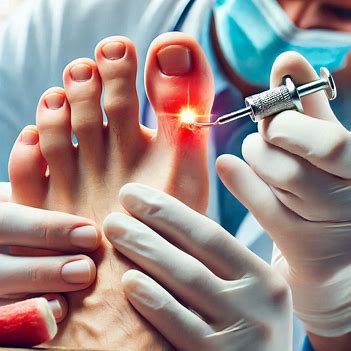
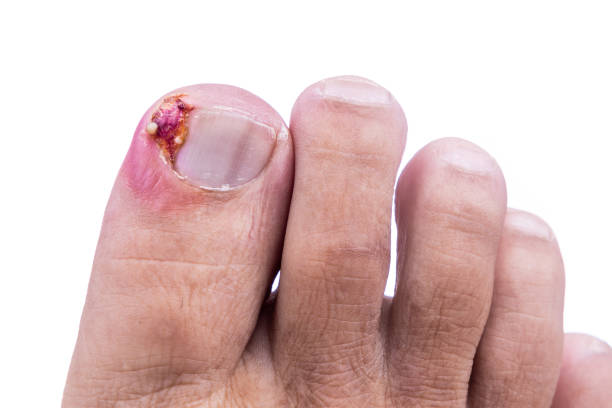
    Ingrown toenail removal surgery

    What is an Ingrown Toenail?

    An ingrown toenail occurs when the edge of a toenail grows into the surrounding skin, leading to redness, swelling, and discomfort. The big toe is most commonly affected, but this condition can occur on any toe.


    Ingrown Toenail Causes

    Several factors can contribute to the development of an ingrown toenail, including:

    1. Improper Nail Trimming
      Cutting nails too short or rounding the edges can encourage the nail to grow into the skin.
    2. Ill-Fitting Footwear
      Shoes that are too tight or narrow put excessive pressure on the toes, increasing the likelihood of an ingrown toenail.
    3. Genetics
      Some people are predisposed to ingrown toenails due to the natural shape or curvature of their nails.
    4. Trauma
      Stubbing your toe or injuring it can cause the nail to grow abnormally, leading to ingrowth.
    5. Poor Foot Hygiene
      Not keeping feet clean and dry can create a breeding ground for bacteria and make the condition worse.

    Ingrown Toenail Pain Relief

    If you’re dealing with discomfort, there are several steps you can take at home to alleviate pain:

    1. Warm Soaks
      Soak your foot in warm, soapy water or a saline solution for 15-20 minutes, 2-3 times a day. This softens the skin and reduces inflammation.
    2. Proper Footwear
      Avoid tight shoes and opt for open-toed or loose-fitting footwear to reduce pressure on the affected toe.
    3. Over-the-Counter Pain Relievers
      Non-prescription pain medications like ibuprofen or acetaminophen can help manage pain and reduce swelling.
    4. Topical Antibiotics
      Applying an antibiotic cream can prevent infection and promote healing.
    5. Elevate the Nail
      Gently place a small piece of cotton or dental floss under the edge of the nail to encourage it to grow above the skin.

    Ingrown Toenail Treatment

    While mild cases of ingrown toenails can often be treated at home, more severe cases may require medical intervention. Treatment options include:

    1. Partial Nail Removal
      A podiatrist may remove the part of the nail causing the problem. This is often done under local anaesthesia.
    2. Nail Matrixectomy
      For recurring ingrown toenails, the nail bed may be partially or fully removed to prevent regrowth.
    3. Drainage of Infection
      If the area is infected, the foot and ankle specialist may drain pus and prescribe antibiotics.
    4. Orthotic Devices
      In some cases, custom orthotics can help distribute pressure evenly and prevent future issues.

    When to See an Ingrown Toenail Specialist

    It’s important to seek professional care if:

    • Home Remedies Aren’t Helping: Persistent pain or swelling may require expert treatment.
    • Signs of Infection Are Present: Redness, pus, or warmth around the nail could indicate an infection that needs medical attention.
    • You Have a Chronic Condition: People with diabetes, peripheral vascular disease, or compromised immune systems should consult a foot and ankle specialist promptly to avoid complications.

    Prevention Tips

    To minimize the risk of ingrown toenails:

    • Trim your nails straight across and avoid cutting them too short.
    • Wear shoes that provide ample room for your toes.
    • Practice good foot hygiene and regularly inspect your feet.

    Conclusion

    Ingrown toenails can be painful, but with the right approach, they’re highly manageable. Understanding the causes and knowing how to provide effective pain relief at home can make a big difference. However, if the condition worsens or becomes recurrent, consulting an ingrown toenail specialist ensures you receive the proper treatment. Don’t let an ingrown toenail hold you back—take steps to care for your feet today!

  • Endometriosis: Symptoms, Causes and Treatment Options

    Endometriosis: Symptoms, Causes and Treatment Options

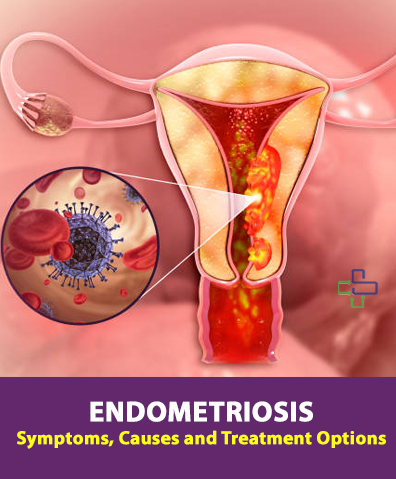
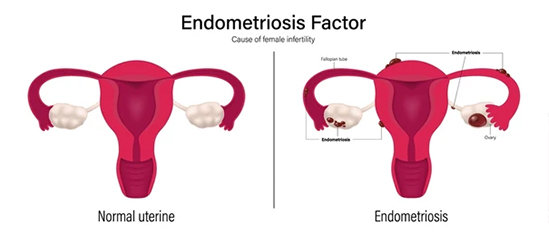
    Endometriosis is a chronic, often painful disorder where tissue similar to the lining inside the uterus grows outside the uterus, causing inflammation, scar tissue, and, in some cases, infertility. Affecting more than 176 million women worldwide, it’s estimated that over 1 in 10 women may have this condition, but the actual number could be significantly higher due to underreporting, misdiagnosis, and a lack of accessible diagnostic methods. The condition is now recognized as one of the largest women’s health crises of our time. Here, we break down endometriosis symptoms, causes, effects, and treatment options to help increase understanding and support for those affected.

    Endometriosis treatment in bhubameswar

    Common Symptoms of Endometriosis

    Endometriosis symptoms vary, but common signs include:

    • Severe menstrual cramps and pelvic pain
    • Pain during intercourse
    • Painful bowel movements or urination, especially during menstruation
    • Heavy menstrual bleeding or spotting between periods
    • Infertility (Endometriosis affects 30-50% of women facing infertility)
    • Chronic fatigue and digestive issues like bloating and nausea

    These symptoms can range from mild to severe and often worsen over time, making early diagnosis crucial.

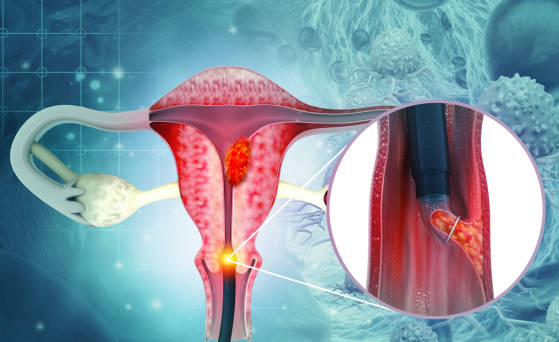
    Endometriosis surgery in Bhubaneswar

    Why Endometriosis Goes Undiagnosed for So Long

    On average, it takes 7–10 years for endometriosis to be accurately diagnosed. This extended wait time can be attributed to factors like a lack of non-surgical diagnostic tools and a tendency in society to downplay or dismiss women’s pain. This delay can severely impact quality of life and fertility outcomes, as the condition often worsens without proper treatment.

    What Causes Endometriosis?

    The exact cause of endometriosis remains unclear, but several factors may contribute to its development:

    1. Retrograde Menstruation: Menstrual blood flows back through the fallopian tubes into the pelvic cavity instead of leaving the body, allowing endometrial cells to grow outside the uterus.
    2. Genetics: Women with a family history of endometriosis are at higher risk, suggesting a genetic link.
    3. Immune System Disorders: A weakened immune system may fail to identify and destroy endometrial tissue growing outside the uterus.
    4. Hormonal Imbalance: Higher levels of estrogen can promote the growth of endometrial tissue.
    5. Environmental Factors: Exposure to certain toxins, like dioxins, may also increase the risk of endometriosis.

    Understanding these causes can aid in prevention and help women recognize potential symptoms sooner.

    Risk Factors: Family History & Genetic Links

    Women who have a close relative with endometriosis are 2–3 times more likely to develop it themselves, highlighting a genetic component to the disorder. While researchers are working to better understand these genetic links, the heritable aspect means that women with family members affected by this should be especially vigilant about symptoms.

    Effects of Endometriosis on Health and Lifestyle

    The effects of endometriosis extend beyond physical pain, impacting various aspects of a woman’s life:

    1. Chronic Pain: Severe pain from endometriosis often limits daily activities, affecting productivity and overall well-being.
    2. Infertility: The condition can lead to blocked fallopian tubes, preventing egg and sperm from meeting. Up to half of the women with endometriosis face fertility challenges.
    3. Mental Health: Chronic pain and infertility struggles can lead to depression, anxiety, and stress.
    4. Reduced Quality of Life: Endometriosis can make it difficult to maintain a normal work-life balance, leading to missed days at work or school.
    5. Financial Strain: Treatment, pain management, and potential surgeries can impose a significant financial burden on women and their families.

    Addressing these effects with timely treatment and support can help women manage the condition more effectively.

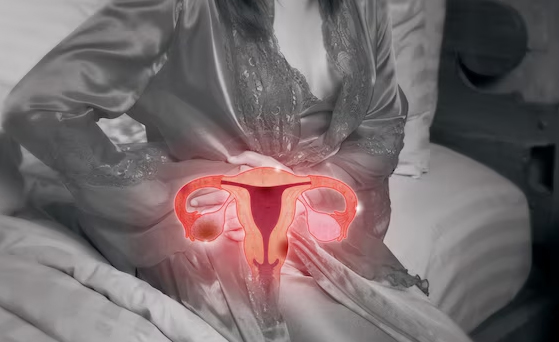
    Endometriosis surgery -causes of infertiliy

    Economic and Productivity Impact

    It isn’t just a physical and emotional burden; it also carries a significant economic impact. Studies estimate that women with endometriosis lose approximately 10 hours of productivity per week due to the condition. This has far-reaching implications, not only for the women affected but also for employers and healthcare systems globally.

    Stages of Endometriosis

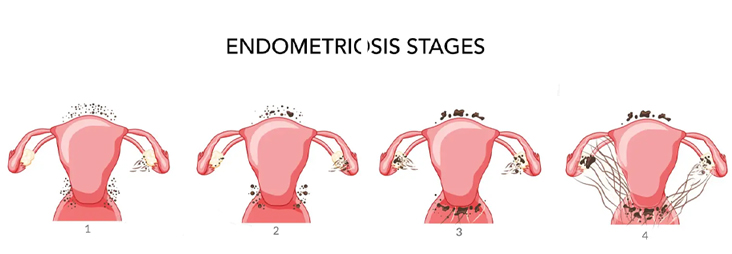
    The severity of endometriosis is classified into four stages by the American Society for Reproductive Medicine:

    1. Stage I (Minimal): Few, superficial implants with no scar tissue.
    2. Stage II (Mild): More extensive implants but limited scarring.
    3. Stage III (Moderate): Many deep implants and small cysts on ovaries.
    4. Stage IV (Severe): Large cysts, extensive scarring, and possible organ involvement.

    The staging helps doctors create a tailored treatment plan to manage symptoms effectively.

    Endometriosis surgery in bhubaneswar

    Treatment Options for Endometriosis

    While there’s no cure for endometriosis, treatments are available to alleviate symptoms and improve quality of life:

    • Hormonal Therapy: Birth control pills or hormonal IUDs help manage symptoms by reducing or stopping menstrual flow.
    • Pain Relief: NSAIDs, such as ibuprofen, are commonly used for pain management.
    • Surgery: In severe cases, laparoscopy is performed to remove endometrial tissue and cysts.
    • Fertility Treatment: Assisted reproductive technologies like IVF can help women with endometriosis conceive.

    Women should work closely with healthcare providers to determine the best treatment approach, which may combine medical, hormonal, and lifestyle modifications.

    Myths and Facts:

    Misconceptions surrounding endometriosis contribute to delayed diagnosis and treatment. Here are a few common myths debunked:

    • Myth: Endometriosis pain is just “bad cramps.”
      • Fact: Endometriosis pain is more intense and persistent than typical cramps.
    • Myth: Pregnancy cures endometriosis.
      • Fact: While pregnancy may relieve symptoms temporarily, it is not a cure.
    • Myth: Endometriosis is rare.
      • Fact: Endometriosis is widespread but underdiagnosed due to lack of awareness and accessible diagnostics.

    Addressing Social Stigma and Raising Awareness

    Endometriosis often goes undiscussed, leaving women feeling isolated and without support. Increased awareness, education, and resources can help reduce stigma, ensuring women receive the medical attention and community support they need.

    Conclusion: Prioritizing Women’s Health with SimpleeKare Health

    Endometriosis is more than just a “women’s health issue”; it’s a global crisis impacting millions. With increased awareness, proper diagnosis, and accessible treatment options, women can regain control over their health and lives.

    At SimpleeKare Health, we understand the unique challenges of endometriosis and are dedicated to providing compassionate care. Our team of skilled gynecologists is here to support you on your health journey with personalized treatment plans and resources to help you manage this condition effectively.

    Take control of your health—reach out to SimpleeKare Health to consult with our best gynecologists and discover treatment options that work for you.

  • HPV Vaccine: Age, Dosage, Benefits, and Side Effects

    HPV Vaccine: Age, Dosage, Benefits, and Side Effects

    Human papillomavirus (HPV) is one of the most prevalent infections globally, with over 79 million Americans currently infected, according to the CDC. Linked to cancers like cervical, throat, and anal cancers, the virus affects both men and women. The HPV vaccine is a crucial tool for cervical cancer prevention. Fortunately, it offers protection against the most dangerous strains of the virus, significantly reducing cancer risk. Here, we discuss who should receive the HPV vaccine, the recommended dosage schedule, how it works, its crucial benefits, and possible side effects, making it easier to make informed decisions.

    HPV Vaccine for cervical cancer

    Why the HPV Vaccine is Essential for Public Health?

    HPV affects 80% of people at some point in their lives. While most infections go unnoticed, high-risk HPV strains can cause several types of cancer if left untreated. The HPV vaccine is key in preventing these outcomes, particularly for young adults. Here’s why it’s crucial:

    • Reduces Cancer Risk: Vaccination can prevent up to 90% of HPV-related cancers, including cervical and throat cancers.
    • Prevents HPV Spread: By lowering HPV prevalence, vaccination indirectly protects others.
    • Cost-Effective Preventive Measure: Treatment for HPV-related conditions is costly, and prevention via vaccination is significantly more affordable and less invasive.

    Who Needs the HPV Vaccine? Age Recommendations

    The HPV vaccine is recommended for both boys and girls starting at a young age. It is effective for a wide age range, with specific recommendations to maximize effectiveness:

    1. Children (Ages 9–14): The CDC recommends vaccination beginning at age 11 or 12. Though it can start as early as 9, this is the ideal age range for children to receive the HPV vaccine to maximize immunity before potential exposure to HPV. This age group only requires two doses.
    2. Teens and Young Adults (Ages 15–26): If vaccination starts after age 15, a three-dose schedule is needed for optimal immunity.
    3. Adults (Ages 27–45): In certain cases, people up to age 45 may receive the vaccine. However, vaccination for adults in this age group is based on individual risks and prior HPV exposure, as benefits may be lower if exposed to HPV earlier in life.

    Actionable Tip: Discuss vaccination with your healthcare provider, especially if you or your child fall within the target age groups. Early protection ensures the best immunity.


    HPV Vaccine Schedule: Dosage Details for Effective Immunity

    The HPV vaccine schedule is tailored by age to ensure robust immunity.

    • Two-Dose Schedule: For individuals aged 9 to 14, two doses are recommended, spaced 6–12 months apart.
    • Three-Dose Schedule: Those aged 15 and older should receive three doses, with the second dose 1–2 months after the first, and the third dose six months after the initial one.

    Maintaining this schedule ensures the body has time to develop effective immunity against high-risk HPV strains.

    How the HPV Vaccine Works: Mechanism of Action

    The HPV vaccine prepares the immune system to recognize and combat the virus if exposed. It’s a non-infectious vaccine, meaning it contains no live virus and cannot cause HPV infection. Specifically, it targets the high-risk HPV strains (like types 16 and 18) known to cause about 70% of cervical cancers and other HPV-related cancers.

    1. Immune Response Activation: Once administered, the vaccine introduces virus-like particles (VLPs) that mimic HPV, prompting an immune response.
    2. Long-Term Immunity: The immune system then creates antibodies specific to HPV, which remain in the body for years, helping to protect against future infection.

    Importance of the HPV Vaccine for Preventing Cancer

    The HPV vaccine is a game-changer in cancer prevention, especially for cervical cancer. Statistics show that it can reduce the risk of HPV-related cancers by up to 90%:

    • Cervical Cancer: Nearly all cervical cancers are linked to HPV, and the vaccine effectively prevents most cases.
    • Other Cancers: The vaccine also protects against cancers of the throat, anus, and genital areas. Vaccinated individuals are less likely to spread HPV to others, helping reduce its prevalence.
    • HPV-Related Genital Warts: In addition to cancer, HPV can cause genital warts, which the vaccine helps prevent.

    Important Note: Early vaccination, ideally before exposure, is crucial as it provides immunity against the virus before one becomes sexually active.


    Possible Side Effects of the HPV Vaccine: What to Expect

    Most people experience few or no side effects after the HPV vaccine, and the benefits significantly outweigh any risks. Common side effects include:

    • Pain and Swelling: Temporary soreness or swelling at the injection site is common.
    • Mild fever and headache: Minor fever or mild headache, more common in adolescents, often resolves quickly.
    • Dizziness or fainting: more common in adolescents; remaining seated for a few minutes after receiving the shot can help

    Facts and Figures: Serious side effects are rare, and studies show the vaccine is well-tolerated among recipients of all ages. It’s considered one of the safest vaccines available. Always discuss any health concerns with your healthcare provider before getting vaccinated.

    How to Access the HPV Vaccine: Where and When

    For those interested in the HPV vaccine, it’s widely available at:

    • Primary Care Clinics: Most family doctors and pediatricians offer the vaccine.
    • Public Health Departments: Local health clinics often provide HPV vaccination for free or at a reduced cost.
    • Pharmacies: Some pharmacies offer HPV vaccination, especially for older teens and adults.

    Pro Tip: Many insurance plans cover the HPV vaccine, and some local health departments provide it for free to uninsured individuals. Check with your healthcare provider for coverage options.

    Who Should Not Get the HPV Vaccine?

    Is the HPV vaccine right for everyone? Generally, the HPV vaccine is safe for most people, but certain groups should avoid it:

    1. Pregnant Individuals: The HPV vaccine isn’t recommended during pregnancy, as studies on its safety during pregnancy are limited.
    2. Severe Allergic Reactions: Those with severe allergies to any component of the vaccine, including yeast, should avoid it.
    3. Moderately or Severely Ill Individuals: If you’re experiencing a significant illness, it’s advisable to wait until you recover before getting vaccinated.

    Important Note: Mild illnesses, like a cold, don’t prevent you from receiving the vaccine. Always check with your healthcare provider if you have concerns or any pre-existing conditions.


    If Already Sexually Active, Should You Still Get the HPV Vaccine?

    Does being sexually active affect vaccine effectiveness?

    Even if someone is already sexually active, the HPV vaccine can still offer significant benefits. While it’s most effective when given before any HPV exposure, it can still protect against strains of the virus you haven’t been exposed to yet.

    Pro Tip: Discuss your sexual health history with your provider to see how the vaccine can benefit you.


    Should You Get a Pap Smear Test Even After Receiving the HPV Vaccine?

    Is the HPV vaccine enough to prevent cervical cancer entirely?

    While the HPV vaccine offers robust protection against HPV strains that lead to cervical cancer, it doesn’t cover all possible strains. Regular Pap smear tests are essential for early detection and prevention.

    • Ages 21–29: A Pap smear is recommended every three years.
    • Ages 30–65: A Pap smear every three years or combined with HPV testing every five years.

    Regular Pap smears, along with the HPV vaccine, form a comprehensive approach to cervical cancer prevention. By staying proactive about your health, you can greatly reduce your risk of cervical cancer and maintain optimal well-being.

    pap smear test in bhubaneswar

    Note from SimpleeKare

    At SimpleeKare Health, we’re dedicated to empowering you with preventive healthcare solutions. Protect yourself and your loved ones—schedule your HPV vaccination with us today to take a proactive step towards a healthier future. Reach out for more details on our vaccination services and support.

    Conclusion: Taking Action for a Healthier Future

    The HPV vaccine is a powerful preventive measure against HPV-related cancers and other serious health risks. By choosing vaccination, individuals not only protect themselves but also contribute to broader public health, helping reduce the spread of high-risk HPV strains. Following the recommended schedule, even for those already sexually active, is essential for maximizing protection and supporting long-term well-being. Remember, preventive healthcare is within reach—staying proactive with vaccinations like the HPV vaccine is a vital step towards a healthier, cancer-free future.

    For guidance on HPV vaccination or other preventive care, SimpleeKare Health is here to support you on every step of your healthcare journey.

  • A Remarkable Case of Laser Treatment for Anal Fissure at SimpleeKare Hospital, Bhubaneswar

    A Remarkable Case of Laser Treatment for Anal Fissure at SimpleeKare Hospital, Bhubaneswar

    At SimpleeKare Hospital, we recently treated an anal fissure patient Mrs. Asha Manjari Nayak, a 60-year-old woman from Bhubaneswar, who had been enduring severe pain and bleeding. After weeks of struggling with this condition and finding no relief through conventional treatments, she turned to us for a more advanced solution. Under the skilled care of Dr. Purna Chandra Sahoo, she underwent laser surgery, which successfully removed the fissure and allowed her to recover quickly. This case highlights how combining modern medical technology with personalized patient care can bring lasting relief and improve lives.

    Patient: Mrs. Asha Manjari Nayak
    Age: 60
    Weight: 70 kg
    Date of Surgery: 21st October 2024
    Surgeon: Dr. Purna Chandra Sahoo, Senior Surgeon

    Successful Anal Fissure Surgery, Bhubaneswar

    Anal Fissure Patient’s Background:

    Mrs. Asha Manjari Nayak, a 60-year-old resident of Bhubaneswar, was facing considerable distress due to the symptoms of an anal fissure, a small tear in the lining of the anal canal. Weighing 70 kg and experiencing excruciating pain during bowel movements, accompanied by bleeding, Mrs. Nayak’s quality of life had significantly deteriorated. This led her to seek specialized care at SimpleeKare Hospital, Bhubaneswar.

    Diagnosis and Consultation:

    Upon her visit, Mrs. Nayak was evaluated by senior surgeon Dr. Purna Chandra Sahoo, who diagnosed her with an acute anal fissure. The condition had caused a tear in the skin, leading to constant pain and bleeding. Given her ongoing symptoms and the failure of conservative treatments, Dr. Sahoo recommended surgical intervention, specifically laser surgery, to provide effective and lasting relief.

    Why Laser Surgery?

    Laser surgery was chosen for its precision, minimal invasiveness, and faster recovery time. Unlike traditional surgery, laser treatment offers several advantages, such as reduced pain, minimal scarring, and a quicker return to daily activities. For a patient like Mrs. Nayak, who was suffering from persistent symptoms and discomfort, laser surgery for this anal fissure presented the best option for a swift and efficient solution.

    The Surgical Procedure:

    On 21st October 2024, Mrs. Nayak underwent the laser procedure at SimpleeKare Hospital, Bhubaneswar. The surgery lasted just 30 minutes, during which Dr. Sahoo used laser technology to carefully remove the fissure, ensuring no damage to the surrounding tissues. This precise method of treatment helped control bleeding, alleviate pain, and promote healing in a much shorter period than conventional surgery.

    Anal Fissure Operation

    Post-Operative Recovery:

    Mrs. Nayak’s post-surgery recovery was smooth and uncomplicated. She was discharged within a day, a testament to the efficiency of the laser treatment. Upon discharge, she reported a significant reduction in pain and discomfort, with no further bleeding. Dr. PC Sahoo advised her to maintain a balanced, fiber-rich diet and stay hydrated to ensure proper healing and prevent future fissures.

    The focus on nutrition is vital in preventing constipation, which is often a contributing factor to anal fissures. Mrs. Nayak was also advised to follow simple lifestyle changes, such as avoiding straining during bowel movements, which could aid in her long-term recovery and reduce the risk of recurrence.

    Anal Fissure Post-operative carre

    Patient’s Progress and Follow-Up:

    Mrs. Nayak’s recovery has been swift and promising. Her pain has significantly diminished, and she is no longer experiencing bleeding that plagued her before the surgery. Regular follow-ups have shown that the treated area is healing well, and there are no signs of complications. Her adherence to post-operative care and nutritional advice has been key in ensuring her rapid recovery.

    The success of her case highlights the role of modern laser technology for anal fissure in treating common yet debilitating conditions like anal fissures, ensuring patients can return to their daily lives quickly and comfortably.

    Conclusion:

    This case demonstrates the high standard of care and cutting-edge treatment options available at SimpleeKare Hospital, Bhubaneswar. The success of Mrs. Asha Manjari Nayak’s laser surgery for anal fissure is a prime example of how innovative medical procedures, combined with expert surgical skill, can lead to positive outcomes even for complex conditions. SimpleeKare’s commitment to personalized care and the use of modern technologies like laser surgery enables patients to recover faster and with minimal discomfort.

    If you or someone you know is suffering from similar symptoms, it’s crucial to seek timely medical attention. SimpleeKare Hospital offers advanced treatments, including laser surgery, for a wide range of conditions to help patients lead healthier, pain-free lives.

    Successful Anal Fissure Laser Treatment at SimpleeKare Hospital, Bhubaneswar

    Key Takeaways:

    • Laser treatment for anal fissures offers a minimally invasive solution with quicker recovery.
    • Holistic care, including nutrition and lifestyle adjustments, is crucial to long-term recovery.
    • SimpleeKare Hospital continues to provide cutting-edge medical treatments, ensuring patients receive world-class healthcare.

    For consultations, expert care, and more information on advanced treatments & compassionate care, Contact SimpleeKare Hospital today.

  • 7 Crucial Tips for Planning COVID, Influenza, and RSV Vaccines: Start Now!

    7 Crucial Tips for Planning COVID, Influenza, and RSV Vaccines: Start Now!

    As the colder months approach, the risk of infectious diseases like COVID-19, seasonal influenza, and Respiratory Syncytial Virus (RSV) increases significantly. Protecting yourself and your loved ones with timely vaccinations is essential to reduce the chances of severe illness, hospitalizations, and complications. While these vaccines play a critical role in safeguarding public health, timing your shots is just as important.

    In this guide, we’ll discuss when and why you should plan your COVID, RSV and influenza vaccines to ensure maximum protection throughout the year. With expert recommendations and actionable insights, now is the time to plan your vaccine strategy for optimal immunity.

    Kid getting influenza vaccine

    1. The Importance of Vaccines: COVID, Influenza, and RSV

    Each year, millions of people are affected by COVID-19, influenza, and RSV, all of which can cause severe complications, especially in vulnerable populations like older adults, young children, and individuals with pre-existing health conditions. These viruses often have overlapping symptoms but require separate vaccinations for adequate protection.

    While influenza and RSV tend to peak in the fall and winter months, COVID-19 remains a year-round concern, with potential seasonal surges. Vaccines not only help prevent severe illness but also reduce the overall transmission of these viruses, protecting both you and the community.


    2. When to Get Your Influenza Vaccine

    The influenza vaccine is best administered before flu season begins, ideally in late September or October. This ensures that your body has enough time to develop immunity before the virus starts spreading widely. According to the CDC, influenza season typically peaks between December and February, so getting vaccinated early is crucial to ensure protection throughout the season.

    However, if you miss the early window, it’s still beneficial to get vaccinated later in the season. The vaccine takes about two weeks to become fully effective, so aim to get your flu shot as soon as possible if you haven’t already.


    3. Planning Your COVID-19 Vaccine and Boosters

    As COVID-19 continues to evolve with new variants, staying up to date with your vaccines and boosters is essential. The COVID-19 booster is typically recommended during the fall, aligning with influenza season. Experts suggest getting your COVID-19 shot in early fall, around September or October, to ensure your immunity is at its peak during the colder months when indoor gatherings increase transmission risks.

    For those who are at high risk, including older adults and individuals with chronic health conditions, getting the latest booster shot can provide an extra layer of protection against severe illness.


    4. RSV Vaccine: Who Needs It and When?

    In recent years, RSV (Respiratory Syncytial Virus) has gained more attention due to its severe impact on infants, the elderly, and those with compromised immune systems. In 2023, the first RSV vaccine was approved for adults aged 60 and older, offering protection against a virus that can cause serious respiratory issues.

    RSV typically circulates during the fall and winter months, making early fall (September or October) the ideal time to get vaccinated, especially for older adults and those in long-term care settings.


    5. Can You Get COVID, Influenza, and RSV Vaccines Together?

    The good news is that it’s safe to receive the COVID-19, influenza, and RSV vaccines during the same visit. This approach is convenient for people looking to minimize doctor visits while ensuring full protection. However, it’s important to consult with your healthcare provider to determine the best vaccination schedule based on your age, health status, and risk factors.

    While side effects like fatigue, soreness, or mild fever may be experienced, these typically resolve within a few days, and the protection offered far outweighs the temporary discomfort.


    6. Special Considerations for High-Risk Groups

    Certain groups, including pregnant women, older adults, young children, and individuals with chronic illnesses, are more vulnerable to severe complications from COVID-19, influenza, and RSV. These individuals should prioritize vaccinations early in the season and follow specific guidelines provided by healthcare professionals.

    • Pregnant women: The influenza and COVID vaccines are highly recommended during pregnancy as they protect both the mother and the baby. The flu vaccine can be administered at any point during pregnancy, while COVID-19 boosters are recommended in the second or third trimester.
    • Children: Infants and toddlers are particularly susceptible to RSV, and ensuring timely vaccination or preventive measures is crucial during the fall and winter months.
    pregnant women getting vaccination

    7. How to Maximize Vaccine Effectiveness

    While vaccines are your first line of defense against COVID, influenza, and RSV, there are additional steps you can take to maximize your immunity:

    • Stay Hydrated: Drinking plenty of water helps your body respond better to vaccinations.
    • Eat a Balanced Diet: A diet rich in fruits, vegetables, and lean proteins can help strengthen your immune system.
    • Rest: Ensure you get enough sleep before and after getting vaccinated to help your body recover and build immunity.
    • Monitor Side Effects: Mild side effects are common after vaccination, but if you experience anything more severe, contact your healthcare provider.

    Conclusion: Protect Yourself This Season, Start Now!

    In preparation for the upcoming fall and winter, now is the perfect time to plan your COVID, influenza, and RSV vaccines. Each vaccine plays a crucial role in protecting you from serious respiratory infections, and the sooner you get vaccinated, the better prepared you’ll be. Whether you’re in a high-risk group or simply want to stay healthy, taking proactive steps to schedule your vaccinations will ensure you’re protected as we head into colder months.

    At SimpleeKare Health, we’re here to help you stay on top of your vaccinations. Contact us today to schedule an appointment for your COVID, influenza, or RSV vaccine and take control of your health this season.