Tag: Anal Fissure surgery

  • A Remarkable Case of Laser Treatment for Anal Fissure at SimpleeKare Hospital, Bhubaneswar

    A Remarkable Case of Laser Treatment for Anal Fissure at SimpleeKare Hospital, Bhubaneswar

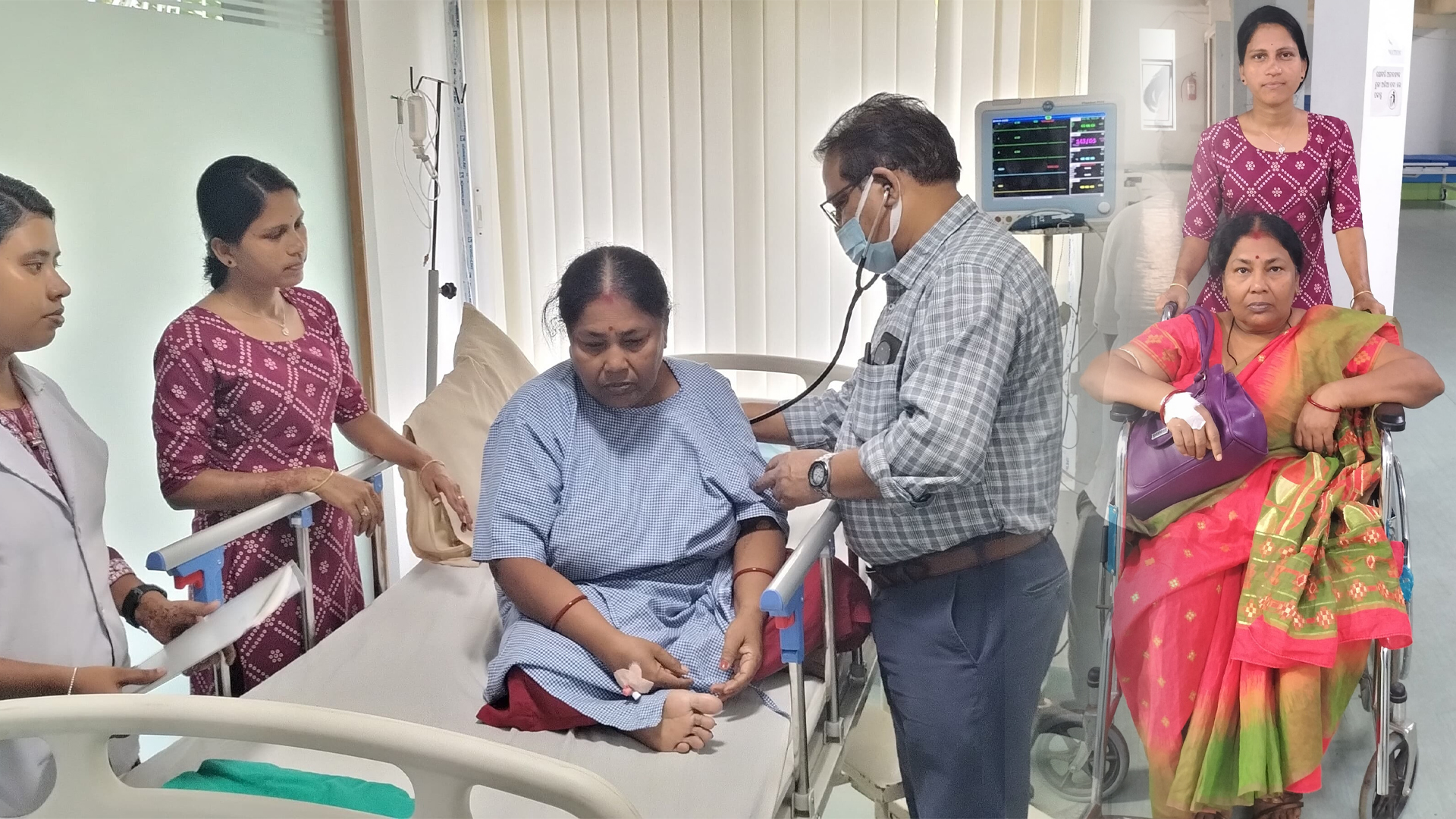
    At SimpleeKare Hospital, we recently treated an anal fissure patient Mrs. Asha Manjari Nayak, a 60-year-old woman from Bhubaneswar, who had been enduring severe pain and bleeding. After weeks of struggling with this condition and finding no relief through conventional treatments, she turned to us for a more advanced solution. Under the skilled care of Dr. Purna Chandra Sahoo, she underwent laser surgery, which successfully removed the fissure and allowed her to recover quickly. This case highlights how combining modern medical technology with personalized patient care can bring lasting relief and improve lives.

    Patient: Mrs. Asha Manjari Nayak
    Age: 60
    Weight: 70 kg
    Date of Surgery: 21st October 2024
    Surgeon: Dr. Purna Chandra Sahoo, Senior Surgeon
    Successful Anal Fissure Surgery, Bhubaneswar

    Anal Fissure Patient’s Background:

    Mrs. Asha Manjari Nayak, a 60-year-old resident of Bhubaneswar, was facing considerable distress due to the symptoms of an anal fissure, a small tear in the lining of the anal canal. Weighing 70 kg and experiencing excruciating pain during bowel movements, accompanied by bleeding, Mrs. Nayak’s quality of life had significantly deteriorated. This led her to seek specialized care at SimpleeKare Hospital, Bhubaneswar.

    Diagnosis and Consultation:

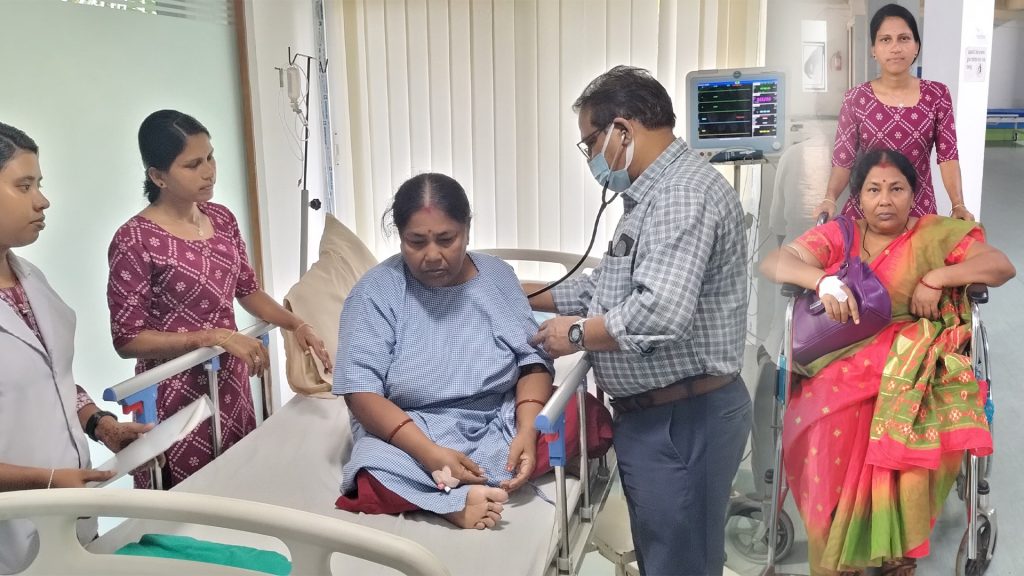
    Upon her visit, Mrs. Nayak was evaluated by senior surgeon Dr. Purna Chandra Sahoo, who diagnosed her with an acute anal fissure. The condition had caused a tear in the skin, leading to constant pain and bleeding. Given her ongoing symptoms and the failure of conservative treatments, Dr. Sahoo recommended surgical intervention, specifically laser surgery, to provide effective and lasting relief.

    Why Laser Surgery?

    Laser surgery was chosen for its precision, minimal invasiveness, and faster recovery time. Unlike traditional surgery, laser treatment offers several advantages, such as reduced pain, minimal scarring, and a quicker return to daily activities. For a patient like Mrs. Nayak, who was suffering from persistent symptoms and discomfort, laser surgery for this anal fissure presented the best option for a swift and efficient solution.

    The Surgical Procedure:

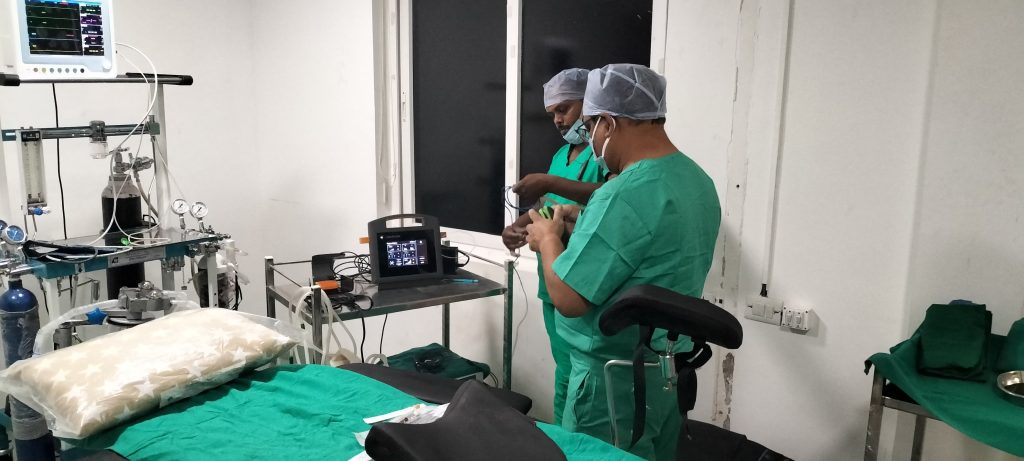
    On 21st October 2024, Mrs. Nayak underwent the laser procedure at SimpleeKare Hospital, Bhubaneswar. The surgery lasted just 30 minutes, during which Dr. Sahoo used laser technology to carefully remove the fissure, ensuring no damage to the surrounding tissues. This precise method of treatment helped control bleeding, alleviate pain, and promote healing in a much shorter period than conventional surgery.
    Anal Fissure Operation

    Post-Operative Recovery:

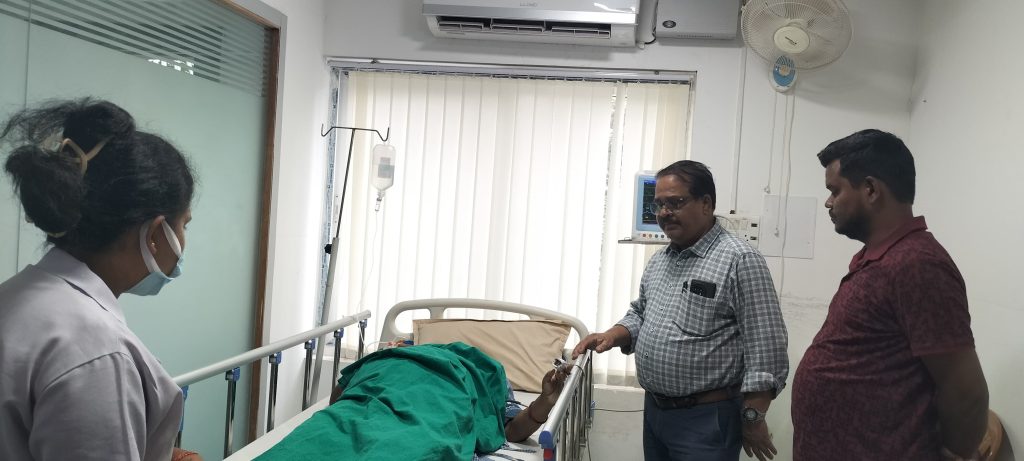
    Mrs. Nayak’s post-surgery recovery was smooth and uncomplicated. She was discharged within a day, a testament to the efficiency of the laser treatment. Upon discharge, she reported a significant reduction in pain and discomfort, with no further bleeding. Dr. PC Sahoo advised her to maintain a balanced, fiber-rich diet and stay hydrated to ensure proper healing and prevent future fissures.

    The focus on nutrition is vital in preventing constipation, which is often a contributing factor to anal fissures. Mrs. Nayak was also advised to follow simple lifestyle changes, such as avoiding straining during bowel movements, which could aid in her long-term recovery and reduce the risk of recurrence.
    Anal Fissure Post-operative carre

    Patient’s Progress and Follow-Up:

    Mrs. Nayak’s recovery has been swift and promising. Her pain has significantly diminished, and she is no longer experiencing bleeding that plagued her before the surgery. Regular follow-ups have shown that the treated area is healing well, and there are no signs of complications. Her adherence to post-operative care and nutritional advice has been key in ensuring her rapid recovery.

    The success of her case highlights the role of modern laser technology for anal fissure in treating common yet debilitating conditions like anal fissures, ensuring patients can return to their daily lives quickly and comfortably.

    Conclusion:

    This case demonstrates the high standard of care and cutting-edge treatment options available at SimpleeKare Hospital, Bhubaneswar. The success of Mrs. Asha Manjari Nayak’s laser surgery for anal fissure is a prime example of how innovative medical procedures, combined with expert surgical skill, can lead to positive outcomes even for complex conditions. SimpleeKare’s commitment to personalized care and the use of modern technologies like laser surgery enables patients to recover faster and with minimal discomfort.

    If you or someone you know is suffering from similar symptoms, it’s crucial to seek timely medical attention. SimpleeKare Hospital offers advanced treatments, including laser surgery, for a wide range of conditions to help patients lead healthier, pain-free lives.

    Successful Anal Fissure Laser Treatment at SimpleeKare Hospital, Bhubaneswar

    Key Takeaways:

    • Laser treatment for anal fissures offers a minimally invasive solution with quicker recovery.
    • Holistic care, including nutrition and lifestyle adjustments, is crucial to long-term recovery.
    • SimpleeKare Hospital continues to provide cutting-edge medical treatments, ensuring patients receive world-class healthcare.

    For consultations, expert care, and more information on advanced treatments & compassionate care, Contact SimpleeKare Hospital today.
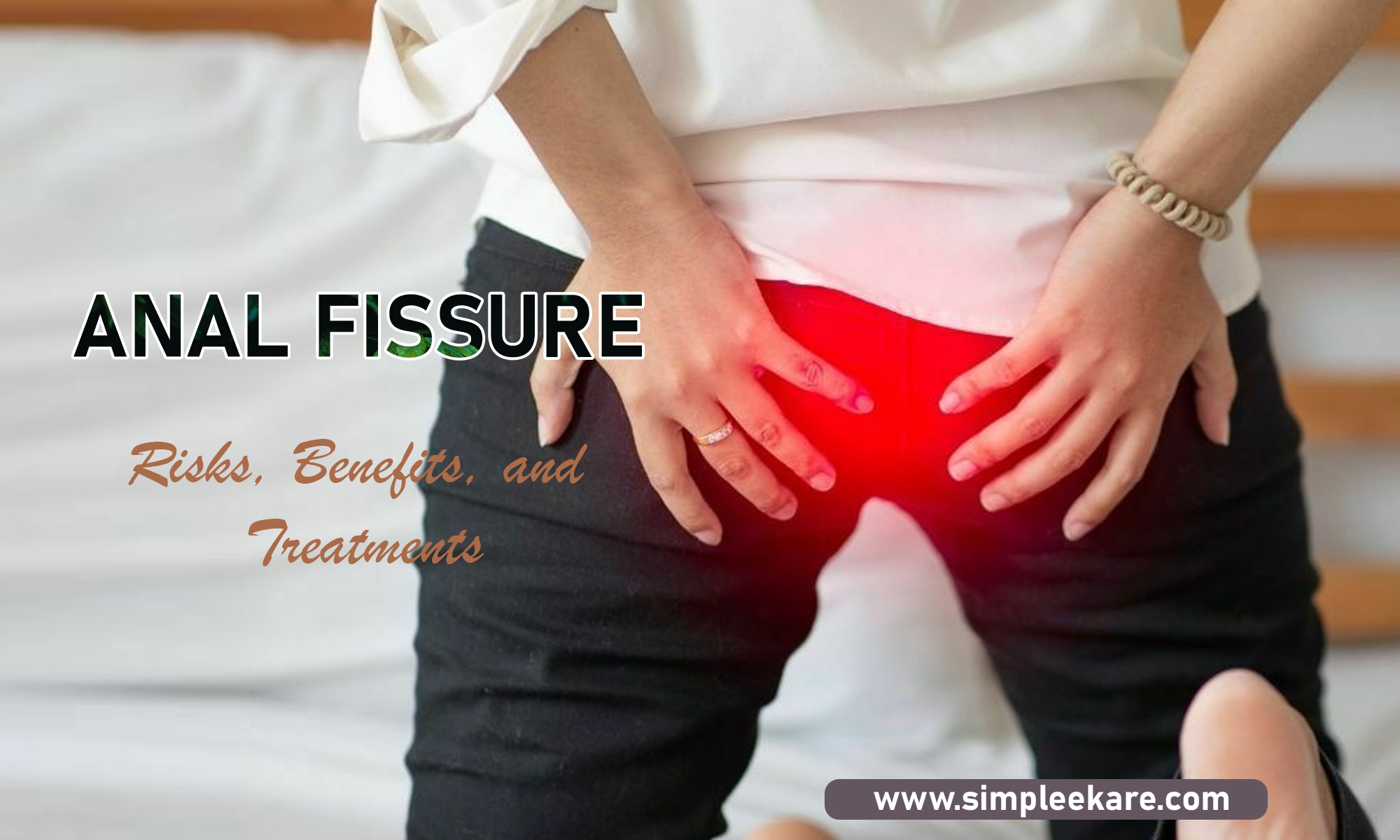
  • Anal Fissure Surgery: Risks, Benefits, and Effective Treatments

    Anal Fissure Surgery: Risks, Benefits, and Effective Treatments

    Anal fissures are a common and uncomfortable condition that can cause pain and discomfort in the anal area. While many cases can be treated with conservative measures, there are instances where surgical intervention becomes necessary. In this blog, we will delve into the details of anal fissures, the benefits and risks of anal fissure surgery, and the various treatment options available.

    Understanding Anal Fissures

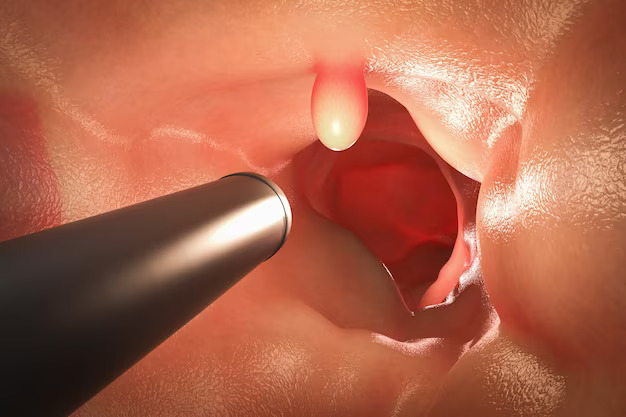
    An anal fissure is a small tear or cut in the lining of the anus, often caused by the passage of hard stool. This can result in symptoms such as severe pain during bowel movements, bleeding, itching, and discomfort. While most fissures heal on their own with proper self-care and lifestyle changes, some may require surgical treatment to promote healing.

    anal fissure

    When Surgery Becomes Necessary: Exploring the Indications

    While many cases of anal fissures can be effectively managed through non-surgical methods, there are instances where surgery becomes a necessary and beneficial option. Let’s delve deeper into the indications that prompt the consideration of anal fissure surgery:

    1. Persistent Pain and Discomfort:

    When the pain and discomfort associated with an anal fissure persist despite adhering to conservative treatments, it might be an indication that the fissure is not healing as expected. Non-surgical approaches such as dietary changes, increased fiber intake, topical ointments, and sitz baths are often the first line of defense. However, if these measures fail to provide the desired relief, surgical intervention might be the next step.

    2. Chronic Fissures:

    Anal fissures are considered chronic when they last for an extended period, typically around six weeks or more. Chronic fissures can significantly impact the individual’s quality of life, causing recurring pain and discomfort during bowel movements. Since chronic fissures are less likely to heal on their own, surgery might be recommended to facilitate healing and prevent further aggravation.

    3. Depth of the Fissure:

    The depth of the fissure is another important factor that influences the decision for surgery. Superficial fissures often respond well to conservative treatments. However, if the fissure is deep or extends into the underlying tissues, it can be more challenging to heal naturally. Surgical techniques, such as advancement flap surgery or fissurectomy, can address these deeper fissures more effectively.

    4. Resistance to Non-Surgical Treatments:

    If an individual has diligently followed the recommended non-surgical treatments for a reasonable period and hasn’t experienced significant improvement, it could be an indication that their fissure is not responding as expected. In such cases, surgery might be considered as a way to expedite healing and alleviate symptoms.

    5. Recurrence:

    Recurrent anal fissures can be frustrating and indicative of an underlying issue that needs to be addressed. If an individual experiences multiple episodes of anal fissures despite attempting to prevent them through lifestyle modifications and non-surgical treatments, surgery might be recommended to break the cycle and provide lasting relief.

    6. Impaired Quality of Life:

    The persistent pain, discomfort, and limitations in daily activities caused by chronic anal fissures can severely impact an individual’s overall quality of life. When conservative treatments fail to restore a reasonable quality of life, surgery can be a valuable option to consider.

    Benefits of Anal Fissure Surgery
    1. Faster Healing: Surgery can promote quicker healing of the anal fissure, reducing the duration of discomfort and pain.
    2. Long-Term Relief: Surgical procedures can address the underlying causes of chronic fissures, providing long-term relief from symptoms.
    3. Prevention of Recurrence: Some surgical techniques aim to prevent the recurrence of fissures, offering a more permanent solution.
    Types of Anal Fissure Surgery
    1. Lateral Internal Sphincterotomy (LIS): This procedure involves cutting a small portion of the internal anal sphincter muscle to reduce spasm and promote healing.
    2. Advancement Flap Surgery: In this technique, healthy tissue from inside the anus is used to cover the fissure, aiding in healing.
    3. Fissurectomy: The surgical removal of the fissure itself, often combined with sphincterotomy for optimal results.
    Risks and Considerations

    While anal fissure surgery can offer relief, it’s important to be aware of potential risks, which may include:

    1. Infection: As with any surgery, there is a risk of infection at the surgical site.
    2. Incontinence: In some cases, surgery may lead to temporary or permanent changes in bowel control.
    3. Scar Tissue: Surgical procedures carry the risk of forming scar tissue, which could cause discomfort or other issues.
    Finding the Right Surgeon and Hospital

    Choosing a skilled and experienced surgeon is crucial for successful anal fissure surgery. Look for a surgeon who specializes in colorectal procedures and has a proven track record in performing anal fissure surgeries. Additionally, consider an anal fissure surgery hospital that is equipped with advanced facilities and a supportive medical team in India.

    Message from SimpleeKare

    At SimpleeKare, your comfort and health are our top priorities. If you’re dealing with the discomfort of anal fissures and have explored non-surgical options without success, our team of experienced surgeons is here to guide you through the process of considering anal fissure surgery. We understand the concerns and questions you may have, and we’re committed to providing personalized care that suits your unique needs. Our state-of-the-art facilities and compassionate staff are dedicated to helping you achieve relief and regain your quality of life. Reach out to us today to learn more about how we can support you on your journey to healing.

    Anal fissure surgery can be a beneficial option for those who have exhausted non-surgical treatments and are seeking lasting relief from the discomfort and pain associated with this condition. While surgery comes with risks, choosing the right surgeon and hospital can greatly mitigate these concerns. Remember that a well-informed decision, in consultation with medical professionals, is key to achieving optimal outcomes and a better quality of life.