Category: Vaccination

  • Understanding the RSV Vaccine: Protecting Infants, Elderly, and Vulnerable Populations

    Understanding the RSV Vaccine: Protecting Infants, Elderly, and Vulnerable Populations

    Respiratory Syncytial Virus (RSV) is a common virus that causes respiratory infections, particularly in young children, the elderly, and individuals with weakened immune systems. RSV can lead to severe conditions such as bronchiolitis and pneumonia, resulting in thousands of hospitalizations each year. To tackle this, researchers have developed the RSV vaccine, which has proven effective in preventing severe RSV infections. This blog aims to educate you about the RSV vaccine, its importance, and what you need to know about getting vaccinated.
    What is RSV?

    RSV is a highly contagious virus that primarily affects the respiratory tract. It is most prevalent during the winter and early spring. Almost all children will have been infected with RSV by their second birthday, but while the majority will experience mild, cold-like symptoms, others, particularly infants and older adults, may develop severe infections that require hospitalization.

    Key facts about RSV:

    • RSV can cause symptoms like runny nose, cough, sneezing, fever, and wheezing.
    • Severe cases can lead to pneumonia and bronchiolitis (inflammation of the small airways in the lungs).
    • The virus spreads through respiratory droplets when an infected person coughs or sneezes, or by touching contaminated surfaces.

    Why is an RSV Vaccine Necessary?

    RSV is responsible for a significant health burden worldwide:

    • Infants: RSV is one of the leading causes of respiratory illness in infants and young children. It is the most common cause of bronchiolitis and pneumonia in children under 1 year of age.
    • Elderly and Immunocompromised: Adults over 65 and people with chronic health conditions, such as asthma, heart disease, or weakened immune systems, are also at risk of severe RSV complications.
    • Annual Burden: Globally, RSV causes more than 3 million hospitalizations and an estimated 100,000 deaths in children under 5 every year.

    Given its widespread impact, the development of an RSV vaccine has been a public health priority.

    Types of RSV Vaccines Available

    There are currently several RSV vaccines available or in development, each targeting different age groups and designed to offer protection against severe RSV illness. Some of the main types include:

    1. Maternal RSV Vaccine:
      • Administered to pregnant women to pass antibodies to the baby before birth, offering newborns protection during the first months of life.
      • Designed to prevent severe RSV illness in infants who are too young to receive their own vaccines.
    2. Infant and Pediatric RSV Vaccine:
      • Given directly to infants and young children to protect them from severe RSV infection.
      • Recommended especially for children who are at higher risk, such as those born prematurely or with heart or lung conditions.
    3. Adult RSV Vaccine:
      • Targets adults over the age of 60, who are at increased risk of severe RSV infections.
      • Helps to reduce the burden of RSV on the elderly population and prevent hospitalizations.

    How Does the RSV Vaccine Work?

    The RSV vaccine works by stimulating the immune system to produce antibodies against RSV. These antibodies help the body recognize and fight the virus more effectively if exposed to it in the future. Like other vaccines, the RSV vaccine uses a safe, weakened, or inactive form of the virus or a piece of its genetic material to build immunity without causing illness.

    Types of RSV Vaccines:

    • Live-Attenuated Vaccines: Use a weakened form of the virus.
    • Protein-Based Vaccines: Use a specific protein from the virus to stimulate an immune response.
    • mRNA Vaccines: Use a snippet of the virus’s genetic code to instruct cells to produce a protein that triggers immunity.

    Who Should Get the RSV Vaccine?

    1. Infants and Young Children: The CDC recommends that infants, especially those who are at high risk for severe RSV infection, should receive the RSV vaccine. This group includes:

    • Babies born prematurely.
    • Infants with chronic lung disease or congenital heart disease.
    • Infants with weakened immune systems.

    2. Pregnant Women: Pregnant women in their third trimester can receive the maternal RSV vaccine to protect their newborns during the initial months of life, when they are most vulnerable to severe RSV illness.

    3. Older Adults (60+): Adults aged 60 and older, especially those with chronic health conditions such as heart disease, lung disease, or diabetes, should also consider getting the RSV vaccine to reduce their risk of severe illness.

    Benefits of the RSV Vaccine

    1. Protecting Infants and Young Children: The primary benefit of the RSV vaccine is to protect babies and young children from severe RSV illness. Vaccination can prevent hospitalizations, severe respiratory symptoms, and the potential long-term health effects that can result from a serious RSV infection.

    2. Reducing Hospitalizations in Older Adults: RSV can lead to significant health complications in older adults, including pneumonia and exacerbation of chronic obstructive pulmonary disease (COPD). By getting vaccinated, older adults can lower their chances of severe illness and hospitalization.

    3. Herd Immunity: Widespread vaccination can help reduce the overall spread of RSV, protecting those who are too young or unable to receive the vaccine. This is particularly beneficial for community health.

    Side Effects and Safety of the RSV Vaccine

    The RSV vaccine is generally safe, but like all vaccines, it can have side effects. Most side effects are mild and temporary, including:

    • Pain or redness at the injection site.
    • Mild fever.
    • Fatigue.

    Rare but Serious Side Effects: In rare cases, severe allergic reactions can occur. Individuals should be observed after vaccination, and those with a history of severe allergies to any component of the vaccine should consult their healthcare provider before getting vaccinated.

    How Effective is the RSV Vaccine?

    Clinical trials and real-world studies have shown that the RSV vaccine is highly effective at preventing severe RSV infections. The effectiveness varies depending on the type of vaccine and the population group. Generally, the vaccine reduces the risk of severe illness and hospitalizations, particularly in high-risk groups such as infants, older adults, and those with underlying health conditions.

    Efficacy Rates:

    • Maternal Vaccines: Up to 80% effectiveness in preventing severe RSV disease in newborns during the first 3 months of life.
    • Infant Vaccines: Highly effective in reducing the risk of severe RSV illness in infants.
    • Adult Vaccines: Up to 60-70% effectiveness in preventing severe illness in older adults.

    When and Where Can You Get the RSV Vaccine?

    The RSV vaccine is typically available at healthcare facilities, including pediatricians’ offices, hospitals, and local health departments. Depending on the type of vaccine, different schedules are recommended:

    • Maternal RSV Vaccine: Administered during the third trimester of pregnancy.
    • Infant RSV Vaccine: Administered in a series of doses starting at 6 months of age.
    • Adult RSV Vaccine: Typically a single dose, recommended before the start of the RSV season.

    The introduction of the RSV vaccine represents a significant step forward in protecting vulnerable populations from this potentially severe virus. By understanding the benefits of the RSV vaccine, we can make informed decisions to safeguard our health and the health of our loved ones. As RSV season approaches, consider talking to your healthcare provider about getting vaccinated, especially if you or your loved ones are in a high-risk group.

    Book Your RSV Vaccine Appointment with SimpleeKare
    Safeguard yourself and your family this season by getting the RSV vaccine at SimpleeKare Hospital, conveniently located across Cuttack, Bhubaneswar, Visakhapatnam, and Hyderabad. With trusted diagnostic services and top-tier healthcare, our centers are here to meet all your needs. Book your RSV vaccine today and choose health protection that’s both accessible and reliable.

    Visit our website www.simpleekare.com to Reserve RSV Vaccine Slot at SimpleeKare Hospital’s Nearest Location.
  • HPV Vaccine: Age, Dosage, Benefits, and Side Effects

    HPV Vaccine: Age, Dosage, Benefits, and Side Effects

    Human papillomavirus (HPV) is one of the most prevalent infections globally, with over 79 million Americans currently infected, according to the CDC. Linked to cancers like cervical, throat, and anal cancers, the virus affects both men and women. The HPV vaccine is a crucial tool for cervical cancer prevention. Fortunately, it offers protection against the most dangerous strains of the virus, significantly reducing cancer risk. Here, we discuss who should receive the HPV vaccine, the recommended dosage schedule, how it works, its crucial benefits, and possible side effects, making it easier to make informed decisions.

    HPV Vaccine for cervical cancer

    Why the HPV Vaccine is Essential for Public Health?

    HPV affects 80% of people at some point in their lives. While most infections go unnoticed, high-risk HPV strains can cause several types of cancer if left untreated. The HPV vaccine is key in preventing these outcomes, particularly for young adults. Here’s why it’s crucial:

    • Reduces Cancer Risk: Vaccination can prevent up to 90% of HPV-related cancers, including cervical and throat cancers.
    • Prevents HPV Spread: By lowering HPV prevalence, vaccination indirectly protects others.
    • Cost-Effective Preventive Measure: Treatment for HPV-related conditions is costly, and prevention via vaccination is significantly more affordable and less invasive.

    Who Needs the HPV Vaccine? Age Recommendations

    The HPV vaccine is recommended for both boys and girls starting at a young age. It is effective for a wide age range, with specific recommendations to maximize effectiveness:

    1. Children (Ages 9–14): The CDC recommends vaccination beginning at age 11 or 12. Though it can start as early as 9, this is the ideal age range for children to receive the HPV vaccine to maximize immunity before potential exposure to HPV. This age group only requires two doses.
    2. Teens and Young Adults (Ages 15–26): If vaccination starts after age 15, a three-dose schedule is needed for optimal immunity.
    3. Adults (Ages 27–45): In certain cases, people up to age 45 may receive the vaccine. However, vaccination for adults in this age group is based on individual risks and prior HPV exposure, as benefits may be lower if exposed to HPV earlier in life.

    Actionable Tip: Discuss vaccination with your healthcare provider, especially if you or your child fall within the target age groups. Early protection ensures the best immunity.


    HPV Vaccine Schedule: Dosage Details for Effective Immunity

    The HPV vaccine schedule is tailored by age to ensure robust immunity.

    • Two-Dose Schedule: For individuals aged 9 to 14, two doses are recommended, spaced 6–12 months apart.
    • Three-Dose Schedule: Those aged 15 and older should receive three doses, with the second dose 1–2 months after the first, and the third dose six months after the initial one.

    Maintaining this schedule ensures the body has time to develop effective immunity against high-risk HPV strains.

    How the HPV Vaccine Works: Mechanism of Action

    The HPV vaccine prepares the immune system to recognize and combat the virus if exposed. It’s a non-infectious vaccine, meaning it contains no live virus and cannot cause HPV infection. Specifically, it targets the high-risk HPV strains (like types 16 and 18) known to cause about 70% of cervical cancers and other HPV-related cancers.

    1. Immune Response Activation: Once administered, the vaccine introduces virus-like particles (VLPs) that mimic HPV, prompting an immune response.
    2. Long-Term Immunity: The immune system then creates antibodies specific to HPV, which remain in the body for years, helping to protect against future infection.

    Importance of the HPV Vaccine for Preventing Cancer

    The HPV vaccine is a game-changer in cancer prevention, especially for cervical cancer. Statistics show that it can reduce the risk of HPV-related cancers by up to 90%:

    • Cervical Cancer: Nearly all cervical cancers are linked to HPV, and the vaccine effectively prevents most cases.
    • Other Cancers: The vaccine also protects against cancers of the throat, anus, and genital areas. Vaccinated individuals are less likely to spread HPV to others, helping reduce its prevalence.
    • HPV-Related Genital Warts: In addition to cancer, HPV can cause genital warts, which the vaccine helps prevent.

    Important Note: Early vaccination, ideally before exposure, is crucial as it provides immunity against the virus before one becomes sexually active.


    Possible Side Effects of the HPV Vaccine: What to Expect

    Most people experience few or no side effects after the HPV vaccine, and the benefits significantly outweigh any risks. Common side effects include:

    • Pain and Swelling: Temporary soreness or swelling at the injection site is common.
    • Mild fever and headache: Minor fever or mild headache, more common in adolescents, often resolves quickly.
    • Dizziness or fainting: more common in adolescents; remaining seated for a few minutes after receiving the shot can help

    Facts and Figures: Serious side effects are rare, and studies show the vaccine is well-tolerated among recipients of all ages. It’s considered one of the safest vaccines available. Always discuss any health concerns with your healthcare provider before getting vaccinated.

    How to Access the HPV Vaccine: Where and When

    For those interested in the HPV vaccine, it’s widely available at:

    • Primary Care Clinics: Most family doctors and pediatricians offer the vaccine.
    • Public Health Departments: Local health clinics often provide HPV vaccination for free or at a reduced cost.
    • Pharmacies: Some pharmacies offer HPV vaccination, especially for older teens and adults.

    Pro Tip: Many insurance plans cover the HPV vaccine, and some local health departments provide it for free to uninsured individuals. Check with your healthcare provider for coverage options.

    Who Should Not Get the HPV Vaccine?

    Is the HPV vaccine right for everyone? Generally, the HPV vaccine is safe for most people, but certain groups should avoid it:

    1. Pregnant Individuals: The HPV vaccine isn’t recommended during pregnancy, as studies on its safety during pregnancy are limited.
    2. Severe Allergic Reactions: Those with severe allergies to any component of the vaccine, including yeast, should avoid it.
    3. Moderately or Severely Ill Individuals: If you’re experiencing a significant illness, it’s advisable to wait until you recover before getting vaccinated.

    Important Note: Mild illnesses, like a cold, don’t prevent you from receiving the vaccine. Always check with your healthcare provider if you have concerns or any pre-existing conditions.


    If Already Sexually Active, Should You Still Get the HPV Vaccine?

    Does being sexually active affect vaccine effectiveness?

    Even if someone is already sexually active, the HPV vaccine can still offer significant benefits. While it’s most effective when given before any HPV exposure, it can still protect against strains of the virus you haven’t been exposed to yet.

    Pro Tip: Discuss your sexual health history with your provider to see how the vaccine can benefit you.


    Should You Get a Pap Smear Test Even After Receiving the HPV Vaccine?

    Is the HPV vaccine enough to prevent cervical cancer entirely?

    While the HPV vaccine offers robust protection against HPV strains that lead to cervical cancer, it doesn’t cover all possible strains. Regular Pap smear tests are essential for early detection and prevention.

    • Ages 21–29: A Pap smear is recommended every three years.
    • Ages 30–65: A Pap smear every three years or combined with HPV testing every five years.

    Regular Pap smears, along with the HPV vaccine, form a comprehensive approach to cervical cancer prevention. By staying proactive about your health, you can greatly reduce your risk of cervical cancer and maintain optimal well-being.

    pap smear test in bhubaneswar

    Note from SimpleeKare

    At SimpleeKare Health, we’re dedicated to empowering you with preventive healthcare solutions. Protect yourself and your loved ones—schedule your HPV vaccination with us today to take a proactive step towards a healthier future. Reach out for more details on our vaccination services and support.

    Conclusion: Taking Action for a Healthier Future

    The HPV vaccine is a powerful preventive measure against HPV-related cancers and other serious health risks. By choosing vaccination, individuals not only protect themselves but also contribute to broader public health, helping reduce the spread of high-risk HPV strains. Following the recommended schedule, even for those already sexually active, is essential for maximizing protection and supporting long-term well-being. Remember, preventive healthcare is within reach—staying proactive with vaccinations like the HPV vaccine is a vital step towards a healthier, cancer-free future.

    For guidance on HPV vaccination or other preventive care, SimpleeKare Health is here to support you on every step of your healthcare journey.

  • 7 Crucial Tips for Planning COVID, Influenza, and RSV Vaccines: Start Now!

    7 Crucial Tips for Planning COVID, Influenza, and RSV Vaccines: Start Now!

    As the colder months approach, the risk of infectious diseases like COVID-19, seasonal influenza, and Respiratory Syncytial Virus (RSV) increases significantly. Protecting yourself and your loved ones with timely vaccinations is essential to reduce the chances of severe illness, hospitalizations, and complications. While these vaccines play a critical role in safeguarding public health, timing your shots is just as important.

    In this guide, we’ll discuss when and why you should plan your COVID, RSV and influenza vaccines to ensure maximum protection throughout the year. With expert recommendations and actionable insights, now is the time to plan your vaccine strategy for optimal immunity.

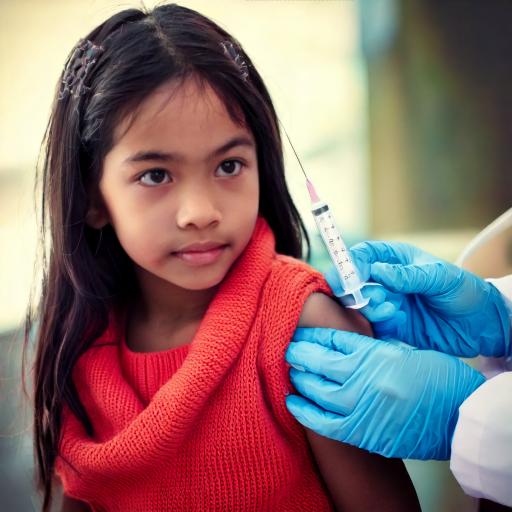
    Kid getting influenza vaccine

    1. The Importance of Vaccines: COVID, Influenza, and RSV

    Each year, millions of people are affected by COVID-19, influenza, and RSV, all of which can cause severe complications, especially in vulnerable populations like older adults, young children, and individuals with pre-existing health conditions. These viruses often have overlapping symptoms but require separate vaccinations for adequate protection.

    While influenza and RSV tend to peak in the fall and winter months, COVID-19 remains a year-round concern, with potential seasonal surges. Vaccines not only help prevent severe illness but also reduce the overall transmission of these viruses, protecting both you and the community.


    2. When to Get Your Influenza Vaccine

    The influenza vaccine is best administered before flu season begins, ideally in late September or October. This ensures that your body has enough time to develop immunity before the virus starts spreading widely. According to the CDC, influenza season typically peaks between December and February, so getting vaccinated early is crucial to ensure protection throughout the season.

    However, if you miss the early window, it’s still beneficial to get vaccinated later in the season. The vaccine takes about two weeks to become fully effective, so aim to get your flu shot as soon as possible if you haven’t already.


    3. Planning Your COVID-19 Vaccine and Boosters

    As COVID-19 continues to evolve with new variants, staying up to date with your vaccines and boosters is essential. The COVID-19 booster is typically recommended during the fall, aligning with influenza season. Experts suggest getting your COVID-19 shot in early fall, around September or October, to ensure your immunity is at its peak during the colder months when indoor gatherings increase transmission risks.

    For those who are at high risk, including older adults and individuals with chronic health conditions, getting the latest booster shot can provide an extra layer of protection against severe illness.


    4. RSV Vaccine: Who Needs It and When?

    In recent years, RSV (Respiratory Syncytial Virus) has gained more attention due to its severe impact on infants, the elderly, and those with compromised immune systems. In 2023, the first RSV vaccine was approved for adults aged 60 and older, offering protection against a virus that can cause serious respiratory issues.

    RSV typically circulates during the fall and winter months, making early fall (September or October) the ideal time to get vaccinated, especially for older adults and those in long-term care settings.


    5. Can You Get COVID, Influenza, and RSV Vaccines Together?

    The good news is that it’s safe to receive the COVID-19, influenza, and RSV vaccines during the same visit. This approach is convenient for people looking to minimize doctor visits while ensuring full protection. However, it’s important to consult with your healthcare provider to determine the best vaccination schedule based on your age, health status, and risk factors.

    While side effects like fatigue, soreness, or mild fever may be experienced, these typically resolve within a few days, and the protection offered far outweighs the temporary discomfort.


    6. Special Considerations for High-Risk Groups

    Certain groups, including pregnant women, older adults, young children, and individuals with chronic illnesses, are more vulnerable to severe complications from COVID-19, influenza, and RSV. These individuals should prioritize vaccinations early in the season and follow specific guidelines provided by healthcare professionals.

    • Pregnant women: The influenza and COVID vaccines are highly recommended during pregnancy as they protect both the mother and the baby. The flu vaccine can be administered at any point during pregnancy, while COVID-19 boosters are recommended in the second or third trimester.
    • Children: Infants and toddlers are particularly susceptible to RSV, and ensuring timely vaccination or preventive measures is crucial during the fall and winter months.
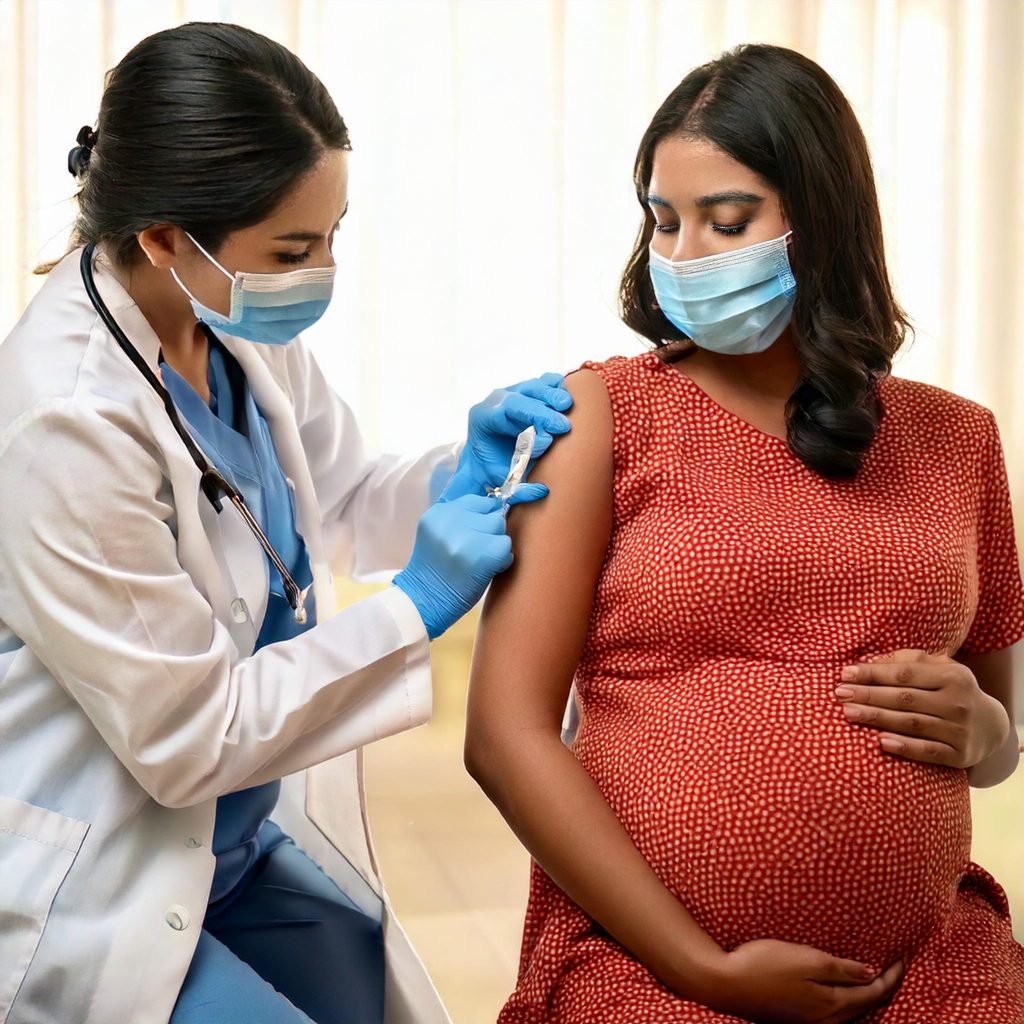
    pregnant women getting vaccination

    7. How to Maximize Vaccine Effectiveness

    While vaccines are your first line of defense against COVID, influenza, and RSV, there are additional steps you can take to maximize your immunity:

    • Stay Hydrated: Drinking plenty of water helps your body respond better to vaccinations.
    • Eat a Balanced Diet: A diet rich in fruits, vegetables, and lean proteins can help strengthen your immune system.
    • Rest: Ensure you get enough sleep before and after getting vaccinated to help your body recover and build immunity.
    • Monitor Side Effects: Mild side effects are common after vaccination, but if you experience anything more severe, contact your healthcare provider.

    Conclusion: Protect Yourself This Season, Start Now!

    In preparation for the upcoming fall and winter, now is the perfect time to plan your COVID, influenza, and RSV vaccines. Each vaccine plays a crucial role in protecting you from serious respiratory infections, and the sooner you get vaccinated, the better prepared you’ll be. Whether you’re in a high-risk group or simply want to stay healthy, taking proactive steps to schedule your vaccinations will ensure you’re protected as we head into colder months.

    At SimpleeKare Health, we’re here to help you stay on top of your vaccinations. Contact us today to schedule an appointment for your COVID, influenza, or RSV vaccine and take control of your health this season.

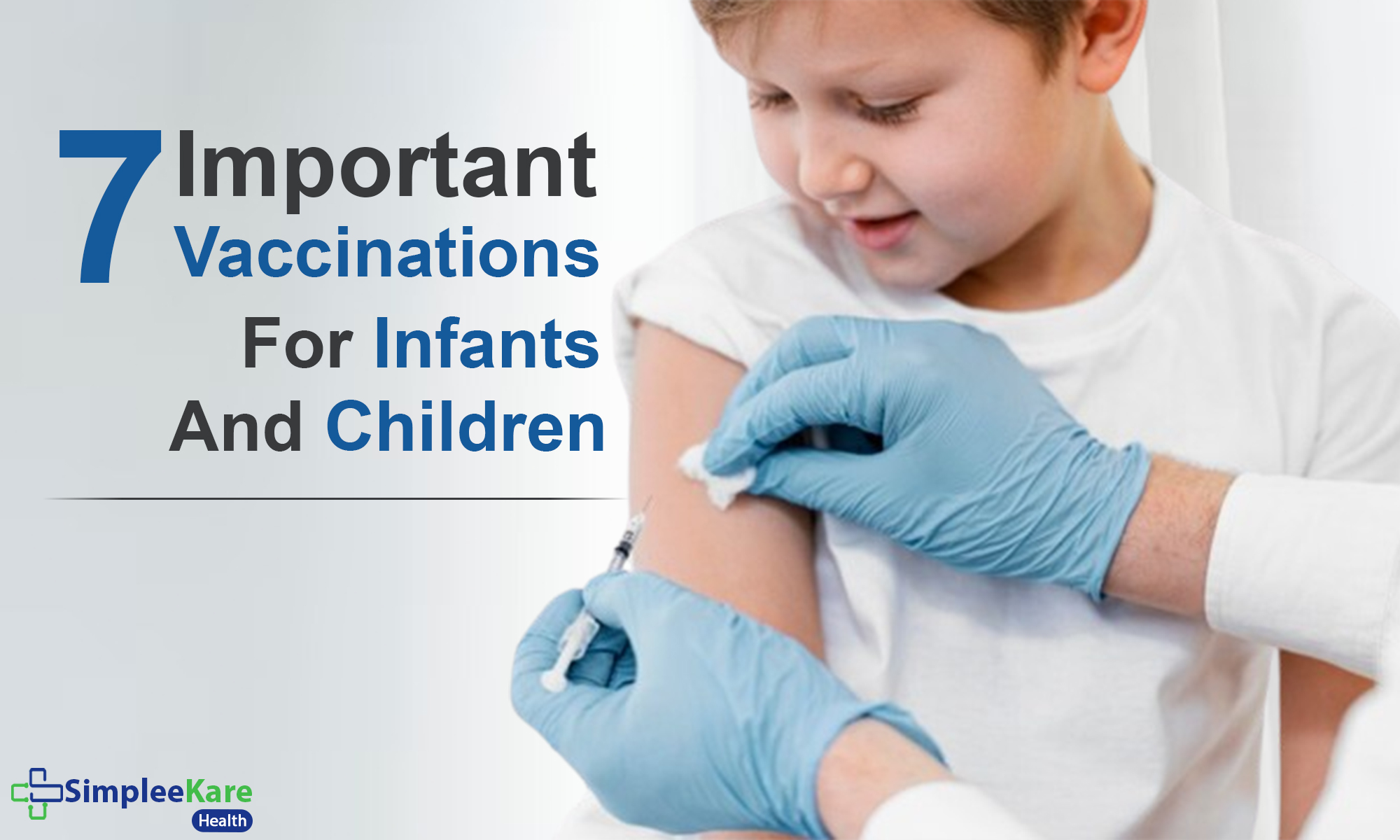
  • Safeguarding Smiles: 7 Important Vaccinations for Infants and Children with SimpleeKare

    Safeguarding Smiles: 7 Important Vaccinations for Infants and Children with SimpleeKare

    Introduction:

    As parents, nothing is more precious than the health and well-being of our little ones. Ensuring their protection from preventable diseases is a top priority. At SimpleeKare, we understand the importance of immunizations in laying a strong foundation for a healthy future. In this blog post, we’ll guide you through seven crucial vaccinations for infants and children, emphasizing the role they play in safeguarding your child’s health.

    1. BCG (Bacillus Calmette-Guérin) Vaccine:
    • Protects against tuberculosis.
    • Administered soon after birth, this vaccine is vital in regions with a higher prevalence of TB.
    1. Hepatitis B Vaccine:
    • Guards against hepatitis B, a viral infection affecting the liver.
    • Administered shortly after birth and completed in a series of doses, Hepatitis-B Vaccine provides long-term protection.
    1. DTaP (Diphtheria, Tetanus, and Pertussis) Vaccine:
    • Shields against three serious diseases: diphtheria, tetanus, and pertussis (whooping cough).
    • Administered in a series of doses, this vaccine ensures comprehensive protection.
    1. Hib (Haemophilus influenzae type b) Vaccine:
    • Provides protection against Hib bacteria, which can cause severe diseases like meningitis.
    • Administered in multiple doses, it’s a crucial component of routine immunization.
    1. Polio Vaccine:
    • Immunizes against the poliovirus, preventing polio, a highly infectious disease.
    • Administered in several doses, this vaccine aids in the global effort to eradicate polio.
    1. MMR (Measles, Mumps, and Rubella) Vaccine:
    • Guards against three viral infections: measles, mumps, and rubella.
    • Administered in two doses, this vaccine ensures immunity against these contagious diseases.
    1. Varicella (Chickenpox) Vaccine:
    • Protects against the varicella-zoster virus, preventing chickenpox.
    • Administered in two doses, it’s a key component in reducing the impact of this common childhood illness.

    Conclusion:

    At SimpleeKare, we believe in the power of prevention through timely vaccinations. These seven essential vaccines form the foundation of a comprehensive immunization schedule for infants and children. By staying informed and ensuring your child receives these vaccinations on schedule, you’re not just protecting them – you’re contributing to the overall well-being of the community. Let’s work together to keep those smiles bright and healthy. For more personalized guidance on your child’s vaccination schedule, consult with our pediatricians at SimpleeKare in Bhubaneswar, Cuttack and Vizag. Your child’s health, our priority.

    For more details Contact Us, Our team will assist you.

  • Hepatitis-B Vaccine

    Hepatitis-B Vaccine

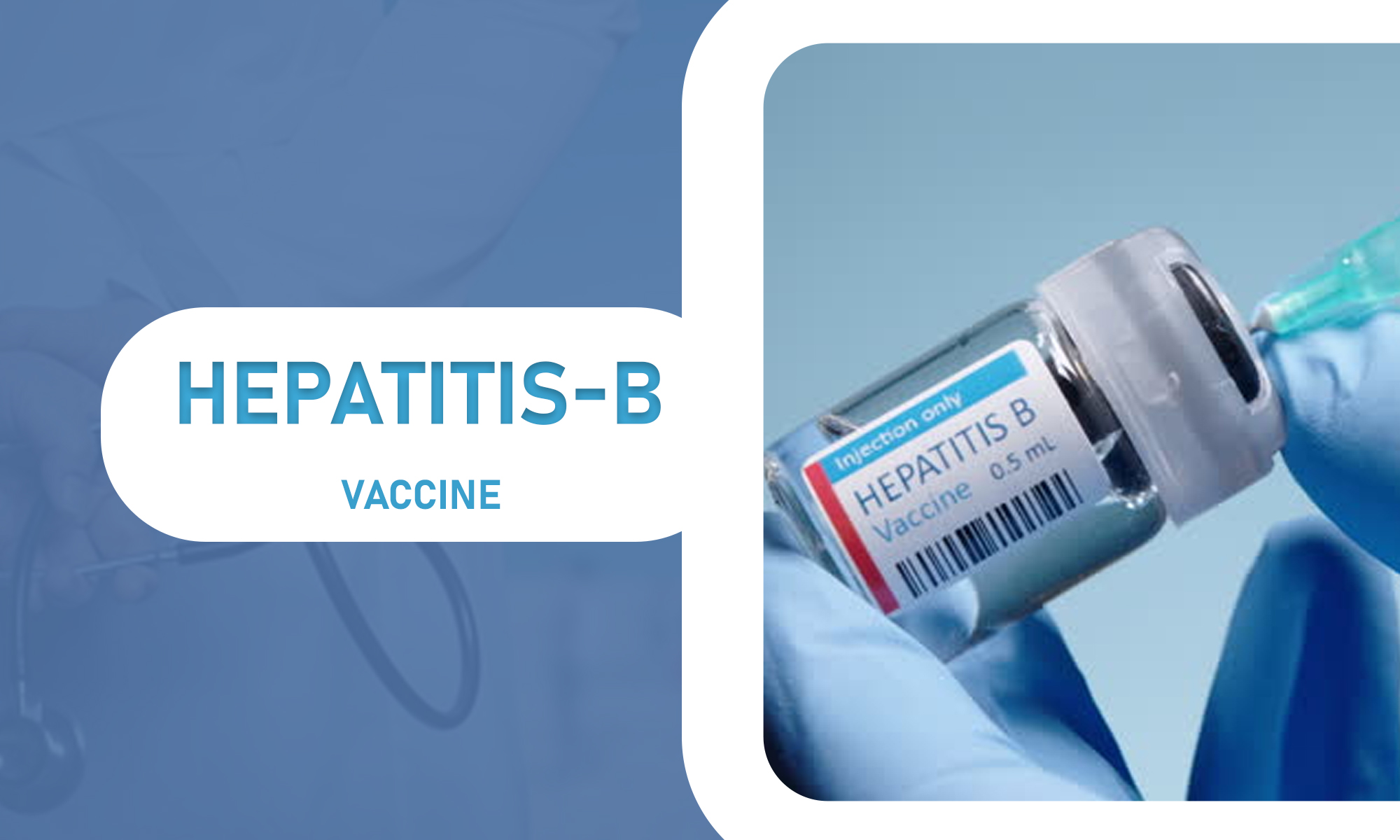
    HEPATITIS-B VACCINATION

    The Hepatitis B vaccine stands as a critical shield against the viral menace of Hepatitis B, a potentially severe liver infection. This preventive measure is composed of a non-infectious part of the virus, known as the surface antigen (HBsAg), which stimulates the immune system to produce antibodies. This immune response creates a safeguard against Hepatitis B infection.

    BEFORE USING:

    Before initiating the Hepatitis B vaccination, consider the following:

    • Medical History: Discuss your medical history, especially any previous adverse reactions to vaccines, with your healthcare provider.
    • Allergies: Notify your healthcare provider of any known allergies, ensuring that potential allergic reactions can be monitored.
    • Pregnancy: Inform your healthcare provider if you are pregnant, as the vaccine’s safety during pregnancy should be evaluated on an individual basis.

    PROPER USE:

    Administered through a series of injections, the Hepatitis B vaccine follows a recommended schedule:

    • Initiation in Infancy: The primary series often begins with the first dose given at birth, followed by subsequent doses at specified intervals.
    • Three-Dose Schedule: Typically, the vaccine follows a three-dose schedule, ensuring robust immunity against Hepatitis B.
    • Catch-Up Vaccinations: For those who missed the initial doses, catch-up vaccinations are available, with adjustments based on individual circumstances.

    PRECAUTIONS:

    While the Hepatitis B vaccine is generally safe, precautions should be observed:

    • Allergic Reactions: Monitor for signs of severe allergic reactions, such as difficulty breathing or swelling, and seek immediate medical attention if they occur.
    • Interaction with Other Vaccines: Consult with your healthcare provider about potential interactions with other vaccines, ensuring a comprehensive vaccination plan.
    • Pre-existing Conditions: Individuals with certain pre-existing conditions should consult their healthcare provider to assess the appropriateness of vaccination.

    SIDE EFFECTS:

    Common side effects are typically mild and transient:

    • Soreness at Injection Site: Mild discomfort at the injection site is common and usually temporary.
    • Low-Grade Fever: A low-grade fever might occur as a normal response to the vaccine.
    • Severe Allergic Reactions (Rare): While rare, severe allergic reactions can occur. Seek immediate medical attention if symptoms such as difficulty breathing or swelling develop.

    Why Get Vaccinated Against Hepatitis B?

    • Prevention of Liver Disease: Hepatitis B vaccination significantly reduces the risk of chronic liver disease, cirrhosis, and liver cancer associated with Hepatitis B infection.
    • Protecting Loved Ones: Vaccination not only protects the individual but also prevents the spread of Hepatitis B to family and community members.

    Talk with Your Healthcare Provider:

    • Individualized Guidance: Your healthcare provider can offer personalized advice based on your health history and individual circumstances.
    • Addressing Concerns: Discuss any concerns or questions about the vaccine, ensuring you have a clear understanding of its benefits and potential risks.

    SimpleeKare Health Vaccination:

    At SimpleeKare, we prioritize your health and well-being. Our comprehensive vaccination services, including the Hepatitis B vaccine, are designed to provide easy access to preventive healthcare. With a commitment to excellence, our healthcare professionals ensure that your vaccination experience is seamless and tailored to your individual health needs. Trust SimpleeKare for a proactive approach to your health, because a healthier tomorrow begins with the right vaccinations today.

    Conclusion:

    The Hepatitis B vaccine is a potent tool in preventing the spread of Hepatitis B and safeguarding individual and public health. Understanding its description, proper use, precautions, reasons for vaccination, and potential side effects empowers individuals to make informed decisions about their health. Regular consultations with healthcare providers ensure that vaccination plans align with individual health needs, contributing to a healthier, hepatitis-free future.