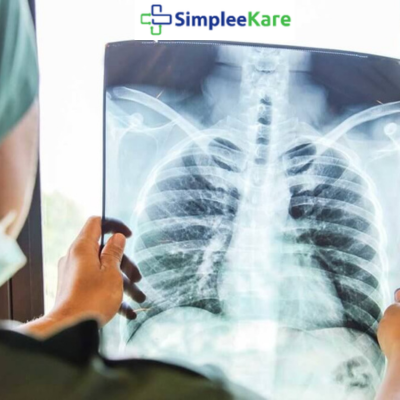
X-rays are one of the most common and useful diagnostic tools in modern healthcare. They help doctors get a clear view of bones, tissues, and certain internal organs, making it easier to diagnose injuries, detect illnesses, and plan treatments. AtSimpleeKare, we provide safe, accurate, and affordable X-ray services to ensure you receive the right diagnosis at the right time.
🔹 What is an X-Ray?
An X-ray is a painless imaging test that uses electromagnetic waves to create pictures of the inside of your body. The images produced, often called radiographs, can reveal the condition of bones, joints, and even certain soft tissues.
🔹 Common Uses of X-Rays
X-rays are widely used in different areas of healthcare, including:
Bone fractures – Detecting breaks, cracks, or dislocations.
Dental care – Identifying cavities, tooth infections, and jaw problems.
Chest X-rays – Checking for lung infections, pneumonia, tuberculosis, or heart conditions.
Abdominal issues – Detecting kidney stones or digestive tract blockages.
Orthopedic care – Evaluating arthritis, joint injuries, or bone deformities.
🔹 How to Prepare for an X-Ray
Preparation for an X-ray is usually minimal. In most cases:
You may be asked to remove jewelry, belts, or metal objects as they can interfere with the image.
Depending on the type of X-ray, you may need to wear a hospital gown.
For certain abdominal X-rays, you might be instructed to avoid eating or drinking a few hours before the test.
Pregnant women should always inform their doctor or technician before undergoing an X-ray for safety reasons.
🔹 Cost of X-Rays in India
The cost of an X-ray varies depending on the body part being examined and the healthcare provider. On average, X-rays can cost between ₹250 to ₹1,500. At SimpleeKare, we ensure affordable pricing without compromising on quality and accuracy. Patients can also book X-rays with home sample collection and online reports, making the process hassle-free.
🔹 Why Choose SimpleeKare for X-Rays?
✅ Advanced imaging technology for accurate results
X-rays are a quick, safe, and effective way to diagnose various medical conditions. If your doctor recommends an X-ray, you can trust SimpleeKare to provide reliable and cost-effective diagnostic services.
Back pain, neck pain, and spine-related disorders have become increasingly common due to modern lifestyles, poor posture, and long working hours. If left untreated, these conditions can severely affect mobility, daily activities, and quality of life. SimpleeKare Health is one of the best spine and pain hospitals in Bhubaneswar that offers advanced diagnosis, minimally invasive treatments, and world-class rehabilitation services for patients of all ages.
Why Choose a Specialized Spine and Pain Hospital?
A specialized spine and pain hospital focuses exclusively on diagnosing, treating, and preventing disorders of the spine and associated nerves. The key benefits of choosing such a hospital include:
If you are struggling with chronic back pain, neck pain, or any spine-related condition, timely diagnosis and specialized care can make a world of difference. The best spine and pain hospitals in Odisha offer cutting-edge medical technology, expert doctors, and personalized care to help you regain mobility and live a pain-free life.
Whether you require surgery or non-surgical treatment, consult a reputed spine and pain hospital for the right solution. Your spine health is the foundation of your overall well-being—invest in it today for a healthier tomorrow.
If you’re looking for the best spine and pain hospital in Odisha, trust our team to deliver advanced treatment, compassionate care, and lasting relief. With the expertise of Dr. Nabin Kumar Sahu, a specialist in Spine and Arthroplasty with an Endoscopic Spine Fellowship, you can be assured that your health is in the best hands.
What is Cholera? A Doctor’s Guide to Staying Safe in 2025
Cholera is a potentially fatal bacterial disease affecting 1 to 4 million people annually, causing up to 143,000 deaths worldwide. Odisha has recently faced a severe cholera outbreak, with 24 deaths and over 2,500 people affected across nine districts.
Caused by the bacterium Vibrio cholerae, cholera spreads through contaminated food and water, particularly in areas with poor sanitation. While many infected people remain asymptomatic, the disease can lead to severe dehydration and death without timely treatment.
In this guide, we’ll cover the causes, symptoms, prevention strategies, and treatment options to help you and your community stay safe—especially during monsoon season when the risk in Odisha rises sharply.
How Cholera Spreads
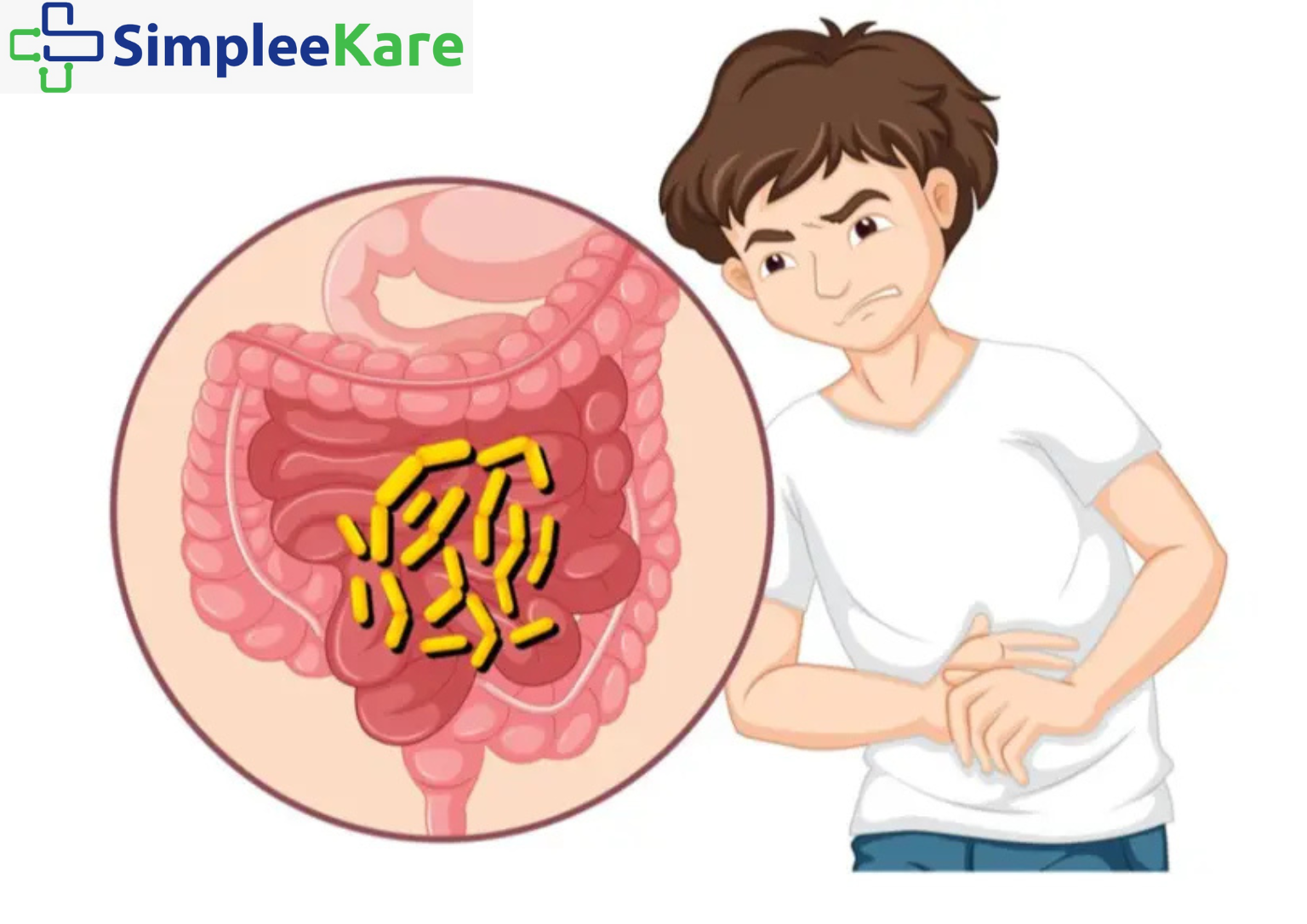
Cholera is caused by the Vibrio cholerae bacterium, which infects the small intestine and produces toxins that trigger massive water loss from the body.
Infection Process
After ingestion, the bacteria attach to the intestinal lining, releasing toxins that block normal fluid absorption. This leads to rapid dehydration and loss of vital electrolytes. Symptoms can appear within 12 hours to 5 days of exposure.
Common Sources of Contamination
Contaminated water – especially from public sources, wells, or floodwater
Raw or undercooked seafood – especially shellfish from polluted areas
Raw fruits/vegetables – grown or washed with contaminated water
Street food – particularly if hygiene standards are poor
Cooked grains like rice – left at room temperature for too long
The risk of cholera outbreaks increases in Odisha during monsoons, when flooding contaminates water sources.
Is Cholera Bacterial or Viral?
Cholera is a bacterial infection caused by toxigenic Vibrio cholerae strains, particularly serogroups O1 and O139. It does not spread through coughing or touching but requires ingestion of contaminated food or water.
Recognizing Symptoms
Early detection of cholera can save lives. Most cases are mild or asymptomatic, but about 1 in 10 people develop severe illness.
Common Symptoms
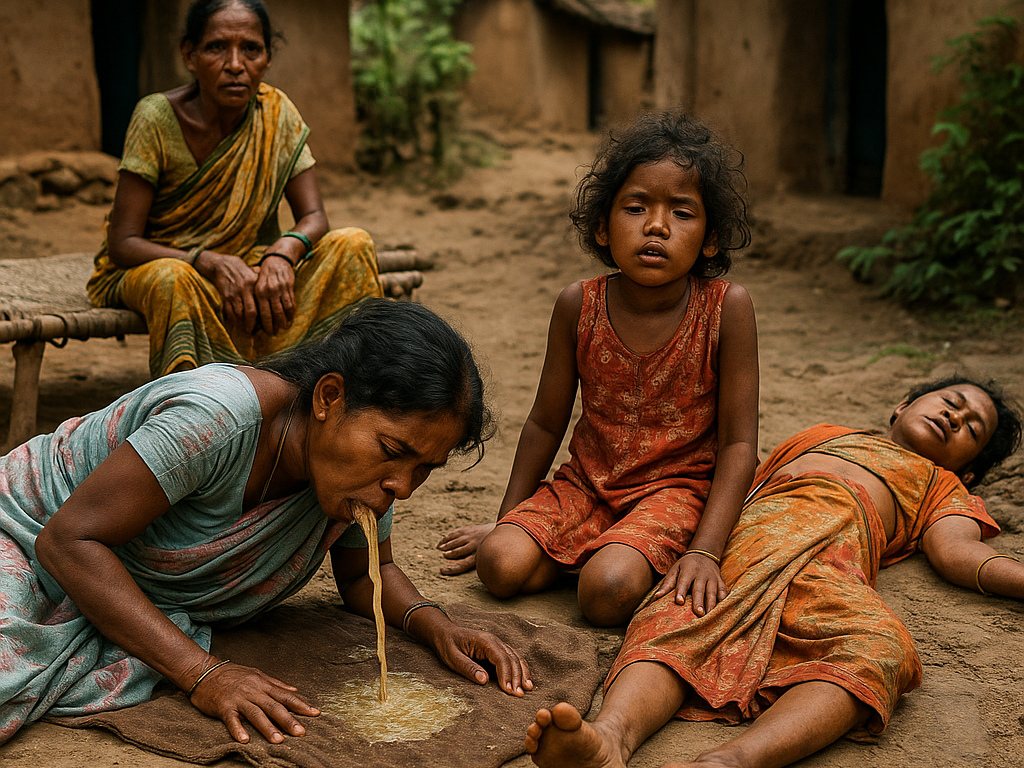
Sudden onset of watery diarrhea (“rice-water” appearance)
Severe dehydration can cause death in under 12 hours without treatment.
Cholera Symptoms in Children
Children often have the same symptoms as adults but are more vulnerable to complications:
Faster heart rate
Lethargy or sleepiness
Sunken eyes or absence of tears
Risk of hypoglycemia (low blood sugar), which may lead to unconsciousness
Parents in Odisha should be especially vigilant during monsoon months.
Prevention: Stay Protected in 2025
Safe Water Practices
Boil water for at least 1 minute before drinking
Use chlorine tablets or approved purification solutions
Use filters with 0.3-micron pores or smaller
Store water in clean, covered containers
Food Hygiene Tips
Follow: “Boil it, peel it, or leave it”
Cook food thoroughly, especially seafood
Peel fruits and avoid eating raw unpeeled items
Reheat leftovers fully before eating
Handwashing Matters
Wash hands with soap and water before eating or preparing food
Wash after using toilets, cleaning children, or caring for the sick
Use 60%+ alcohol sanitizers if soap isn’t available
Community Sanitation
Use toilets or dig temporary latrines away from water sources
Don’t bathe or wash near drinking water points
Support local drives to chlorinate water tanks and promote hygiene
Cholera Vaccination in Bhubaneswar : Who Needs It?
Oral cholera vaccines like Dukoral®, Euvichol-Plus®, and Vaxchora® offer short-term protection and are recommended for:
Residents of outbreak-prone areas
People in humanitarian crisis zones
Travelers to endemic regions
However, vaccines are not a substitute for clean water and hygiene.
Cholera Treatment & Emergency Actions
Oral Rehydration Solution (ORS)
ORS is the first line of treatment. It replaces lost fluids and electrolytes and can be made at home:
Mix 6 tsp sugar + ½ tsp salt in 1 liter of boiled water
Children aged 6 months to 5 years should also receive zinc supplements for faster recovery.
Antibiotics
Used in moderate to severe cases, antibiotics like:
Doxycycline
Azithromycin
Ciprofloxacin
These reduce fluid loss and shorten illness duration.
Intravenous (IV) Fluids
For those who lose over 10% of body weight in fluids, IV rehydration is necessary. Ringer’s lactate is typically used to restore electrolytes and prevent shock.
What to Do if Symptoms Appear ?
Start ORS immediately, even en route to a clinic
Avoid sugary drinks – they worsen diarrhea
Continue breastfeeding for infants
Get medical help as soon as possible
Precautions During an Outbreak
Share verified information via radio, texts, or social media
Healthcare workers should use gloves, masks, and follow hand hygiene
Monitor symptoms closely in children and elderly
Travel Tips to High-Risk Areas
Carry ORS packets, chlorine tablets, and bottled water
Avoid raw food or unsealed water
Remember: “Boil it, cook it, peel it, or forget it“
Conclusion: Simple Steps Can Save Lives
Cholera continues to be a serious threat during Odisha’s monsoon season. But with basic preventive steps—like boiling water, practicing hygiene, and seeking early treatment—it can be controlled.