Finding a reliable urology hospital in India is crucial for managing urinary tract disorders, kidney diseases, prostate issues, and other urological conditions. The right hospital not only provides expert medical care but also ensures patient comfort, accurate diagnosis, and advanced treatment options. At SimpleeKare Health, we help you connect with India’s top urology hospitals, ensuring world-class treatment and compassionate care.
Why Choose the Best Urology Hospital?
Urology hospitals specialize in disorders of the urinary system and male reproductive organs. Patients seek these hospitals for conditions such as kidney stones, urinary tract infections (UTIs), prostate enlargement, incontinence, and cancer management. A top urology hospital in Indiatypically offers:
Expert Urologists & Surgeons: Highly skilled specialists trained in both traditional and minimally invasive urology procedures.
State-of-the-Art Technology: Advanced imaging, diagnostic labs, and robotic-assisted surgical systems for precise treatment.
Comprehensive Patient Care: From initial consultation to post-operative follow-up and preventive care.
24×7 Emergency Services: Prompt treatment for critical urological conditions like urinary obstruction or acute kidney issues.
How SimpleeKare Health Assists You
At SimpleeKare Health, we simplify your healthcare journey by connecting you with India’s best urology hospitals. Our services include:
✔️ Trusted Hospital Recommendations: Identify accredited and well-reviewed urology hospitals across India. ✔️ Seamless Appointment Booking:Schedule consultations with top urologists without hassle. ✔️ Patient-Centric Support: Receive guidance on treatment plans, procedures, and follow-ups. ✔️ Access to Comprehensive Care: Whether it’s kidney stones, prostate treatment, or advanced surgeries, we guide you to the right hospital for your needs.
Your Health, Our Priority
Choosing the right urology hospital can significantly impact your health and recovery. With SimpleeKare Health, patients gain access to India’s leading urology specialists and hospitals, ensuring safe, effective, and timely treatment. Trust SimpleeKare to navigate your healthcare journey and connect you with expert care tailored to your needs.
📞 Call Us Today – +91 9776414444 +91 6371966229SimpleeKare Health,Your health is our priority.
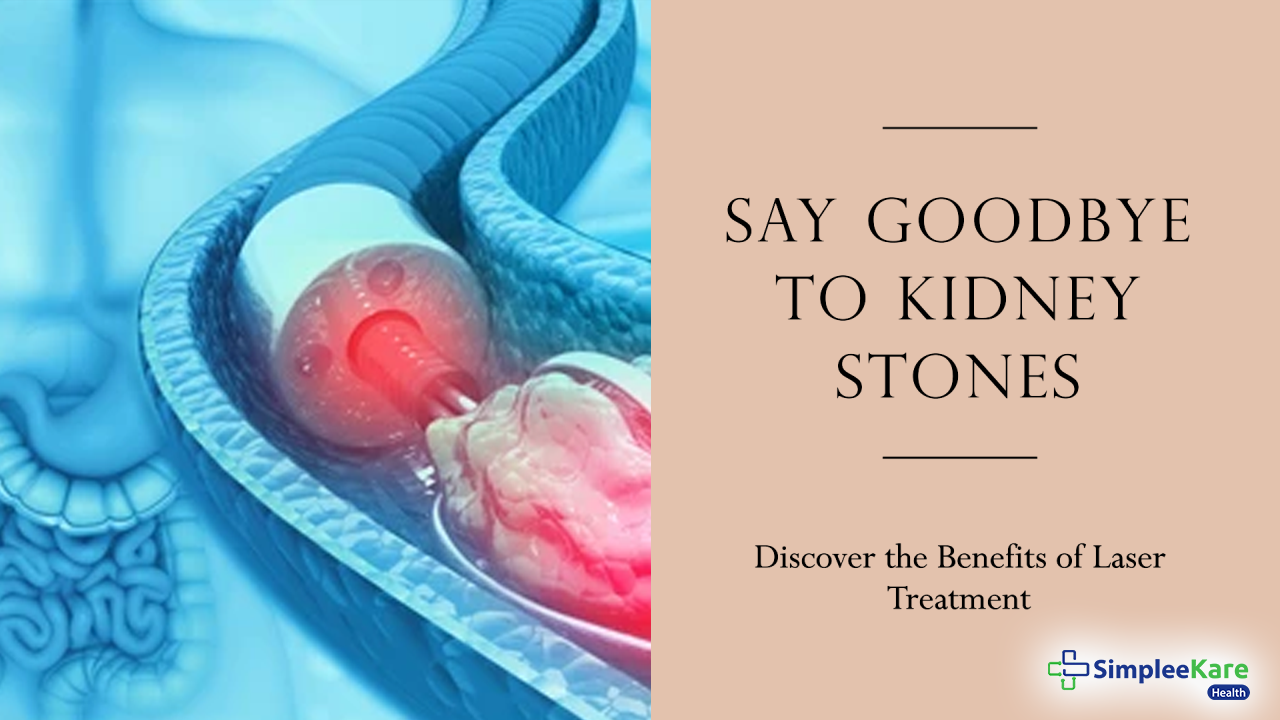
Kidney stones are a common and painful condition affecting many individuals. They can cause severe discomfort and lead to serious health issues if not treated properly. One of the most effective treatments available today is laser treatment. In this guide, we will explore what kidney stones are, the symptoms, why laser treatment is required, why it is preferred, and the procedures involved.
Understanding Kidney Stones
Kidney stones are hard deposits of minerals and salts that form inside your kidneys. They can vary in size and may cause significant pain as they pass through the urinary tract. Common symptoms include:
Severe pain in the back or side
Pain during urination
Blood in the urine
Nausea and vomiting
Frequent urination
These are some of the signs that you should see a urologist. If you experience any of these symptoms, it’s crucial to seek medical attention promptly.
Why Laser Treatment is Required for Kidney Stones
Laser treatment, also known as laser lithotripsy, is an advanced procedure used for kidney stone removal. However, it’s not always the first line of treatment. Here’s when and why laser treatment might be required:
1. Size and Location of the Stones
Laser treatment is often recommended for kidney stones that are too large to pass naturally or are located in a position that makes natural passage difficult or impossible. Stones larger than 5 mm typically require medical intervention.
2. Failure of Other Treatments
In cases where other treatments, such as medication or shock wave lithotripsy, have failed to break down the stones, laser lithotripsy is considered an effective alternative. It’s particularly useful for stones that are resistant to these less invasive treatments.
3. Severe Symptoms
If kidney stones cause severe symptoms such as intense pain, frequent urinary tract infections, or obstructive uropathy (blockage in the urinary tract), immediate removal through laser treatment may be necessary to prevent further complications.
4. Recurrence of Kidney Stones
Patients with recurrent kidney stones might benefit from laser treatment as it allows for precise and complete removal of stones, reducing the risk of future stone formation.
5. Specific Composition of Stones
Certain types of kidney stones, such as those composed of cystine or calcium oxalate monohydrate, can be particularly hard and difficult to break with other methods. Laser lithotripsy is effective in breaking these tough stones into smaller fragments.
6. Patient Health and Preferences
Laser treatment may be chosen based on a patient’s overall health, preferences, and specific circumstances. It’s minimally invasive, reduces recovery time, and minimizes the risk of complications, making it a preferred choice for many.
Why Laser Treatment is Preferred
Laser treatment for kidney stones is preferred over other methods for several reasons:
1. Minimally Invasive
Laser lithotripsy is a minimally invasive procedure, which means it involves smaller incisions, less pain, and quicker recovery times compared to traditional surgery.
2. Precision
The laser used in lithotripsy can precisely target and fragment kidney stones without damaging surrounding tissues. This accuracy leads to better outcomes and fewer complications.
3. Effectiveness
Laser treatment is highly effective at breaking down even the hardest kidney stones, including those that do not respond well to other treatments. It reduces the stone into tiny fragments that can be easily passed through the urinary tract.
4. Shorter Recovery Time
Patients undergoing laser lithotripsy often experience shorter recovery times and can return to their normal activities more quickly than those who undergo more invasive procedures.
5. Reduced Need for Repeat Procedures
Because laser treatment is so effective at completely breaking down stones, there is a reduced need for repeat procedures, making it a cost-effective option in the long run.
Procedures Involved in Laser Treatment for Kidney Stones
Laser lithotripsy typically involves the following steps:
1. Preparation
Before the procedure, you may be asked to fast for several hours. You will be given anaesthesia to ensure you are comfortable and pain-free during the treatment.
2. Insertion of the Ureteroscope
A thin, flexible tube called a ureteroscope is inserted through the urethra and bladder into the ureter or kidney. The ureteroscope allows the kidney stone surgeon to view the stones directly.
3. Laser Fragmentation
Once the stone is located, a laser fiber is used to deliver high-energy laser pulses to the stone. The laser breaks the stone into small fragments that can be easily passed out of the body in the urine.
4. Removal of Fragments
In some cases, the fragments are too large to pass on their own. The surgeon may use special tools to remove the fragments through the ureteroscope.
5. Post-Procedure Care
After the procedure, you may experience mild discomfort or blood in the urine, which should resolve within a few days. Drinking plenty of water helps flush out any remaining fragments.
Is Laser Treatment Always Required for Kidney Stones?
Laser treatment is not always required for kidney stones. In many cases, kidney stones can be managed with conservative treatments such as increased fluid intake, dietary changes, and medication to help pass the stones naturally. Here are some scenarios where laser treatment might not be necessary:
Small Stones
Stones smaller than 5 mm often pass naturally without the need for surgical intervention. Adequate hydration and pain management are usually sufficient for these smaller stones.
Lack of Symptoms
Asymptomatic stones, or stones that do not cause any symptoms, may not require immediate treatment. Monitoring the stones with regular imaging and managing them conservatively can be an effective approach.
Successful Non-Invasive Treatments
For some patients, non-invasive treatments like medication to dissolve the stones or shock wave lithotripsy to break them up can be effective, eliminating the need for laser treatment.
Conclusion
Laser treatment for kidney stones offers a highly effective, minimally invasive solution for those suffering from this painful condition. However, it is not always necessary for every patient. The decision to use laser lithotripsy depends on the size, location, and composition of the stones, as well as the patient’s symptoms and overall health.
A Note from SimpleeKare
At SimpleeKare Health Hospital, we prioritize your health and well-being. Our team of experienced urologists, including some of the best in Bhubaneswar and across India, are dedicated to providing advanced and compassionate care. We utilize state-of-the-art facilities and the latest techniques to ensure the best outcomes for our patients. If you or a loved one is dealing with kidney stones, contact us today to schedule a consultation and learn more about the benefits of laser treatment.
Take control of your health and choose the best urology hospital in India for your kidney stone treatment needs. Your comfort and recovery are our top priorities.
Urologists are medical specialists who focus on the urinary tract and the male reproductive system. While some urinary issues may seem minor, they can be indicative of more serious health conditions.
Here are five signs that you should consult a urologist soon.
1. Persistent Urinary Tract Infections (UTIs)
UTIs are common, especially among women, but recurrent or persistent infections may signal an underlying issue. If you experience frequent UTIs, it’s essential to see a urologist. They can perform tests to determine the cause, such as kidney stones or structural abnormalities in the urinary tract. Ignoring recurrent UTIs can lead to more severe kidney infections and other complications, so timely diagnosis and treatment are crucial.
2. Blood in Urine
Finding blood in your urine, known as hematuria, is a concerning symptom that should never be ignored. Blood in urine can be a sign of various conditions, including urinary tract infections, kidney stones, or more serious issues like bladder or kidney cancer. A urologist can conduct necessary tests, such as urinalysis, imaging, and cystoscopy, to identify the cause and develop an appropriate treatment plan for Kidney stone surgery
3. Difficulty Urinating
Difficulty urinating can manifest as a weak urine stream, straining to urinate, or feeling like you can’t completely empty your bladder. These symptoms can be caused by an enlarged prostate in men, urinary tract infections, or bladder dysfunction. Seeing a urologist is essential to determine the cause and receive proper treatment, which may include medications or surgical interventions to alleviate symptoms and prevent complications.
4. Pain in the Lower Abdomen or Groin
Persistent pain in the lower abdomen, groin, or pelvic area can indicate several urological issues, including kidney stones, urinary tract infections, or bladder problems. This type of pain, especially if accompanied by other symptoms like fever or nausea, warrants a consult with a urologist. Early diagnosis and treatment can prevent further complications and alleviate discomfort.
5. Incontinence or Frequent Urination
Experiencing incontinence or an urgent and frequent need to urinate can significantly impact your quality of life. These symptoms can be due to various conditions, such as overactive bladder, urinary tract infections, or neurological disorders affecting bladder control. A urologist can provide a comprehensive evaluation and recommend treatments to manage these symptoms effectively, which may include medications, lifestyle changes, or surgical options.
Conclusion
Recognizing these signs and seeking timely medical advice from a urologist can lead to early diagnosis and effective treatment of underlying urological conditions. If you experience any of these symptoms, don’t hesitate to schedule an appointment with a top urologist. For those seeking the best urologist in Bhubaneswar or anywhere else in India, SimpleeKare connects you with the best urology hospitals and top specialists to ensure you receive the highest quality care.
A Note from SimpleeKare
At SimpleeKare, we understand the importance of specialized care for your urological health. Our network includes the best urology hospitals in India and top urologists in Bhubaneswar, dedicated to providing personalized and comprehensive care. If you have any concerns about your urinary health, contact us to schedule an appointment with one of our experienced urologists. Your health and well-being are our top priorities.
Circumcision is a surgical procedure with cultural, religious, and medical significance, involving the removal of the foreskin covering the head of the penis. In this article, we'll delve into the fundamentals of circumcision, exploring the process, its associated benefits and risks, and guidance on finding a urologist for circumcision.
What is Circumcision?
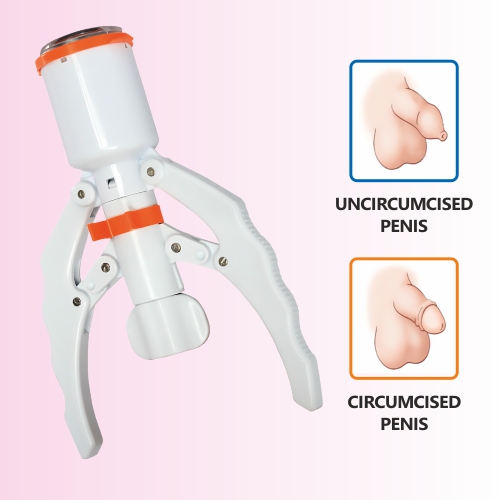
Circumcision is the surgical removal of the foreskin, the fold of skin covering the head of the penis. This practice holds cultural, religious, and medical relevance, with motivations varying widely.
How is Circumcision Done?
Typically performed in a hospital or clinic, circumcision is carried out under local or general anesthesia. Various techniques exist, including the Gomco clamp, Plastibell method, and Mogen clamp. The choice of method often depends on the patient’s age and the surgeon’s preference.
Read reviews and ratings from previous patients for informed decision-making.
Cost of Circumcision:
The cost of circumcision, including phimosis surgery, can vary based on factors such as the facility, surgeon’s fees, and additional expenses like anesthesia. Discuss the cost with your urologist beforehand and check with your insurance provider for coverage details.
Understanding the basics of ZSR circumcision cost in Bhubaneswar empowers individuals to make informed decisions regarding this significant surgical procedure. Whether driven by cultural, religious, or medical considerations, consulting with a qualified urologist is essential for personalized guidance and care.
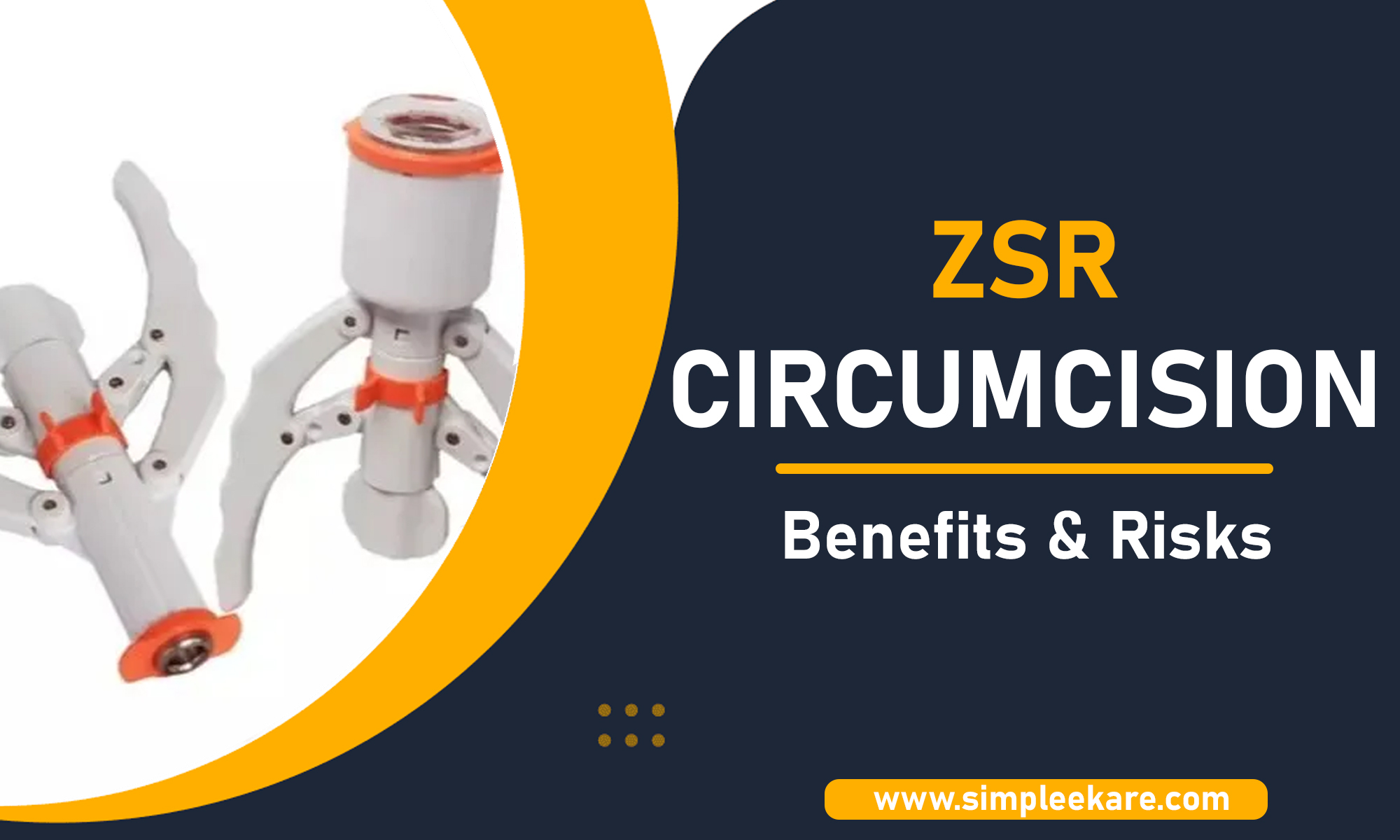
ZSR circumcision is rapidly gaining popularity in Bhubaneswar, Odisha, as a minimally invasive and highly effective option. Offering a virtually painless experience, it provides a smoother recovery and fewer complications than traditional circumcision techniques.
Advantages of ZSR Circumcision:
Faster Recovery Time:
Transition back to regular activities within days, thanks to the minimally invasive nature of ZSR circumcision.
Painless Procedure:
Experience comfort with a virtually painless procedure, completed in less than an hour for an efficient recovery.
Patients typically discharged within 1-2 hours post-procedure.
Schedule a consultation with a qualified urologist to discuss the procedure, address any concerns, and determine if ZSR circumcision is suitable for you.
Preparation:
On the day of the procedure, follow pre-operative instructions provided by the urologist, which may include fasting for a specified period.
Procedure:
ZSR circumcision involves using a specialized device that clamps and removes the foreskin without the need for incisions or sutures.
The procedure typically takes less than an hour, ensuring a quick and efficient experience.
Recovery:
After the procedure, patients are monitored for a brief period before being discharged, usually within 1-2 hours.
Follow post-operative care instructions diligently for a smooth recovery.
Risks Associated with ZSR Circumcision:
Although a phimosis clinic near me offers several benefits, it’s equally important to consider the potential risks
Infection:
Low risk, particularly with diligent adherence to post-operative instructions.
Pain or Discomfort:
Manage any potential discomfort with over-the-counter medications.
Bleeding:
Enjoy reduced bleeding, making ZSR circumcision a suitable option even for those with specific medical conditions.
Uneven or Excessive Skin Removal:
Rare instances require corrective measures, emphasizing the importance of thorough consultations.
Conclusion:
Opting for ZSR circumcision in Bhubaneswar, Odisha, aligns seamlessly with the pursuit of an effective and painless solution. Understanding the cost aspect and the step-by-step process enhances the decision-making process. As with any medical decision, prospective individuals should engage in detailed discussions with a qualified urologist, ensuring a tailored approach to wellness.