Category: Surgery

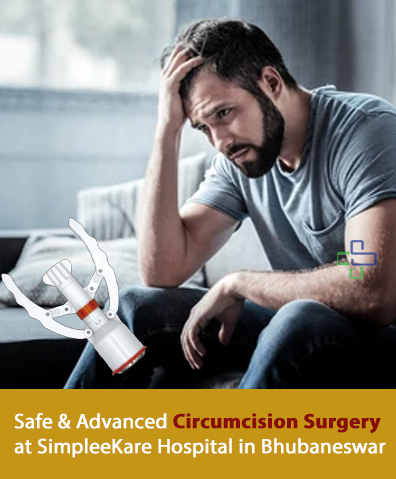
  • Safe & Advanced Circumcision Surgery at SimpleeKare Hospital in Bhubaneswar

    Safe & Advanced Circumcision Surgery at SimpleeKare Hospital in Bhubaneswar

    In today’s world, modern surgical techniques ensure safer and more comfortable medical procedures. phimosis surgery hospital near me is one such procedure that can be necessary for medical, personal, or religious reasons. At SimpleeKare Hospital, we offer advanced circumcision solutions, including the latest ZSR circumcision in Bhubaneswar, ensuring a painless and efficient experience. Whether you need circumcision for phimosis treatment or other medical concerns, our expert doctors provide safe and reliable care.

    Why Choose SimpleeKare for Circumcision Surgery in Bhubaneswar?

    Here’s why patients in Bhubaneswar trust SimpleeKare for circumcision and phimosis treatment:

    • Advanced phimosis surgery bhubaneswar: We offer the latest ZSR stapler circumcision, a minimally invasive, bloodless, and painless procedure ensuring quick recovery.
    • Expert Surgeons: Our experienced urologists and surgeons provide safe and effective phimosis clinic near me – Simpleekare health
    • Painless & Stitchless Procedure: With advanced technology, our circumcision treatments ensure minimal discomfort and faster healing.
    • Same-Day Discharge: Get treated and return home on the same day with our daycare circumcision surgery.
    • Affordable & Transparent Pricing: SimpleeKare offers cost-effective phimosis treatment and circumcision surgery without compromising quality.
    • Comprehensive Post-Surgery Care: We provide detailed aftercare guidance and follow-up consultations to ensure a smooth recovery.

    Understanding Phimosis and Its Treatment

    Phimosis is a condition where the foreskin is too tight to be pulled back over the glans of the penis. If left untreated, it can cause discomfort, infections, and urinary problems. At SimpleeKare, we offer effective phimosis treatment in Bhubaneswar, including both medical and surgical options such as:

    • Medication & Stretching Exercises: For mild cases, topical creams and foreskin stretching techniques can help.
    • Preputioplasty: A surgical alternative that preserves the foreskin while resolving tightness.
    • tight foreskin home solution: The most effective solution for recurrent phimosis, balanitis, or other complications.
    • phimosis surgery bhubaneswar : A modern, painless, and bloodless circumcision technique with faster recovery and excellent cosmetic results.

    Benefits of ZSR Circumcision in Bhubaneswar

    ZSR circumcision is a revolutionary stapler-based technique that offers numerous advantages over traditional circumcision:

    • Painless & Bloodless Procedure: Uses a specialized stapler to remove the foreskin with minimal bleeding.
    • Quick Healing: Faster recovery compared to conventional methods, with most patients resuming normal activities within a few days.
    • Better Aesthetic Results: Provides a clean and even incision with superior cosmetic outcomes.
    • Minimal Risk of Infection: The stapler method reduces post-surgical complications and infections.
    • Outpatient Surgery: The procedure is completed in just 15–30 minutes, and patients can return home the same day.

    Why Consider Circumcision?

    Circumcision is recommended for various reasons, including:

    • Medical Needs: Treatment for phimosis, balanitis, recurrent infections, or paraphimosis.
    • Hygiene Benefits: Easier genital hygiene, reducing the risk of infections and STDs.
    • Religious or Cultural Reasons: Circumcision is practiced in many cultures and religions worldwide.
    • Improved Sexual Health: Studies suggest circumcision may lower the risk of certain infections and improve comfort.
    stapler / zsr circumcision surgery

    How to Book Your Circumcision Surgery in Bhubaneswar

    Booking your circumcision procedure at SimpleeKare is easy and convenient:

    Still have questions? Watch our doctor explain everything about phimosis and ZSR circumcision:

    If you’re looking for safe, advanced, and affordable circumcision surgery in Bhubaneswar, SimpleeKare Health is your trusted partner. Our expert team ensures a seamless experience with the latest techniques like ZSR circumcision. Don’t let phimosis or related conditions affect your quality of life—schedule your consultation today and take the first step toward better health!

    Looking for a Circumcision Hospital Near Me? Visit SimpleeKare for Expert Phimosis Care

  • Ingrown Toenails: Causes, Pain Relief, and When to See a Specialist

    Ingrown Toenails: Causes, Pain Relief, and When to See a Specialist

    An ingrown toenail can be a frustrating and painful condition that affects people of all ages. Whether it’s a mild annoyance or a more severe issue, understanding the causes, effective pain relief methods, and when to seek help from an ingrown toenail specialist is essential. In this blog, we’ll cover everything you need to know about ingrown toenails and how to manage them.

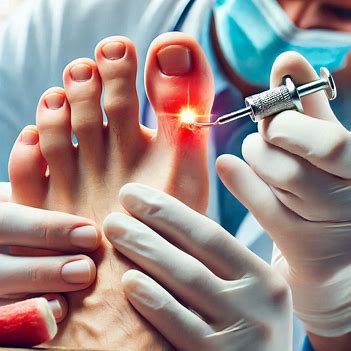
    Ingrown toenail removal surgery

    What is an Ingrown Toenail?

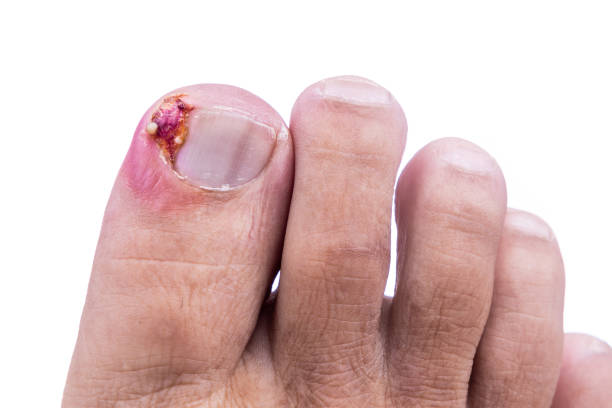
    An ingrown toenail occurs when the edge of a toenail grows into the surrounding skin, leading to redness, swelling, and discomfort. The big toe is most commonly affected, but this condition can occur on any toe.


    Ingrown Toenail Causes

    Several factors can contribute to the development of an ingrown toenail, including:

    1. Improper Nail Trimming
      Cutting nails too short or rounding the edges can encourage the nail to grow into the skin.
    2. Ill-Fitting Footwear
      Shoes that are too tight or narrow put excessive pressure on the toes, increasing the likelihood of an ingrown toenail.
    3. Genetics
      Some people are predisposed to ingrown toenails due to the natural shape or curvature of their nails.
    4. Trauma
      Stubbing your toe or injuring it can cause the nail to grow abnormally, leading to ingrowth.
    5. Poor Foot Hygiene
      Not keeping feet clean and dry can create a breeding ground for bacteria and make the condition worse.

    Ingrown Toenail Pain Relief

    If you’re dealing with discomfort, there are several steps you can take at home to alleviate pain:

    1. Warm Soaks
      Soak your foot in warm, soapy water or a saline solution for 15-20 minutes, 2-3 times a day. This softens the skin and reduces inflammation.
    2. Proper Footwear
      Avoid tight shoes and opt for open-toed or loose-fitting footwear to reduce pressure on the affected toe.
    3. Over-the-Counter Pain Relievers
      Non-prescription pain medications like ibuprofen or acetaminophen can help manage pain and reduce swelling.
    4. Topical Antibiotics
      Applying an antibiotic cream can prevent infection and promote healing.
    5. Elevate the Nail
      Gently place a small piece of cotton or dental floss under the edge of the nail to encourage it to grow above the skin.

    Ingrown Toenail Treatment

    While mild cases of ingrown toenails can often be treated at home, more severe cases may require medical intervention. Treatment options include:

    1. Partial Nail Removal
      A podiatrist may remove the part of the nail causing the problem. This is often done under local anaesthesia.
    2. Nail Matrixectomy
      For recurring ingrown toenails, the nail bed may be partially or fully removed to prevent regrowth.
    3. Drainage of Infection
      If the area is infected, the foot and ankle specialist may drain pus and prescribe antibiotics.
    4. Orthotic Devices
      In some cases, custom orthotics can help distribute pressure evenly and prevent future issues.

    When to See an Ingrown Toenail Specialist

    It’s important to seek professional care if:

    • Home Remedies Aren’t Helping: Persistent pain or swelling may require expert treatment.
    • Signs of Infection Are Present: Redness, pus, or warmth around the nail could indicate an infection that needs medical attention.
    • You Have a Chronic Condition: People with diabetes, peripheral vascular disease, or compromised immune systems should consult a foot and ankle specialist promptly to avoid complications.

    Prevention Tips

    To minimize the risk of ingrown toenails:

    • Trim your nails straight across and avoid cutting them too short.
    • Wear shoes that provide ample room for your toes.
    • Practice good foot hygiene and regularly inspect your feet.

    Conclusion

    Ingrown toenails can be painful, but with the right approach, they’re highly manageable. Understanding the causes and knowing how to provide effective pain relief at home can make a big difference. However, if the condition worsens or becomes recurrent, consulting an ingrown toenail specialist ensures you receive the proper treatment. Don’t let an ingrown toenail hold you back—take steps to care for your feet today!

  • A Remarkable Case of Laser Treatment for Anal Fissure at SimpleeKare Hospital, Bhubaneswar

    A Remarkable Case of Laser Treatment for Anal Fissure at SimpleeKare Hospital, Bhubaneswar

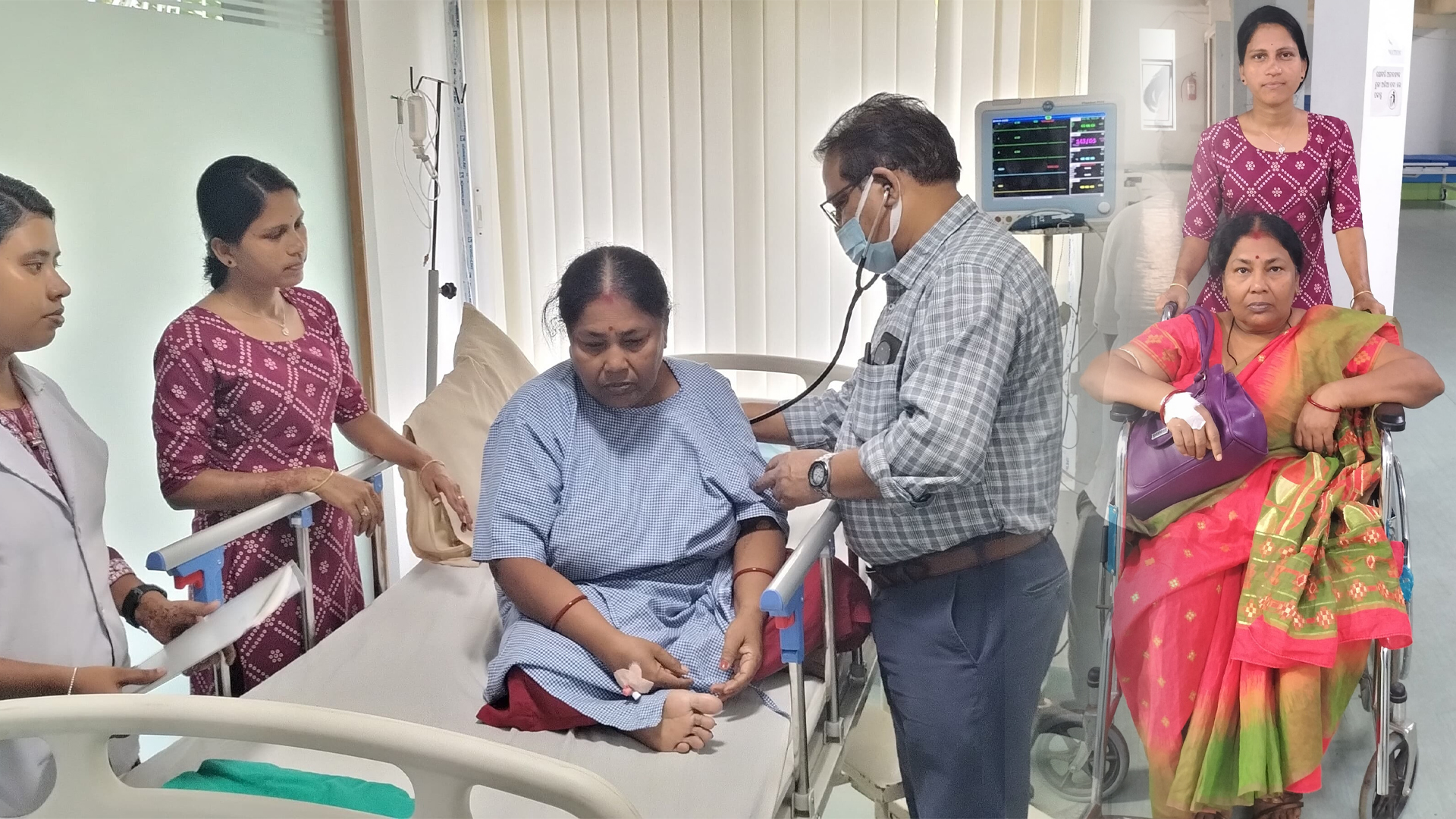
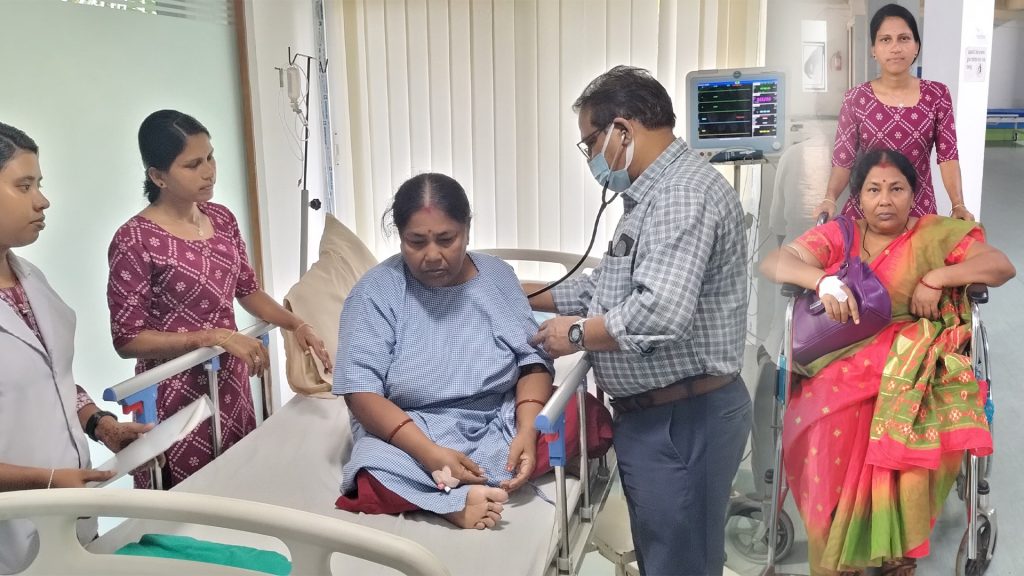
    At SimpleeKare Hospital, we recently treated an anal fissure patient Mrs. Asha Manjari Nayak, a 60-year-old woman from Bhubaneswar, who had been enduring severe pain and bleeding. After weeks of struggling with this condition and finding no relief through conventional treatments, she turned to us for a more advanced solution. Under the skilled care of Dr. Purna Chandra Sahoo, she underwent laser surgery, which successfully removed the fissure and allowed her to recover quickly. This case highlights how combining modern medical technology with personalized patient care can bring lasting relief and improve lives.

    Patient: Mrs. Asha Manjari Nayak
    Age: 60
    Weight: 70 kg
    Date of Surgery: 21st October 2024
    Surgeon: Dr. Purna Chandra Sahoo, Senior Surgeon

    Successful Anal Fissure Surgery, Bhubaneswar

    Anal Fissure Patient’s Background:

    Mrs. Asha Manjari Nayak, a 60-year-old resident of Bhubaneswar, was facing considerable distress due to the symptoms of an anal fissure, a small tear in the lining of the anal canal. Weighing 70 kg and experiencing excruciating pain during bowel movements, accompanied by bleeding, Mrs. Nayak’s quality of life had significantly deteriorated. This led her to seek specialized care at SimpleeKare Hospital, Bhubaneswar.

    Diagnosis and Consultation:

    Upon her visit, Mrs. Nayak was evaluated by senior surgeon Dr. Purna Chandra Sahoo, who diagnosed her with an acute anal fissure. The condition had caused a tear in the skin, leading to constant pain and bleeding. Given her ongoing symptoms and the failure of conservative treatments, Dr. Sahoo recommended surgical intervention, specifically laser surgery, to provide effective and lasting relief.

    Why Laser Surgery?

    Laser surgery was chosen for its precision, minimal invasiveness, and faster recovery time. Unlike traditional surgery, laser treatment offers several advantages, such as reduced pain, minimal scarring, and a quicker return to daily activities. For a patient like Mrs. Nayak, who was suffering from persistent symptoms and discomfort, laser surgery for this anal fissure presented the best option for a swift and efficient solution.

    The Surgical Procedure:

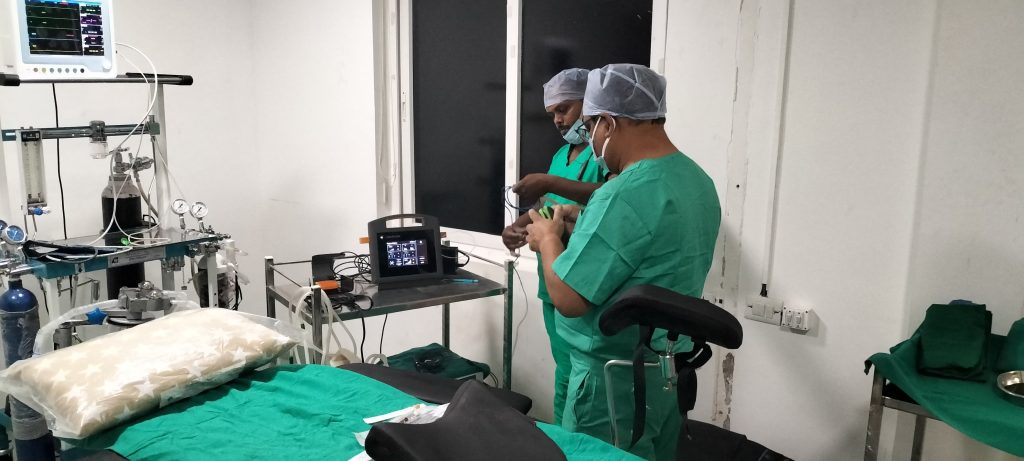
    On 21st October 2024, Mrs. Nayak underwent the laser procedure at SimpleeKare Hospital, Bhubaneswar. The surgery lasted just 30 minutes, during which Dr. Sahoo used laser technology to carefully remove the fissure, ensuring no damage to the surrounding tissues. This precise method of treatment helped control bleeding, alleviate pain, and promote healing in a much shorter period than conventional surgery.

    Anal Fissure Operation

    Post-Operative Recovery:

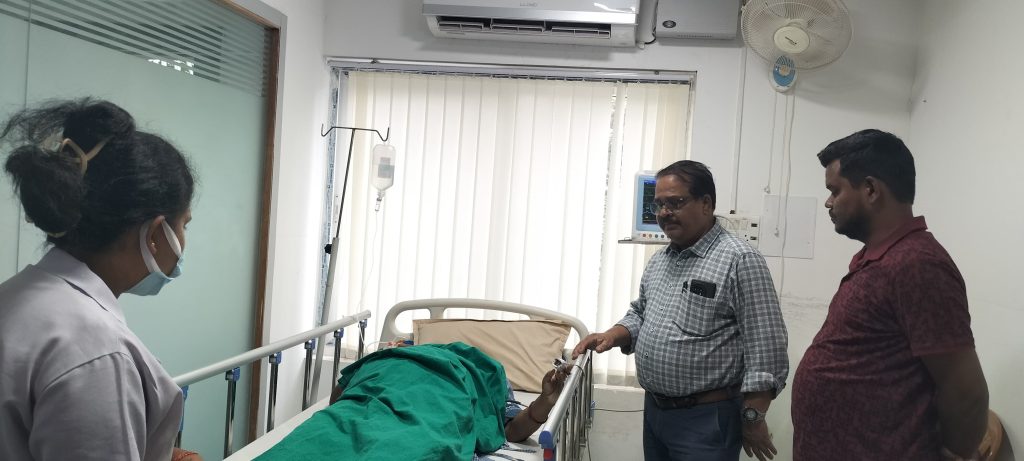
    Mrs. Nayak’s post-surgery recovery was smooth and uncomplicated. She was discharged within a day, a testament to the efficiency of the laser treatment. Upon discharge, she reported a significant reduction in pain and discomfort, with no further bleeding. Dr. PC Sahoo advised her to maintain a balanced, fiber-rich diet and stay hydrated to ensure proper healing and prevent future fissures.

    The focus on nutrition is vital in preventing constipation, which is often a contributing factor to anal fissures. Mrs. Nayak was also advised to follow simple lifestyle changes, such as avoiding straining during bowel movements, which could aid in her long-term recovery and reduce the risk of recurrence.

    Anal Fissure Post-operative carre

    Patient’s Progress and Follow-Up:

    Mrs. Nayak’s recovery has been swift and promising. Her pain has significantly diminished, and she is no longer experiencing bleeding that plagued her before the surgery. Regular follow-ups have shown that the treated area is healing well, and there are no signs of complications. Her adherence to post-operative care and nutritional advice has been key in ensuring her rapid recovery.

    The success of her case highlights the role of modern laser technology for anal fissure in treating common yet debilitating conditions like anal fissures, ensuring patients can return to their daily lives quickly and comfortably.

    Conclusion:

    This case demonstrates the high standard of care and cutting-edge treatment options available at SimpleeKare Hospital, Bhubaneswar. The success of Mrs. Asha Manjari Nayak’s laser surgery for anal fissure is a prime example of how innovative medical procedures, combined with expert surgical skill, can lead to positive outcomes even for complex conditions. SimpleeKare’s commitment to personalized care and the use of modern technologies like laser surgery enables patients to recover faster and with minimal discomfort.

    If you or someone you know is suffering from similar symptoms, it’s crucial to seek timely medical attention. SimpleeKare Hospital offers advanced treatments, including laser surgery, for a wide range of conditions to help patients lead healthier, pain-free lives.

    Successful Anal Fissure Laser Treatment at SimpleeKare Hospital, Bhubaneswar

    Key Takeaways:

    • Laser treatment for anal fissures offers a minimally invasive solution with quicker recovery.
    • Holistic care, including nutrition and lifestyle adjustments, is crucial to long-term recovery.
    • SimpleeKare Hospital continues to provide cutting-edge medical treatments, ensuring patients receive world-class healthcare.

    For consultations, expert care, and more information on advanced treatments & compassionate care, Contact SimpleeKare Hospital today.

  • A Full Guide to Kidney Stone Removal: Why Laser Treatment is Effective

    A Full Guide to Kidney Stone Removal: Why Laser Treatment is Effective

    Kidney stone removal treatment in India

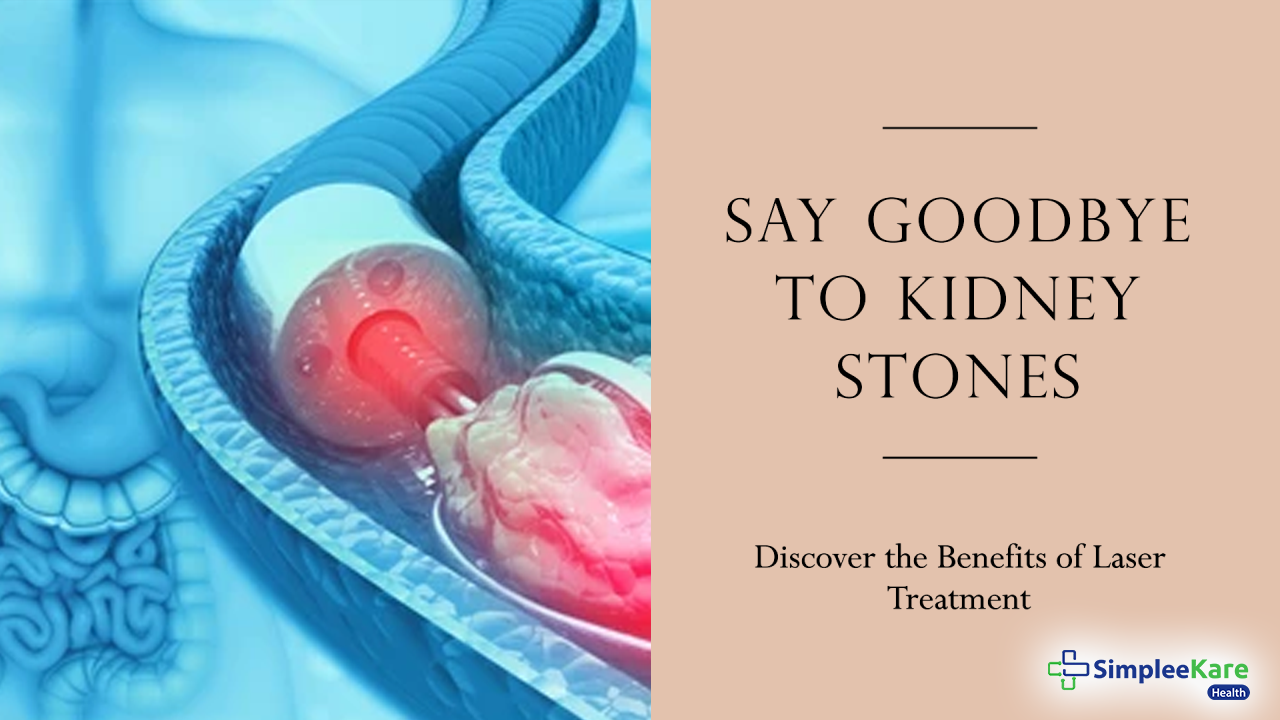
    Kidney stones are a common and painful condition affecting many individuals. They can cause severe discomfort and lead to serious health issues if not treated properly. One of the most effective treatments available today is laser treatment. In this guide, we will explore what kidney stones are, the symptoms, why laser treatment is required, why it is preferred, and the procedures involved.

    Understanding Kidney Stones

    Kidney stones are hard deposits of minerals and salts that form inside your kidneys. They can vary in size and may cause significant pain as they pass through the urinary tract. Common symptoms include:

    • Severe pain in the back or side
    • Pain during urination
    • Blood in the urine
    • Nausea and vomiting
    • Frequent urination

    These are some of the signs that you should see a urologist. If you experience any of these symptoms, it’s crucial to seek medical attention promptly.

    Why Laser Treatment is Required for Kidney Stones

    Laser treatment, also known as laser lithotripsy, is an advanced procedure used for kidney stone removal. However, it’s not always the first line of treatment. Here’s when and why laser treatment might be required:

    1. Size and Location of the Stones

    Laser treatment is often recommended for kidney stones that are too large to pass naturally or are located in a position that makes natural passage difficult or impossible. Stones larger than 5 mm typically require medical intervention.

    2. Failure of Other Treatments

    In cases where other treatments, such as medication or shock wave lithotripsy, have failed to break down the stones, laser lithotripsy is considered an effective alternative. It’s particularly useful for stones that are resistant to these less invasive treatments.

    3. Severe Symptoms

    If kidney stones cause severe symptoms such as intense pain, frequent urinary tract infections, or obstructive uropathy (blockage in the urinary tract), immediate removal through laser treatment may be necessary to prevent further complications.

    4. Recurrence of Kidney Stones

    Patients with recurrent kidney stones might benefit from laser treatment as it allows for precise and complete removal of stones, reducing the risk of future stone formation.

    5. Specific Composition of Stones

    Certain types of kidney stones, such as those composed of cystine or calcium oxalate monohydrate, can be particularly hard and difficult to break with other methods. Laser lithotripsy is effective in breaking these tough stones into smaller fragments.

    6. Patient Health and Preferences

    Laser treatment may be chosen based on a patient’s overall health, preferences, and specific circumstances. It’s minimally invasive, reduces recovery time, and minimizes the risk of complications, making it a preferred choice for many.

    Why Laser Treatment is Preferred

    Laser treatment for kidney stones is preferred over other methods for several reasons:

    1. Minimally Invasive

    Laser lithotripsy is a minimally invasive procedure, which means it involves smaller incisions, less pain, and quicker recovery times compared to traditional surgery.

    2. Precision

    The laser used in lithotripsy can precisely target and fragment kidney stones without damaging surrounding tissues. This accuracy leads to better outcomes and fewer complications.

    3. Effectiveness

    Laser treatment is highly effective at breaking down even the hardest kidney stones, including those that do not respond well to other treatments. It reduces the stone into tiny fragments that can be easily passed through the urinary tract.

    4. Shorter Recovery Time

    Patients undergoing laser lithotripsy often experience shorter recovery times and can return to their normal activities more quickly than those who undergo more invasive procedures.

    5. Reduced Need for Repeat Procedures

    Because laser treatment is so effective at completely breaking down stones, there is a reduced need for repeat procedures, making it a cost-effective option in the long run.

    Procedures Involved in Laser Treatment for Kidney Stones

    Laser lithotripsy typically involves the following steps:

    1. Preparation

    Before the procedure, you may be asked to fast for several hours. You will be given anaesthesia to ensure you are comfortable and pain-free during the treatment.

    2. Insertion of the Ureteroscope

    A thin, flexible tube called a ureteroscope is inserted through the urethra and bladder into the ureter or kidney. The ureteroscope allows the kidney stone surgeon to view the stones directly.

    3. Laser Fragmentation

    Once the stone is located, a laser fiber is used to deliver high-energy laser pulses to the stone. The laser breaks the stone into small fragments that can be easily passed out of the body in the urine.

    4. Removal of Fragments

    In some cases, the fragments are too large to pass on their own. The surgeon may use special tools to remove the fragments through the ureteroscope.

    5. Post-Procedure Care

    After the procedure, you may experience mild discomfort or blood in the urine, which should resolve within a few days. Drinking plenty of water helps flush out any remaining fragments.

    Is Laser Treatment Always Required for Kidney Stones?

    Laser treatment is not always required for kidney stones. In many cases, kidney stones can be managed with conservative treatments such as increased fluid intake, dietary changes, and medication to help pass the stones naturally. Here are some scenarios where laser treatment might not be necessary:

    Small Stones

    Stones smaller than 5 mm often pass naturally without the need for surgical intervention. Adequate hydration and pain management are usually sufficient for these smaller stones.

    Lack of Symptoms

    Asymptomatic stones, or stones that do not cause any symptoms, may not require immediate treatment. Monitoring the stones with regular imaging and managing them conservatively can be an effective approach.

    Successful Non-Invasive Treatments

    For some patients, non-invasive treatments like medication to dissolve the stones or shock wave lithotripsy to break them up can be effective, eliminating the need for laser treatment.

    Conclusion

    Laser treatment for kidney stones offers a highly effective, minimally invasive solution for those suffering from this painful condition. However, it is not always necessary for every patient. The decision to use laser lithotripsy depends on the size, location, and composition of the stones, as well as the patient’s symptoms and overall health.

    A Note from SimpleeKare

    At SimpleeKare Health Hospital, we prioritize your health and well-being. Our team of experienced urologists, including some of the best in Bhubaneswar and across India, are dedicated to providing advanced and compassionate care. We utilize state-of-the-art facilities and the latest techniques to ensure the best outcomes for our patients. If you or a loved one is dealing with kidney stones, contact us today to schedule a consultation and learn more about the benefits of laser treatment.

    Contact Information:

    Take control of your health and choose the best urology hospital in India for your kidney stone treatment needs. Your comfort and recovery are our top priorities.

  • Diabetic Foot Ulcer Prevention Free Camp at SimpleeKare Hospital, Bhubaneswar

    Diabetic Foot Ulcer Prevention Free Camp at SimpleeKare Hospital, Bhubaneswar

    Are you or a loved one living with diabetes? Taking steps to protect your feet is crucial in managing diabetes and preventing severe complications like foot ulcers. SimpleeKare Hospital, Bhubaneswar is proud to host a comprehensive Diabetic Foot Ulcer Prevention Free Camp led by the esteemed Dr. Shakti Swaroop, a specialist in Foot Ankle Surgery and Diabetic Foot Care. SimpleeKare Hospital is renowned for its commitment to providing high-quality healthcare services, focusing on patient-centered care and advanced medical treatments. With state-of-the-art facilities and a team of experienced healthcare professionals, SimpleeKare ensures that patients receive the best possible care.

    By attending this camp, you will have the opportunity to benefit from a Free Doctor Consultation with Dr. Shakti Swaroop, who will provide personalized advice and guidance on managing diabetic foot health. This camp is designed to empower patients with the knowledge and tools they need to prevent foot ulcers and maintain optimal foot health.

    Event Details:

    Date: 1st July – 31st July 2024

    SimpleeKare Hospital in Google Map Location: https://maps.app.goo.gl/5LJNb2zigX5DNqEU8 

    Location: N2/19, IRC Village, Nayapalli, Bhubaneswar-751015, Odisha, India

     Why Attend?

    Join us to take a crucial step towards ensuring the health of your feet. Our camp includes a specialized Neuropathy Test at an exclusive price of Rs. 1199/- for both feet. This test is designed to detect nerve damage, which is a common issue for those with diabetes. Early detection can help prevent severe complications.

     What’s Included:

    • Neuropathy Test for Both Feet: This test is essential for detecting nerve damage early and preventing complications.
    • Special Diabetes Package: Enjoy a comprehensive package tailored to meet your diabetes care needs.
    • Free Doctor Consultation: Benefit from a free consultation with Dr. Shakti Swaroop, where you can discuss your concerns and receive expert advice on foot care.

    Avoid the Risk of Amputation:

    Foot ulcers can lead to severe complications, including amputation. By attending this camp, you can take proactive steps to ensure your feet remain in the best possible health.

    About Dr. Shakti Swaroop

    Dr. Shakti Swaroop is a highly regarded orthopedic surgeon specializing in foot and ankle issues. His dedication to his field is evident in his extensive training at prestigious institutions worldwide:

    1. Max Super-specialty Hospital (Delhi) – Joint Replacement Surgery
    2. Homerton University Hospital (London) – Joint Replacement Surgery
    3. Fortis Hospital (Jaipur) – Robotic & Navigation Knee Replacement Surgery
    4. Kings College Hospital London (UK) – Advanced Surgical Training (Foot & Ankle)

    Dr. Swaroop is known as Bhubaneswar, Odisha’s premier foot and ankle specialist, offering unique expertise in the region. Previously, he served as a Consultant at AIIMS Bhubaneswar, driven by a desire to give back to his community.

    His impressive experience includes:

    • Performing numerous successful joint replacements, revisions, and foot & ankle surgeries
    • Achieving a high success rate in treating diverse orthopedic conditions
    • Striving for optimal outcomes to ensure long-term patient satisfaction

    Why Choose Dr. Swaroop?

    • Unmatched Expertise: Trained in high-volume centers, Dr. Swaroop offers advanced techniques for foot and ankle procedures.
    • Commitment to Excellence: He prioritizes acquiring the latest knowledge and surgical methods to serve his patients better.
    • Focus on Patient Care: Dr. Swaroop prioritizes achieving positive patient experiences and lasting improvements.

    Contact for Appointments and Consultations:

    Phone: 9776414444, 6371966229

    Website: https://www.simpleekare.com

    Join us at SimpleeKare Hospital this July and take the first step towards protecting your feet and managing your diabetes effectively. Don’t miss this opportunity to benefit from the expertise of Dr. Shakti Swaroop and receive comprehensive diabetic foot care.

    Discover the SimpleeKare Health Membership Plan – your all-in-one solution for affordable, accessible, and comprehensive healthcare services. Join now for smarter, hassle-free care!

  • 5 Signs That You Should Consult a Urologist Soon

    5 Signs That You Should Consult a Urologist Soon

    Urologists are medical specialists who focus on the urinary tract and the male reproductive system. While some urinary issues may seem minor, they can be indicative of more serious health conditions.

    Here are five signs that you should consult a urologist soon.

    1. Persistent Urinary Tract Infections (UTIs)

    UTIs are common, especially among women, but recurrent or persistent infections may signal an underlying issue. If you experience frequent UTIs, it’s essential to see a urologist. They can perform tests to determine the cause, such as kidney stones or structural abnormalities in the urinary tract. Ignoring recurrent UTIs can lead to more severe kidney infections and other complications, so timely diagnosis and treatment are crucial.

    2. Blood in Urine

    Finding blood in your urine, known as hematuria, is a concerning symptom that should never be ignored. Blood in urine can be a sign of various conditions, including urinary tract infections, kidney stones, or more serious issues like bladder or kidney cancer. A urologist can conduct necessary tests, such as urinalysis, imaging, and cystoscopy, to identify the cause and develop an appropriate treatment plan for Kidney stone surgery

    3. Difficulty Urinating

    Difficulty urinating can manifest as a weak urine stream, straining to urinate, or feeling like you can’t completely empty your bladder. These symptoms can be caused by an enlarged prostate in men, urinary tract infections, or bladder dysfunction. Seeing a urologist is essential to determine the cause and receive proper treatment, which may include medications or surgical interventions to alleviate symptoms and prevent complications.

    4. Pain in the Lower Abdomen or Groin

    Persistent pain in the lower abdomen, groin, or pelvic area can indicate several urological issues, including kidney stones, urinary tract infections, or bladder problems. This type of pain, especially if accompanied by other symptoms like fever or nausea, warrants a consult with a urologist. Early diagnosis and treatment can prevent further complications and alleviate discomfort.

    5. Incontinence or Frequent Urination

    Experiencing incontinence or an urgent and frequent need to urinate can significantly impact your quality of life. These symptoms can be due to various conditions, such as overactive bladder, urinary tract infections, or neurological disorders affecting bladder control. A urologist can provide a comprehensive evaluation and recommend treatments to manage these symptoms effectively, which may include medications, lifestyle changes, or surgical options.

    Conclusion

    Recognizing these signs and seeking timely medical advice from a urologist can lead to early diagnosis and effective treatment of underlying urological conditions. If you experience any of these symptoms, don’t hesitate to schedule an appointment with a top urologist. For those seeking the best urologist in Bhubaneswar or anywhere else in India, SimpleeKare connects you with the best urology hospitals and top specialists to ensure you receive the highest quality care.

    A Note from SimpleeKare

    At SimpleeKare, we understand the importance of specialized care for your urological health. Our network includes the best urology hospitals in India and top urologists in Bhubaneswar, dedicated to providing personalized and comprehensive care. If you have any concerns about your urinary health, contact us to schedule an appointment with one of our experienced urologists. Your health and well-being are our top priorities.

    Call us for Urology specialist doctor – 9776414444

  • Surgical Treatment For Piles: Different Procedures And Recovery Process

    Surgical Treatment For Piles: Different Procedures And Recovery Process

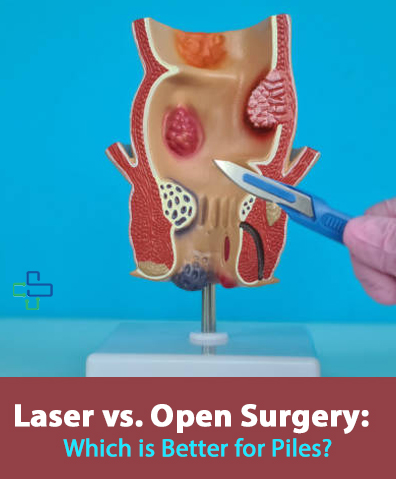
    Piles, or hemorrhoids, are swollen and inflamed blood vessels in the rectum or anus. They can be caused by various factors, including straining during bowel movements, obesity, pregnancy, and a sedentary lifestyle. While many cases of hemorrhoids can be managed with lifestyle changes and conservative treatments, more severe and persistent cases may require surgical intervention. Piles surgery is a medical procedure designed to remove or reduce the size of hemorrhoids. It’s typically considered when non-surgical treatments have proven ineffective or for those with recurring or severe symptoms.

    piles surgery
    Types of Piles Surgery: Which One is Right for You?

    There are several types of piles surgery, each with its own set of advantages and considerations. The choice of surgery depends on the patient’s specific condition and the surgeon’s recommendation.

    • Hemorrhoidectomy: This is the most traditional and effective method. It involves the complete removal of hemorrhoids under anesthesia, but it may be associated with more pain and a longer recovery period.
    • Stapled Hemorrhoidopexy (PPH): This procedure involves stapling the hemorrhoids to reduce blood flow, making them shrink. It’s less painful than a hemorrhoidectomy and has a faster recovery, but it might not be suitable for all cases.
    • Sclerotherapy and Rubber Band Ligation: These are minimally invasive procedures suitable for smaller internal hemorrhoids. They involve injecting a solution to shrink the hemorrhoid or placing a rubber band to cut off its blood supply, causing it to fall off.
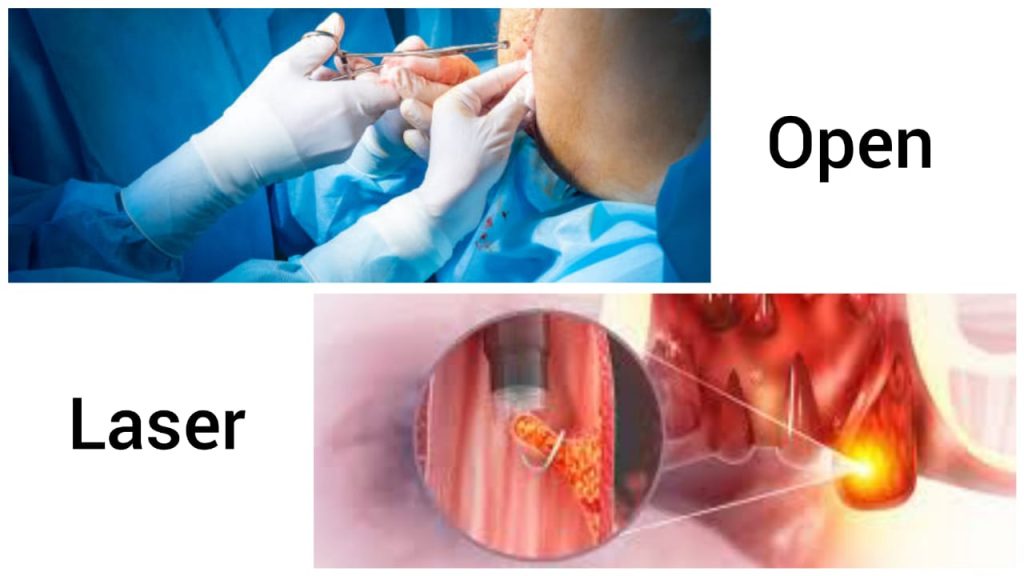
    • Laser Coagulation: This technique uses laser energy to shrink the hemorrhoid. It’s less invasive and offers a quicker recovery than traditional surgery.

    Choosing the right piles surgery in India depends on the severity and location of your hemorrhoids, as well as your surgeon’s recommendations.

    Preparing for Piles Surgery: What to Expect

    Before undergoing piles surgery, patients need to prepare both mentally and physically. You will typically have consultations with your surgeon to discuss the procedure, and they may recommend certain tests to ensure you’re a suitable candidate for surgery. Preoperative preparation also involves instructions on fasting and stopping certain medications. It’s crucial to adhere to these guidelines for a successful procedure.

    Post-Operative Care After Piles Surgery: Tips for a Smooth Recovery

    Recovery after piles surgery is a critical phase that greatly influences the outcome. Pain, discomfort, and potential complications are common during the initial days and weeks. To ensure a smooth recovery, you’ll need to:

    • Manage Pain: Pain management is a crucial aspect of post-operative care. Your surgeon will prescribe pain medication, and you’ll need to follow the prescribed dosage and timing.
    • Maintain Hygiene: Keeping the anal area clean is essential to prevent infection. Sitz baths, gentle cleaning with water or moist wipes, and patting the area dry are essential for maintaining hygiene.
    • Dietary Adjustments: You may be advised to follow a soft diet with high-fiber foods to prevent constipation, which can exacerbate discomfort. Adequate hydration is also important.
    • Physical Activity: Light physical activity, such as walking, can help with blood circulation and prevent blood clots.
    • Follow-Up Appointments: Regular follow-up appointments with your surgeon are crucial to monitor your progress and address any concerns or complications that may arise.
    Risks and Complications of Piles Surgery: What You Need to Know

    Like any medical procedure, piles surgery carries certain risks and potential complications, which can include:

    • Infection
    • Bleeding
    • Scarring
    • Urinary retention
    • Incontinence (rare)
    • Recurrence of hemorrhoids
    • Adverse reactions to anesthesia

    It’s essential to understand these risks and discuss them with your surgeon to make an informed decision.

    Dietary Recommendations After Piles Surgery: Foods to Eat and Avoid

    After piles surgery, your dietary choices can significantly impact your recovery. High-fiber foods, such as fruits, vegetables, whole grains, and legumes, can help prevent constipation. Drinking plenty of water is equally important. Foods to avoid include spicy, greasy, and processed items, as they can irritate the digestive tract and worsen discomfort.

    Lifestyle Changes to Prevent Piles Recurrence After Surgery

    To reduce the risk of piles recurrence after surgery, it’s crucial to make certain lifestyle changes. This may include:

    • Regular physical activity
    • Maintaining a high-fiber diet
    • Avoiding prolonged sitting
    • Managing body weight
    • Preventing excessive straining during bowel movements

    Adopting these habits can go a long way in preventing future hemorrhoid problems.

    Minimally Invasive Piles Surgery: Benefits and Considerations

    Minimally invasive procedures, such as stapled hemorrhoidopexy (PPH) and laser coagulation, offer several advantages. They typically result in less pain, quicker recovery, and minimal scarring. However, not all patients are suitable candidates for these procedures, and they may not be as effective for more severe hemorrhoid cases. It’s important to discuss the benefits and considerations of minimally invasive surgery with your surgeon.

    Alternative Treatments to Piles Surgery: When Surgery Isn't the Only Option

    Surgery is not always the only option for treating hemorrhoids. Depending on the severity of the condition, alternative treatments like lifestyle modifications, dietary changes, over-the-counter medications, and office-based procedures (e.g., rubber band ligation) may be effective. It’s crucial to explore these alternatives with your healthcare provider before opting for surgery.

    The Role of a Proctologist in Piles Surgery

    Proctologists are specialists in the diagnosis and treatment of disorders related to the rectum and anus, including hemorrhoids. Their expertise is invaluable in evaluating your condition, recommending the most appropriate treatment, and performing the surgery if required. Seeking the guidance of a proctologist is vital for proper diagnosis and treatment planning.

    Piles Surgery Costs and Insurance Coverage

    The costs associated with piles surgery can vary widely depending on factors like the type of procedure, hospital fees, anesthesia, and your location. It’s important to discuss the financial aspects with your healthcare provider and understand your insurance coverage, if applicable. Some insurance plans may cover a portion of the expenses, but it’s essential to clarify the details with your insurance provider in advance.

    Latest Advancements in Piles Surgery Techniques

    Medical advancements continue to improve piles surgery techniques, making procedures more efficient and less invasive. Some of these innovations include the use of advanced laser technologies, better suturing methods, and improved surgical instruments. Staying informed about the latest advancements can help you make better decisions about your treatment.

    How to Choose the Right Surgeon for Your Piles Surgery

    Selecting the right surgeon for your piles surgery is a critical decision. Factors to consider when choosing a surgeon include their experience, specialization, success rate, and patient reviews. It’s essential to conduct thorough research and consult with multiple healthcare professionals before making your choice.

    Combating Hemorrhoid Pain: Medications and Pain Management Strategies

    Pain management is a primary concern during the recovery period following piles surgery. Here are some key points regarding pain management:

    • Prescribed Medications: Your surgeon will typically prescribe pain medications to alleviate discomfort. These may include analgesics and nonsteroidal anti-inflammatory drugs (NSAIDs). It’s crucial to follow the prescribed dosage and timing instructions carefully.
    • Topical Analgesics: In some cases, topical analgesic creams or ointments may be recommended to reduce pain and inflammation in the anal area. These can provide localized relief.
    • Warm Sitz Baths: Warm sitz baths can help soothe the affected area and reduce pain and swelling. They involve sitting in a shallow basin of warm water for around 15-20 minutes several times a day.
    • Proper Wound Care: Keeping the surgical area clean and dry is essential to prevent infection, which can exacerbate pain. Gently patting the area dry after cleansing can help reduce irritation.
    • Rest and Elevation: Resting and elevating your legs while lying down can help improve blood circulation and reduce pain. Avoiding prolonged sitting or standing is also advisable.
    • Hydration and Diet: Staying well-hydrated and consuming a high-fiber diet can help prevent constipation, which can worsen pain. Adequate hydration softens stool, making it easier to pass.
    • Avoiding Straining: It’s crucial to avoid straining during bowel movements, as this can increase pain and potentially disrupt the healing process. Eating a high-fiber diet, drinking plenty of water, and ensuring you have enough time for a bowel movement can help prevent straining.
    • Regular Follow-Up Appointments: Keeping your follow-up appointments with your surgeon is essential. They can monitor your recovery progress and make adjustments to your pain management plan if needed.
    • Stool Softeners: In some cases, your surgeon may recommend stool softeners to make bowel movements easier and less painful.
    • Over-the-Counter Medications: Your surgeon may advise over-the-counter medications like acetaminophen or ibuprofen for pain relief, but it’s essential to follow their guidance on which medications are safe for you.
    Message from SimpleeKare:

    At SimpleeKare, we’re here to support you throughout your piles surgery journey. Our dedicated healthcare team is committed to helping you make informed decisions, prepare for surgery, and ensure a smooth recovery. Your well-being is our top priority, and we’re here to assist you every step of the way. Please feel free to reach out with any questions or concerns. We’re here to help!

    In conclusion, piles surgery is a significant medical procedure that can provide relief for those suffering from severe or recurrent hemorrhoids. Preparing for the surgery, understanding the different surgical options, and carefully following post-operative care instructions are crucial for a successful outcome. Minimizing pain and complications is a key priority during the recovery phase, and your healthcare provider will offer guidance on pain management strategies tailored to your specific needs. Always consult with your surgeon or healthcare professional for personalized advice and support throughout your piles surgery.

  • Anal Fissure Surgery: Risks, Benefits, and Effective Treatments

    Anal Fissure Surgery: Risks, Benefits, and Effective Treatments

    Anal fissures are a common and uncomfortable condition that can cause pain and discomfort in the anal area. While many cases can be treated with conservative measures, there are instances where surgical intervention becomes necessary. In this blog, we will delve into the details of anal fissures, the benefits and risks of anal fissure surgery, and the various treatment options available.

    Understanding Anal Fissures

    An anal fissure is a small tear or cut in the lining of the anus, often caused by the passage of hard stool. This can result in symptoms such as severe pain during bowel movements, bleeding, itching, and discomfort. While most fissures heal on their own with proper self-care and lifestyle changes, some may require surgical treatment to promote healing.

    anal fissure

    When Surgery Becomes Necessary: Exploring the Indications

    While many cases of anal fissures can be effectively managed through non-surgical methods, there are instances where surgery becomes a necessary and beneficial option. Let’s delve deeper into the indications that prompt the consideration of anal fissure surgery:

    1. Persistent Pain and Discomfort:

    When the pain and discomfort associated with an anal fissure persist despite adhering to conservative treatments, it might be an indication that the fissure is not healing as expected. Non-surgical approaches such as dietary changes, increased fiber intake, topical ointments, and sitz baths are often the first line of defense. However, if these measures fail to provide the desired relief, surgical intervention might be the next step.

    2. Chronic Fissures:

    Anal fissures are considered chronic when they last for an extended period, typically around six weeks or more. Chronic fissures can significantly impact the individual’s quality of life, causing recurring pain and discomfort during bowel movements. Since chronic fissures are less likely to heal on their own, surgery might be recommended to facilitate healing and prevent further aggravation.

    3. Depth of the Fissure:

    The depth of the fissure is another important factor that influences the decision for surgery. Superficial fissures often respond well to conservative treatments. However, if the fissure is deep or extends into the underlying tissues, it can be more challenging to heal naturally. Surgical techniques, such as advancement flap surgery or fissurectomy, can address these deeper fissures more effectively.

    4. Resistance to Non-Surgical Treatments:

    If an individual has diligently followed the recommended non-surgical treatments for a reasonable period and hasn’t experienced significant improvement, it could be an indication that their fissure is not responding as expected. In such cases, surgery might be considered as a way to expedite healing and alleviate symptoms.

    5. Recurrence:

    Recurrent anal fissures can be frustrating and indicative of an underlying issue that needs to be addressed. If an individual experiences multiple episodes of anal fissures despite attempting to prevent them through lifestyle modifications and non-surgical treatments, surgery might be recommended to break the cycle and provide lasting relief.

    6. Impaired Quality of Life:

    The persistent pain, discomfort, and limitations in daily activities caused by chronic anal fissures can severely impact an individual’s overall quality of life. When conservative treatments fail to restore a reasonable quality of life, surgery can be a valuable option to consider.

    Benefits of Anal Fissure Surgery
    1. Faster Healing: Surgery can promote quicker healing of the anal fissure, reducing the duration of discomfort and pain.
    2. Long-Term Relief: Surgical procedures can address the underlying causes of chronic fissures, providing long-term relief from symptoms.
    3. Prevention of Recurrence: Some surgical techniques aim to prevent the recurrence of fissures, offering a more permanent solution.
    Types of Anal Fissure Surgery
    1. Lateral Internal Sphincterotomy (LIS): This procedure involves cutting a small portion of the internal anal sphincter muscle to reduce spasm and promote healing.
    2. Advancement Flap Surgery: In this technique, healthy tissue from inside the anus is used to cover the fissure, aiding in healing.
    3. Fissurectomy: The surgical removal of the fissure itself, often combined with sphincterotomy for optimal results.
    Risks and Considerations

    While anal fissure surgery can offer relief, it’s important to be aware of potential risks, which may include:

    1. Infection: As with any surgery, there is a risk of infection at the surgical site.
    2. Incontinence: In some cases, surgery may lead to temporary or permanent changes in bowel control.
    3. Scar Tissue: Surgical procedures carry the risk of forming scar tissue, which could cause discomfort or other issues.
    Finding the Right Surgeon and Hospital

    Choosing a skilled and experienced surgeon is crucial for successful anal fissure surgery. Look for a surgeon who specializes in colorectal procedures and has a proven track record in performing anal fissure surgeries. Additionally, consider an anal fissure surgery hospital that is equipped with advanced facilities and a supportive medical team in India.

    Message from SimpleeKare

    At SimpleeKare, your comfort and health are our top priorities. If you’re dealing with the discomfort of anal fissures and have explored non-surgical options without success, our team of experienced surgeons is here to guide you through the process of considering anal fissure surgery. We understand the concerns and questions you may have, and we’re committed to providing personalized care that suits your unique needs. Our state-of-the-art facilities and compassionate staff are dedicated to helping you achieve relief and regain your quality of life. Reach out to us today to learn more about how we can support you on your journey to healing.

    Anal fissure surgery can be a beneficial option for those who have exhausted non-surgical treatments and are seeking lasting relief from the discomfort and pain associated with this condition. While surgery comes with risks, choosing the right surgeon and hospital can greatly mitigate these concerns. Remember that a well-informed decision, in consultation with medical professionals, is key to achieving optimal outcomes and a better quality of life.

  • Understanding the Basics of Circumcision: What It Is and How It’s Done

    Understanding the Basics of Circumcision: What It Is and How It’s Done

    Circumcision is a surgical procedure with cultural, religious, and medical significance, involving the removal of the foreskin covering the head of the penis. In this article, we'll delve into the fundamentals of circumcision, exploring the process, its associated benefits and risks, and guidance on finding a urologist for circumcision.

    What is Circumcision?

    Circumcision is the surgical removal of the foreskin, the fold of skin covering the head of the penis. This practice holds cultural, religious, and medical relevance, with motivations varying widely.

    How is Circumcision Done?

    Typically performed in a hospital or clinic, circumcision is carried out under local or general anesthesia. Various techniques exist, including the Gomco clamp, Plastibell method, and Mogen clamp. The choice of method often depends on the patient’s age and the surgeon’s preference.

    • Gomco Clamp:
    • Plastibell Method:
      • Involves placing a plastic ring around the foreskin, removed after a few days.
    • Mogen Clamp:

    Benefits and Risks of Circumcision:

    Circumcision presents potential benefits and risks:

    Benefits:

    • Reduced risk of urinary tract infections, sexually transmitted infections, and penile cancer.
    • Cultural or religious motivations may influence the decision.

    Risks:

    • Bleeding, infection, and scarring are potential risks.
    • Long-term psychological and sexual effects are subjects of ongoing study.

    Where to Find a Urologist for Circumcision Near You:

    Locating a urologist for circumcision involves several steps:

    1. Online Search:
    2. Recommendations:
    3. Patient Reviews:
      • Read reviews and ratings from previous patients for informed decision-making.

    Cost of Circumcision:

    The cost of circumcision, including phimosis surgery, can vary based on factors such as the facility, surgeon’s fees, and additional expenses like anesthesia. Discuss the cost with your urologist beforehand and check with your insurance provider for coverage details.

    Understanding the basics of ZSR circumcision cost in Bhubaneswar empowers individuals to make informed decisions regarding this significant surgical procedure. Whether driven by cultural, religious, or medical considerations, consulting with a qualified urologist is essential for personalized guidance and care.

    Request an Appointment

  • ZSR Circumcision in Bhubaneswar, Odisha: A Painless and Effective Procedure

    ZSR Circumcision in Bhubaneswar, Odisha: A Painless and Effective Procedure

    ZSR circumcision is rapidly gaining popularity in Bhubaneswar, Odisha, as a minimally invasive and highly effective option. Offering a virtually painless experience, it provides a smoother recovery and fewer complications than traditional circumcision techniques.

    Advantages of ZSR Circumcision:

    • Faster Recovery Time:

      • Transition back to regular activities within days, thanks to the minimally invasive nature of ZSR circumcision.
    • Painless Procedure:
      • Experience comfort with a virtually painless procedure, completed in less than an hour for an efficient recovery.
      • Patients typically discharged within 1-2 hours post-procedure.
    • 6.jpg
    • Minimal Bleeding:
    • Outpatient Procedure:
      • Enjoy the convenience of going home on the same day, as ZSR circumcision is performed on an outpatient basis.
      • The absence of general anesthesia contributes to a quicker recovery.

    Cost of ZSR Circumcision:

    Understanding the financial aspect is crucial in making an informed decision:

    • Affordability:
      • ZSR circumcision is generally cost-effective, with expenses varying based on the healthcare facility and the surgeon’s expertise.
      • Compared to traditional methods, the reduced recovery time may contribute to lower overall costs.
    • Insurance Coverage:
      • Check with your insurance provider to understand coverage for circumcision procedures, as ZSR circumcision is often recognized and covered.

    Process of ZSR Circumcision:

    Step-by-step guide to the ZSR circumcision procedure at a phimosis surgery hospital near me

    • Consultation:
      • Schedule a consultation with a qualified urologist to discuss the procedure, address any concerns, and determine if ZSR circumcision is suitable for you.
    • Preparation:
      • On the day of the procedure, follow pre-operative instructions provided by the urologist, which may include fasting for a specified period.
    • Procedure:
      • ZSR circumcision involves using a specialized device that clamps and removes the foreskin without the need for incisions or sutures.
      • The procedure typically takes less than an hour, ensuring a quick and efficient experience.
    • Recovery:
      • After the procedure, patients are monitored for a brief period before being discharged, usually within 1-2 hours.
      • Follow post-operative care instructions diligently for a smooth recovery.

    Risks Associated with ZSR Circumcision:

    Although a phimosis clinic near me offers several benefits, it’s equally important to consider the potential risks

    • Infection:
      • Low risk, particularly with diligent adherence to post-operative instructions.
    • Pain or Discomfort:
      • Manage any potential discomfort with over-the-counter medications.
    • Bleeding:
      • Enjoy reduced bleeding, making ZSR circumcision a suitable option even for those with specific medical conditions.
    • Uneven or Excessive Skin Removal:
      • Rare instances require corrective measures, emphasizing the importance of thorough consultations.

    Conclusion:

    Opting for ZSR circumcision in Bhubaneswar, Odisha, aligns seamlessly with the pursuit of an effective and painless solution. Understanding the cost aspect and the step-by-step process enhances the decision-making process. As with any medical decision, prospective individuals should engage in detailed discussions with a qualified urologist, ensuring a tailored approach to wellness.

    Click to know more about circumcision surgery cost in bhubaneswar