Mental health is just as important as physical health, yet it is often overlooked. In today’s fast-paced world, stress and anxiety have become increasingly common. It’s essential to raise awareness about mental health issues and provide tips on how to manage stress and anxiety effectively. In this blog post, we’ll explore the importance of mental health awareness and provide practical tips for maintaining your emotional well-being.
Why Mental Health Awareness Matters:
Mental health is crucial for overall well-being and quality of life. It affects how we think, feel, and act, and influences our ability to cope with stress, overcome challenges, and build relationships. By raising awareness about mental health, we can reduce stigma and encourage people to seek help when needed. It’s important to recognize the signs of stress and anxiety and take steps to manage them effectively.
Tips for Managing Stress and Anxiety:
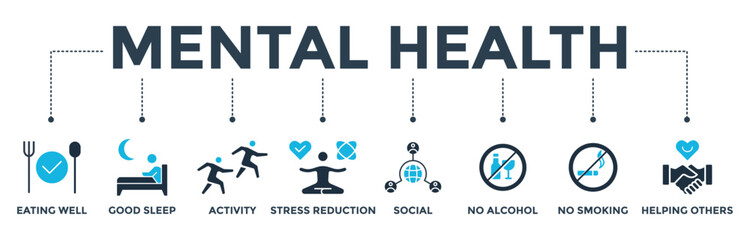
- Practice Mindfulness: Mindfulness techniques, such as deep breathing, meditation, and yoga, can help reduce stress and anxiety. Taking a few minutes each day to practice mindfulness can have a profound impact on your mental well-being.
- Stay Active: Regular physical activity is essential for both physical and mental health. Exercise releases endorphins, which are natural mood lifters. Try to incorporate at least 30 minutes of physical activity into your daily routine.
- Maintain a Healthy Diet: Eating a balanced diet can help support your mental health. Avoiding excessive caffeine and sugar can help prevent spikes and crashes in energy levels, which can contribute to feelings of anxiety.
- Get Plenty of Sleep: Lack of sleep can exacerbate feelings of stress and anxiety. Aim for 7-9 hours of quality sleep each night to support your mental health.
- Connect with Others: Social support is crucial for mental health. Spend time with friends and family, or join a support group to connect with others who may be experiencing similar challenges.
- Limit Exposure to Negative News: Constant exposure to negative news can contribute to feelings of anxiety. Limit your exposure to news media, especially before bed, to reduce stress levels.
- Seek Professional Help: If you’re struggling to manage stress and anxiety on your own, don’t hesitate to seek help from a mental health professional. Therapy and medication can be effective treatments for managing these conditions.
Tips for Managing Stress and Anxiety in Specific Life Situations
1. Managing Work-Related Stress:
- Set Boundaries: Establish clear boundaries between work and personal life. Avoid checking work emails or taking work calls outside of work hours.
- Prioritize Tasks: Make a to-do list and prioritize tasks based on urgency and importance. Focus on completing one task at a time rather than trying to multitask.
- Practice Mindfulness: Take short breaks throughout the day to practice mindfulness techniques such as deep breathing or meditation. This can help reduce stress and improve focus.
- Communicate: If you’re feeling overwhelmed, don’t hesitate to communicate with your supervisor or HR department. They may be able to provide support or adjust your workload.
- Seek Support: Talk to colleagues or friends about your feelings. Sometimes, simply sharing your concerns can help alleviate stress.
2. Managing Relationship Issues:
- Communication: Open and honest communication is key to resolving relationship issues. Express your feelings calmly and listen to your partner’s perspective.
- Set Boundaries: Establishing boundaries can help protect your emotional well-being. Clearly define what is acceptable and what is not in your relationship.
- Seek Counseling: If relationship issues persist, consider seeking the help of a couples therapist. A therapist can help you and your partner work through your differences and improve communication.
- Self-Care: Take care of yourself both physically and mentally. Engage in activities that bring you joy and relaxation, such as exercise, hobbies, or spending time with loved ones.
- Focus on Solutions: Instead of dwelling on the problem, focus on finding solutions together. Brainstorming and working as a team can strengthen your bond and resolve conflicts.
3. Managing Financial Worries:
- Create a Budget: Develop a realistic budget to track your income and expenses. This can help you identify areas where you can cut back and save money.
- Seek Financial Advice: If you’re struggling with financial stress, consider seeking advice from a financial planner or counsellor. They can help you create a plan to manage your finances more effectively.
- Focus on What You Can Control: While you may not be able to control external factors such as the economy, you can control your spending habits and financial decisions. Focus on what you can change rather than what you can’t.
- Practice Gratitude: Take time to appreciate what you have rather than focusing on what you lack. Gratitude can help shift your mindset and reduce feelings of stress and anxiety.
- Explore Income Opportunities: If possible, explore additional sources of income such as freelancing or part-time work. However, make sure to balance this with your mental health and well-being.
If you’re experiencing severe stress or anxiety, consider seeking help from a mental health professional.
Effect of Prolonged stress and anxiety
Prolonged stress and anxiety can have significant effects on both mental and physical health. Here are some potential impacts:
- Mental Health Effects:
- Increased Risk of Mental Health Disorders: Prolonged stress and anxiety can increase the risk of developing mental health disorders such as depression, anxiety disorders, and post-traumatic stress disorder (PTSD).
- Impaired Cognitive Function: Chronic stress can impair cognitive function, leading to difficulties with memory, concentration, and decision-making.
- Negative Impact on Relationships: Stress and anxiety can strain relationships with friends, family, and colleagues, leading to increased conflict and isolation.
- Decreased Quality of Life: Persistent stress and anxiety can reduce overall quality of life, affecting enjoyment of daily activities and overall well-being.
- Physical Health Effects:
- Weakened Immune System: Prolonged stress can weaken the immune system, making individuals more susceptible to infections and illnesses.
- Cardiovascular Problems: Chronic stress can contribute to the development of cardiovascular problems such as high blood pressure, heart disease, and stroke.
- Digestive Issues: Stress and anxiety can lead to digestive issues such as stomach ulcers, irritable bowel syndrome (IBS), and acid reflux.
- Muscle Tension and Pain: Stress and anxiety can cause muscle tension, leading to headaches, back pain, and other physical discomfort.
- Sleep Disturbances: Chronic stress can disrupt sleep patterns, leading to insomnia or poor-quality sleep, which can further contribute to stress and anxiety.
Overall, prolonged stress and anxiety can have wide-ranging effects on both mental and physical health. It is important to seek help and implement stress-management strategies to mitigate these effects and promote overall well-being.
A Journey to Mental Wellness: Sarah’s Story
Sarah, a successful marketing executive, faced overwhelming stress and anxiety after personal setbacks. With the support of therapy and mindfulness techniques, she learned to manage her anxiety and prioritize self-care. Today, she feels more confident in coping with life’s challenges and hopes to inspire others to prioritize their mental health.
Conclusion:
By raising awareness about mental health and adopting healthy coping strategies, we can all take steps to improve our mental well-being. Remember, it’s okay to not be okay, and seeking help is a sign of strength, not weakness. Take care of your mental health, because it matters.
For more information on mental health awareness and tips for managing stress and anxiety, visit SimpleeKare or contact us today. Your mental health is our priority.