Chronic pain, spine disorders, and joint problems can significantly affect daily life if not treated at the right time by the right specialist. SimpleeKare Health stands out as one of thebest spine and pain hospitals in India, offering advanced, patient-centric care for people suffering from spine, joint, and chronic pain conditions. With a strong focus on accurate diagnosis, modern treatment methods, and compassionate care, SimpleeKare Health has become a trusted name in pain management.
At the core of SimpleeKare Health’s excellence is Dr. Pratyush Kar, a highly experienced Pain, Joint & Spine Specialist. Dr. Kar is known for his clinical expertise, ethical approach, and commitment to helping patients regain a pain-free and active life. He specializes in treating conditions such as back pain, neck pain, slipped disc, sciatica, arthritis, joint pain, sports injuries, nerve pain, and spine-related disorders.
SimpleeKare Health combines advanced medical technology with evidence-based treatment protocols to ensure effective and long-lasting pain relief. The hospital focuses on minimally invasive and non-surgical pain management techniques whenever possible, helping patients recover faster with minimal downtime. Each treatment plan is personalized after a thorough evaluation, ensuring the best outcomes for every patient.
What makes SimpleeKare Health unique is its holistic approach to pain management. Along with medical interventions, patients receive guidance on posture correction, lifestyle modification, physiotherapy, and long-term pain prevention strategies. This comprehensive care model not only treats symptoms but also addresses the root cause of pain.
Patients across India trust SimpleeKare Health for its transparent treatment process, modern infrastructure, and patient-friendly environment. Whether you are dealing with long-standing pain or a recent injury, early consultation with a specialist can prevent complications and improve quality of life.
If you are searching for the best spine and pain treatment in India, SimpleeKare Health offers reliable solutions under expert guidance. With compassionate care, advanced techniques, and a strong patient success record, SimpleeKare Health continues to redefine pain management standards.
Every September, the world observes Thyroid Cancer Awareness Month to remind us about the tiny gland in our neck that plays a huge role in our health. When the thyroid functions well, we hardly notice it. But when something goes wrong, the impact on daily life can be profound.
Millions of people worldwide suffer from thyroid problems — unexplained fatigue, sudden weight changes, visible neck swelling, or in severe cases, thyroid cancer. While many conditions can be managed with medication, surgery often becomes the definitive, life-saving solution.
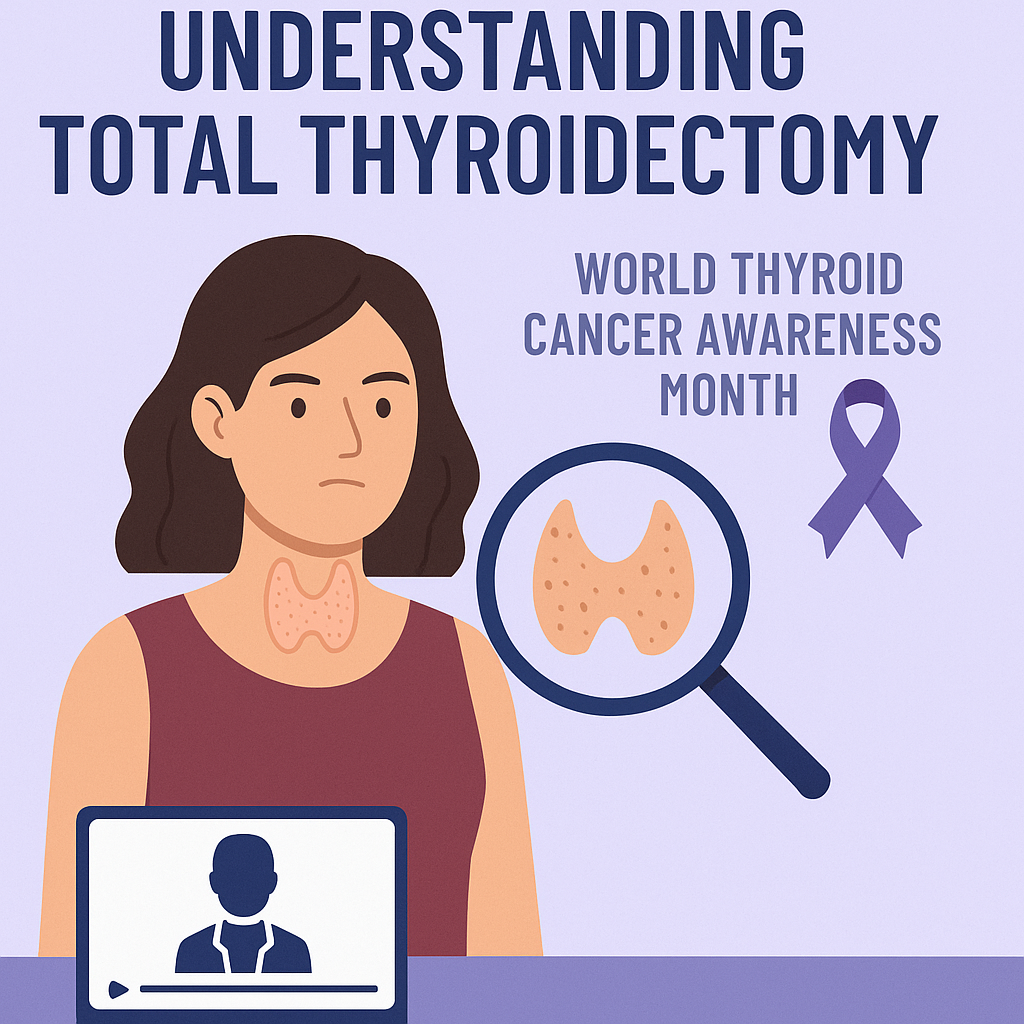
Understanding Total Thyroidectomy
A total thyroidectomy is the surgical removal of the thyroid gland. It is recommended in conditions such as:
Thyroid cancer – complete removal eliminates cancerous tissue.
Hyperthyroidism not responding to medication.
Suspicious thyroid nodules with cancer risk.
Large multinodular goitres causing difficulty in breathing or swallowing.
Though the idea of losing the thyroid gland can be daunting, modern surgery combined with lifelong thyroid hormone supplements enables patients to live full, healthy lives.
The Human Side of Surgery
Behind every thyroidectomy is a human story:
A young woman regaining normal breathing after her goitre was removed.
A middle-aged man diagnosed with thyroid cancer at the right time and treated successfully.
An elderly patient who found his voice and confidence again after years of discomfort.
Each thyroidectomy surgery is not just about removing a gland — it’s about restoring health and hope. That’s why choosing the right surgical team is so important. At SimpleeKare Health – Bhubaneswar, we emphasize safety, precision, and compassionate care.
Expert Insights: Thyroid Cancer Awareness 🎥
Understanding thyroid health starts with knowing the signs, diagnosis, and treatment options.
When surgery, like total thyroidectomy, is recommended
This video helps viewers identify early warning signs of thyroid and understand the clinical pathway, reinforcing the importance of timely thyroid checkups.
Expert Insights: In-Depth Look at Neck Swellings 🎥
Neck lumps can arise from the thyroid, parotid, or submandibular glands, and understanding the differences is crucial.
In this detailed video, Dr. Sanjeev Mohanty walks viewers through:
How to differentiate between thyroid, parotid, and submandibular swellings
Common causes and warning signs
When to seek medical evaluation
This longer session provides a comprehensive guide, helping viewers gain a deeper understanding of neck swellings and the importance of timely medical attention.
Why Expertise Matters
Total thyroidectomy is among the most technically challenging surgeries. Outcomes depend heavily on the surgeon’s experience. With the right expertise, patients achieve excellent results with minimal complications.
At SimpleeKare, we bring together trusted experts like Prof. Dr. Sanjeev Mohanty, who has years of specialized experience in thyroid surgeries, ensuring that patients receive the highest standard of care.
To complement expert care, we also offer a comprehensive Thyroid Profile Test at just Rs. 299 (originally Rs. 599). This package helps diagnose thyroid disorders associated with hyperthyroidism or hypothyroidism, covering:
25 Complete blood test parameters
3 thyroid-specific tests
T3, T4, and TSH levels
A Call to Action: Knowledge Saves Lives
Early detection is the key to better outcomes in thyroid cancer. During Thyroid Cancer Awareness Month, here’s what you can do:
Don’t ignore persistent fatigue, weight changes, or mood shifts.
Check for any lump/swelling in your neck.
Track your family history of thyroid disorders.
Get regular medical checkups and thyroid evaluations.
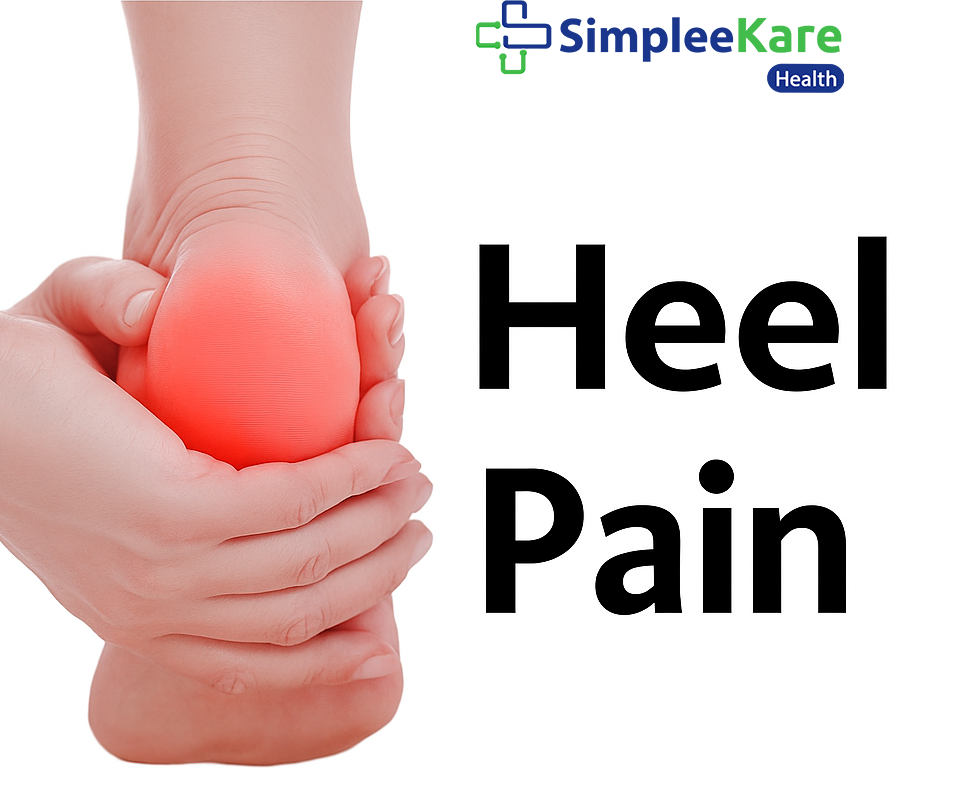
Heel pain while walking is often caused by medical conditions like plantar fasciitis, Achilles tendinitis, heel bursitis, Haglund’s deformity, or Sever’s disease in children. Sometimes, it may also result from stress fractures, arthritis, or nerve compression. Studies suggest that up to 15% of adults experience heel pain at some point in their life.
Ignoring persistent pain can turn it into a chronic problem. Early care — supportive shoes, rest, stretching, and consulting a foot specialist — can make a huge difference.
Here’s a breakdown of the most common causes, symptoms, and remedies.
1. Plantar Fasciitis
What is plantar fasciitis and why does it cause heel pain?
Plantar fasciitis is the leading cause of heel pain, affecting 1 in 10 people worldwide. It occurs when the thick ligament (plantar fascia) connecting your heel bone to your toes becomes inflamed.
Symptoms: Sharp heel pain, especially in the morning or after long rest.
Causes: Overuse (running, standing long hours), flat feet, high arches, or unsupportive footwear.
Example: A teacher who spends long hours standing in unsupportive sandals may suddenly develop stabbing pain under the heel.
Step-by-step relief:
Rest your feet for a few days.
Apply ice for 15 minutes twice a day.
Stretch your calves and plantar fascia regularly.
Switch to cushioned shoes or orthotic insoles.
If pain lasts beyond 2 weeks, consult a podiatrist.
2. Achilles Tendinitis
Why does the back of my heel hurt?
Back-of-heel pain is often linked to Achilles tendinitis, an inflammation of the tendon connecting the calf muscles to the heel bone. It accounts for around 6% of all running-related injuries.
Symptoms: Stiffness and soreness at the back of the heel, worse after exercise.
Causes: Overtraining, lack of warm-up, or sudden increase in physical activity.
Example: A gym-goer who doubles their running distance without proper stretching may wake up with sore heels the next morning.
Step-by-step recovery:
Rest and avoid uphill running.
Apply ice after workouts.
Perform gentle calf stretches daily.
Wear cushioned, supportive shoes.
If pain worsens, seek medical evaluation to avoid complications.
3. Heel Bursitis
What is heel bursitis?
Heel bursitis is inflammation of the bursa sacs (small fluid-filled cushions around joints). It’s common among people who walk long distances on hard surfaces.
Symptoms: Swelling, tenderness, and a dull ache in the heel.
Causes: Overuse, poor shoes, or excessive walking.
Example: Office workers who walk daily on concrete floors in hard shoes may gradually develop bursitis.
Step-by-step relief:
Rest and elevate the heel.
Use anti-inflammatory medication (after medical advice).
Switch to cushioned footwear.
Try physiotherapy if pain persists.
4. Haglund’s Deformity
Can high heels cause permanent heel problems?
Yes. Wearing stiff-backed high heels can lead to Haglund’s deformity — a painful bony bump at the back of the heel.
Symptoms: Swelling, redness, and irritation, even while wearing socks.
Causes: Continuous pressure from rigid shoe backs.
Example: A corporate professional wearing stilettos daily develops a painful bump on the heel bone.
Step-by-step care:
Switch to shoes with soft backs.
Use heel lifts or cushions.
Stretch calf muscles regularly.
See a specialist if swelling continues.
5. Sever’s Disease (Children)
Can children get heel pain?
Yes. Active children may develop Sever’s disease, an inflammation of the heel growth plate, especially during growth spurts.
Symptoms: Heel pain after running, limping, or discomfort during play.
Causes: Overuse from sports and high-impact activities.
Example: A 10-year-old soccer player complains of heel pain after every practice — a classic case of Sever’s disease.
Sometimes, heel pain comes from less obvious conditions:
Stress fractures from overuse
Tarsal tunnel syndrome (nerve compression)
Arthritis or tendon inflammation
These usually require specialist evaluation and imaging for diagnosis.
Remedies & Prevention
What are the best remedies for heel pain while walking?
Early care can prevent long-term damage. Try:
Wearing cushioned, supportive footwear
Using orthotic insoles
Regular stretching and rest
Ice packs to reduce inflammation
Consulting a foot health specialist for persistent pain
Key Takeaway
Heel pain is not “just tired feet.” It can indicate plantar fasciitis, Achilles tendinitis, bursitis, or other conditions. Treating it early with proper footwear, stretches, and medical advice ensures faster recovery and prevents chronic problems.
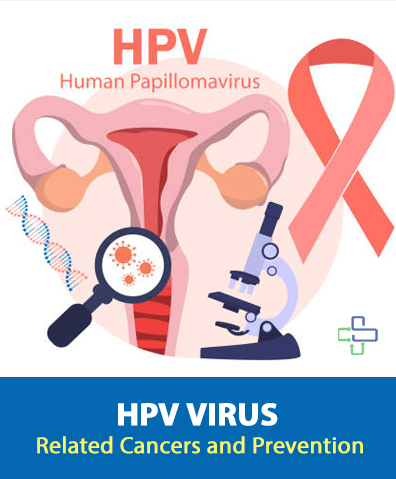
Human papillomavirus (HPV) is a major risk factor for several types of cancer beyond cervical cancer. This document expands on HPV’s role in cancer, discussing other HPV-related cancers, their prevalence, risk factors, prevention, and treatment, based on credible sources like the National Cancer Institute (NCI), World Health Organization (WHO), Centers for Disease Control and Prevention (CDC), and other medical organizations.
Overview of HPV-Related Cancers
HPV is a sexually transmitted infection that can infect the skin and mucous membranes, particularly in the genital, anal, and oropharyngeal (throat) areas. While most HPV infections clear up on their own, persistent infections with high-risk HPV types (e.g., types 16, 18, 31, 33, 45) can lead to cellular changes and cancer over time. According to the NCI and CDC, HPV causes approximately 37,300 cancers annually in the United States and around 690,000 globally, including cancers in both men and women.
High-Risk HPV Types and Their Association with Cancer
HPV 16 & 18: Responsible for approximately 70% of cervical cancers and a significant proportion of anal, vaginal, vulvar, penile, and oropharyngeal cancers.
HPV 31, 33, & 45: Also considered high-risk types, contributing to cervical and other anogenital cancers, though at lower frequencies than HPV 16 and 18.
Other high-risk HPV types: HPV 35, 39, 51, 52, 56, 58, and 59 have also been linked to cancer development.
HPV-Related Cancers and Their Impact
Cancer Type
Description
Prevalence
Risk Factors
Prevention
Treatment
1. Anal Cancer
Develops in the anus or anal canal, often from precancerous lesions called anal intraepithelial neoplasia (AIN). Strongly linked to HPV-16.
~9,100 new cases annually in the U.S., ~91% HPV-related (NCI, CDC).
HPV vaccination, regular gynecological exams, HPV/Pap testing if needed.
Surgery, radiation, chemotherapy. Early detection significantly improves outcomes.
5. Penile Cancer
Affects the penis, often starting as penile intraepithelial neoplasia (PeIN). HPV-16 is a major cause.~2,200 new cases annually in the U.S., ~30–50% HPV-related (NCI, CDC).
~2,200 new cases annually in the U.S., ~30–50% HPV-related (NCI, CDC).
Surgery (partial/total penectomy), radiation, chemotherapy. Early detection is critical.
The Role of the HPV Vaccine in Cancer Prevention
Effectiveness
Research suggests the HPV vaccine is highly effective in preventing cervical cancer, with studies showing up to 88% risk reduction in women vaccinated before age 17 (New England Journal of Medicine).
The vaccine is nearly 100% effective against persistent HPV infection and certain cervical abnormalities in those not previously exposed to HPV.
Early vaccination before sexual activity leads to greater effectiveness.
Real-World Data and Clinical Trials
A large Swedish study followed 1.7 million women and found:
88% reduction in cervical cancer risk in women vaccinated before age 17.
53% reduction for those vaccinated at 17 or older.
A Scottish study found no cervical cancer cases in women fully vaccinated at ages 12-13.
Gardasil 9 trials (15,000 participants) showed near 100% efficacy against targeted HPV types.
Bivalent Cervarix trials (30,000 participants) showed high efficacy against HPV 16, 18, and additional cross-protection.
Broader Impact of the HPV Vaccine
Besides cervical cancer, the HPV vaccine is almost 100% effective in preventing external genital warts.
It significantly lowers the risk of anal, vaginal, vulvar, penile, and oropharyngeal cancers.
A STAT News study (2024) reported a 56% reduction in HPV-related cancers in men and 36% in women.
Vaccination Strategies and Recommendations
The WHO recommends HPV vaccination for girls aged 9-14, with one or two doses.
Studies show long-lasting protection (at least 10 years for Gardasil, 11 years for Cervarix).
The CDC reports over 135 million doses distributed in the U.S. with an excellent safety profile.
Myths and Misconceptions About the HPV Vaccine
Despite strong scientific evidence supporting the HPV vaccine, several myths persist. Here are some common misconceptions and the facts to counter them:
Myth
Fact
The HPV vaccine is only for women.
While the vaccine is crucial for preventing cervical cancer in women, it also protects men against anal, penile, and oropharyngeal cancers, as well as genital warts. The CDC recommends HPV vaccination for both boys and girls.
The vaccine is unnecessary if someone is not sexually active.
The HPV vaccine is most effective before exposure to the virus. That’s why it is recommended for preteens, ideally between ages 9-14, before sexual activity begins.
The HPV vaccine encourages promiscuity.
Studies have shown no link between receiving the HPV vaccine and increased sexual activity. The vaccine’s purpose is cancer prevention, not behavior change.
The HPV vaccine has severe side effects.
The HPV vaccine has been extensively tested for safety. The most common side effects are mild, such as soreness at the injection site, dizziness, or a low-grade fever. Serious side effects are extremely rare.
The vaccine is ineffective if not given at a young age.
While early vaccination is ideal, individuals up to age 45 can still benefit from the HPV vaccine. The earlier the vaccine is given, the better the protection, but it can still reduce the risk of HPV-related diseases in older individuals.
Conclusion
The HPV vaccine is a highly effective intervention for preventing cervical cancer and other HPV-related diseases. With efficacy nearing 100% against persistent infection and significant real-world effectiveness, it is a cornerstone of global cervical cancer elimination efforts. Its early administration ensures the best protection, making it a critical public health tool in reducing the global burden of HPV-related cancers.
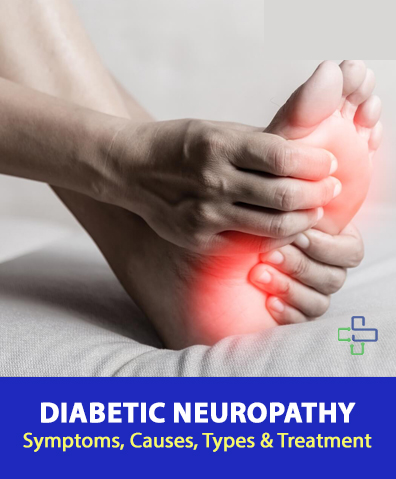
Diabetic neuropathy is a prevalent and serious complication of diabetes that affects millions of people around the globe. This condition results from prolonged high blood sugar levels that damage the nerves throughout the body, causing pain, discomfort, and other debilitating symptoms. Early detection, intervention, and careful management are essential to prevent more severe outcomes. At SimpleeKare Hospital, we aim to provide clear, actionable insights on the symptoms, causes, types, and treatment options for diabetic neuropathy to help you better manage your health.
What is Diabetic Neuropathy?
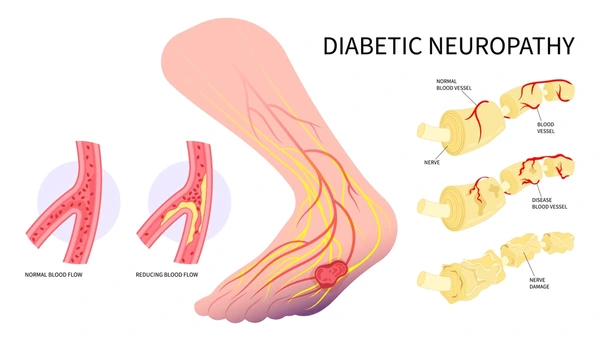
Diabetic-related neuropathy refers to nerve damage that occurs due to long-term exposure to elevated blood glucose levels. This condition can affect a wide range of bodily functions, from basic motor skills to more critical functions like digestion and heart rate. Prolonged hyperglycemia (high blood sugar) damages the nerve fibers, preventing them from transmitting signals properly. Without intervention, diabetic neuropathy can result in irreversible nerve damage, severe pain, and complications that severely impact one’s quality of life.
Symptoms of Diabetic Neuropathy
The symptoms of diabetic neuropathy vary depending on which nerve groups are affected. Common signs include:
Tingling or burning sensations: Especially in the hands and feet, a common indicator of sensory neuropathy.
Sharp, jabbing pain: Can be felt in the legs, arms, or feet, and may worsen at night.
Loss of sensation: This is particularly problematic in the feet, where it may lead to unnoticed injuries or ulcers.
Weakness in muscles: This can affect the legs and hands, leading to difficulty walking or performing tasks.
Digestive issues: Nausea, vomiting, and diarrhea can result from autonomic neuropathy.
Cardiovascular complications: Changes in heart rate or blood pressure can occur, leading to dizziness or fainting.
If you experience any of these symptoms, it is vital to consult a diabetic neuropathy specialist immediately to begin early management.
Causes of Diabetic Neuropathy
The primary factor behind diabetic neuropathy is long-term high blood sugar levels. Over time, excess glucose damages the blood vessels that supply nerves with oxygen and nutrients, leading to nerve degeneration. Other factors that can contribute to the development of neuropathy include:
Poor blood sugar control: If blood sugar levels are not well-managed, the risk of nerve damage increases.
High blood pressure: Elevated blood pressure can cause damage to the blood vessels, exacerbating nerve problems.
High cholesterol: Similar to high blood pressure, high cholesterol can impede proper circulation, worsening neuropathy.
Smoking: Smoking reduces blood flow, which can exacerbate nerve damage.
Genetic predisposition: A family history of diabetes or neuropathy may increase your risk of developing the condition.
Addressing these factors can significantly reduce the likelihood of developing diabetic neuropathy.
Types of Diabetic Neuropathy
Diabetic neuropathy can be categorized into four distinct types, each with unique effects on different parts of the body:
Peripheral Neuropathy: The most common form, it affects the feet and legs first, followed by the hands and arms. It leads to pain, numbness, and weakness in the extremities.
Autonomic Neuropathy: This type affects the autonomic nervous system, which controls involuntary functions such as heart rate, digestion, and bladder control. It can lead to symptoms like nausea, digestive disturbances, and issues with heart rate regulation.
Proximal Neuropathy: Typically affecting the hips, thighs, or buttocks, this form causes severe pain and muscle weakness. Proximal neuropathy often starts with pain or weakness on one side of the body but can eventually affect both sides.
Focal Neuropathy: Involves specific nerves, often in the head, torso, or legs. This type can lead to sudden weakness or pain, and it can come on abruptly.
Understanding the type of neuropathy you have is crucial for determining the appropriate treatment strategy.
Diabetic Neuropathy Treatment
Managing diabetic neuropathy is a multifaceted approach aimed at addressing the underlying causes and alleviating symptoms. Here are some common treatment options:
Blood Sugar Control: The cornerstone of neuropathy management is keeping blood sugar levels within the target range. Tight blood glucose or diabetes control can slow or even stop the progression of nerve damage.
Medications: Pain management for diabetic neuropathy often involves medications such as pain relievers, antidepressants (like amitriptyline), anticonvulsants (such as gabapentin), or topical treatments like capsaicin cream.
Physical Therapy: Engaging in physical therapy can help strengthen muscles, improve coordination, and alleviate discomfort caused by neuropathy.
Lifestyle Changes: Making dietary adjustments, regular physical activity, quitting smoking, and reducing alcohol consumption can improve overall health and slow the progression of diabetic neuropathy.
Alternative Therapies: Acupuncture, biofeedback therapy, and even herbal supplements like alpha-lipoic acid have shown promise in managing nerve pain for some individuals.
Foot Care: Wear comfortable, well-fitting shoes to protect your feet from diabetic foot ulcers or injuries. Regularly check your feet for cuts, blisters, or sores and seek for treatment.
Exercise: Physical activity improves circulation, nerve health, and muscle strength.
Regular Checkups: See your diabetic foot ankle specialist near you for regular checkups to track the progression of diabetic neuropathy and adjust treatments as needed.
Simple Ways to Prevent Diabetic Nerve Damage
Preventing diabetic neuropathy is easier than treating it, and there are simple strategies to protect your nerves:
Manage your blood sugar, blood pressure, and cholesterol: Keep these levels under control to reduce nerve damage risk.
Maintain a healthy weight: A nutritious diet and exercise routine will help keep you at an optimal weight and reduce strain on your nerves.
Quit smoking: Smoking reduces circulation and oxygen flow to the nerves, increasing the risk of neuropathy.
A comprehensive approach to managing diabetic neuropathy is crucial for reducing symptoms and improving the quality of life. With professional care, timely interventions, and lifestyle changes, it’s possible to manage and even alleviate many symptoms of diabetic neuropathy. At SimpleeKare, we offer personalized diabetic neuropathy treatment plans designed to help you live pain-free and maintain optimal nerve health. With expert support, you can effectively manage your condition and improve your overall well-being.
For those in need of professional diabetic neuropathy care, be sure to look for diabetic neuropathy treatment near me or inquire about hospital neuropathy services to get timely and personalized care. Taking control of your health and preventing complications can significantly improve your life. For more information on affordable diabetic neuropathy care, Contact SimpleeKare Hospital today.
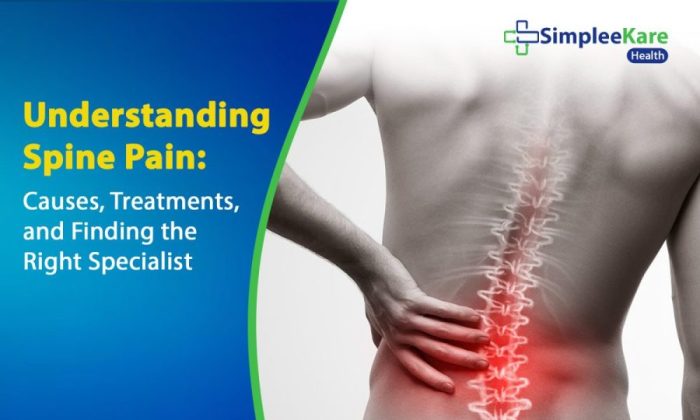
Spine pain is a common yet debilitating issue that can significantly impact daily life. Whether it’s due to poor posture, an injury, or a chronic condition, addressing spine pain early is crucial to prevent complications. If you’re searching for a spine specialist doctor consultation or a back pain doctor near me, this guide will help you understand the condition better and how to seek expert care.
Common Causes of Spine Pain
Spine pain can stem from various factors, including:
Poor Posture: Sitting or standing incorrectly for extended periods strains the spine.
Herniated Discs: This occurs when the cushioning discs between vertebrae bulge or rupture.
Degenerative Conditions: Diseases like osteoarthritis and degenerative disc disease affect spinal health.
Injuries: Accidents or sports injuries can lead to acute or chronic pain.
Lifestyle Factors: Sedentary habits, obesity, and stress can exacerbate spine pain.
Why Early Consultation is Key
Ignoring spine pain can lead to worsening symptoms and limited mobility. Consulting a spine specialist doctor consultation early ensures accurate diagnosis and timely treatment, which might include therapy, medications, or minimally invasive procedures.
Treatment Options for Spine Pain
Treatment depends on the underlying cause and severity of the pain:
Physical Therapy: Targeted exercises improve flexibility and strength.
Medications: Pain relievers and anti-inflammatory drugs provide relief.
Injections: Corticosteroid injections can reduce inflammation in severe cases.
Surgery: Reserved for conditions like severe herniated discs or spinal deformities.
Lifestyle Modifications: Maintaining a healthy weight, regular exercise, and proper ergonomics play a significant role.
Finding the Right Specialist
If you’re dealing with persistent back pain, start by searching for a back pain doctor near me. Platforms like SimpleeKare offer the convenience of booking a consult spine specialist online. Their experts can guide you through a personalized treatment plan and provide ongoing support.
The Role of Pain Management Specialists
Chronic spine pain often requires the expertise of a pain management doctor appointment. These specialists focus on reducing pain and improving quality of life through multidisciplinary approaches like medication, physical therapy, and interventional techniques.
Tips for Maintaining a Healthy Spine
Practice Good Posture: Sit and stand with your back straight and shoulders relaxed.
Stay Active: Engage in low-impact activities like walking or swimming.
Ergonomics Matter: Use chairs and workstations that support spinal health.
Lift Safely: Avoid sudden, heavy lifting that can strain your back.
Regular Check-ups: Periodic consultations with a spine doctor consultation near me help monitor and maintain spinal health.
SimpleeKare: Your Partner in Spine Health
At SimpleeKare, we understand the impact of spine pain on your daily life. Our team of experienced specialists is here to provide comprehensive care tailored to your needs. Whether you need a spine specialist doctor consultation or wish to consult spine specialist online, we’re just a click away.
An ingrown toenail can be a frustrating and painful condition that affects people of all ages. Whether it’s a mild annoyance or a more severe issue, understanding the causes, effective pain relief methods, and when to seek help from an ingrown toenail specialist is essential. In this blog, we’ll cover everything you need to know about ingrown toenails and how to manage them.
What is an Ingrown Toenail?
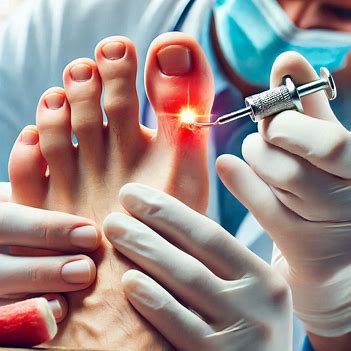
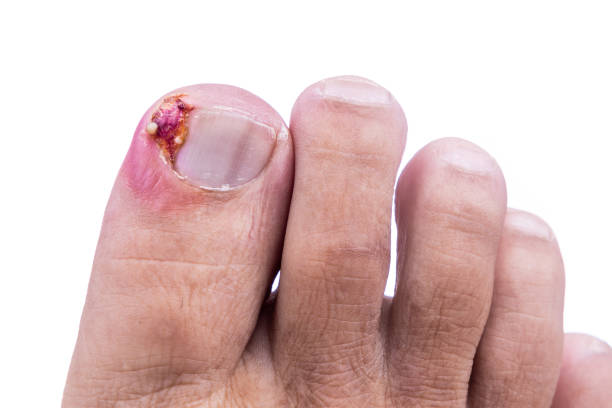
An ingrown toenail occurs when the edge of a toenail grows into the surrounding skin, leading to redness, swelling, and discomfort. The big toe is most commonly affected, but this condition can occur on any toe.
Ingrown Toenail Causes
Several factors can contribute to the development of an ingrown toenail, including:
Improper Nail Trimming Cutting nails too short or rounding the edges can encourage the nail to grow into the skin.
Ill-Fitting Footwear Shoes that are too tight or narrow put excessive pressure on the toes, increasing the likelihood of an ingrown toenail.
Genetics Some people are predisposed to ingrown toenails due to the natural shape or curvature of their nails.
Trauma Stubbing your toe or injuring it can cause the nail to grow abnormally, leading to ingrowth.
Poor Foot Hygiene Not keeping feet clean and dry can create a breeding ground for bacteria and make the condition worse.
Ingrown Toenail Pain Relief
If you’re dealing with discomfort, there are several steps you can take at home to alleviate pain:
Warm Soaks Soak your foot in warm, soapy water or a saline solution for 15-20 minutes, 2-3 times a day. This softens the skin and reduces inflammation.
Proper Footwear Avoid tight shoes and opt for open-toed or loose-fitting footwear to reduce pressure on the affected toe.
Over-the-Counter Pain Relievers Non-prescription pain medications like ibuprofen or acetaminophen can help manage pain and reduce swelling.
Topical Antibiotics Applying an antibiotic cream can prevent infection and promote healing.
Elevate the Nail Gently place a small piece of cotton or dental floss under the edge of the nail to encourage it to grow above the skin.
Ingrown Toenail Treatment
While mild cases of ingrown toenails can often be treated at home, more severe cases may require medical intervention. Treatment options include:
Partial Nail Removal A podiatrist may remove the part of the nail causing the problem. This is often done under local anaesthesia.
Nail Matrixectomy For recurring ingrown toenails, the nail bed may be partially or fully removed to prevent regrowth.
Drainage of Infection If the area is infected, the foot and ankle specialist may drain pus and prescribe antibiotics.
Orthotic Devices In some cases, custom orthotics can help distribute pressure evenly and prevent future issues.
When to See an Ingrown Toenail Specialist
It’s important to seek professional care if:
Home Remedies Aren’t Helping: Persistent pain or swelling may require expert treatment.
Signs of Infection Are Present: Redness, pus, or warmth around the nail could indicate an infection that needs medical attention.
You Have a Chronic Condition: People with diabetes, peripheral vascular disease, or compromised immune systems should consult a foot and ankle specialist promptly to avoid complications.
Prevention Tips
To minimize the risk of ingrown toenails:
Trim your nails straight across and avoid cutting them too short.
Wear shoes that provide ample room for your toes.
Practice good foot hygiene and regularly inspect your feet.
Conclusion
Ingrown toenails can be painful, but with the right approach, they’re highly manageable. Understanding the causes and knowing how to provide effective pain relief at home can make a big difference. However, if the condition worsens or becomes recurrent, consulting an ingrown toenail specialist ensures you receive the proper treatment. Don’t let an ingrown toenail hold you back—take steps to care for your feet today!
Every 21st September, we observe World Alzheimer’s Day as part of World Alzheimer’s Month. This year’s theme, “Time to Act on Dementia, Time to Act on Alzheimer’s,” highlights the urgent need for awareness, support, and action to combat Alzheimer’s diseaseand dementia. With over 55 million people worldwide living with dementia and Alzheimer’s disease, the impact is profound, affecting not only patients but also their families and communities. At SimpleeKare Health, we’re committed to educating and empowering individuals to take action in the fight against Alzheimer’s. In this guide, we’ll explore Alzheimer’s disease symptoms, prevention strategies, Alzheimer’s disease treatments, and crucial steps to support loved ones affected by this debilitating condition.
1. What is Alzheimer’s Disease?
Understanding Alzheimer’s: A Progressive Brain Disorder
Alzheimer’s disease is a type of dementia that affects memory, thinking, and behaviour. It’s a progressive condition, meaning Alzheimer’s disease symptoms gradually worsen over time. Alzheimer’s is the most common form of dementia, accounting for 60-70% of all dementia cases. The exact cause is not fully understood, but it involves abnormal changes in the brain, including the buildup of plaques and tangles that interfere with neuron function.
2. Recognizing the Early Signs of Alzheimer’s
Time to Act: Identifying Early Alzheimer’s Disease Symptoms
Early detection of Alzheimer’s disease symptoms is crucial. Some common early signs include:
Memory loss that disrupts daily life, such as forgetting important dates or events.
Difficulty planning or solving problems, like trouble following familiar recipes.
Confusion with time or place, such as forgetting where you are or how you got there.
Problems with speaking or writing, including trouble joining conversations.
Changes in mood and personality, like becoming easily upset or anxious.
If you notice these symptoms in yourself or a loved one, it’s time to act and seek medical advice from a neurologist. Early intervention can improve the quality of life and may slow the progression of symptoms.
3. The Global Impact of Alzheimer’s
Alzheimer’s is a Global Challenge
Alzheimer’s disease is not only a personal battle but also a global health crisis. According to the World Health Organization, more than 55 million people are living with dementia worldwide, with Alzheimer’s disease being the most common type. This number is expected to triple by 2050, making it critical for healthcare systems and communities to prepare for the increasing demand for care and Alzheimer’s disease treatments.
4. Why Early Diagnosis Matters
Benefits of Early Diagnosis and Intervention
An early diagnosis of Alzheimer’s disease can lead to:
Better management of symptoms through medications and therapies that may slow progression.
Access to support networks and resources, including educational materials and caregiver support.
Planning for the future, including legal, financial, and healthcare decisions.
Being proactive in recognizing the symptoms and seeking a diagnosis can greatly enhance a patient’s ability to manage the disease and maintain independence for as long as possible.
5. How to Support a Loved One with Alzheimer’s
Practical Ways to Offer Care and Support
Caring for someone with Alzheimer’s can be challenging, but there are ways to offer effective support:
Create a safe environment by minimizing hazards and ensuring the home is easy to navigate.
Establish a routine that helps reduce confusion and anxiety.
Use clear communication by speaking slowly, maintaining eye contact, and avoiding complex sentences.
Encourage mental and physical activities like puzzles, reading, and walking, which can help stimulate the brain.
Be patient and empathetic, recognizing that mood swings and memory lapses are part of the condition.
Providing care and emotional support, while considering ongoing treatments, can help improve the quality of life for both patients and caregivers.
6. Lifestyle Changes to Lower Your Risk
Time to Act: Prevention Through Healthy Living
While there’s no definitive way to prevent Alzheimer’s, research suggests that certain lifestyle choices can reduce the risk:
Stay physically active: Regular exercise helps improve blood flow to the brain, which may lower the risk of developing symptoms.
Eat a brain-healthy diet, such as the Mediterranean diet, which is rich in fruits, vegetables, and healthy fats.
Stay mentally engaged: Puzzles, reading, and learning new skills may help build cognitive reserves and delay the onset of Alzheimer’s symptoms.
Manage chronic conditions: Keep high blood pressure, diabetes, and cholesterol under control to reduce risk factors.
Stay socially connected: Engaging in meaningful social activities can protect against cognitive decline.
Making these changes now can help reduce the likelihood of developing the symptoms later in life and minimize the need for future Alzheimer’s treatments.
7. Time to Act: SimpleeKare Health’s Role in Alzheimer’s Support
How SimpleeKare Health Can Help
At SimpleeKare Health, we understand the profound impact Alzheimer’s disease has on individuals and families. Our team is dedicated to offering comprehensive care, including Alzheimer’s disease diagnostics and treatments, alongside resources for patients and caregivers. From diagnostic services to caregiver support programs, we are here to guide you every step of the way. By acting now, we can make a difference in the lives of those affected by Alzheimer’s disease.
Conclusion
As we observe World Alzheimer’s Month this September, it’s more important than ever to take action. Whether it’s learning the early signs, making lifestyle changes to lower your risk, or supporting a loved one, now is the time to act. Alzheimer’s disease affects millions, but together, through awareness, treatments, and proactive steps, we can slow its impact and improve the quality of life for those affected. At SimpleeKare Health, we are committed to helping you navigate this journey with compassion and expertise.
Contact us today to learn more about our services, including Alzheimer’s disease treatments, and how we can support you and your family in managing Alzheimer’s disease.
The recent outbreak of Mpox, commonly known as Monkeypox, has escalated concerns worldwide. World Health Organization (WHO) Director-General Dr. Tedros Adhanom Ghebreyesus has declared that the upsurge of Mpox cases in the Democratic Republic of the Congo (DRC) and other countries in Africa constitutes a Public Health Emergency of International Concern (PHEIC) under the International Health Regulations (2005). This declaration underscores the severity of the situation and the potential for the virus to spread further across Africa and possibly beyond the continent.
While the global situation is concerning, a Health Ministry official in India has reassured that the risk of a large outbreak of mpox is low in India for now. This assessment suggests that while vigilance is necessary, widespread transmission within India is not expected at this time. As the virus continues to spread in many countries, it is crucial to be informed about the symptoms, modes of transmission, and how to protect yourself and others from this disease.
Understanding Mpox
Monkeypox is a viral zoonotic disease, transmitted from animals to humans. The virus responsible for Mpox is related to the variola virus, which causes smallpox. Although Mpox is generally less severe, it is preventable. The recent outbreak has been particularly concerning due to its spread outside regions where the virus is typically endemic. The WHO’s declaration highlights the need for global vigilance and coordinated efforts to contain the virus.
Symptoms of Monkeypox
Monkeypox symptoms usually appear within 7 to 14 days after exposure, but the incubation period can range from 5 to 21 days. Key symptoms include:
Fever
Headache
Muscle aches
Backache
Swollen lymph nodes
Chills
Exhaustion
Painful or Difficult Urination
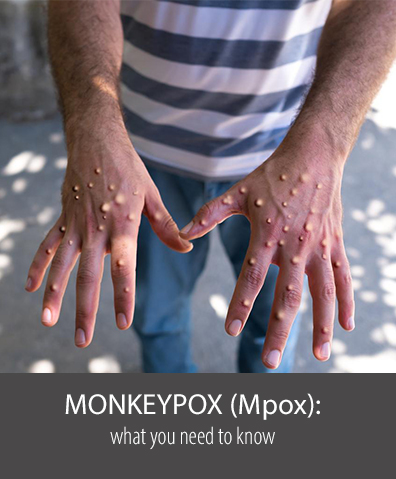
A rash that often begins on the face and spreads to other parts of the body, including the palms, soles, and genital areas. The rash typically progresses from flat lesions to raised bumps, blisters, and finally, scabs.
How Monkeypox Spreads
Monkeypox spreads through close contact with an infected person or animal, as well as through contact with contaminated materials. The WHO has highlighted the potential for the virus to spread across countries, making it essential to be aware of how transmission occurs. This includes:
Direct contact with the rash, sores, or scabs of an infected person.
Respiratory droplets from prolonged face-to-face contact.
Bodily fluids from an infected individual.
Contaminated objects, such as bedding or clothing.
Sexual contact, where close physical interaction can lead to transmission.
It’s important to note that most cases in this outbreak have been reported among men who have sex with men. This does not mean that Monkeypox is limited to this group, but it does indicate that certain populations may be at higher risk and should take extra precautions.
Monkeypox Transmission Through Sexual Contact:
Risk with Multiple or New Partners: Engaging in sexual activity with multiple or new partners increases the risk of contracting monkeypox. Close physical contact, including sex, is a primary way the virus spreads.
Regular Symptom Checks: Regularly check for symptoms of monkeypox and encourage your sexual partners to do the same. Early detection can prevent further spread.
Reduce Number of Sexual Partners: If monkeypox is impacting your community, consider reducing the number of sexual partners. Waiting for a while before engaging in sex with a new partner or taking a break from sexual activity can lower your risk.
Open Communication: Maintain open and non-judgmental communication with your partners. Swap contact information, so you can stay in touch and monitor each other’s symptoms. This transparency can help in managing potential exposures.
Condom Use: While condoms are effective at preventing STIs and may reduce the risk of exposure to monkeypox, they do not fully prevent infection. Monkeypox can spread through any close physical contact, so other preventive measures should also be taken.
This comprehensive approach can help reduce the risk of monkeypox transmission while maintaining sexual health.
Protecting Yourself from Monkeypox
Given the WHO’s declaration of Mpox as a public health emergency, it is more important than ever to take preventive measures:
Avoid close contact with anyone exhibiting symptoms.
Practice good hygiene, including frequent handwashing.
Avoid sharing personal items with those who are sick.
Be cautious during intimate contact, particularly sexual activity, to prevent transmission.
Know the symptoms & check regularly.
Get vaccinated, if it is available to you.
What to Do If You Think You Have Monkeypox
If you suspect you have contracted Monkeypox, it is critical to act quickly to prevent further spread:
At SimpleeKare, we understand the growing concerns around Monkeypox, particularly in light of the recent WHO declaration. Our team is committed to keeping you informed and protected. If you have any concerns or need guidance, our healthcare professionals are here to help. Stay informed, stay safe, and let’s work together to prevent the spread of Monkeypox.
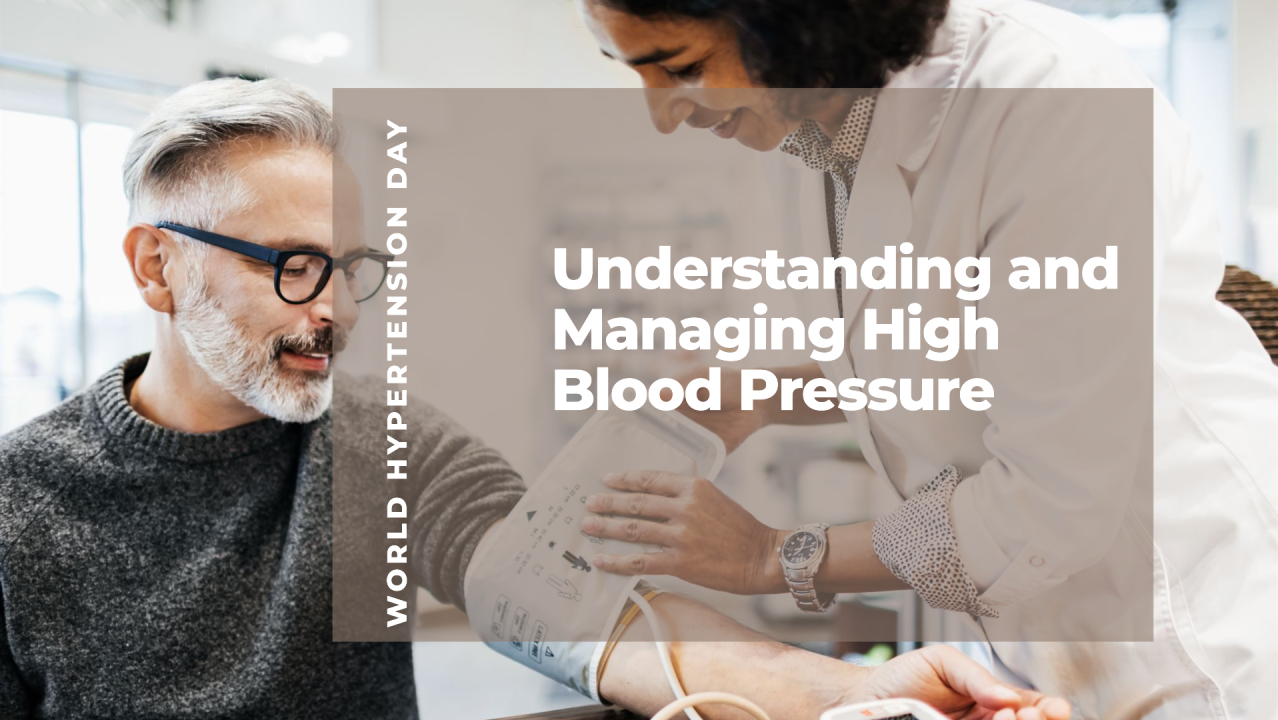
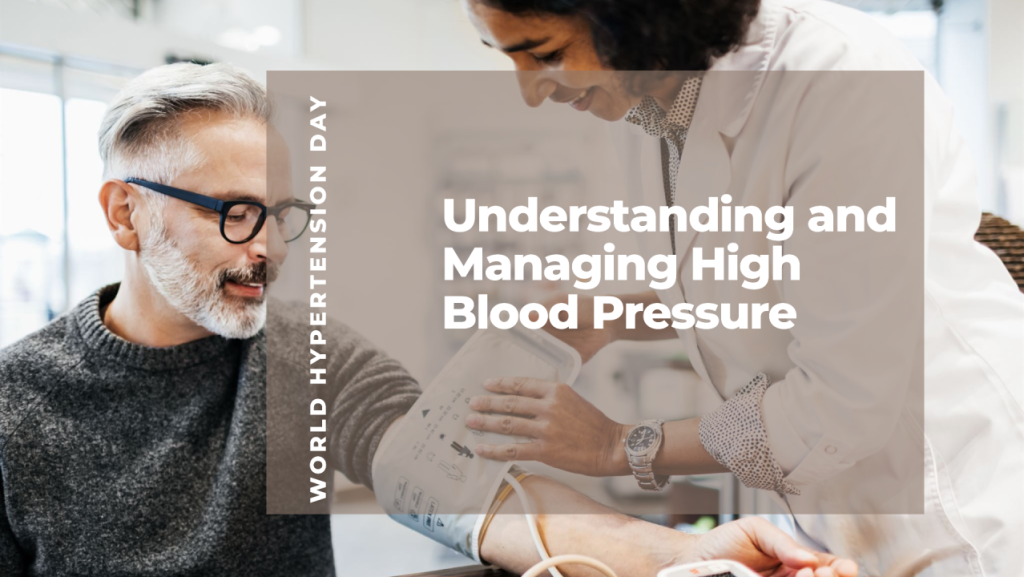
Hypertension, or high blood pressure, is a silent killer that affects millions worldwide. World Hypertension Day, observed on May 17th every year, aims to raise awareness about the importance of preventing, detecting, and controlling hypertension.
This year, the theme focuses on “Measure Your Blood Pressure Accurately, Control It, Live Longer.”
Understanding Hypertension
Hypertension is a common but serious health condition where the force of the blood against the walls of the arteries is consistently too high. It is a major risk factor for heart disease, stroke, and other health problems. Yet, it often goes unnoticed because it has no symptoms in its early stages. That’s why regular blood pressure checks are crucial, especially for those at higher risk, such as older adults, people with a family history of blood pressure, and individuals with unhealthy lifestyle habits.
Prevention of Hypertension
Preventing hypertension involves adopting a healthy lifestyle. This includes:
Eating a Healthy Diet: A diet rich in fruits, vegetables, whole grains, and low-fat dairy products can help lower blood pressure. It’s important to reduce sodium intake and limit the consumption of processed and high-sodium foods.
Maintaining a Healthy Weight: Being overweight or obese increases the risk of hypertension. Losing weight through a combination of healthy eating and regular physical activity can help lower blood pressure.
Regular Physical Activity: Engaging in regular physical activity, such as brisk walking, jogging, or cycling, can help lower blood pressure and improve overall health.
Limiting Alcohol Consumption: Drinking too much alcohol can raise blood pressure. It’s important to limit alcohol intake to reduce the risk of it.
Avoiding Tobacco Use: Smoking and tobacco use can raise blood pressure and damage blood vessels. Quitting smoking is essential for reducing the risk of hypertension and other health problems.
Increase Potassium Intake: Potassium helps balance sodium levels in the body, which is important for maintaining healthy blood pressure. Foods rich in potassium include bananas, oranges, potatoes, and spinach.
Stay Active: Regular physical activity can help lower blood pressure. Aim for at least 150 minutes of moderate-intensity exercise per week, such as brisk walking or cycling.
Seek Support: Managing it can be challenging, so don’t hesitate to seek support from friends, family, or a support group.
Detection: Regular blood pressure checks are vital for early detection of hypertension. SimpleeKare Health provides easy access to blood pressure monitoring through their platform. By measuring your blood pressure accurately and regularly, you can detect it early and take steps to control it.
Control: Controlling it requires a multi-faceted approach. Lifestyle changes play a significant role, but medication may also be necessary in some cases. It’s important to follow your healthcare provider’s advice and take prescribed blood pressure medicines as directed. SimpleeKare Health offers consultations with healthcare professionals who can provide personalized guidance on managing hypertension.
SimpleeKare Health’s Role:
SimpleeKare Health is committed to promoting hypertension awareness and control. Through their platform, they offer resources and support for individuals looking to manage their blood pressure effectively. Whether it’s through educational materials, health packages, online consultations with healthcare providers, or access to blood pressure monitoring devices, SimpleeKare Health strives to empower individuals to take control of their hypertension.
Hypertension is a serious health condition that requires proactive management and lifestyle changes. By adopting a healthy lifestyle, monitoring your blood pressure regularly, and seeking appropriate medical care, you can reduce your risk of developing complications associated with it. On this World Hypertension Day, let’s pledge to prioritize our heart health. Take the first step towards better heart health by measuring your blood pressure and making positive changes for a healthier tomorrow. Remember, small changes can lead to significant improvements in your overall health and well-being.