In today’s fast-paced world, managing your health and your family’s well-being shouldn’t feel overwhelming. That’s why SimpleeKare Health Membership Plan are thoughtfully designed to simplify healthcare for everyone — from busy professionals and working parents to caregivers of elderly family members. These annual subscription plans offer convenient access to doctors, priority appointments, discounted lab tests and medications, and hassle-free follow-ups—all under one umbrella. Whether you’re staying proactive about health or managing chronic care needs, it’s the easiest way to get reliable, affordable care without stress or delays.
Let’s break down what each health subscription program offers and how it can transform your healthcare experience.
🩺 Why Choose SimpleeKare Health?
SimpleeKare Health is a multispeciality hospital in Bhubaneswar, committed to making preventive and primary healthcare simpler. With affordable annual subscription plans tailored for individuals and families, we offer unmatched value with real, practical benefits — from doctor consultations to diagnostic tests, home sample collection, and even pharmacy discounts.
🌟 Key Benefits of the Membership Plans
✅ Unlimited Virtual Consultations
From the comfort of your home, speak to experienced general physicians online in our membership plan. Premium plan users get unlimited virtual consults, while Family and Basic plans offer regular access as well.
🏥 Discounts on Clinic & Diagnostic Services
Members of this subscription plan enjoy up to 30% discounts on in-person consultations and advanced lab tests across SimpleeKare’s partner network.
🧪 Free Annual Health Check-Ups
Stay proactive with your health. Every membership plan includes at least one free health check-up, and the Premium plan offers four advanced lab tests per year including FBS & PPBS.
🏠 Convenient Home Services for Elderly
From free home sample collection to elderly nursing visits, the Family and Premium plans ensure convenience, especially for those who need regular care.
💊 Pharmacy Perks
Enjoy up to 15% off on medicines and free home delivery — no need to step out when you’re unwell.
💡 Who Should Choose What?
Basic Plan (₹1,999/year): Ideal for individuals who want essential healthcare benefits at a minimal cost.
Family Plan (₹3,999/year): Great for couples or small families looking for a cost-effective yet comprehensive healthcare solution.
Premium Plan (₹8,999/year): Best for larger families or those who want maximum coverage, frequent testing, and specialist access.
🔚 Final Thoughts
Health is wealth — and with SimpleeKare private nursing care at home, you don’t have to break the bank to stay well. These thoughtfully designed plans give you year-round peace of mind, personalized care, and real savings on essential services.
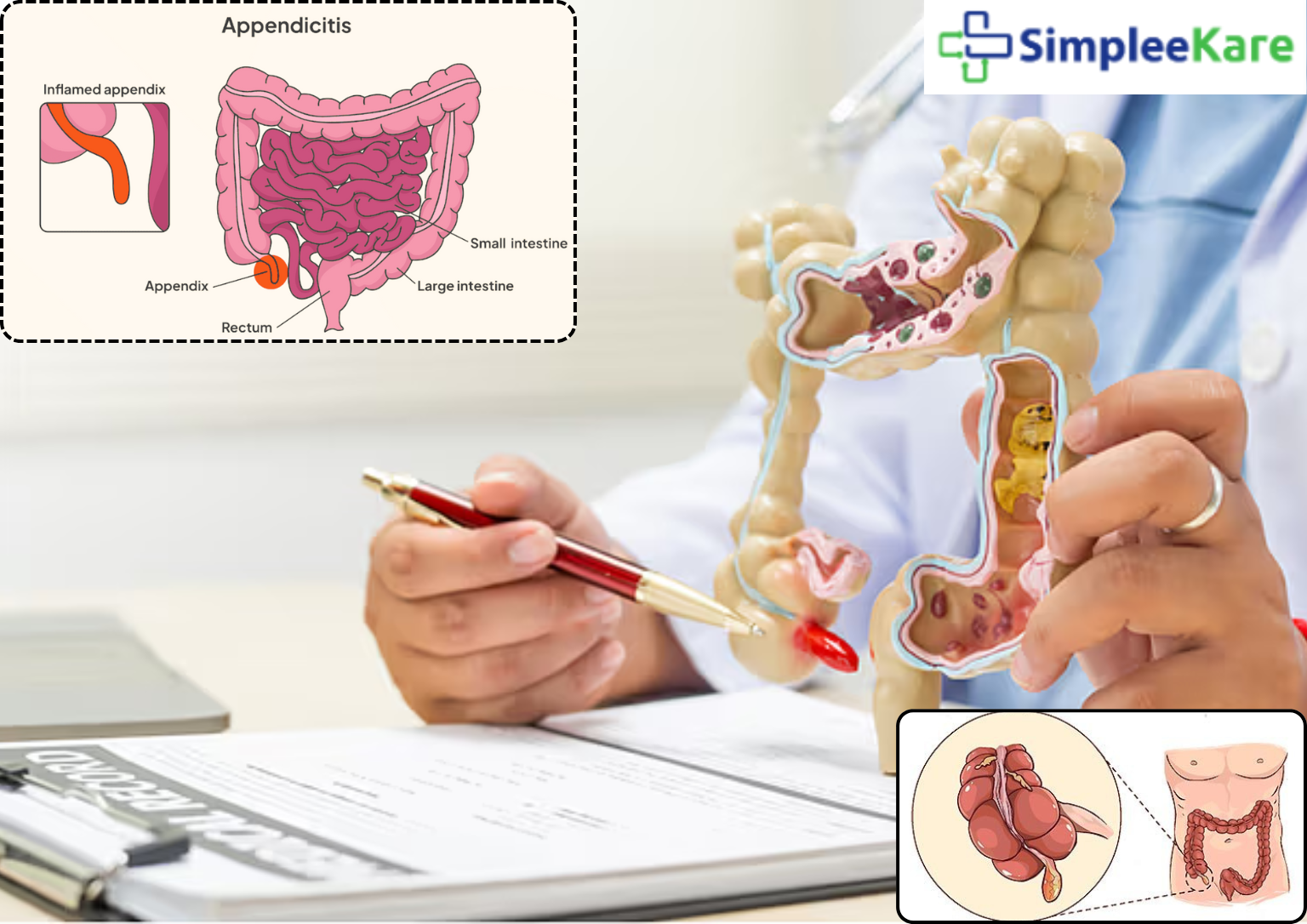
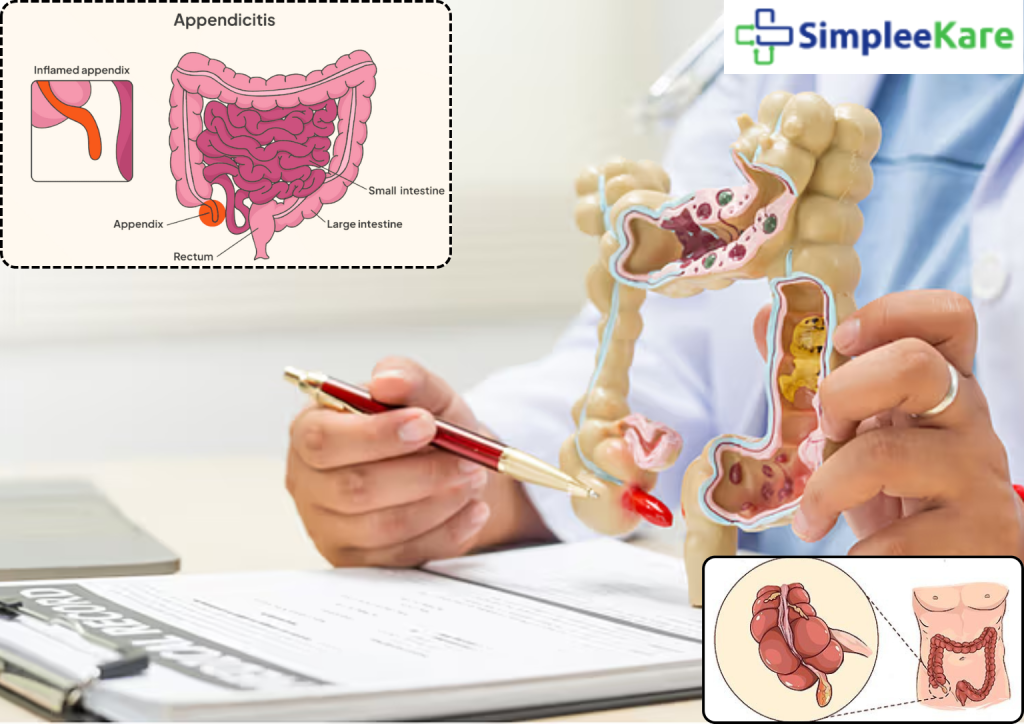
Appendicitis is a medical emergency that occurs when the appendix—a small, tube-like organ attached to the large intestine—becomes inflamed. It is one of the most common causes of sudden abdominal pain that requires surgery. If left untreated, an inflamed appendix can rupture, leading to serious infections and complications. Fortunately, with modern surgical techniques available across India, appendicitis is highly treatable.
What is Appendicitis?
Appendicitis is the inflammation of the appendix, typically caused by a blockage. It can affect people of all ages but is most common in individuals between 10 and 30 years of age. The inflammation can worsen quickly, which is why prompt diagnosis and treatment are essential.
Common Symptoms of Appendicitis
Recognizing the symptoms of appendicitis is crucial for timely treatment. Key signs include:
Sudden pain starting around the belly button and shifting to the lower right abdomen
Loss of appetite
Nausea and vomiting
Fever and chills
Abdominal bloating or swelling
Pain worsening with movement, coughing, or deep breaths
If you or someone you know experiences these symptoms, seek immediate medical attention to avoid complications.
Causes of Appendicitis
Appendicitis usually results from a blockage in the appendix. Common causes include:
Hardened stool (fecalith)
Enlarged lymphoid follicles
Parasitic or bacterial infections
Trauma or foreign bodies
This blockage can cause bacterial overgrowth, leading to inflammation, infection, and potential rupture.
Diagnosis and Evaluation
Doctors diagnose appendicitis based on physical examination, symptoms, and diagnostic tests like:
Quick diagnosis ensures timely surgery and minimizes the risk of complications.
Appendicitis Surgery in India
The most effective treatment for appendicitis is appendectomy—the surgical removal of the appendix. In India, two main surgical options are available:
Laparoscopic Appendectomy This is a minimally invasive surgery performed through small incisions using a camera and special instruments. It offers faster recovery, less pain, and minimal scarring. Patients can usually go home within 24–48 hours.
Open Appendectomy In cases where the appendix has ruptured or if laparoscopy is not possible, open surgery is performed. This involves a larger incision and may require a longer hospital stay.
Recovery After Surgery
Most patients recover within 1–3 weeks after laparoscopic surgery. Post-surgery care includes:
Taking prescribed antibiotics and pain relievers
Avoiding strenuous activities for a few weeks
Maintaining a light diet initially
Attending follow-up appointments
Cost of Appendicitis Surgery in India
The cost of appendicitis surgery in India is affordable compared to many other countries. On average,Costs may vary depending on the hospital, city, and complexity of the case.
Conclusion
Appendicitis requires immediate medical attention. With advancements in surgical care, appendicitis surgery in India is both safe and affordable. If you or a loved one experiences symptoms of appendicitis, consult a healthcare provider immediately. Early diagnosis and timely surgery can prevent serious health risks and ensure a smooth recovery.
Don’t ignore signs of appendicitis. Early consultation with a specialist can save you from complications. Book your appointment today for appendicitis and take the first step towards safe and effective treatment
What is Cholera? A Doctor’s Guide to Staying Safe in 2025
Cholera is a potentially fatal bacterial disease affecting 1 to 4 million people annually, causing up to 143,000 deaths worldwide. Odisha has recently faced a severe cholera outbreak, with 24 deaths and over 2,500 people affected across nine districts.
Caused by the bacterium Vibrio cholerae, cholera spreads through contaminated food and water, particularly in areas with poor sanitation. While many infected people remain asymptomatic, the disease can lead to severe dehydration and death without timely treatment.
In this guide, we’ll cover the causes, symptoms, prevention strategies, and treatment options to help you and your community stay safe—especially during monsoon season when the risk in Odisha rises sharply.
How Cholera Spreads
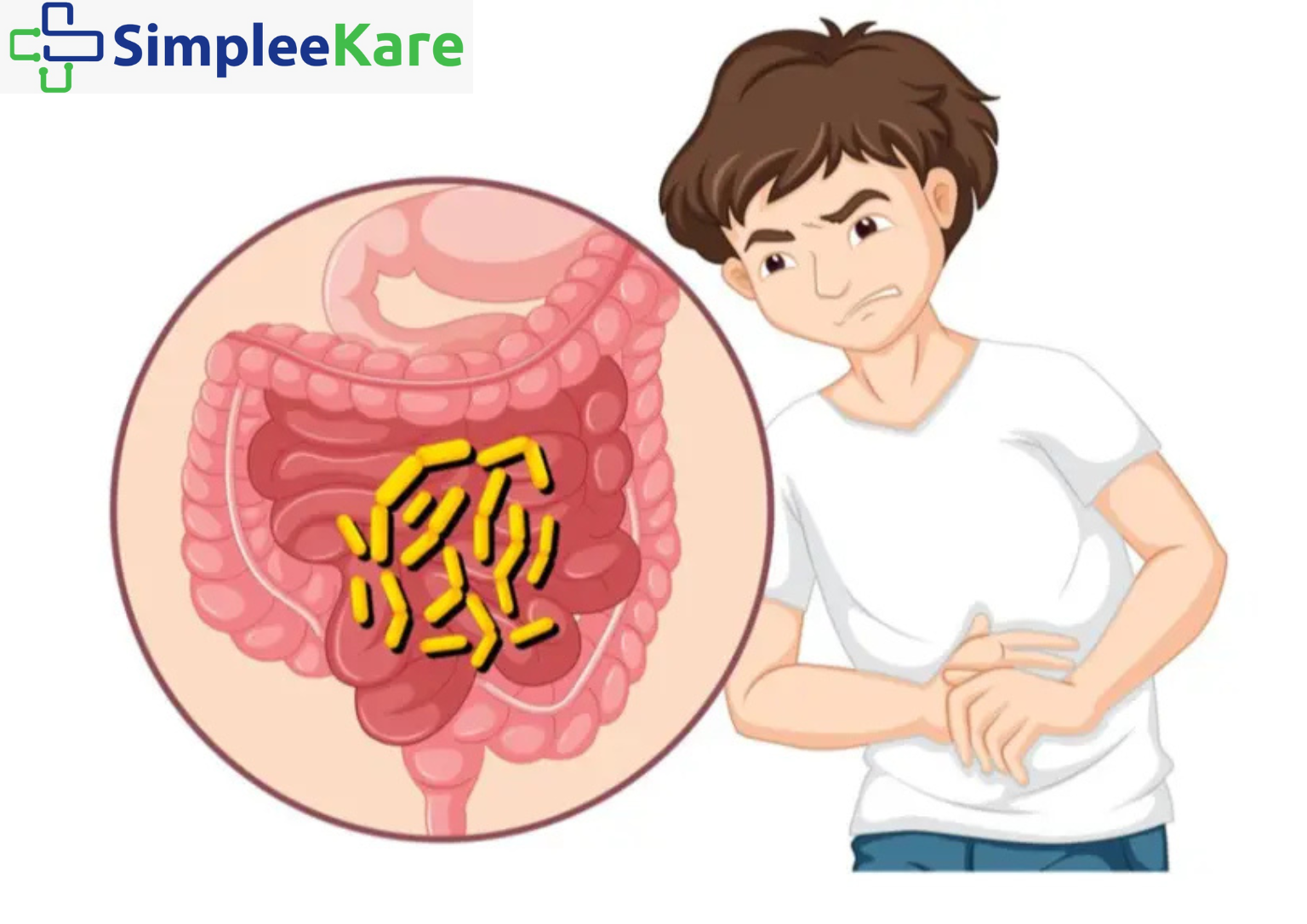
Cholera is caused by the Vibrio cholerae bacterium, which infects the small intestine and produces toxins that trigger massive water loss from the body.
Infection Process
After ingestion, the bacteria attach to the intestinal lining, releasing toxins that block normal fluid absorption. This leads to rapid dehydration and loss of vital electrolytes. Symptoms can appear within 12 hours to 5 days of exposure.
Common Sources of Contamination
Contaminated water – especially from public sources, wells, or floodwater
Raw or undercooked seafood – especially shellfish from polluted areas
Raw fruits/vegetables – grown or washed with contaminated water
Street food – particularly if hygiene standards are poor
Cooked grains like rice – left at room temperature for too long
The risk of cholera outbreaks increases in Odisha during monsoons, when flooding contaminates water sources.
Is Cholera Bacterial or Viral?
Cholera is a bacterial infection caused by toxigenic Vibrio cholerae strains, particularly serogroups O1 and O139. It does not spread through coughing or touching but requires ingestion of contaminated food or water.
Recognizing Symptoms
Early detection of cholera can save lives. Most cases are mild or asymptomatic, but about 1 in 10 people develop severe illness.
Common Symptoms
Sudden onset of watery diarrhea (“rice-water” appearance)
Severe dehydration can cause death in under 12 hours without treatment.
Cholera Symptoms in Children
Children often have the same symptoms as adults but are more vulnerable to complications:
Faster heart rate
Lethargy or sleepiness
Sunken eyes or absence of tears
Risk of hypoglycemia (low blood sugar), which may lead to unconsciousness
Parents in Odisha should be especially vigilant during monsoon months.
Prevention: Stay Protected in 2025
Safe Water Practices
Boil water for at least 1 minute before drinking
Use chlorine tablets or approved purification solutions
Use filters with 0.3-micron pores or smaller
Store water in clean, covered containers
Food Hygiene Tips
Follow: “Boil it, peel it, or leave it”
Cook food thoroughly, especially seafood
Peel fruits and avoid eating raw unpeeled items
Reheat leftovers fully before eating
Handwashing Matters
Wash hands with soap and water before eating or preparing food
Wash after using toilets, cleaning children, or caring for the sick
Use 60%+ alcohol sanitizers if soap isn’t available
Community Sanitation
Use toilets or dig temporary latrines away from water sources
Don’t bathe or wash near drinking water points
Support local drives to chlorinate water tanks and promote hygiene
Cholera Vaccination in Bhubaneswar : Who Needs It?
Oral cholera vaccines like Dukoral®, Euvichol-Plus®, and Vaxchora® offer short-term protection and are recommended for:
Residents of outbreak-prone areas
People in humanitarian crisis zones
Travelers to endemic regions
However, vaccines are not a substitute for clean water and hygiene.
Cholera Treatment & Emergency Actions
Oral Rehydration Solution (ORS)
ORS is the first line of treatment. It replaces lost fluids and electrolytes and can be made at home:
Mix 6 tsp sugar + ½ tsp salt in 1 liter of boiled water
Children aged 6 months to 5 years should also receive zinc supplements for faster recovery.
Antibiotics
Used in moderate to severe cases, antibiotics like:
Doxycycline
Azithromycin
Ciprofloxacin
These reduce fluid loss and shorten illness duration.
Intravenous (IV) Fluids
For those who lose over 10% of body weight in fluids, IV rehydration is necessary. Ringer’s lactate is typically used to restore electrolytes and prevent shock.
What to Do if Symptoms Appear ?
Start ORS immediately, even en route to a clinic
Avoid sugary drinks – they worsen diarrhea
Continue breastfeeding for infants
Get medical help as soon as possible
Precautions During an Outbreak
Share verified information via radio, texts, or social media
Healthcare workers should use gloves, masks, and follow hand hygiene
Monitor symptoms closely in children and elderly
Travel Tips to High-Risk Areas
Carry ORS packets, chlorine tablets, and bottled water
Avoid raw food or unsealed water
Remember: “Boil it, cook it, peel it, or forget it“
Conclusion: Simple Steps Can Save Lives
Cholera continues to be a serious threat during Odisha’s monsoon season. But with basic preventive steps—like boiling water, practicing hygiene, and seeking early treatment—it can be controlled.
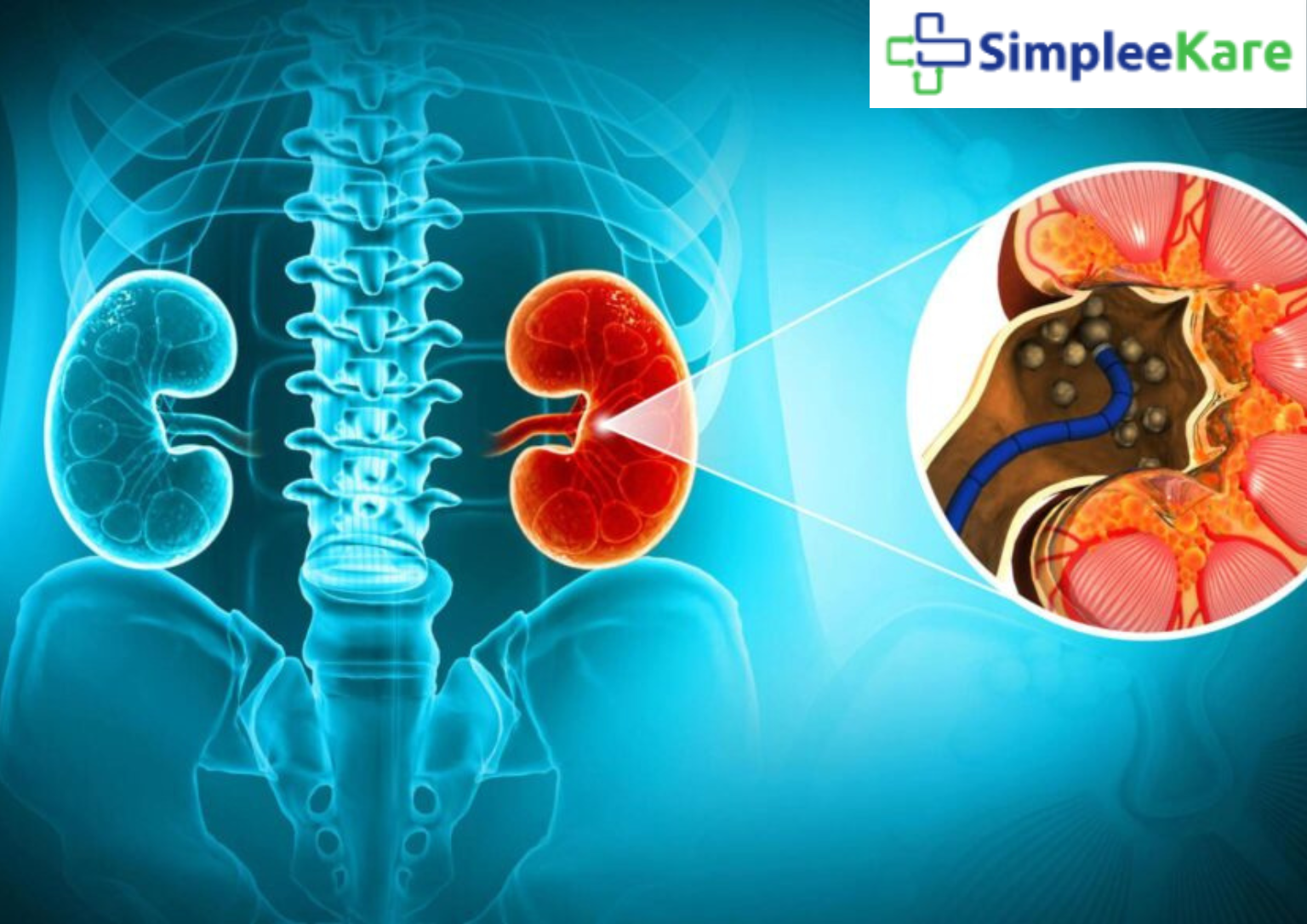
Kidney stones are a painful and common urological condition that can disrupt daily life and cause significant discomfort.
In recent years, Bhubaneswar has emerged as a hub for advanced kidney stone treatment, offering safe and effective surgical solutions. If you’re struggling with kidney stones, getting timely care from experienced specialists in Bhubaneswar can ensure a smooth and successful recovery.
Understanding Kidney Stones
Kidney stones are hard mineral deposits that form in the kidneys. They can vary in size and composition and often cause severe pain when they move through the urinary tract. Common symptoms include:
Intense pain in the back or side
Painful or frequent urination
Blood in urine
Nausea and vomiting
When lifestyle changes, medications, or non-invasive methods are ineffective, surgery becomes the most viable option.
A minimally invasive procedure where a thin scope is inserted through the urethra to locate and remove the stone. It is ideal for stones located in the ureter or lower kidney.
2. Percutaneous Nephrolithotomy (PCNL)
Recommended for large or complex stones, this procedure involves making a small incision in the back to directly access and remove the stone from the kidney.
3. Laser Lithotripsy
A laser is used to break stones into smaller fragments, which are then passed naturally through the urine. This is a safe and effective method with minimal recovery time.
4. Extracorporeal Shock Wave Lithotripsy (ESWL)
A non-surgical option that uses shock waves to break stones into smaller pieces. Suitable for small to medium-sized stones.
Why Choose Kidney Stone Surgery in Bhubaneswar?
Bhubaneswar is home to some of the best urologists and surgical centers that offer world-class treatment. Here’s why you should consider getting your treatment here:
Expert Urologists: Highly qualified and experienced doctors skilled in minimally invasive techniques.
Advanced Technology: State-of-the-art facilities with the latest diagnostic and surgical equipment.
Personalized Care: Patient-centric approach with detailed pre- and post-operative support.
Affordable Packages: Cost-effective treatment plans compared to major metro cities without compromising quality.
Post-Surgery Recovery and Care
Most kidney stone surgeries in Bhubaneswar offer quick recovery times. Patients are usually discharged within 24–48 hours, depending on the procedure. Doctors provide comprehensive guidance on diet, hydration, and lifestyle to prevent future stones.
Final Thoughts
Living with kidney stones can be debilitating, but you don’t have to endure the pain. With safe and effective kidney stone surgery in Bhubaneswar, you can regain your health under the care of expert hands. If you’re experiencing persistent symptoms, consult a urologist today and take the first step toward a pain-free life.
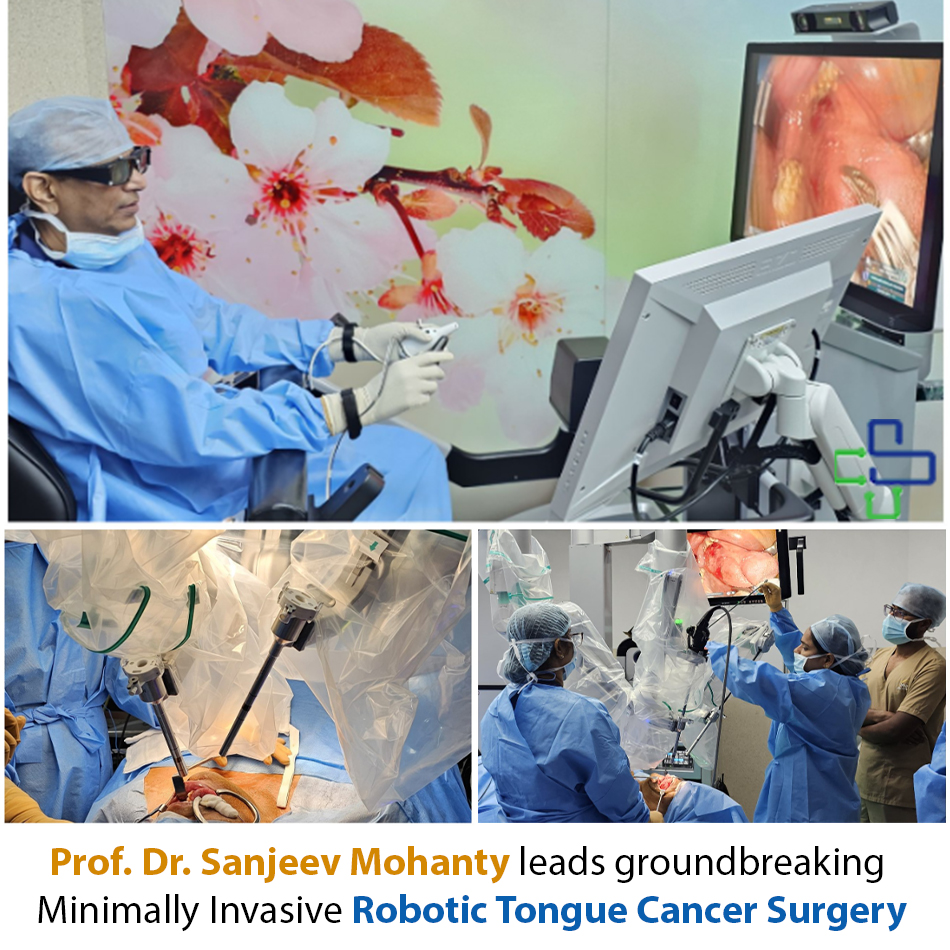
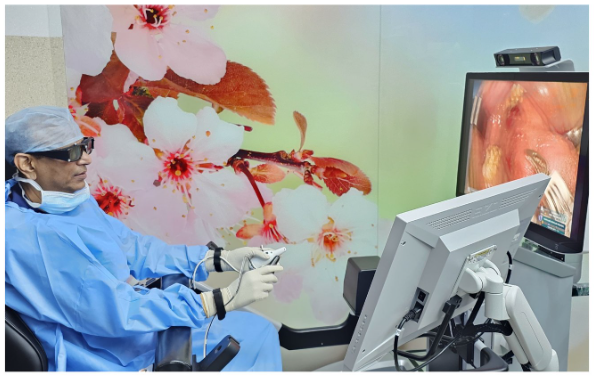
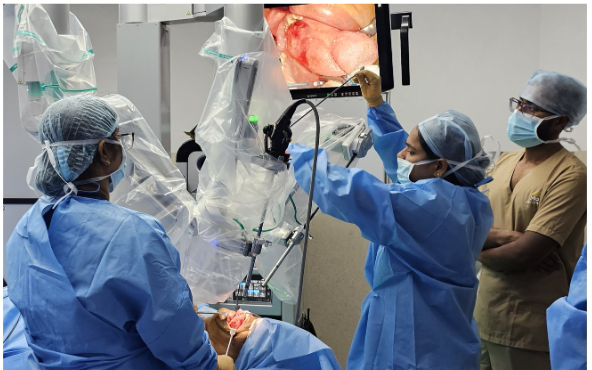
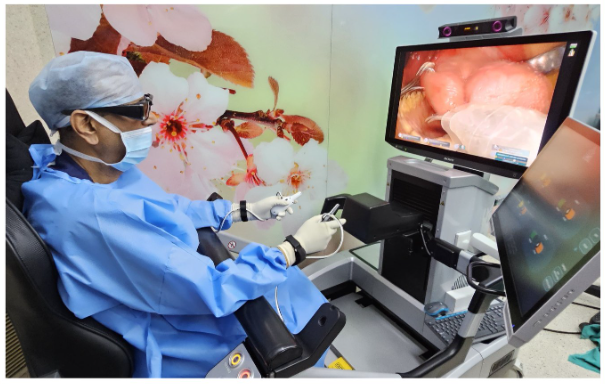
SimpleeKare Health, Bhubaneswar, proudly celebrates a medical milestone under the leadership of Prof. Dr. Sanjeev Mohanty, Head of ENT, Head & Neck Surgery. In a pioneering achievement that redefines cancer treatment, Dr. Mohanty successfully performed a minimally invasive Transoral Robotic Surgery (TORS) on a 58-year-old male patient with advanced tongue cancer—ushering in a new era of precision, safety, and faster recovery in oncological care.
PROF DR SANJEEV MOHANTY PERFORMING TRANSORAL ROBOTIC SURGERY
Patient Success Story: From Fear to Full Function
The patient, a 58-year-old man, had been diagnosed with a locally advanced tongue carcinoma, struggling with symptoms including slurred speech, swallowing difficulty, oral pain, and weight loss. Given the tumor’s position deep within the base of the tongue, conventional surgery posed serious risks—potential speech impairment, cosmetic disfigurement, and prolonged recovery.
When referred to SimpleeKare Hospital, he was offered a breakthrough alternative: robot-assisted minimally invasive tongue cancer surgery using the Transoral Robotic Surgery (TORS) system. The result? A precise tumor resection through the mouth—without a neck incision or jaw splitting. Today, the patient is recovering well with preserved speech and swallowing functions, back home within days of the procedure.
Quote from the Tongue Cancer Patient’s Family
“We were initially devastated by the cancer diagnosis and fearful of the surgical consequences. But after meeting Dr. Mohanty, we were assured of the best care possible. He explained the robotic surgery in detail, and today, our father speaks and eats like before. We are beyond grateful.”
Understanding Tongue Cancer and Its Surgical Challenges
Tongue cancer, particularly at the base of the tongue, is one of the more challenging cancers to treat. Traditional open surgeries often require large external incisions, mandibulotomy (jaw splitting), or tracheostomy, which can result in significant post-surgical complications, long recovery time, and impaired quality of life.
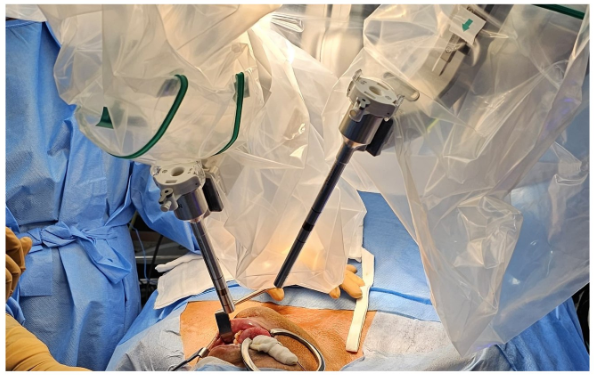
Robotic surgery, particularly Transoral Robotic Surgery (TORS), is a revolutionary advancement that allows head and neck surgeons to operate through the mouth using precision instruments, offering:
A clear 3D view of deep anatomical structures
Fine control and dexterity
Minimally invasive access to difficult-to-reach tumors
The Clinical Breakthrough: What Makes This Robotic Surgery Special?
This case was unique and demanding. The tumor’s proximity to critical nerves and blood vessels made complete excision without damage extremely challenging.
Prof. Dr. Sanjeev Mohanty, leveraging his decades of surgical experience and newly acquired robotic expertise, led a skilled team using the TORS system. The advantages of this approach were remarkable:
Key Benefits of Robotic Tongue Cancer Surgery
Outcome for the Patient
No external incisions
No facial scarring or jaw opening
Precise tumor margin control
Complete tumor removal with clear margins
Preservation of vital nerves and muscles
Normal speech and swallowing maintained
Minimal blood loss
Shorter surgery time and faster recovery
Reduced hospital stay
Discharged within a few days post-surgery
Quote from Dr. Sanjeev Mohanty
“Robotic surgery represents a quantum leap in head and neck cancer care. In this case, we achieved complete tumor excision through the mouth, without compromising the patient’s functionality or appearance. My transition from laser-based to robotic surgery has been driven by the pursuit of better outcomes and faster recovery for our patients.”
Why Robotic Surgery Matters
Robotic systems bring unmatched stability, visualization, and access, especially in confined spaces like the oropharynx (base of tongue, tonsils, soft palate). For patients, it means:
Minimal trauma
Lower risk of complications
Faster return to normal life
Fewer long-term side effects
TORS is now considered the standard of care for select tongue and oropharyngeal cancers, especially when combined with a multidisciplinary team that includes oncologists, speech therapists, and rehabilitation experts.
About Prof. Dr. Sanjeev Mohanty
Dr. Sanjeev Mohanty is a national authority in ENT and head & neck oncology, MGM Healthcare, Chennai . With a proven track record in laser surgery, he has now seamlessly integrated robotic surgical expertise into his practice—further strengthening SimpleeKare Health’s status as a center of excellence for advanced ENT and cancer care.
👨⚕️ About Dr. Sanjeev Mohanty:
✔️ Senior Consultant – MGM Healthcare, Chennai
✔️ Renowned for expertise in advanced ENT care
✔️ Pioneer in robotic & minimally invasive ENT surgery
Dr. Mohanty highlights how timely diagnosis and ENT consultation can prevent long-term complications.
SimpleeKare Health: Leading the Way in Advanced Surgical Care
Located in Bhubaneswar, SimpleeKare Health offers a full range of diagnostic and surgical services with an emphasis on minimally invasive and robotic techniques. With access to cutting-edge technology and a team of specialists, the hospital ensures:
Patient-centric care
Transparent medical communication
Holistic post-operative rehabilitation
Contact Information for Consultation with Dr Sanjeev Mohanty
This successful robotic tongue cancer surgery exemplifies the future of oncology treatment—precision without compromise. Thanks to Prof. Dr. Sanjeev Mohanty’s expertise and SimpleeKare’s state-of-the-art infrastructure, patients in Eastern India now have access to world-class cancer surgery closer to home.
If you or a loved one is facing a complex head or neck condition, know that compassionate and cutting-edge care is available at SimpleeKare Health, Bhubaneswar.
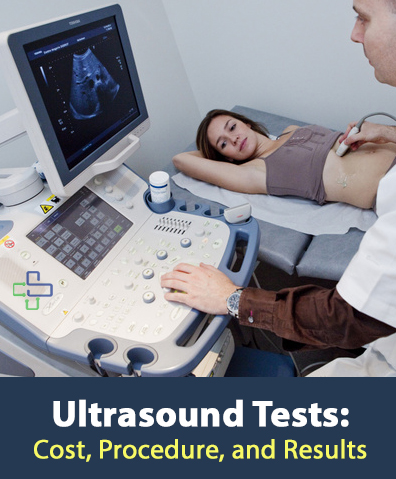
Ultrasound is a widely used diagnostic imaging technique that helps visualize internal organs, tissues, and blood flow. It is a non-invasive, painless, and safe procedure that uses sound waves to create real-time images of the body’s internal structures. Whether you’re undergoing an ultrasound for pregnancy monitoring, abdominal scans, or other medical evaluations, understanding the cost and procedure can help you make informed decisions.
What is the Cost of an Ultrasound Test?
The cost of an ultrasound test varies based on the type of scan, the facility, and the location. If you’re searching for an ultrasound test price in Bhubaneswar, you’ll find that costs range from ₹500 to ₹3000, depending on the type of ultrasound required. Some of the key factors affecting the cost include:
Type of ultrasound: Abdominal, pelvic, Doppler, or pregnancy scans have different price ranges.
Diagnostic center: The cost may vary between hospitals, private diagnostic centers, and specialized clinics.
Technology used: Advanced ultrasound machines with Doppler imaging or 3D/4D capabilities may have higher costs.
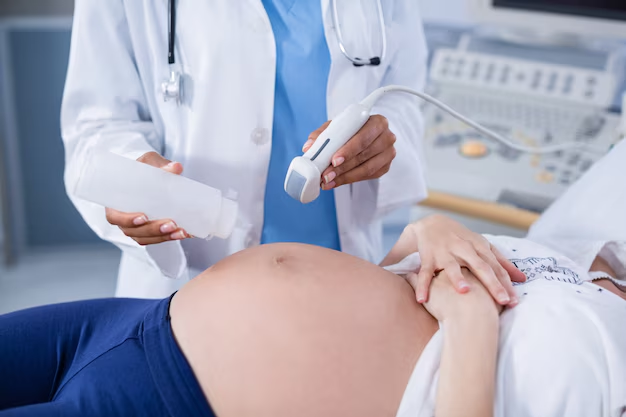
Ultrasound uses high-frequency sound waves to generate images of the body’s internal structures. The procedure is performed by a sonographer or radiologist, who applies a special gel on the skin to ensure smooth transmission of sound waves. A handheld transducer is then moved over the targeted area to capture images.
How Much Does an Ultrasound Scan Cost?
If you are searching for ultrasound test prices in Odisha, expect a cost range of ₹500 to ₹5000, depending on the complexity and location of the test. Private NABL diagnostic centers in Bhubaneswar may charge more compared to government hospitals. However, SimpleeKare Health in Bhubaneswar offers affordable and high-quality ultrasound services, ensuring accurate results at a competitive price.
Understanding Normal Ultrasound Results
A normal ultrasound result means that:
Organs appear in their typical size, shape, and position.
No abnormal growths, fluid buildup, or cysts are detected.
Blood flow patterns are normal (in Doppler ultrasound).
For pregnancy ultrasounds, fetal growth and heartbeat are within expected ranges.
If there are abnormalities, further tests may be recommended by the doctor.
Is an Ultrasound a Low-Cost Test?
Yes, ultrasound is one of the most affordable and widely available imaging techniques. Compared to MRI and CT scans, ultrasound is a low-cost diagnostic test that provides quick and accurate insights. If you’re looking for the best ultrasound in Bhubaneswar, SimpleeKare Diagnostic provides cost-effective solutions without compromising on quality.
How is Ultrasound Cost Calculated?
The price of an ultrasound test is calculated based on:
Type of scan required (e.g., abdomen, pelvis, thyroid, pregnancy, or Doppler ultrasound).
Diagnostic center reputation and location (e.g., an ultrasound test near me in Bhubaneswar may have varying rates depending on the facility).
Use of contrast agents or advanced imaging technologies like 3D or 4D ultrasound.
Conclusion:
Ultrasound is an essential diagnostic tool that helps detect various health conditions efficiently. If you need an ultrasound test in Bhubaneswar, SimpleeKare Health offers affordable and precise scanning services at multiple locations, including Jaydev Vihar, Nayapalli, IRC Village and other key areas in Bhubaneswar. Whether you’re looking for a pregnancy ultrasound, abdominal scan, or Doppler imaging, SimpleeKare ensures high-quality diagnostics with expert medical professionals.
Piles, also known as hemorrhoids, are swollen blood vessels in the rectal area that can cause pain, discomfort, itching, and bleeding. They can result from factors like chronic constipation, prolonged sitting, pregnancy, and straining during bowel movements. When conservative treatments such as dietary changes, medications, and lifestyle modifications do not provide relief, surgical intervention becomes necessary.
Among the most effective surgical treatments for piles are laser surgery and open surgery. Understanding the differences between these procedures can help patients make an informed decision about the best treatment for their condition.
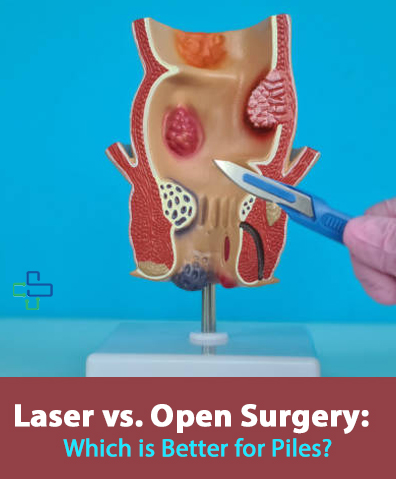
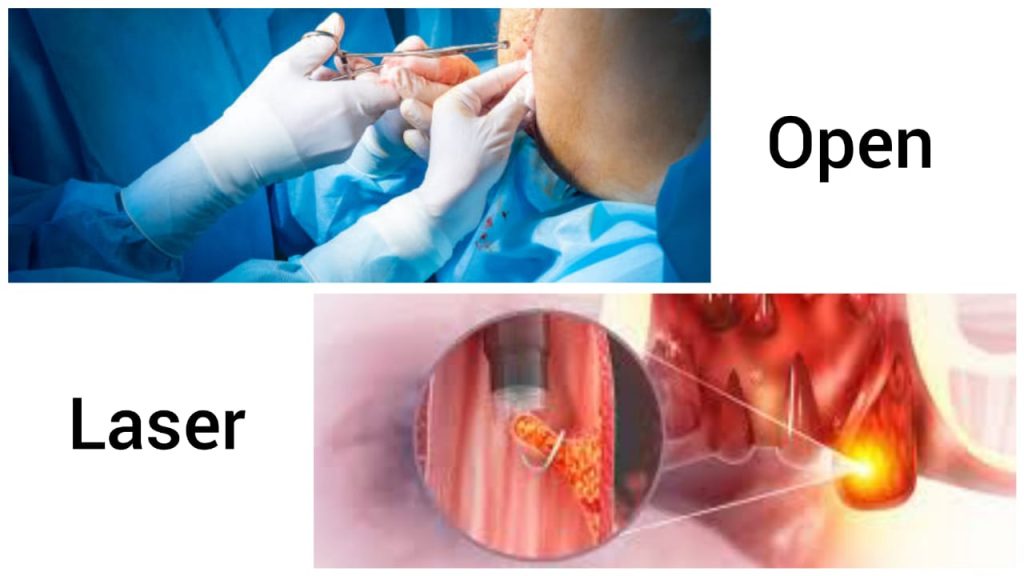
Open vs laser piles surgery
What is Laser Surgery for Piles?
Laser piles surgery is a minimally invasive procedure that uses a focused laser beam to shrink and seal hemorrhoidal tissue. This technique is becoming increasingly popular due to its precision, faster recovery time, and reduced post-operative discomfort.
Benefits of Laser Surgery:
Minimally Invasive: No major incisions or stitches, leading to a quicker and more comfortable healing process.
Less Pain and Discomfort: Patients experience significantly less post-surgical pain compared to traditional methods.
Faster Recovery: Most individuals can resume their daily activities within a few days.
Minimal Bleeding: The laser cauterizes blood vessels, reducing the risk of excessive bleeding.
Lower Risk of Infection: Since there are no large open wounds, the risk of post-surgical infections is minimal.
Higher Precision: The laser specifically targets the affected tissue, preserving surrounding healthy tissue.
Limitations of Laser Surgery:
Higher Cost:Piles Laser surgery is more expensive than traditional open surgery due to advanced technology and equipment.
Limited Suitability: Not recommended for very large or prolapsed hemorrhoids; severe cases may require additional interventions.
What is Open Surgery for Piles?
Open surgery, or hemorrhoidectomy, is the traditional method for treating severe piles. This procedure involves surgically removing the hemorrhoidal tissue using a scalpel or electrocautery, followed by suturing or leaving the wound open to heal naturally.
Benefits of Open Surgery:
Highly Effective for Severe Cases: Open surgery is preferred for large, prolapsed, or complicated hemorrhoids.
Lower Recurrence Rate: Since the affected tissue is completely removed, the chances of recurrence are significantly reduced.
Proven Long-Term Results: A well-established method with a high success rate.
Limitations of Open Surgery:
Longer Recovery Time: Healing can take several weeks, and patients may need to limit strenuous activities during this period.
More Post-Surgical Pain: The presence of incisions and sutures often leads to discomfort, requiring pain management.
Higher Risk of Infection: Open wounds take longer to heal and require careful hygiene to prevent complications.
Increased Bleeding: Compared to laser surgery, there is a higher likelihood of bleeding post-surgery.
Laser vs. Open Surgery: A Comparative Overview
Choosing between laser and open surgery depends on factors such as the severity of piles, patient preference, cost, and medical recommendation. Here’s a side-by-side comparison:
Feature
Laser Surgery
Open Surgery
Procedure Type
Minimally invasive
Traditional surgical removal
Pain Level
Minimal
Higher
Recovery Time
2-5 days
2-4 weeks
Bleeding Risk
Low
Higher
Infection Risk
Low
Higher
Suitability
Mild to moderate piles
Severe piles
Cost
Higher
More affordable
Which Procedure is Right for You?
Selecting the right piles treatment requires careful consideration of several factors:
Severity of Condition: Mild to moderate hemorrhoids are often better managed with laser surgery, whereas severe or prolapsed hemorrhoids may require open surgery.
Pain Tolerance & Recovery Time: Patients seeking a quicker, less painful recovery may prefer laser surgery, while those prioritizing a permanent solution for severe cases may opt for open surgery.
Cost Considerations: Laser piles surgery tends to be more expensive, whereas open surgery is a more affordable option.
Medical Advice: A consultation with a piles specialist in bhubaneswar or a colorectal surgeon is essential to assess individual needs and determine the most suitable procedure.
SimpleeKare’s Expertise in Laser Piles Surgery
At SimpleeKare Health, we specialize in laser piles surgery inBhubaneswar, offering a minimally invasive and highly effective treatment for hemorrhoids. Our expert proctologists use advanced laser technology to ensure:
Precise and targeted treatment for faster healing
Minimal discomfort and reduced pain post-surgery
Shorter hospital stays and faster recovery times
Lower risk of complications such as bleeding or infection
With state-of-the-art facilities and patient-centered care, SimpleeKare is a trusted choice for those seeking safe, reliable, and advanced piles laser treatment in Bhubaneswar.
Final Thoughts
Both laser and open surgery offer effective solutions for treating piles, each with its unique advantages. Laser piles surgery is ideal for those seeking a minimally invasive, low-pain, and quick-recovery option, while open piles surgery remains a trusted choice for severe cases requiring complete tissue removal.
At SimpleeKare Health, our expert doctors provide personalized consultations to help you choose the best piles treatment in Bhubaneswar for your condition. If you’re experiencing symptoms of piles and need professional guidance, schedule an appointment with us today.
Take control of your health— Call us at +91 9776414444 or +91 6371966229 and explore the best treatment options for lasting relief!
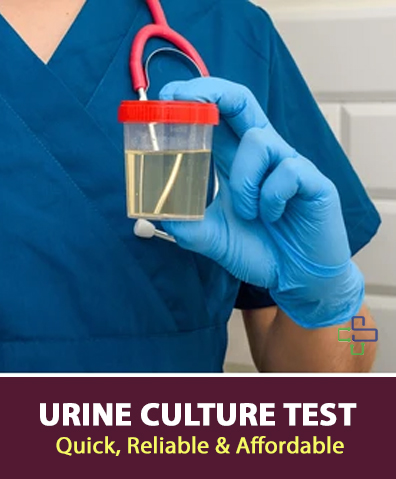
A urine culture test is a crucial diagnostic tool for detecting urinary tract infections (UTIs) and identifying the bacteria responsible. Left untreated, UTIs can lead to serious kidney complications, making early detection essential for effective treatment.
At SimpleeKare Diagnostics, we provide advanced urine culture testing in Bhubaneswar, ensuring accurate results with a quick turnaround time. Whether you’re experiencing burning sensation, frequent urination, or discomfort, our state-of-the-art lab facilities deliver precise and timely reports to guide the right treatment.
Why Choose SimpleeKare for a Urine Culture Test in Nayapalli, Bhubaneswar?
SimpleeKare is a trusted name in diagnostics, offering top-quality urine culture tests with:
✔️ High-Precision Testing – Modern lab equipment ensures reliable results. ✔️ Experienced Pathologists – Skilled experts analyze samples for bacterial identification. ✔️ Fast Results – Get your test reports in 24-48 hours, avoiding treatment delays. ✔️ Affordable Pricing – Transparent costs with no hidden charges. ✔️ Convenient Sample Collection – Visit our center or opt for home collection services.
What Does a Urine Culture Test Detect?
A urine culture test helps in diagnosing bacterial or fungal infections in the urinary tract. If you have persistent urinary issues, this test can pinpoint the cause and help your doctor prescribe targeted antibiotics for quicker recovery.
Common symptoms indicating a need for a urine culture test include:
🔸 Burning sensation or pain while urinating 🔸 Frequent urge to urinate 🔸 Cloudy, foul-smelling, or bloody urine 🔸 Discomfort or pain in the lower abdomen 🔸 Fever, chills, or back pain (in severe cases)
Who Needs a Urine Culture Test?
Your doctor may recommend a urine culture test if you:
✅ Show symptoms of a UTI or kidney infection ✅ Experience recurring urinary infections ✅ Are pregnant, as UTIs during pregnancy can cause complications ✅ Have diabetes or other conditions that increase the risk of UTIs ✅ Recently had urinary tract surgery or use a catheter
How is the Test Done?
Getting a urine culture test at SimpleeKare is a quick and hassle-free process:
1️⃣ Sample Collection – A sterile urine sample is collected. 2️⃣ Lab Testing – The sample is analyzed to detect bacterial growth. 3️⃣ Result Interpretation – If an infection is detected, further tests determine the bacteria type and suitable antibiotics.
Results are typically available within 24-48 hours.
Importance of Early UTI Detection
Ignoring urinary infection symptoms can lead to severe kidney damage or other health complications. Early detection through a urine culture test helps:
✔️ Start effective treatment before the infection worsens ✔️ Prevent recurrent UTIs and kidney infections ✔️ Ensure proper antibiotic use, avoiding resistance ✔️ Improve overall urinary tract health
Book Your Urine Culture Test in Bhubaneswar Today!
Scheduling your urine culture test at SimpleeKare is simple:
📞 Call us at +91 9776414444 or +91 6371966229 to book your test. 💻 Book an online appointment for home sample collection. 🏥 Visit our diagnostic centers in Bhubaneswar and Cuttack for a quick and reliable urine culture test.
If you’re experiencing UTI symptoms, don’t delay! Early diagnosis ensures faster recovery. Get tested today at SimpleeKare Diagnostics!
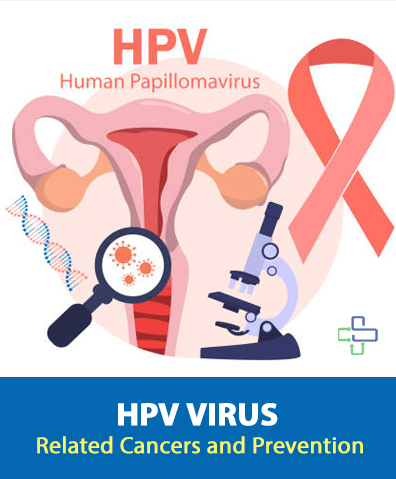
Human papillomavirus (HPV) is a major risk factor for several types of cancer beyond cervical cancer. This document expands on HPV’s role in cancer, discussing other HPV-related cancers, their prevalence, risk factors, prevention, and treatment, based on credible sources like the National Cancer Institute (NCI), World Health Organization (WHO), Centers for Disease Control and Prevention (CDC), and other medical organizations.
Overview of HPV-Related Cancers
HPV is a sexually transmitted infection that can infect the skin and mucous membranes, particularly in the genital, anal, and oropharyngeal (throat) areas. While most HPV infections clear up on their own, persistent infections with high-risk HPV types (e.g., types 16, 18, 31, 33, 45) can lead to cellular changes and cancer over time. According to the NCI and CDC, HPV causes approximately 37,300 cancers annually in the United States and around 690,000 globally, including cancers in both men and women.
High-Risk HPV Types and Their Association with Cancer
HPV 16 & 18: Responsible for approximately 70% of cervical cancers and a significant proportion of anal, vaginal, vulvar, penile, and oropharyngeal cancers.
HPV 31, 33, & 45: Also considered high-risk types, contributing to cervical and other anogenital cancers, though at lower frequencies than HPV 16 and 18.
Other high-risk HPV types: HPV 35, 39, 51, 52, 56, 58, and 59 have also been linked to cancer development.
HPV-Related Cancers and Their Impact
Cancer Type
Description
Prevalence
Risk Factors
Prevention
Treatment
1. Anal Cancer
Develops in the anus or anal canal, often from precancerous lesions called anal intraepithelial neoplasia (AIN). Strongly linked to HPV-16.
~9,100 new cases annually in the U.S., ~91% HPV-related (NCI, CDC).
HPV vaccination, regular gynecological exams, HPV/Pap testing if needed.
Surgery, radiation, chemotherapy. Early detection significantly improves outcomes.
5. Penile Cancer
Affects the penis, often starting as penile intraepithelial neoplasia (PeIN). HPV-16 is a major cause.~2,200 new cases annually in the U.S., ~30–50% HPV-related (NCI, CDC).
~2,200 new cases annually in the U.S., ~30–50% HPV-related (NCI, CDC).
Surgery (partial/total penectomy), radiation, chemotherapy. Early detection is critical.
The Role of the HPV Vaccine in Cancer Prevention
Effectiveness
Research suggests the HPV vaccine is highly effective in preventing cervical cancer, with studies showing up to 88% risk reduction in women vaccinated before age 17 (New England Journal of Medicine).
The vaccine is nearly 100% effective against persistent HPV infection and certain cervical abnormalities in those not previously exposed to HPV.
Early vaccination before sexual activity leads to greater effectiveness.
Real-World Data and Clinical Trials
A large Swedish study followed 1.7 million women and found:
88% reduction in cervical cancer risk in women vaccinated before age 17.
53% reduction for those vaccinated at 17 or older.
A Scottish study found no cervical cancer cases in women fully vaccinated at ages 12-13.
Gardasil 9 trials (15,000 participants) showed near 100% efficacy against targeted HPV types.
Bivalent Cervarix trials (30,000 participants) showed high efficacy against HPV 16, 18, and additional cross-protection.
Broader Impact of the HPV Vaccine
Besides cervical cancer, the HPV vaccine is almost 100% effective in preventing external genital warts.
It significantly lowers the risk of anal, vaginal, vulvar, penile, and oropharyngeal cancers.
A STAT News study (2024) reported a 56% reduction in HPV-related cancers in men and 36% in women.
Vaccination Strategies and Recommendations
The WHO recommends HPV vaccination for girls aged 9-14, with one or two doses.
Studies show long-lasting protection (at least 10 years for Gardasil, 11 years for Cervarix).
The CDC reports over 135 million doses distributed in the U.S. with an excellent safety profile.
Myths and Misconceptions About the HPV Vaccine
Despite strong scientific evidence supporting the HPV vaccine, several myths persist. Here are some common misconceptions and the facts to counter them:
Myth
Fact
The HPV vaccine is only for women.
While the vaccine is crucial for preventing cervical cancer in women, it also protects men against anal, penile, and oropharyngeal cancers, as well as genital warts. The CDC recommends HPV vaccination for both boys and girls.
The vaccine is unnecessary if someone is not sexually active.
The HPV vaccine is most effective before exposure to the virus. That’s why it is recommended for preteens, ideally between ages 9-14, before sexual activity begins.
The HPV vaccine encourages promiscuity.
Studies have shown no link between receiving the HPV vaccine and increased sexual activity. The vaccine’s purpose is cancer prevention, not behavior change.
The HPV vaccine has severe side effects.
The HPV vaccine has been extensively tested for safety. The most common side effects are mild, such as soreness at the injection site, dizziness, or a low-grade fever. Serious side effects are extremely rare.
The vaccine is ineffective if not given at a young age.
While early vaccination is ideal, individuals up to age 45 can still benefit from the HPV vaccine. The earlier the vaccine is given, the better the protection, but it can still reduce the risk of HPV-related diseases in older individuals.
Conclusion
The HPV vaccine is a highly effective intervention for preventing cervical cancer and other HPV-related diseases. With efficacy nearing 100% against persistent infection and significant real-world effectiveness, it is a cornerstone of global cervical cancer elimination efforts. Its early administration ensures the best protection, making it a critical public health tool in reducing the global burden of HPV-related cancers.
Imagine living with a condition that makes breathing, swallowing, and even closing your eyes a daily struggle. This was the reality for a 35-year-old woman from Odisha, India, who was diagnosed with Graves’ disease, a rare autoimmune disorder. Thanks to a groundbreaking combined surgical procedure, she has now regained her quality of life. This blog delves into her journey, the innovative treatment she received, and how this rare surgical feat is redefining the management of refractory Graves’ disease.
What is Graves’ Disease?
Graves’ disease is an autoimmune disorder that causes the thyroid gland to become overactive, leading to hyperthyroidism. In some cases, it also causes thyroid eye disease (orbitopathy), characterized by inflammation and swelling of the eye muscles, eyelids, and surrounding tissues. Symptoms include bulging eyes, difficulty closing the eyelids, double vision, and even vision loss in severe cases. For this patient, the condition had progressed to a life-threatening stage, requiring immediate intervention.
The Patient’s Struggle
The 35-year-old woman from Odisha had been battling Graves’ disease for years. Her symptoms included:
Severe eye bulging (exophthalmos), making it difficult to close her eyes.
Difficulty swallowing and breathing problems due to an enlarged thyroid gland.
Palpitations and fatigue caused by hyperthyroidism.
Refractory thyrotoxicosis, a condition where high thyroid hormone levels do not respond to conventional treatments like medications, steroids, or beta-blockers.
Her condition had worsened to the point where she was at risk of a thyroid storm, a life-threatening complication of hyperthyroidism. Imaging studies also raised concerns about possible malignancy in her thyroid gland, adding urgency to her case.
Diagnosis and Treatment Planning
The patient was initially consulted at SimpleeKare Health, where a comprehensive evaluation was conducted. Advanced diagnostic tests, including thyroid function tests, imaging studies, and ophthalmologic assessments, confirmed the diagnosis of refractory Graves’ disease with orbitopathy. The multidisciplinary team at SimpleeKare Health identified the need for a combined surgical approach to address both the hyperthyroidism and the severe eye complications.
The Breakthrough Treatment: Combined Surgery
After careful planning, the patient underwent a combined surgical procedure that included:
Total Thyroidectomy: Removal of the entire thyroid gland to address hyperthyroidism and eliminate the risk of malignancy.
Endoscopic Trans-Nasal Bilateral Orbital Decompression: A minimally invasive procedure to create more space in the orbital cavity, allowing the eyes to return to their normal position.
This rare combination of surgeries is not commonly reported in medical literature, making it a groundbreaking achievement in the treatment of refractory Graves’ disease.
Total Thyroidectomy: The overactive thyroid gland was carefully removed to alleviate pressure on the surrounding structures and address the risk of malignancy.
Endoscopic Orbital Decompression: Using advanced endoscopic techniques, the surgical team decompressed the orbital regions, restoring normal eye alignment and relieving the patient’s exophthalmos.
The entire procedure lasted approximately three hours and was performed under general anesthesia. The use of minimally invasive techniques ensured faster recovery, reduced postoperative pain, and optimal aesthetic outcomes.
Remarkable Recovery and Outcomes
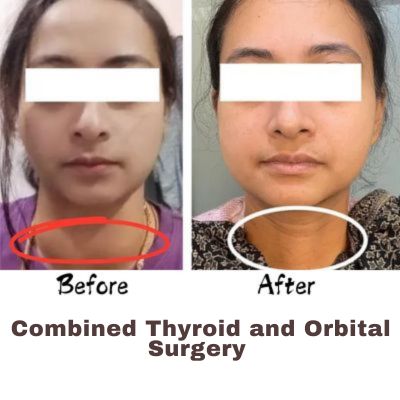
The patient’s recovery was swift and remarkable. Within three days, she was discharged from the hospital with significant improvements:
Breathing and swallowing returned to normal.
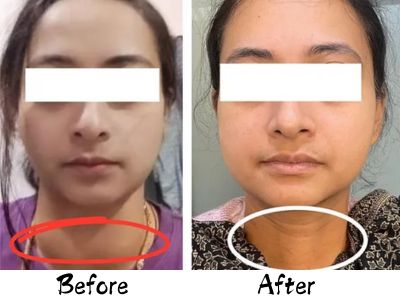
Her eye alignment was restored, allowing her to close her eyes comfortably.
The suspected malignancy was ruled out through histopathological examination, bringing immense relief to the patient and her family.
This combined surgical approach not only alleviated her symptoms but also gave her a renewed quality of life.
Why This Surgery is a Rare Achievement
Performing a total thyroidectomy and endoscopic orbital decompression in a single sitting is an extraordinary accomplishment. A search of high-impact medical journals reveals that such a combination has rarely been documented, highlighting the uniqueness of this case.
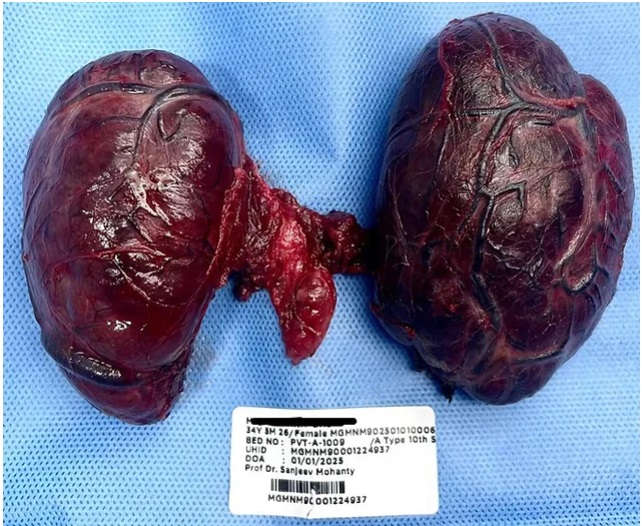
Thyroidectomy Specimen – Removed Thyroid Gland
Dr. Sanjeev Mohanty emphasized the importance of this achievement:
“Such a challenging surgical procedure requires a blend of expertise, meticulous planning, and innovation. The use of minimally invasive endoscopic techniques ensured both functionality and aesthetics, making this a landmark achievement for our team.”
A New Hope for Patients with Refractory Graves’ Disease
This case is a testament to the advances in ENT and endocrine surgery in India. It showcases the importance of multidisciplinary collaboration, innovation, and patient-centric care. For patients battling complex conditions like refractory Graves’ disease, this groundbreaking procedure offers hope and demonstrates the possibilities of modern surgical techniques.
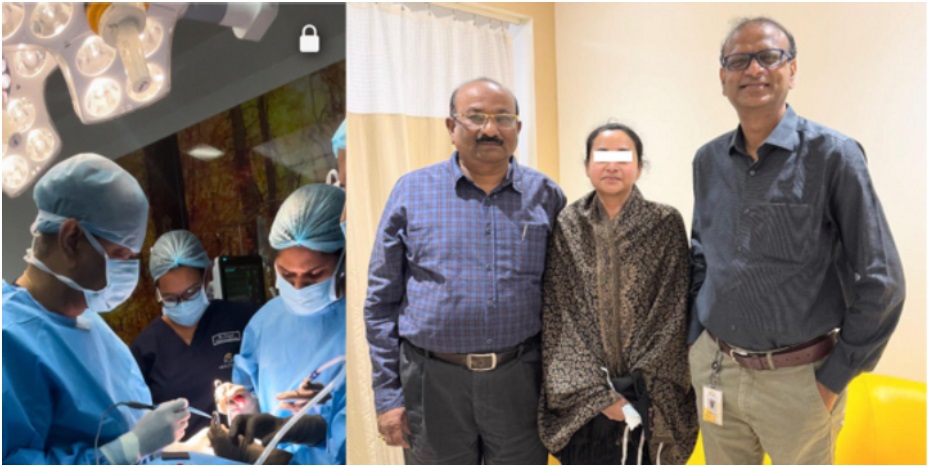
Combined Thyroid and Orbital Surgery in Bhubaneswar
Conclusion
The successful treatment of this Odisha woman marks a new milestone in the management of refractory Graves’ disease. It underscores the importance of seeking expert care for complex medical conditions and highlights the potential of minimally invasive surgical techniques to transform lives.
If you or someone you know is struggling with similar symptoms, consult a specialist for a comprehensive evaluation and personalized treatment plan. Early diagnosis and intervention can make all the difference in managing complex conditions like Graves’ disease.
Best ENT Doctr Prof. Dr. Sanjeev Mohanty
About the Medical Team The patient’s diagnosis and treatment planning were conducted at SimpleeKare Health, where a multidisciplinary team of experts collaborated to deliver the best possible care. The surgical procedure was led by Dr. Sanjeev Mohanty, a renowned ENT, Head, and Neck Surgeon and he is the best ENT doctor in India with extensive experience in managing complex thyroid and orbital conditions.