Month: September 2024

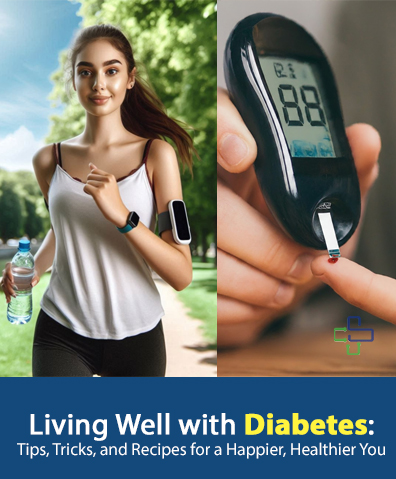
  • Living Well with Diabetes: Tips, Tricks, and Recipes for a Happier, Healthier You

    Living Well with Diabetes: Tips, Tricks, and Recipes for a Happier, Healthier You

    Diabetes is a disease that affects many people throughout their lives This makes it difficult for our body to control blood sugar. If a person does not take care of their diabetes, it can lead to major health problems such as heart disease or kidney problems. But if doctors detect it at an early stage of diagnosis and it assures you manage it well, you can still live happy and healthy lives.

    Don’t let diabetes control your life. Take charge of your health today with this essential guide, packed with practical advice and empowering information. Find practical tips and strategies to improve your quality of life and manage diabetes effectively, regardless of your experience level.
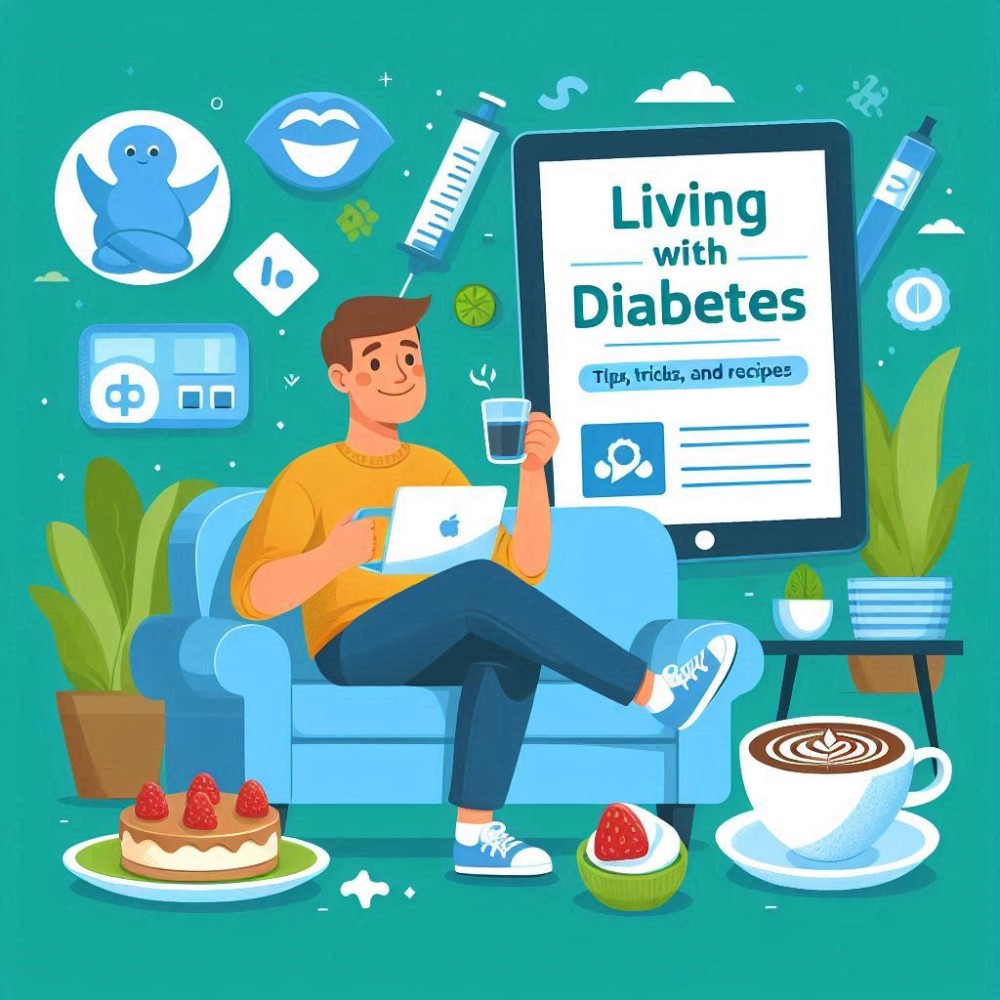
    Living with Diabetes Tips

    What’s diabetes all about?

    It happens when your body either doesn’t make enough insulin (that’s type 1) or can’t use the insulin it does have the right way (that’s type 2). Insulin is a hormone that helps keep your blood sugar in check, so if there’s not enough of it or it’s not doing its job, your blood sugar can shoot up to some pretty risky levels.

    Types of Diabetes:

    • Type 1 Diabetes is an autoimmune condition in which the body attacks insulin-producing cells. This type usually develops in childhood or adolescence.
    • Type 2 Diabetes is a metabolic condition in which the body becomes resistant to insulin or produces insufficient amounts of it. It is often associated with lifestyle factors and typically appears later in life.
    • Gestational Diabetes is a type of diabetes that develops during pregnancy and usually goes away after childbirth.

    Best Diabetologist in Bhubaneswar

    Causes & Symptoms:

    1. Causes: Genetics, obesity, lack of physical activity, and autoimmune responses.
    2. Symptoms: Increased thirst, frequent urination, fatigue, blurred vision, slow-healing wounds, and unexplained weight loss.
    Signs of Diabetes

    Risk Factors:

    1. Family history of diabetes
    2. Being overweight or obese
    3. Sedentary lifestyle
    4. High blood pressure
    5. Age 45 and older (Type 2 risk)

    Common Misconceptions:

    1. Myth 1: Only overweight people get Type 2 diabetes.

    Fact: Thin individuals can also develop diabetes.

    1. Myth 2: People with diabetes can’t eat sugar.

    Fact: People with diabetes can consume sugar, but it needs to be managed as part of their overall carbohydrate intake.

    Home Diabetes Testing

    Benefits of Home Testing:

    Checking your blood sugar with home tests is convenient and gives you up-to-date information about your health. Regular checks help you better manage your sugar levels and avoid potential problems. For a more comprehensive evaluation, consider visiting your local best diagnostic centre in Bhubaneswar or book an online free home sample collection in Bhubaneswar for regular check-ups.
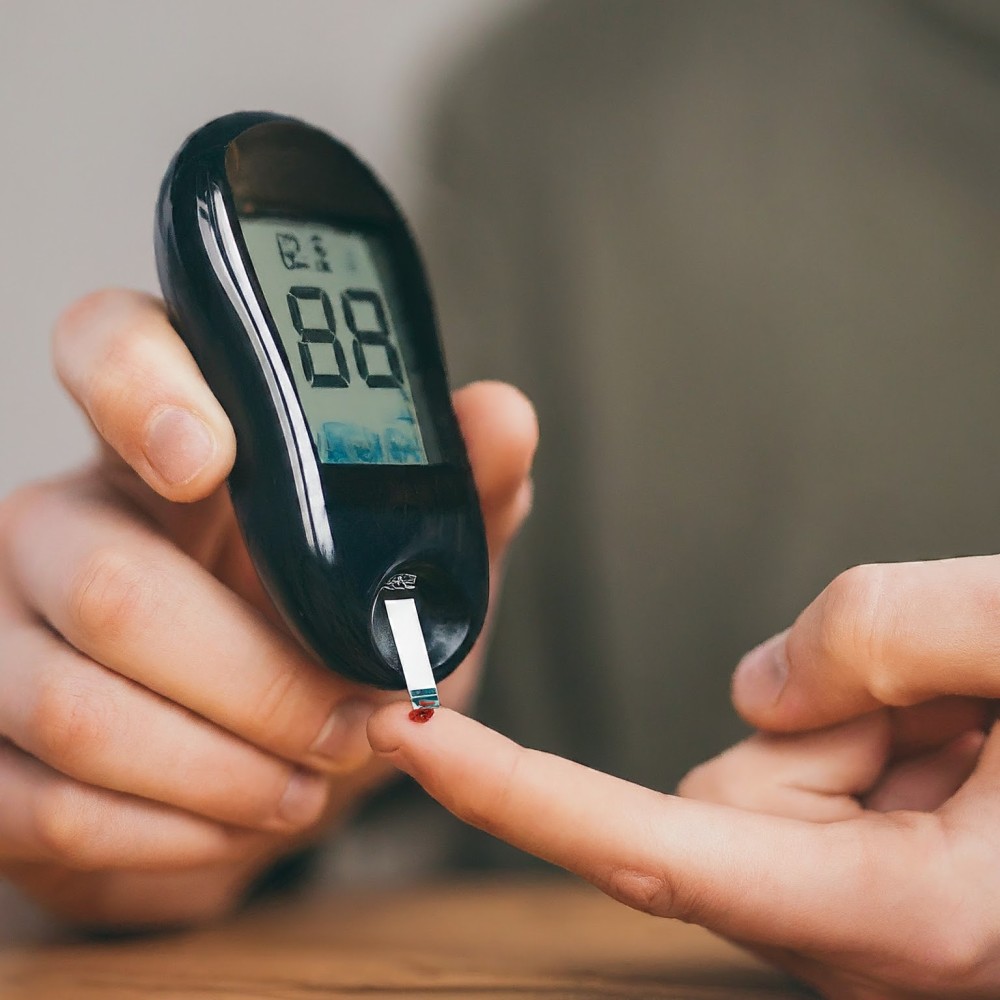
    Diabetes test with glucometer

    Choosing the Right Test Kit for Diabetes Test:

    Choosing an appropriate diabetes home test kit is crucial. It is important to seek devices that are user-friendly, precise, and within your financial means. Additionally, certain devices provide smartphone connectivity for data monitoring, which can be particularly beneficial.

    How to Perform a Home Test:

    1. Wash your hands thoroughly.

    2. Insert a test strip into the glucometer.

    3. Prick the side of your finger with a lancet.

    4. Place a drop of blood on the test strip.

    5. Wait for the reading on the meter (usually within seconds).

    6. Record your blood sugar levels and any relevant notes (like meal timing).

    For professional evaluations, you can also search for a diabetes test near me or blood test near me for a more in-depth check-up.

    Common Questions About Home Testing:

    1. How often should I test?

    This depends on your treatment plan, but home testing is typically recommended before meals and after food to understand how your body responds. Knowing the post-lunch diabetes range is also crucial for effective management.

    What should my blood sugar levels be?

    The diabetes after food normal range is usually less than 180 mg/dL. Before meals, it’s generally between 70–130 mg/dL.

    Managing Diabetes

    Dietary Guidelines:

    Managing diabetes starts with a balanced diet. Focus on whole grains, vegetables, lean proteins, and healthy fats. Limit simple carbohydrates, sugary drinks, and processed foods that can spike blood sugar. Learn about the best foods to avoid diabetes, like refined sugars and trans fats, to keep your levels stable.

    • Carb counting: Monitor your carbohydrate intake and its effect on your blood sugar.
    • Glycemic index (GI): Choose foods with a low GI, as they have a slower impact on blood sugar levels.

    The Importance of Exercise:

    Regular physical activity helps lower blood sugar by improving insulin sensitivity. Aim for at least 150 minutes of moderate aerobic activity per week, such as walking, swimming, or cycling.

    Meditation for Managing Diabetes

    Medication Options:

    • For Insulin, Oral medications and Other injectables: You may consult with the best Diabetology & Endocrinology Specialists.

    Seeking Professional Help

    Importance of Regular Check-Ups:

    While home testing is essential, regular check-ups with a healthcare provider are crucial to ensure your management plan is working. You can search for a diabetes doctor near me or a diabetes check-up near me to schedule regular visits. The best doctor for diabetes in Bhubaneswar or your local area will help tailor treatment to your needs.

    Finding a Diabetes Specialist:

    Consult an endocrinologist or a diabetes educator for specialized care. Searching for the best doctor for diabetes or diabetes dr near me can help you find the right professional to guide your treatment.

    Have a question or personal experience with diabetes? For regular check-ups and expert diabetes care, visit the best Endocrinology Hospital in Bhubaneswar or consult the best doctor for diabetes in Bhubaneswar at SimpleeKare Hospital.

    Book Your Diabetes Check-Up Today!

    If you’re based in Bhubaneswar, SimpleeKare Hospital offers exclusive diabetes check-up package and free home sample collection for your convenience.

    Schedule your next diabetes check-up near me at SimpleeKare Hospital to consult with one of our top endocrinologists in Bhubaneswar, visit our website at www.simpleekare.com or contact us at +91 9776414444 / +91 6371966229 for more information.
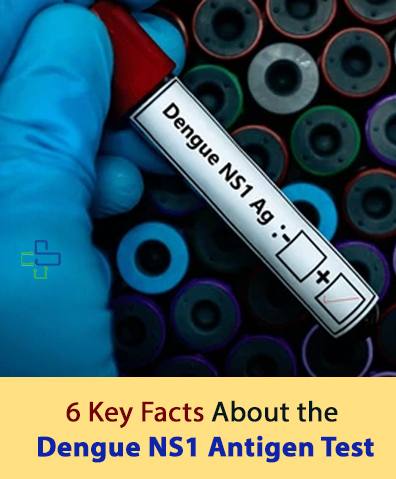

  • 6 Key Facts About the Dengue NS1 Antigen Test: Early Detection Matters

    6 Key Facts About the Dengue NS1 Antigen Test: Early Detection Matters

    Dengue fever is a global health concern, with over 400 million people infected annually, according to the World Health Organization (WHO). It’s especially prevalent in tropical and subtropical regions. Early diagnosis is crucial for effective treatment, and the Dengue NS1 Antigen test plays a key role in detecting the virus in the early stages. If you or someone you know is experiencing symptoms, knowing how this test works can make all the difference in seeking timely care.

    In this blog, we’ll explore 6 key facts about the Dengue NS1 Antigen test, explain “Dengue NS1 Antigen positive means”, and provide helpful information like how to find a dengue test near me. We’ll also look at the importance of early detection and how NS1 positive results in dengue can guide treatment.

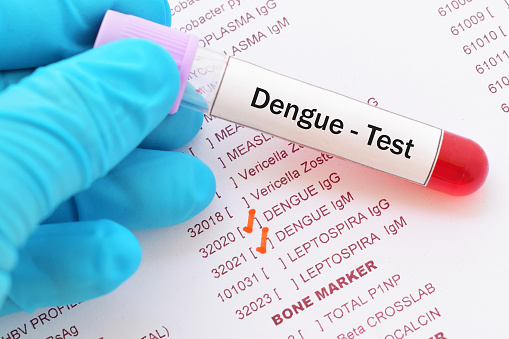
    Dengue NS1 Antigen test Image

    1. What is the Dengue NS1 Antigen Test?

    The Dengue NS1 Antigen test is one of the earliest diagnostic tools available to detect dengue fever. It tests for the Non-Structural Protein 1 (NS1) of the dengue virus, which is present in the bloodstream during the first 1 to 9 days of infection. This means it can detect dengue before the body’s immune system produces antibodies, offering an earlier diagnosis than traditional tests like IgM and IgG antibody tests.

    Early detection through the NS1 antigen test can prevent severe complications such as dengue hemorrhagic fever, which can lead to internal bleeding and even death.


    2. What Does a Positive Dengue NS1 Antigen Mean?

    Receiving a Dengue NS1 Antigen positive result indicates that the dengue virus is active in your bloodstream. In simple terms, a positive NS1 Antigen test means that you are currently in the early stages of a dengue infection.

    The WHO estimates that 500,000 people develop severe dengue each year, which can lead to hospitalization. Detecting dengue early through an NS1 positive result allows for timely treatment, helping to prevent these severe complications. Immediate medical attention should be sought to monitor symptoms and manage the disease effectively.


    3. Where Can I Get Tested? Find a Dengue Test Near Me

    If you suspect dengue fever, especially after experiencing common symptoms like high fever, joint pain, headache, nausea, and skin rashes, it’s essential to get tested quickly. Dengue NS1 Antigen tests are available at most hospitals and diagnostic centers.

    Many laboratories offering dengue tests near Bhubaneswar now provide home collection services, making it more accessible to get tested without the need to visit a facility. Early diagnosis is crucial for improving outcomes and minimizing the risk of virus transmission.

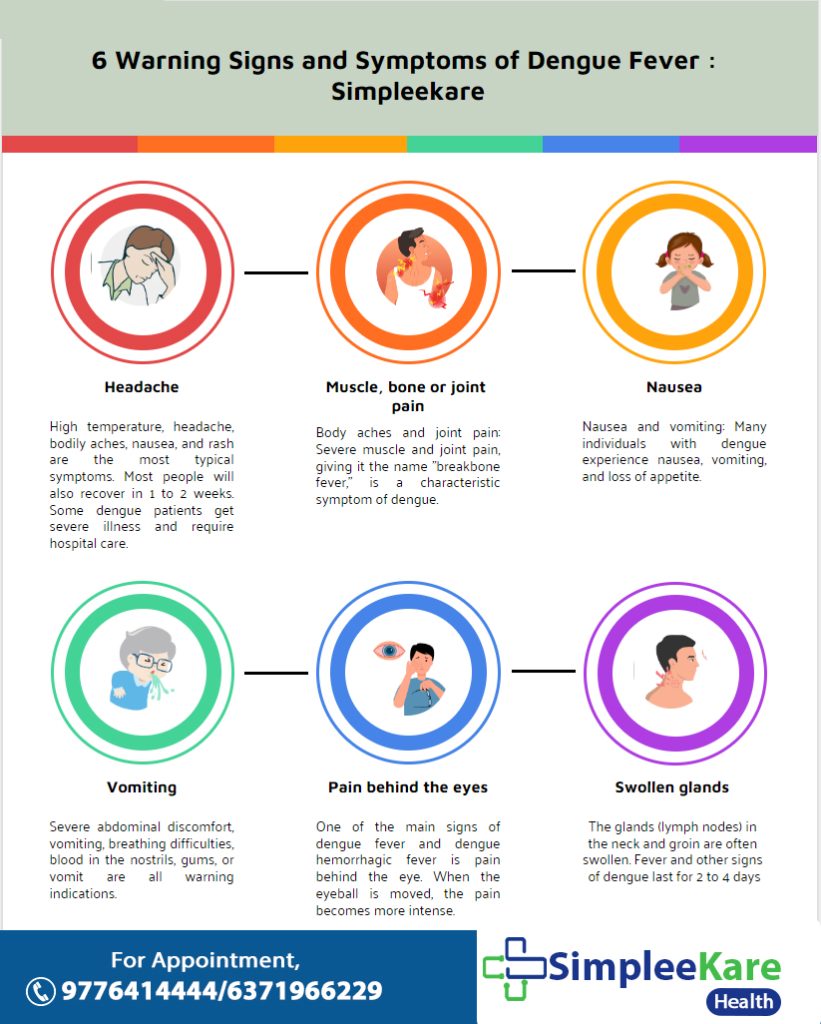
    Dengue Fever Symptoms
    Symptoms of Dengue Fever

    4. What’s Included in a Dengue Profile Test?

    The Dengue Profile Test is a comprehensive series of tests used to diagnose and monitor dengue fever. It usually includes the NS1 Antigen test, along with IgM and IgG antibody tests. The NS1 Antigen test is most effective during the early stages, while the antibody tests become useful as the body starts to fight the virus later in the infection.

    The NS1 Antigen test detects the presence of the dengue virus, while IgM and IgG tests check for antibodies to gauge whether an infection is recent or has occurred in the past. Together, these tests provide a clearer picture of the disease’s progression, helping doctors develop a more targeted treatment plan.

    Dengue Profile Test Image

    5. Dengue NS1 ELISA Normal Range: What You Should Know

    The Dengue NS1 ELISA test is a common method used to detect the NS1 antigen, and it is known for its high sensitivity and accuracy. The normal range for this test is negative, meaning that no dengue virus is detected.

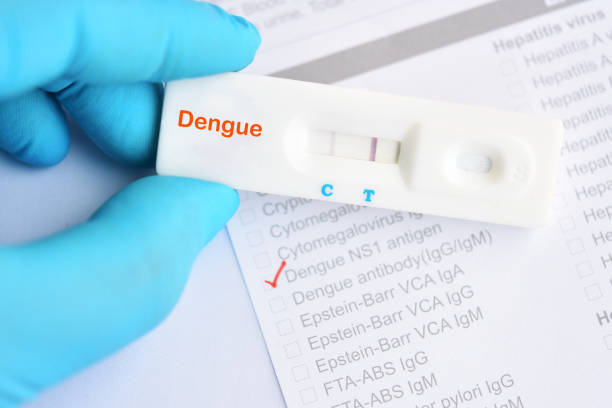
    When the test is positive, it indicates that the NS1 protein from the dengue virus is present, and you likely have an active infection. NS1 positive results should prompt immediate medical consultation, as early intervention can significantly improve the outcome of the disease.

    Dengue NS1 Antigen Test positive result image

    6. Why Early Diagnosis Matters: What NS1 Positive in Dengue Means for You

    Early diagnosis with the Dengue NS1 Antigen test allows doctors to begin treatment before the infection progresses to more severe stages. Since dengue has no specific antiviral treatment, Fluid replacement, monitoring platelet levels, and maintaining a proper diet are critical aspects of managing dengue at this stage. The focus is on managing symptoms and preventing complications such as low platelet counts and dehydration.

    The Centers for Disease Control and Prevention (CDC) highlights that early supportive care, like hydration, can reduce the risk of severe outcomes and hospitalization. By knowing that your NS1 Antigen test is positive, your doctor can monitor key health markers like platelet levels and ensure you’re getting the care you need before complications arise.


    Conclusion
    The Dengue NS1 Antigen test is a vital diagnostic tool for early detection of dengue fever. If you’re experiencing symptoms or have been exposed to mosquito bites in dengue-prone areas, consider a dengue profile test at SimpleeKare Health and stay informed about your health.Understanding what a Dengue NS1 Antigen positive result means and how a Dengue Profile Test works can guide you towards effective management of the disease.

    Early detection through this test can save lives by allowing timely medical interventions, reducing the risk of severe complications like dengue hemorrhagic fever. Stay informed and act fast—early diagnosis is your best defense against dengue.

  • 7 Crucial Steps to Fight Against Alzheimer’s: Time to Act Now

    7 Crucial Steps to Fight Against Alzheimer’s: Time to Act Now

    Every 21st September, we observe World Alzheimer’s Day as part of World Alzheimer’s Month. This year’s theme, “Time to Act on Dementia, Time to Act on Alzheimer’s,” highlights the urgent need for awareness, support, and action to combat Alzheimer’s disease and dementia. With over 55 million people worldwide living with dementia and Alzheimer’s disease, the impact is profound, affecting not only patients but also their families and communities. At SimpleeKare Health, we’re committed to educating and empowering individuals to take action in the fight against Alzheimer’s. In this guide, we’ll explore Alzheimer’s disease symptoms, prevention strategies, Alzheimer’s disease treatments, and crucial steps to support loved ones affected by this debilitating condition.

    1. What is Alzheimer’s Disease?

    Understanding Alzheimer’s: A Progressive Brain Disorder

    Alzheimer’s disease is a type of dementia that affects memory, thinking, and behaviour. It’s a progressive condition, meaning Alzheimer’s disease symptoms gradually worsen over time. Alzheimer’s is the most common form of dementia, accounting for 60-70% of all dementia cases. The exact cause is not fully understood, but it involves abnormal changes in the brain, including the buildup of plaques and tangles that interfere with neuron function.


    2. Recognizing the Early Signs of Alzheimer’s

    Time to Act: Identifying Early Alzheimer’s Disease Symptoms

    Early detection of Alzheimer’s disease symptoms is crucial. Some common early signs include:

    • Memory loss that disrupts daily life, such as forgetting important dates or events.
    • Difficulty planning or solving problems, like trouble following familiar recipes.
    • Confusion with time or place, such as forgetting where you are or how you got there.
    • Problems with speaking or writing, including trouble joining conversations.
    • Changes in mood and personality, like becoming easily upset or anxious.

    If you notice these symptoms in yourself or a loved one, it’s time to act and seek medical advice from a neurologist. Early intervention can improve the quality of life and may slow the progression of symptoms.


    3. The Global Impact of Alzheimer’s

    Alzheimer’s is a Global Challenge

    Alzheimer’s disease is not only a personal battle but also a global health crisis. According to the World Health Organization, more than 55 million people are living with dementia worldwide, with Alzheimer’s disease being the most common type. This number is expected to triple by 2050, making it critical for healthcare systems and communities to prepare for the increasing demand for care and Alzheimer’s disease treatments.


    4. Why Early Diagnosis Matters

    Benefits of Early Diagnosis and Intervention

    An early diagnosis of Alzheimer’s disease can lead to:

    • Better management of symptoms through medications and therapies that may slow progression.
    • Access to support networks and resources, including educational materials and caregiver support.
    • Involvement in clinical trials, where new Alzheimer’s disease treatments are tested.
    • Planning for the future, including legal, financial, and healthcare decisions.

    Being proactive in recognizing the symptoms and seeking a diagnosis can greatly enhance a patient’s ability to manage the disease and maintain independence for as long as possible.


    5. How to Support a Loved One with Alzheimer’s

    Practical Ways to Offer Care and Support

    Caring for someone with Alzheimer’s can be challenging, but there are ways to offer effective support:

    • Create a safe environment by minimizing hazards and ensuring the home is easy to navigate.
    • Establish a routine that helps reduce confusion and anxiety.
    • Use clear communication by speaking slowly, maintaining eye contact, and avoiding complex sentences.
    • Encourage mental and physical activities like puzzles, reading, and walking, which can help stimulate the brain.
    • Be patient and empathetic, recognizing that mood swings and memory lapses are part of the condition.

    Providing care and emotional support, while considering ongoing treatments, can help improve the quality of life for both patients and caregivers.


    6. Lifestyle Changes to Lower Your Risk

    Time to Act: Prevention Through Healthy Living

    While there’s no definitive way to prevent Alzheimer’s, research suggests that certain lifestyle choices can reduce the risk:

    • Stay physically active: Regular exercise helps improve blood flow to the brain, which may lower the risk of developing symptoms.
    • Eat a brain-healthy diet, such as the Mediterranean diet, which is rich in fruits, vegetables, and healthy fats.
    • Stay mentally engaged: Puzzles, reading, and learning new skills may help build cognitive reserves and delay the onset of Alzheimer’s symptoms.
    • Manage chronic conditions: Keep high blood pressure, diabetes, and cholesterol under control to reduce risk factors.
    • Stay socially connected: Engaging in meaningful social activities can protect against cognitive decline.

    Making these changes now can help reduce the likelihood of developing the symptoms later in life and minimize the need for future Alzheimer’s treatments.


    7. Time to Act: SimpleeKare Health’s Role in Alzheimer’s Support

    How SimpleeKare Health Can Help

    At SimpleeKare Health, we understand the profound impact Alzheimer’s disease has on individuals and families. Our team is dedicated to offering comprehensive care, including Alzheimer’s disease diagnostics and treatments, alongside resources for patients and caregivers. From diagnostic services to caregiver support programs, we are here to guide you every step of the way. By acting now, we can make a difference in the lives of those affected by Alzheimer’s disease.


    Conclusion

    As we observe World Alzheimer’s Month this September, it’s more important than ever to take action. Whether it’s learning the early signs, making lifestyle changes to lower your risk, or supporting a loved one, now is the time to act. Alzheimer’s disease affects millions, but together, through awareness, treatments, and proactive steps, we can slow its impact and improve the quality of life for those affected. At SimpleeKare Health, we are committed to helping you navigate this journey with compassion and expertise.

    Contact us today to learn more about our services, including Alzheimer’s disease treatments, and how we can support you and your family in managing Alzheimer’s disease.

  • 9 Essential First Aid Tips: Be Prepared to Handle Emergencies Effectively | SimpleeKare Health

    9 Essential First Aid Tips: Be Prepared to Handle Emergencies Effectively | SimpleeKare Health

    Emergencies can happen anytime — at home, work, or even outdoors. Being prepared with the right first aid knowledge can make a huge difference and even save lives. At SimpleeKare Health, we believe that basic first aid awareness is not just a skill but a responsibility everyone should have.

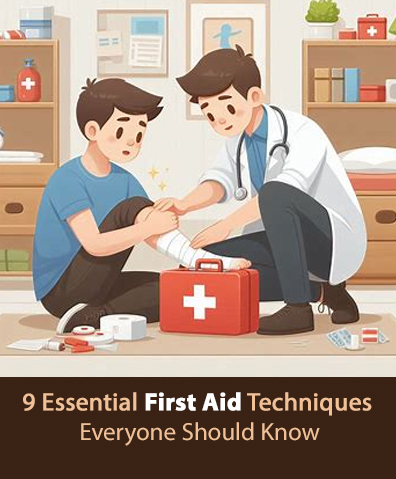
    Here are 9 essential first aid tips to help you handle emergencies quickly and effectively.

    1. Stay Calm and Assess the Situation

    In any emergency, your first step should be to stay calm. Take a few seconds to assess the scene for safety before approaching the injured person. A clear mind helps you make better decisions.

    2. Call for Medical Help Immediately

    If someone is seriously injured or unconscious, call ambulance services or emergency numbers right away. At SimpleeKare, our team provides quick medical support and expert consultations during such situations.

    3. Stop the Bleedin

    Use a clean cloth or sterile bandage to apply pressure to the wound. If the bleeding doesn’t stop, continue applying pressure until medical help arrives.

    4. Handle Burns Carefully

    For minor burns, cool the area under running water for 10–15 minutes. Avoid applying ice or ointments immediately. For major burns, seek medical help from a professional healthcare center like SimpleeKare.

    5. Know How to Perform CPR

    Cardiopulmonary Resuscitation (CPR) is a lifesaving technique used in cases of cardiac arrest. Learning basic CPR can help keep blood and oxygen flowing to the brain until help arrives.

    6. Treat Fractures Safely

    If you suspect a bone fracture, avoid moving the injured part. Support it with a splint or soft padding and get professional care immediately. SimpleeKare’s orthopedic specialists are well-trained to handle such cases efficiently.

    7. Handle Choking Situations Promptly

    Encourage the person to cough. If they can’t breathe or speak, use the Heimlich maneuver (abdominal thrusts) to dislodge the object. Always call for medical assistance afterward.


    8. Manage Heat Exhaustion and Dehydration

    Move the person to a cool area, loosen tight clothing, and offer water or an electrolyte drink. Severe cases require immediate medical care.

    9. Keep a Well-Stocked First Aid Kit

    Always have a first aid kit ready at home, in your car, or at work. Include bandages, antiseptic wipes, scissors, gloves, pain relievers, and basic medications.

    Why Choose SimpleeKare Health?

    At SimpleeKare Health, we focus on providing comprehensive medical care and emergency support with highly skilled doctors and advanced facilities. Whether it’s an accident, injury, or sudden illness, our expert team ensures you receive the right treatment on time.

    Stay Safe, Stay Prepared!

    Being prepared for emergencies can save lives — including your own. Take the first step toward better health and safety with SimpleeKare Health.

    👉 Visit: www.simpleekare.com
    👉 Book an Appointment: Get expert medical care anytime, anywhere with SimpleeKare.